Nehmen Sie Kontakt mit Wanhui Company auf

Großhandel / Fertigung
Hersteller-Direct B2 B Großhandel Kunststoffbehälter mit Deckel
Direkt von einem 20-jährigen Hersteller von Lebensmittelverpackungen
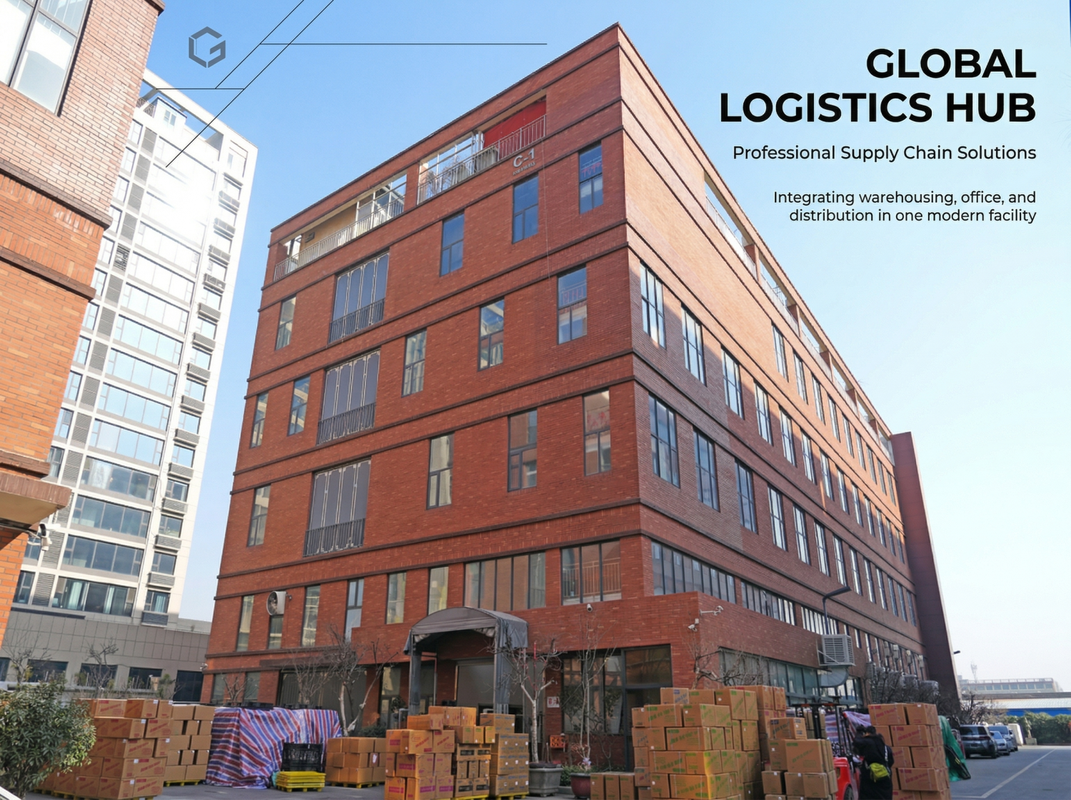
Quelle Großhandel Kunststoffbehälter mit Deckel direkt von einer Fabrik in Shandong, die 20 Thermoform-, 6 Blattextrusions- und 60 Spritzgusslinien betreibt. Wanhui stellt täglich mehr als 30 Tonnen Lebensmittelfolien her und versendet täglich mehr als eine Million fertige Einheiten an Kettenrestaurants, Lebensmittelliefermarken und institutionelle Kantinen in ganz Europa, Amerika, dem Nahen Osten und dem asiatisch-pazifischen Raum.
Fordern Sie ein Großhandelsangebot an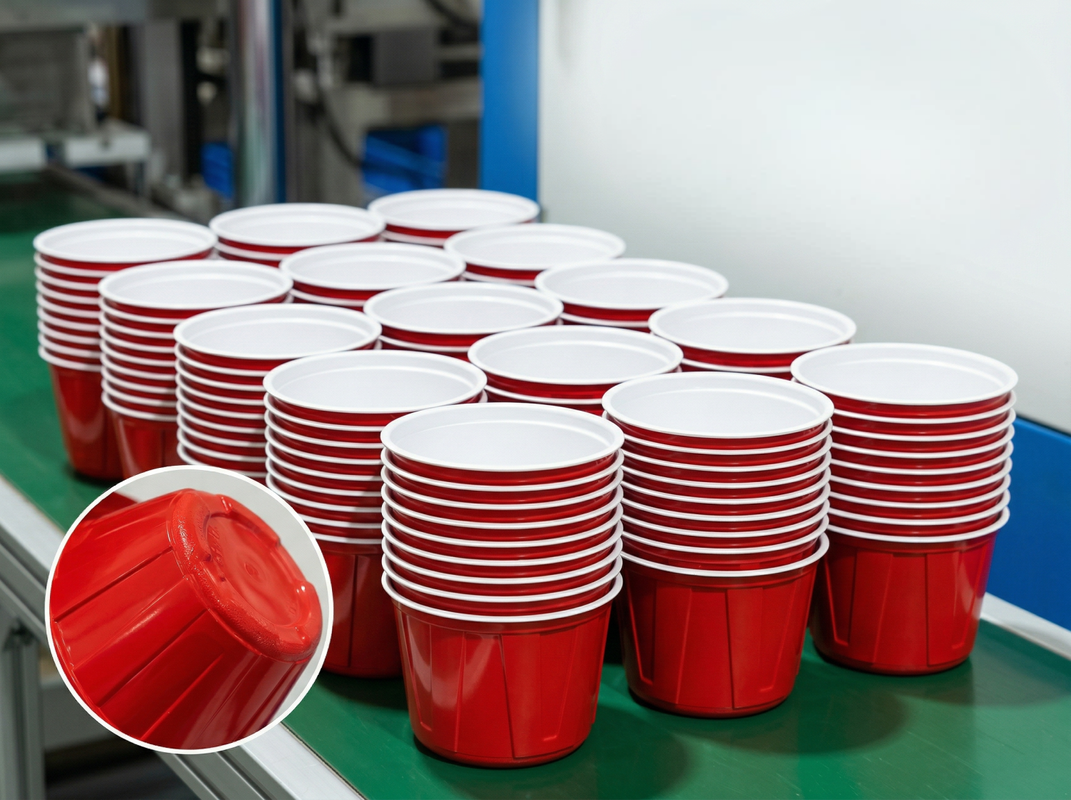
01 / MOQ
5,000+MOQ pro SKU
02 / PRODUKTLINIEN
5Produktlinien (PP / MFPP / PET / IML / Biologisch abbaubar)
03 / COMPLIANCE
6Compliance-Standards (FDA / EU / LFGB / GB / Prop 65 / BSCI)
04 / VORLAUFZEIT
3 60 TageLieferzeit (Aufbewahrung in Sonderformen)
Händler, die Großbestellungen für Lebensmittelbehälter aus Kunststoff aufgeben, stoßen immer wieder auf das gleiche Hindernis: Der US-Vertriebskatalog beginnt mit Preisnachlässen für Großpackungen von 240 oder 500 Einheiten, die Mindestbestellmenge, die für den kundenspezifischen Logodruck erforderlich ist, ist nicht leicht zu erkennen, die Vorlaufzeit beträgt “fragen Sie nach dem Verkauf”” und niemand wird Ihnen sagen, was auf Harzebene passiert. Lebensmittelbehälter aus Kunststoff mit Deckel sind nicht mehr als handelsübliche Kunststoffwannen, -schalen und -muscheln, die von einem aufklappbaren oder separaten Deckel umgeben sind. Die Logistik dahinter liegt jedoch nicht bei den meisten Kaufentscheidungen.
Dieses Muster ist strukturell Ein zuverlässiger Hersteller von Lebensmittelbehältern benötigt drei Elemente, die als eine – Volumenprojektion, konsistente Wiederauffüllung und disziplinierte Vorlaufzeiten funktionieren. „Ein Hersteller von Lebensmittelbehältern und die meisten US-Händler halten nur die letzten 100 Meter dieser Kette. Sie verteilen neu, was ein AmerCare, Pactiv Evergreen, Karat oder chinesische OEM-Drittanbieter hergestellt haben, markieren es und bieten dann wiederum die Inflexibilität an. Wenn Ihre Bestellung direkt an die Fabrik geht, werden die Stückpreise niedriger, die Mindestbestellmengen werden auf der Grundlage der tatsächlichen Rohstofftonnage verhandelbar und die Vorlaufzeit hört auf, ein Mystery-Box zu sein „Es wird zu einem Extrusionsplan.

Wanhui arbeitet seit zwanzig Jahren an diesem Zeitplan. Zwei Jahrzehnte lang haben wir durch die Entwicklung von Essensboxen, Schüsseln und Einwegbehältern unser MOQ frei veröffentlicht, jeden Schritt von der PP-Bogenextrusion über die Formung von Deckel bis hin zur Verpackung von Kisten selbst in uns geführt, und unsere Angebotsdokumentation sieht weniger wie eine Markup-Liste und eher wie ein Produktionsplan aus Die folgenden Abschnitte zeigen, was dazu führt, dass wir über sechs Produktlinien, sechs Zertifizierungen, eine maßgeschneiderte Form und IML-Druckkapazität sowie eine Beschaffungsplattform für Gastronomiekunden mit Zehntausenden oder Hundertmillionen pro Gebäude verfügen.
20
Jahre Betrieb
6
Produktlinien
6
Zertifizierungen
1
Benutzerdefinierte Form/IML
[SYS-02] EN · PROC
Die Wanhui-Produktlinie, Material, Lebensmittelbehälter nach Größe und Stil
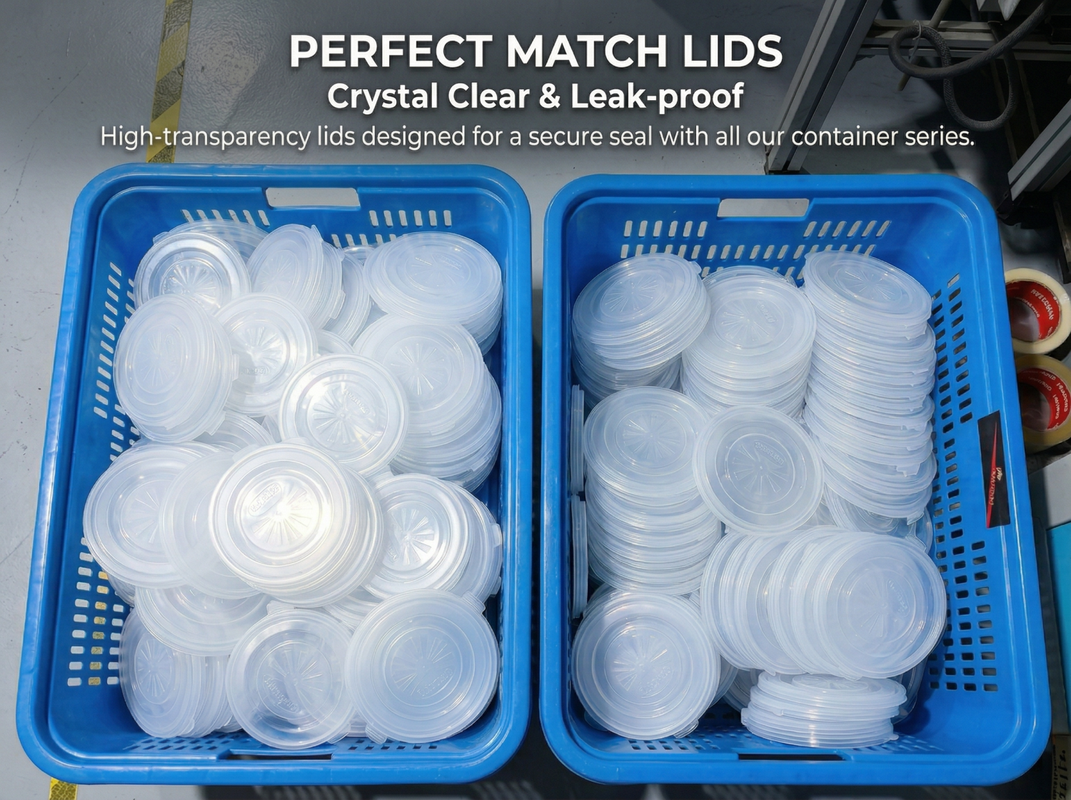
Der Wanhui-Katalog umfasst fünf Bereiche, die jeweils für einen einzigartigen Foodservice-Einsatz entwickelt wurden. Finden Sie die Serie, die Ihrer Heißfülltemperatur, Transparenz und Wirtschaftlichkeit der Gehäusepackung entspricht. Der Katalog umfasst Unzen-für-Unzen-Portionsgefäße, Pint- und Quarzvolumenbehälter, die zu nordamerikanischen Hotel- und Feinkostbeständen passen, und Optionen mit großer voller Kapazität. Und innerhalb der Größenmatrix hat jeder Bereich Optionen zwischen 8 Unzen und 38 Unzen, während die gesamte Charge so konzipiert ist, dass sowohl die Lagerung als auch die Lieferung von Rohstoffen oder Fertiggerichten möglich ist Jedes Schiff wird mit einem passenden Deckel geliefert, entwickelt und selbst geformt, sodass das Siegelprofil Ihnen gehört, nicht auf der Verpackung von Drittanbietern basiert.
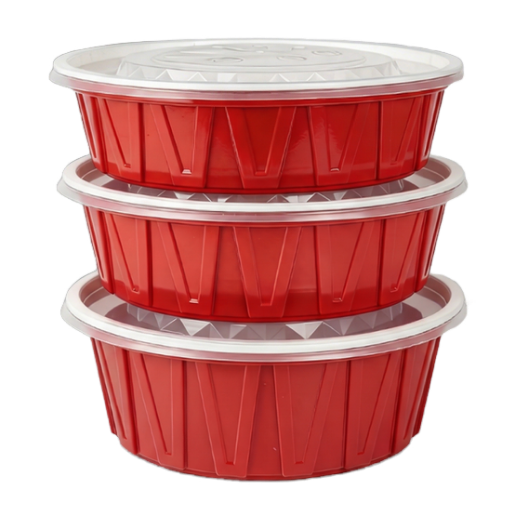
Premium Spritzguss PP
Hochwertiger PP-Lebensmittelbehälter
Klare, weiß-rot/weiß/schwarze Duoton-Karosserien in den Fassungsvermögen 8, 12, 16, 24 und 32 oz. Geschirrspüler, Mikrowelle und Gefrierschrank-sicher, entworfen, um zwischen Spülgängen für den Back-of-House-Thekenservice wiederverwendet zu werden, und entsprechend den Anforderungen von Gefrierschrank zu Mikrowelle. Richtet sich an Marken, die auf den Einzelhandel ausgerichtet sind, zum Mitnehmen und Umpacken, die ein erstklassiges Erscheinungsbild anstreben, über Palettenhöhen ohne Beschädigung stapelbar sind und hohe Nutzlasten tragen können Diese Behälter sind spülmaschinenfest und mikrowellenabwärmekompatibel über Spülzyklen hinweg, halten ihre Form unter Stapellast und bleiben wiederverwendbar für die lokale Lebensmittel-Portionierung.
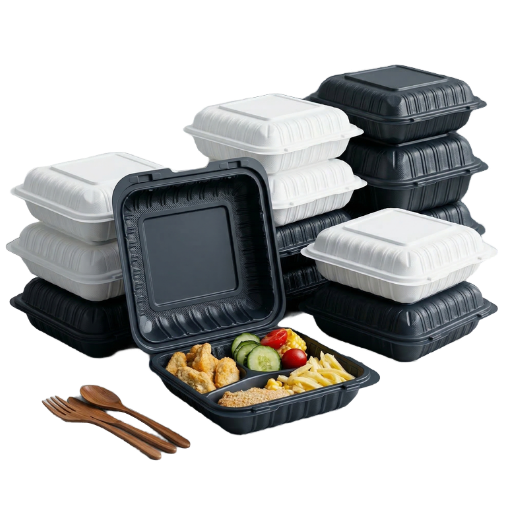
Einteilige geformte Muschel
MFPP-Lebensmittelbehälter mit aufklappbarem Deckel
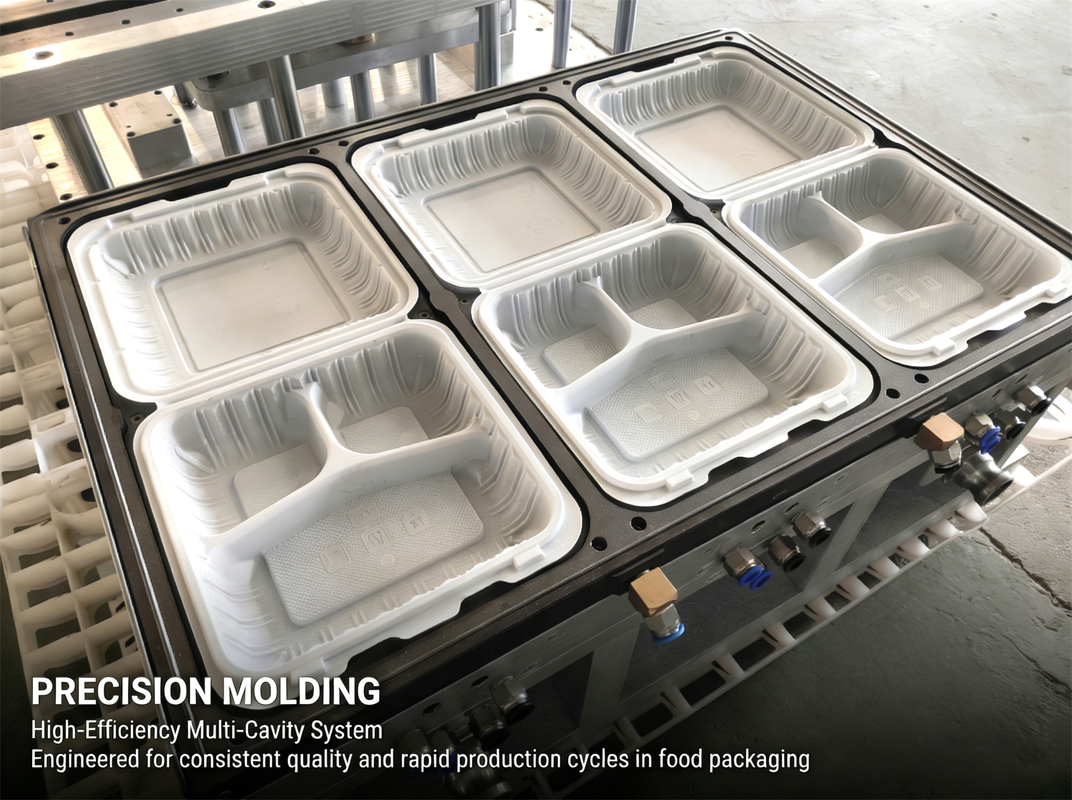
Einteiliger Formkörper mit einem lebenden Scharnierdeckel – zuverlässig durch Hunderte von Zyklen mit offenem Verschluss, kein separater Deckel, der auf Lager ist, keine Fehler beim Deckelwechsel am Verkaufsort. Perfekt für Kettenrestaurants und Lieferaggregatoren, die auf der Höhe des Dienstes keine Fehlzählungen verlangen. Kommt in 1-, 2- und 3-Fachoptionen. Haltbar über Hunderte von Zyklen mit offenem Verschluss, die Scharniergeometrie gilt sowohl für die Lagerung von Lebensmitteln als auch für die Übergabe von Lebensmitteln.
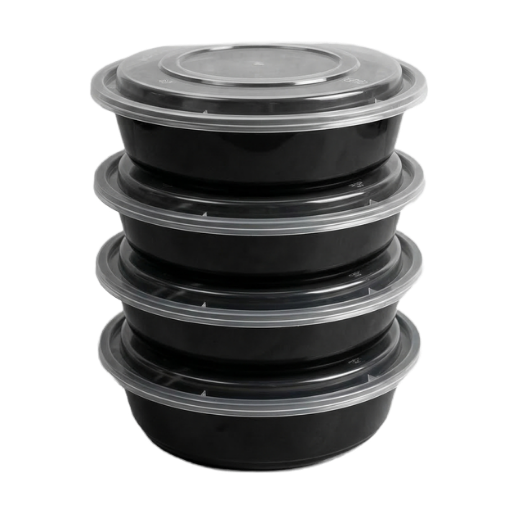
Klar oder schwarz rechteckig, 12 – 38 oz
Einweg-PPP-Ausnahmebehälter
Gleichmässige Entnahmebehälter zum Einmalgebrauch in Klar – oder Schwarzform mit Schnappdeckel Entwickelt für Zuschlagstoffe für die Lebensmittellieferung, bei denen ein schneller, sicherer undicht-fester Halt während der 30-minütigen Auto – oder Fahrradlieferung nicht verhandelbar ist Luftdichte Felgendichtung Validiert in einem gegengeformten umgekehrten Dichtheitstest vor jedem Kartonschiff Die Schnappdeckelgeometrie wird für umgekehrte Dichtheitsprüfungen validiert, bevor jeder Fall versendet wird.

PLA / bagasse kompostierbare Linie
Biologisch abbaubarer Behälter
Optionen für Zuckerrohr-Bagasse-Zellstoff, PLA und beschichtete Pappe für Beschaffungsteams, die nach kommunalen Kompoststandards oder markenähnlichen Nachhaltigkeitsversprechen arbeiten. Zu den Optionen gehören belüftete Kraftpappedeckel und PET-Flachdeckel.
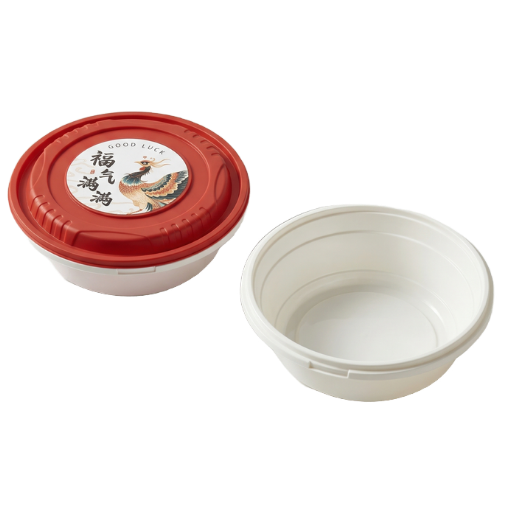
Markenprämie Foodservice-Verpackung
In-Mold Label (IML)-Behälter
Deckelbild und Seitenwanddruck werden Teil des geformten Kunststoffs selbst – immer pünktlich, ohne Schale, ohne Ausbleichen, ohne Wegwaschen. Wanhui IML MOQ von 30000/deisgn, was etwa 251 TP3T des 100000 MOQ-Datensatzes entspricht, den das größte nordamerikanische IML-Haus für Lagerbehälter veröffentlicht.
Material × Capacity × Lid Type Decision Matrix
| Material | Kapazitätsbereich | Deckeltyp | Heißfülltemp | Mikrowelle | Gefrierschrank | Am besten für |
|---|---|---|---|---|---|---|
| High-End-PP (injektionsgeformt) | 8 32 oz | Aufsteck-Flach – oder Kuppel, klar oder farblich abgestimmt | Bis zu 96 °C (behandeltes PP) | Ja | Ja | Premium-Einzelhandel, Essenszubereitungsmarken |
| MFPP (einteilig aufklappbar) | 12 38 oz | Integraler Wohnscharnierdeckel | Bis zu 96 °C | Ja | Ja | Kettenrestaurants, Lieferaggregatoren |
| Einweg-ppp | 12 38 oz | Snap-on klar / schwarz | Bis zu 96 °C | Ja | Ja | Einmalige, leckagegefährdete Routen |
| PET (sofern gewünscht) | 8 32 oz | Aufsteckbare klare Kuppel | Bis 85 °C (wärmebehandelt) | Nein | Ja | Kalte Salate, Obstbecher, Display |
| Bagasse-/PLA-beschichtete Pappe | 8 32 oz | Belüftete Kraft- oder PLA-Flachheit | Bis zu 95 °C (nur Sorten mit Ofenbewertung) | Begrenzt | Ja | Kompostierbare Mandate, Nachhaltigkeitsmarken |
| PS (Styropor, nicht zu empfehlen) | n/a | n/a | Nicht für warmes Essen empfohlen | Nein | Begrenzt | Wanhui produziert nicht nur zum Vergleich |
PROC · MGR
Großhandelspreise und Lieferzeit, MO-Direkte Transparenz des Herstellers
Wo Beschaffungsteams die Fragen nach Wanhui stellen “was ist der Stückpreis”wird selten zuerst gefragt. “Sie fragen”, “was ist das MOQ” und „was ist die Wende”, weil sie wissen, dass diese beiden Zahlen über die Menge an Traktion entscheiden, die sie in einem Deal haben werden. „Alle Kunststoff-, Polyethylenbehälter- und Lieferanten haben ein MOK. Ebenso ist die lohnenswerte Frage, wo diese Stufenstruktur der Realität entspricht und ob die Fabrik in der Lage ist, das Nachfragewindow zu erreichen, wenn sie durch eine regionale Markteinführung oder eine Produktinstallation festgelegt wird.
Wanhui veröffentlicht drei MOQ-Stufen, drei Turnaround-Stufen, die den drei Gründen für den Kauf eines Behälters für die Gastronomie zugeordnet sind: Vorrat-SKU-Aufstockung oder -Auffüllung, kundenspezifische Markenauflagen, spezielles geformtes Design. Der Stückpreis pro Schiff wird entlang der dreistufigen Dimension deutlich sinken, und die Prozesszeit kann entlang der Design- oder Anpassungsdimension deutlich ansteigen. Wenn Sie das Angebot aus der Fabrik erhalten, wird es ein Eintrag aus jeder Tabelle sein.
| Stufe | Was es abdeckt | Mindestbestellmenge (pro SKU) | Lieferzeit | Typischer Käufer |
|---|---|---|---|---|
| Tier 1 Stock SKU | Vorhandener Wanhui Katalogkörper + Deckel; kein Druck | 5.000 Einheiten | 3 7 Tage ab PO (vorbehaltlich Inventar) | Restaurants nachbestellen; Pilot kleiner Ketten |
| Tier 2, individueller Druck | Logo-/Markenkunstwerk, gedruckt auf dem Deckel oder über das In-Mold-Etikett | 30.000 Einheiten (IML: 30.000 pro SKU; Offset/Wärmeübertragung 5.000 10.000) | 15 25 Tage | Regionale Ketten; Lieferaggregatoren |
| Tier 3 Custom Form | Maßgeschneiderte Körpergeometrie oder Deckelprofil | 100.000 Einheiten nach dem Öffnen des Werkzeugs | 45 60 Tage für die erste Charge (inklusive Werkzeugausstattung) | Nationale Marken; Handel mit Eigenmarken |
[DATA.LOGISTIK] GÜTERVERKEHRSÖKONOMIE
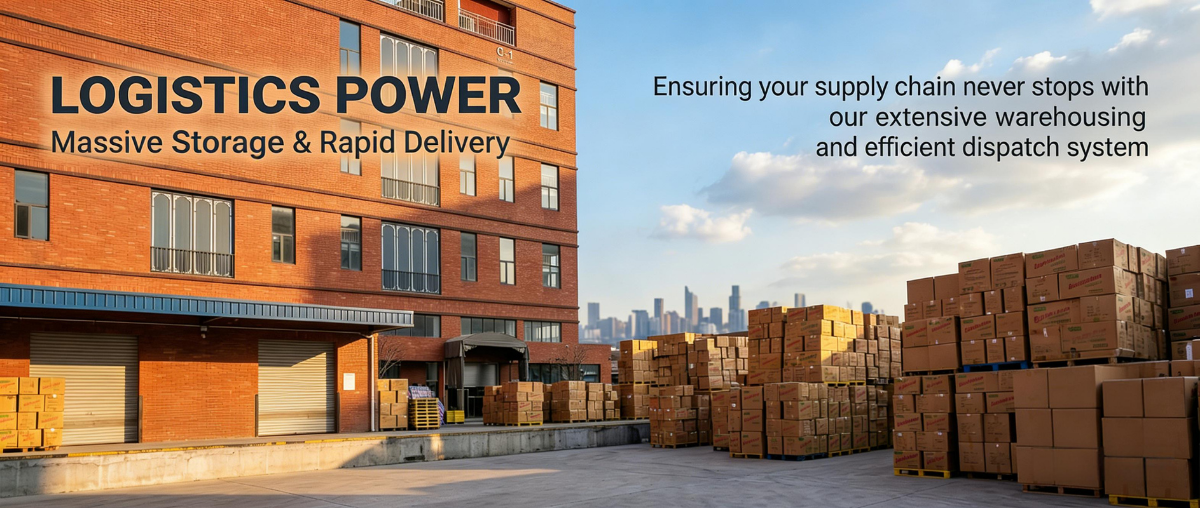
Die Preisgestaltung basiert auf echter Containerlastökonomie und nicht auf gewichts-/volumenbasierter Preisgestaltung. FOB Qingdao-Preise sind für einen kompletten 40′-Container verfügbar (normalerweise 80.000-120.000 fertige Einheiten, abhängig von der SKU-Geometrie); CIF- und FCA-Preise sind auch bei Erstkäufern verfügbar, die die Leistung testen möchten, bevor sie sich auf einen FCL festlegen; und weniger als Containerfracht (LCL) steht Erstkäufern in den USA zur Verfügung, die Qualität und Preisverhältnis validieren möchten, bevor sie auf eine größere Menge springen. Zum Vergleich verfügt der größte nordamerikanische IML-M-M-M-Mill-Mill-Mill-2-Mill-Mill-Mill-Mill-Millar-S-Soll-S-S-Soll-3.
Preisfaktorrahmen
Es gibt sechs Faktoren, die den Preis pro Einheit für einen Großhandel mit Kunststoffbehältern mit Deckeln bestimmen. Angebot:
- Harzqualität (Homopolymer in Lebensmittelqualität versus Copolymer PP)
- Farbanpassung (klar, einpigmentiert, individuelles Pantone)
- Wandstärke und maximale Stapelbelastung
- Deckelaufsatz (abgenommenes Schnapp-On, integriertes Scharnier)
- Druckpfad (unbedruckt, Offset, Wärmeübertragung, Sieb, IML)
- Incoterm (FOB Qingdao versus CIF-Einreisehafen)
Das Angebotsblatt listet alle Faktoren explizit auf, die Beschaffungsteams im Vergleich zu einem US-amerikanischen Distributor-Case-Pack-Benchmark vergleichen können.
ERHALTEN SIE EIN TIER-ANGEBOT MIT IHREM SKU-MIX
[SYS-03] PROC · MGR · EN
Wanhui US-Verteiler vs. US-Kundenspezifischer Konverter „How Sourcing Path Res Res Res Res Economics
In den USA ansässige Beschaffungskäufer, die darüber nachdenken, ob sie weiterhin bei einem US-Händler einkaufen oder direkt bei einem Hersteller einkaufen möchten, führen eine Berechnung der Gesamtanlandekosten durch, keinen Aufkleber-Preis-Vergleich. Idealerweise lautet die richtige Antwort: Der richtige Weg für Sie hängt davon ab, wie viel monatliches Volumen Sie voraussichtlich versenden werden, ob Sie eine Anpassung benötigen und inwieweit Sie das Nachfragefenster vorhergesehen haben. Es gibt keine einheitliche Antwort. Unser untenstehendes Raster zeigt die drei realistischen Beschaffungsalternativen anhand der Variablen, die die Entscheidung beeinflussen.
| Beschaffungspfad | Min-bestellung | Logo-druck | Benutzerdefinierte Form | Preisbasis | Lieferzeit | Ideales Volumen |
|---|---|---|---|---|---|---|
| Wanhui (Mfg-Direct) | 5.000 / Artikelnummer (Lagerbestand); 30.000 (Zolldruck); 100.000 (Zollform) | Eigener Offset, Wärmeübertragung, Sieb, IML | Inhouse Werkzeugdesign + Produktion | FOB Qingdao FCL-Container; CIF auf Anfrage | 3 60 Tage je nach Stufe | Mittlere bis große Neuordnung; regionale und nationale Rollouts |
| US-Händler (Cibowares, ePackageSupply, Papermart, WebstaurantStore-Klasse) | Kofferpackung: 240 / 500 / 1.000 Einheiten | Normalerweise nicht verfügbares Repackager-Modell | Nicht verfügbar | Pro-Case USD, Lagerbestand | Schiff am selben Tag aus US-Lager | Kleinvolumige Nachbestellung; Pilotstarts; Notfallnachschub |
| Benutzerdefinierter US-Konverter | 50.000+ für gedruckte oder geformte Auflagen | Externer Druckpartner (hinzugefügtes Markup) | Externe Werkzeugbauwerkstatt | Premium-Inlandspreisgestaltung | 60 90 Tage; Die Werkzeugausstattung beträgt 6 bis 10 Wochen | Markenschutzvolumina; schnelle Reaktion auf Rückrufszenarien |
TCO-Snapshot
SILBERNE STUFEWanhuis stärkste Argumente dafür, dass er tiefer in die Preisgestaltung von Paketen gesunken ist, die niedriger als der Fall sind, als ein Händler erwarten könnte, beruhen auf drei Schlüsselfaktoren:
- (a) Die niedrigeren Kosten pro Einheit auf jeder Volumenstufe oberhalb des Gehäusepackungsschwellenwerts, da es entlang der Kette keinen US-Repacker-Aufschlag gibt,
- (b) Die Flexibilität auf der 5.000-Einheiten-Stock-SKU-Ebene liegt weit unter den Kosten für die Kofferverpackung, die ein US-amerikanischer Custom-Konverter angeben würde, und
- (c) Der Wert eines neuen maßgeschneiderten Marken-Property-Konzepts wie IML, In-Mould-Label und integralem Farbabgleich, das in einem Vertriebskatalog einfach nicht vorhanden ist.
Ein Gesamtvergleich der angelandeten Kosten (Produktherstellungskosten + Seefrachtkosten + Einfuhrzoll + Zollmaklergebühren) dürfte bei anhaltendem Monatsvolumen im Bereich eines 40-Fuß-Containers wettbewerbsfähiger werden als ein Vertriebshändler-Case-Pack-Programm, wobei die Summe pro Einheit bei größeren Bestellmengen steigt Der genaue Break-Even-Punkt hängt von den Harzpreisen, den Seefrachtkosten und den Bestimmungszollsätzen ab; Im Preisblatt von Wanhui wird erläutert, wie die Berechnung mit Ihrem realen Wert erfolgen soll.
Laufvergleich
PROC · EN
Compliance-Stack der Lebensmittelklasse, Zertifizierungen und regulatorische Abdeckung
Die Nr. 1 zitierte Komponente, die Beschaffungsentscheidungen für Großhandelsbehälter aus Kunststoff vorantreibt, die für den Lebensmittel-/Kontaktgebrauch gekauft werden, ist eine bestätigte Zertifizierung der Einhaltung der Lebensmittelsicherheit “6”und der Satz „FDA-zugelassen” ist bestenfalls ein absolutes Minimum. Jedes PP-Harz in Lebensmittelqualität, das von einem der weltweit dominierenden Polyolefinlieferanten hergestellt wird, entspricht Abschnitt 21 CFR 177.1520 des US-amerikanischen Food and Drug Administration-Verordnungskodex für Olefinpolymere in Lebensmittelkontaktartikeln. Die relevantere Frage: ob Ihr ausgewähltes Harz, Ihre Additivverpackung und Ihre Fertigwaren erfüllen alle regulatorischen Anforderungen für Ihre Zielmärkte.
Alle Wanhui-Lebensmittelkontaktleitungen bestehen sechs Standards PP-Homopolymerharz für unsere Premium – und Einweglinien hat einen 21 CFR 177.1520 (c) Artikel 1.1, und das Copolymerharz, das auf MFPP einteilige Scharnierbehälter 21 CFR 177.1520 (c) Artikel 3.1 a. Polypropylen erscheint auch im FDA CFSAN Indirect Additives Inventory für das CAS 9003-07-0.
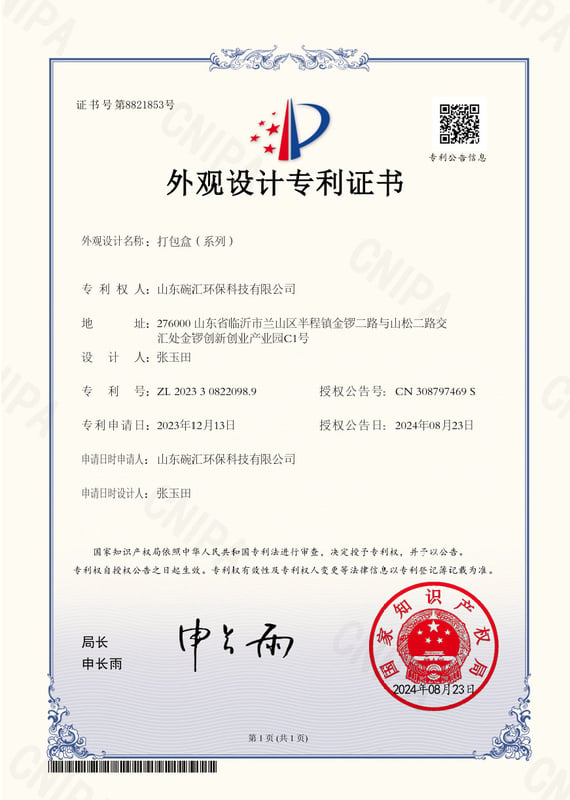
[DATEN.DOCS] WERKSANMELDEINFORMATIONEN
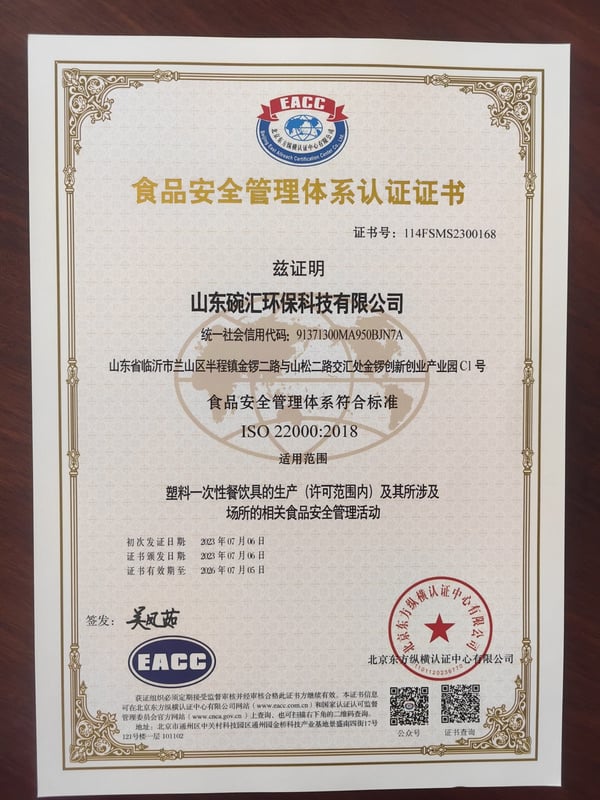
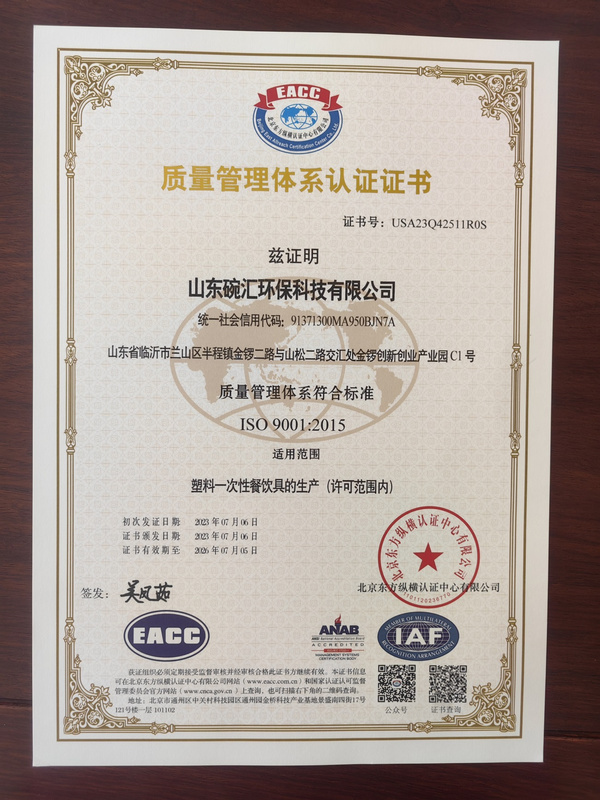
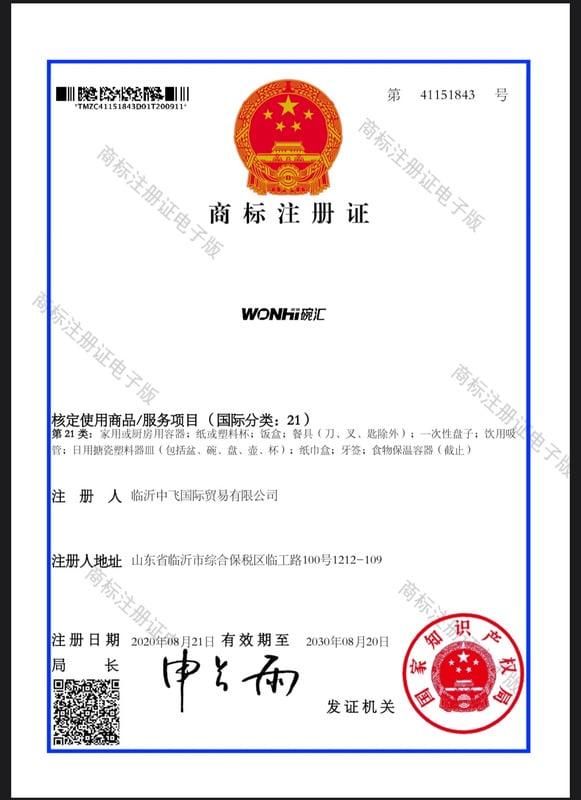
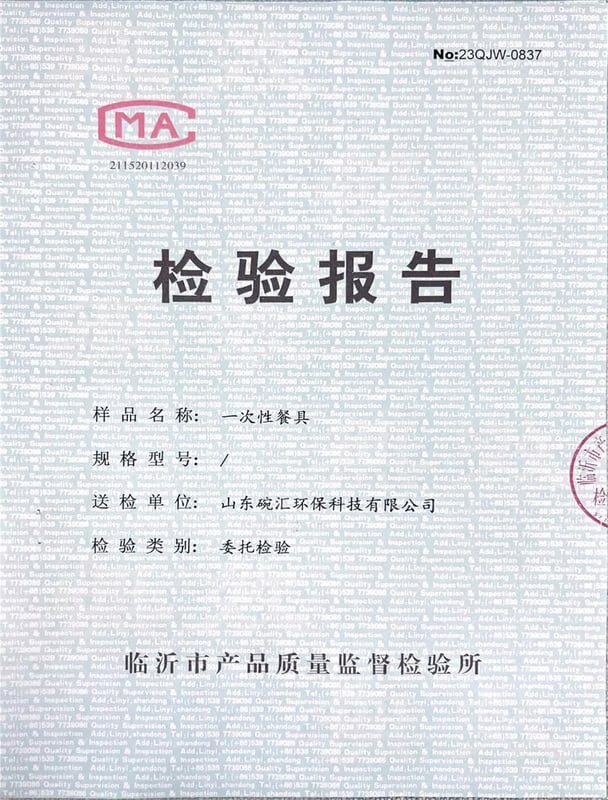
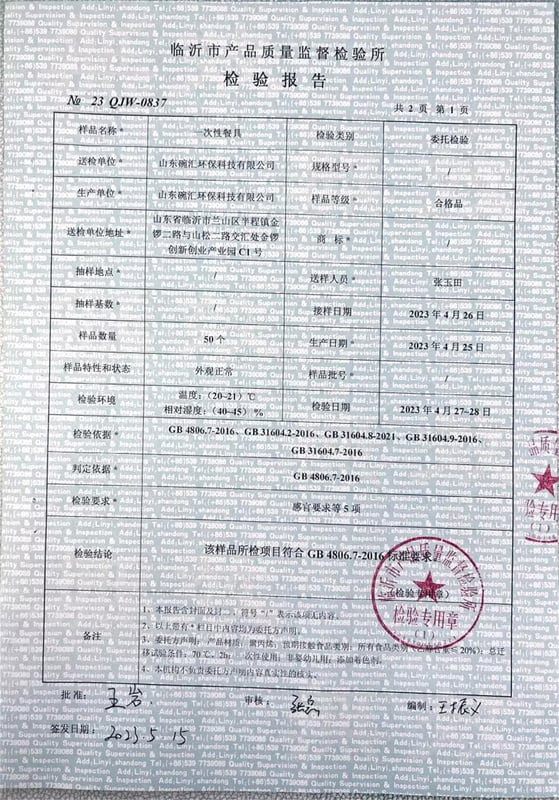
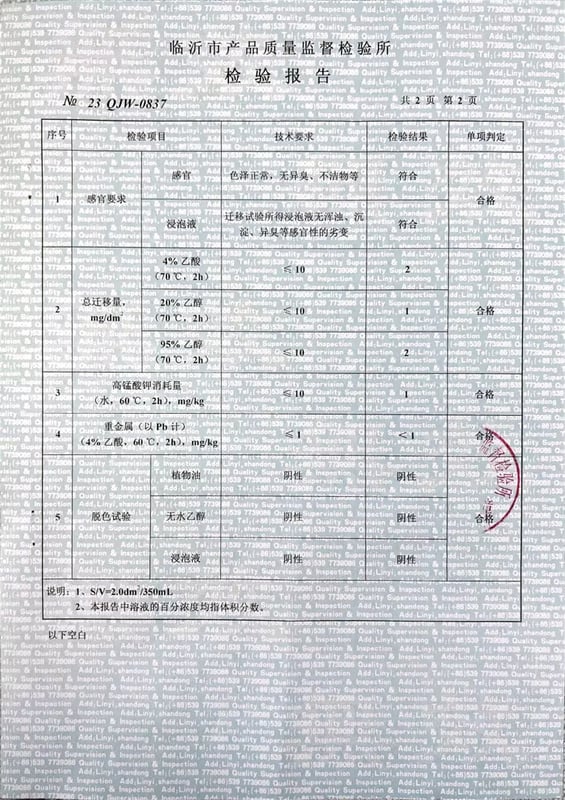
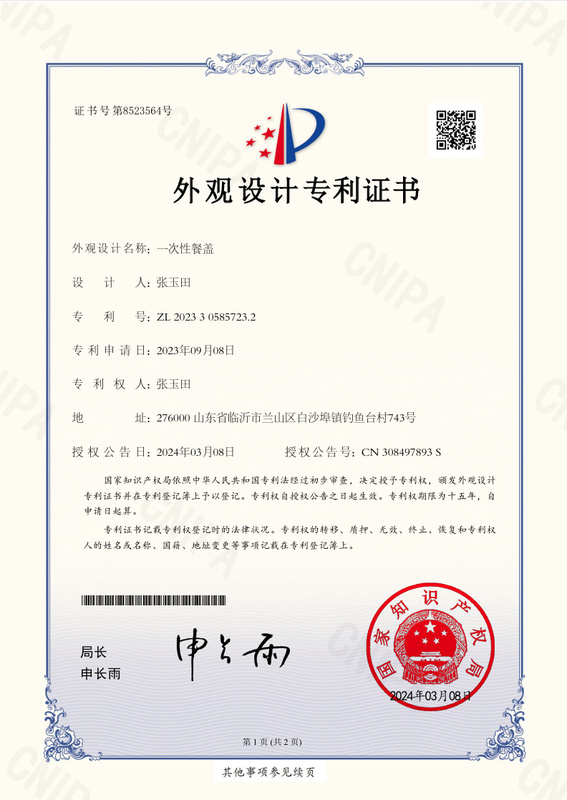
01
FDA 21 CFR 177.1520
US-amerikanische Olefinpolymere mit Lebensmittelkontakt Homopolymer Punkt 1.1 und Copolymer Punkt 3.1 a Abdeckung für vollständigen PP-Katalog.
02
Verordnung (EU) 10/2011
10 Milligramm pro ’Dezi-m’ Gesamtmigrationsgrenze (~60 mg/kg Lebensmittel für eine kubische 1-kg-Packung) Anhang I Positivliste der zugelassenen Monomere und Zusatzstoffe.
03
LFGB §§ 30 / 31
Deutsche Lebensmittel- und Futtermittelordnung – Sensorik- und Migrationstests für Lebensmittelkontaktmaterial auf EU-Ebene eingestellt.
04
GB 4806,7-2016
Nationaler chinesischer Standard für Lebensmittelkontaktmaterial aus Kunststoff – Grundlinie für jeden Container, der Wanhuis Einrichtung verlässt.
05
Kalifornischer Vorschlag 65
Kalifornischer Vorschlag 65 Chemisches Offenlegungsprogramm – Wanhui trägt auf jedem Kunststoffbehälter, den es für den US-Markt herstellt, eine Prop 65-Erklärung.
06
BSCI / Sedex Social Audit
Ausländische Fabrikaudits – Arbeits-, Gesundheits- und Sicherheitspraxis, Umweltpraxis. Wenn der Prüfpfad auf die Fabrik zurückgeht, auf der die Entscheidungen eines Beschaffungsteams basieren.
MGR · EN · ERGEBNISSE
Kundenergebnisse „Restaurants, Liefermarken und Kantinen
Die fünf Märkte, die das höchste Wanhui-Großhandelsvolumen generieren, stoßen alle auf die Beschaffungsfrage, wie man Lebensmittelverpackungen an Hunderten von Servicepunkten wirklich konsistent macht und gleichzeitig die Einheitsökonomie beibehält, die einen großvolumigen Foodservice-Betrieb realisierbar macht. Ein Raster auf der folgenden Seite zeigt, wie jede Branche das Angebot von Wanhui nutzt, und zwar anhand des Prismas dessen, was sich in ihrem Verpackungsprozess verändert hat, als sie sich von einem Multivertriebsnetzwerk entfernte.
01
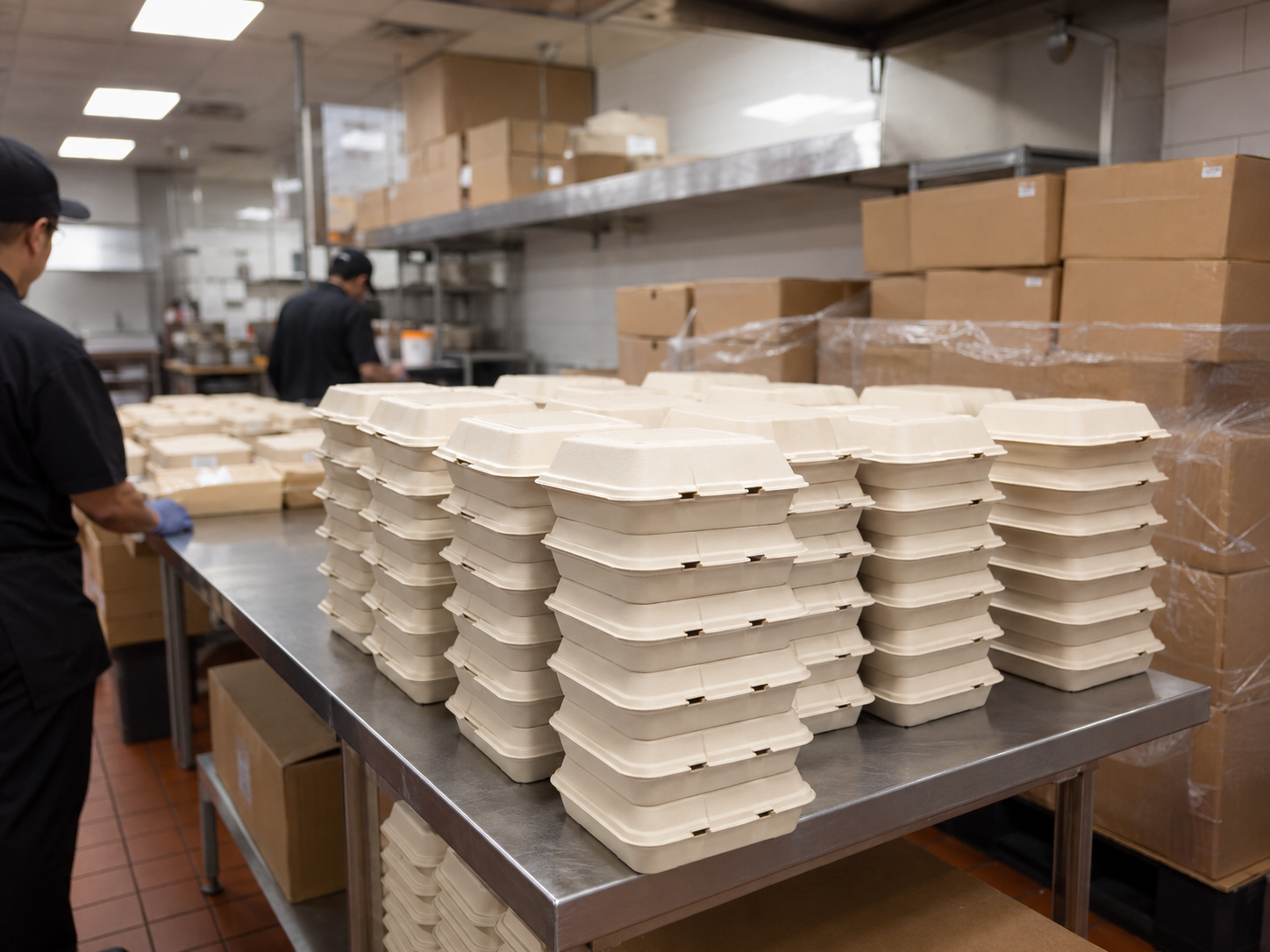
Kettenrestaurants
Hochvolumige standardisierte SKU-Rollouts
Einzelne Wanhui-SKU wird problemlos für eine regionale Kette eingesetzt und bestellt 600.000 MFPP-Einträge mit Klappdeckel pro Monat, umgeblasen. Zuvor über eine Gruppe von fünf vertrauenswürdigen Händlern, die Deckel und Karosserie-Mismatches lieferten, inspirierte wöchentliche Kundenbeschwerden. Standardisierte Kofferpackungsgrößen führen dazu, dass Empfangsteams nicht mehr überprüfen, welcher Deckel zu welchem Körper passt.
02
Lebensmittellieferaggregatoren
Marken-IML-Clamshell-Rollouts
Eine Liefermarke gibt IML-gedruckte Muscheln in einem sechswöchigen Werkzeug- und ersten Produktionszyklus in Auftrag. Die Deckelgrafik bleibt nach dem Geschirrspülgang, der Freilegung des Gefrierschranks und dem Einknicken auf die Rückseite eines Fahrrads intakt, da sich die Grafik innerhalb des Produkts befindet und nicht über das Etikett am Produkt befestigt ist.

03
Krankenhaus- und Schulkantinen
PS-zu-PP-Compliance-Migration
Ein institutioneller Caterer generiert eine Migration von Schaum (PS #6) zu PP, nachdem die jährliche Compliance-Überprüfung des Beschaffungsteams das Risiko der California Proposition 65 sowie die umfassendere Migration weg von Polystyrol in der kommerziellen Gastronomie bekannt gibt. PP bietet vergleichbare Stückkosten auf der Volumenebene und besteht jede einzelne Zertifizierungslinie.
04
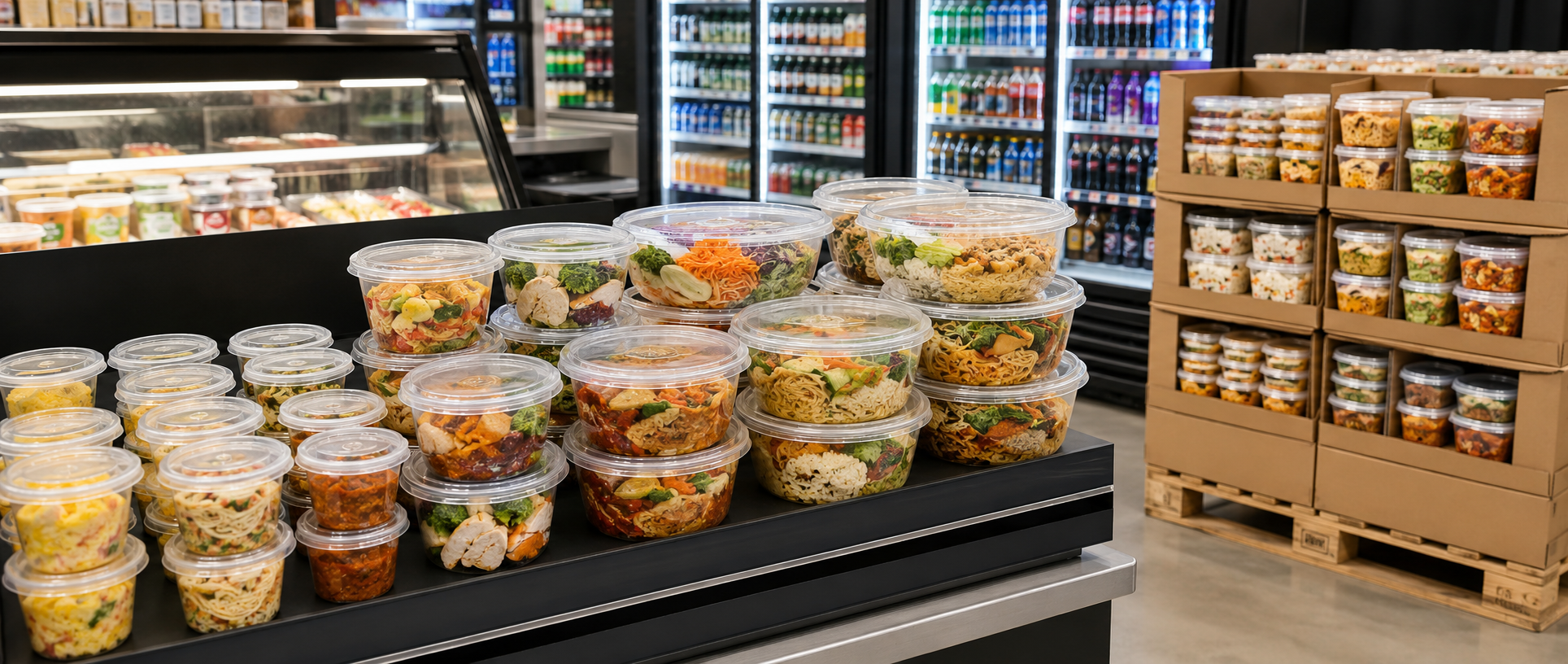
Convenience-stores
Multi-Size-Grab-and-Go-Familie
Eine nationale Convenience-Store-Kette betreibt eine 8/16/32 Unzen PP-Familie auf der Prepd-Food-Bar, die sich eine einzelne Deckelgeometrie über zwei Körpergrößen hinweg teilt. Eine Palette gemischter SKU-Behälter ersetzt drei Paletten nicht übereinstimmenden Händlerbestands.
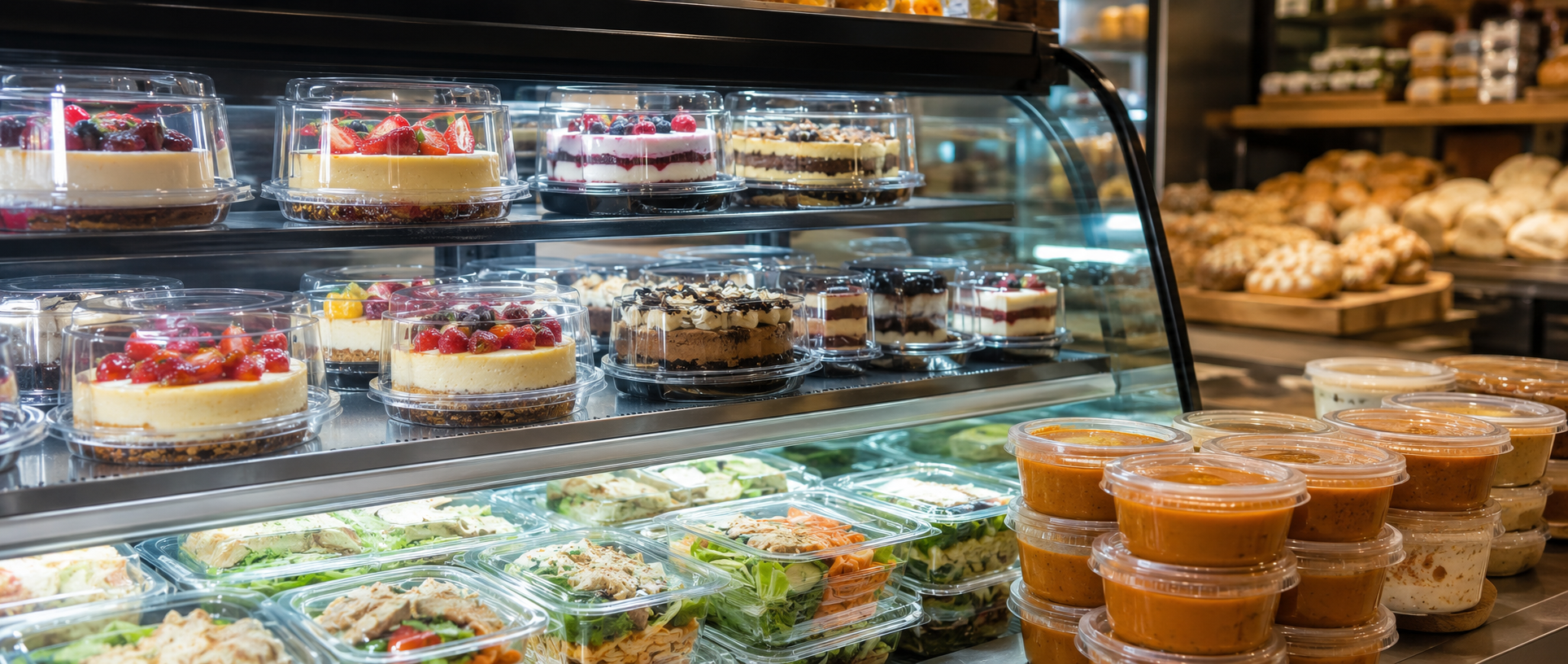
05
Bäckerei- und Feinkostbetreiber
Zeigen Sie die klare PET-Linie des Produkts an
Chilled ist eine Bäckereigruppe, die die gleiche klare PET-Patrone für gekühlte Käsekuchen und die gleiche PP für heiße Suppen beschafft. Derselbe Lieferant 2 Materialien 1 PO. Verbessertes visuelles Merchandising im gekühlten Display verbessert; Transparente Packung unten am Schalter.
[SYS-04] MGR · PROC
Benutzerdefinierte Branding- und Formentwicklung, Wanhui-OEM-Funktionen
Markeninhaber, die bereit sind, kundenspezifische Lebensmittelbehälter aus Kunststoff zu kaufen, treffen vor Erhalt eines Angebots auf eine fünfdimensionale Matrix, in der Materialqualität, Druckmethode, Menge, Vorlaufzeit und Werkzeugkapital die Achsen einnehmen¹. Wenn Sie nur bei 1 falsch wählen, breitet sich der Welligkeitseffekt auf die anderen 4 aus! Die OEM-Spezifikationsmatrix, die wir verwenden, um neue Markencontainerkunden durch ihren ersten Angebotszyklus zu führen, finden Sie unter²:
Wanhui Kunststoff Lebensmittelbehälter OEM-Auswahlmatrix
| Dimension | Konservativer Weg | Standardpfad | Premium-pfad |
|---|---|---|---|
| Material | PP (klar oder einfarbig) | MFPP Einteiliges Scharnier oder PET | IML PP oder PLA / Bagasse für Nachhaltigkeitsmarke |
| Druckmethode | Wärmeübertragung auf dem Deckel (5.000 MOQ) | Auf Deckel versetzt (10.000 MOQ) | In-Mold-Etikett (30.000 MOQ pro Design) |
| MOQ-Ebene | 5.000 Lager-SKU | 30.000 Sonderdrucke | 100.000 Sonderanfertigungen |
| Lieferzeit | 3 7 Tage ab PO | 15 25 Tage | 45 60 Tage (inkl. Vorbereitung) |
| Werkzeugkapital | Verwenden Sie vorhandene Formen | Bestehende Form ändern | Öffnen Sie eine neue Form (Wanhui amortisiert Werkzeuge für engagierte Käufer mit mehreren Zyklen) |
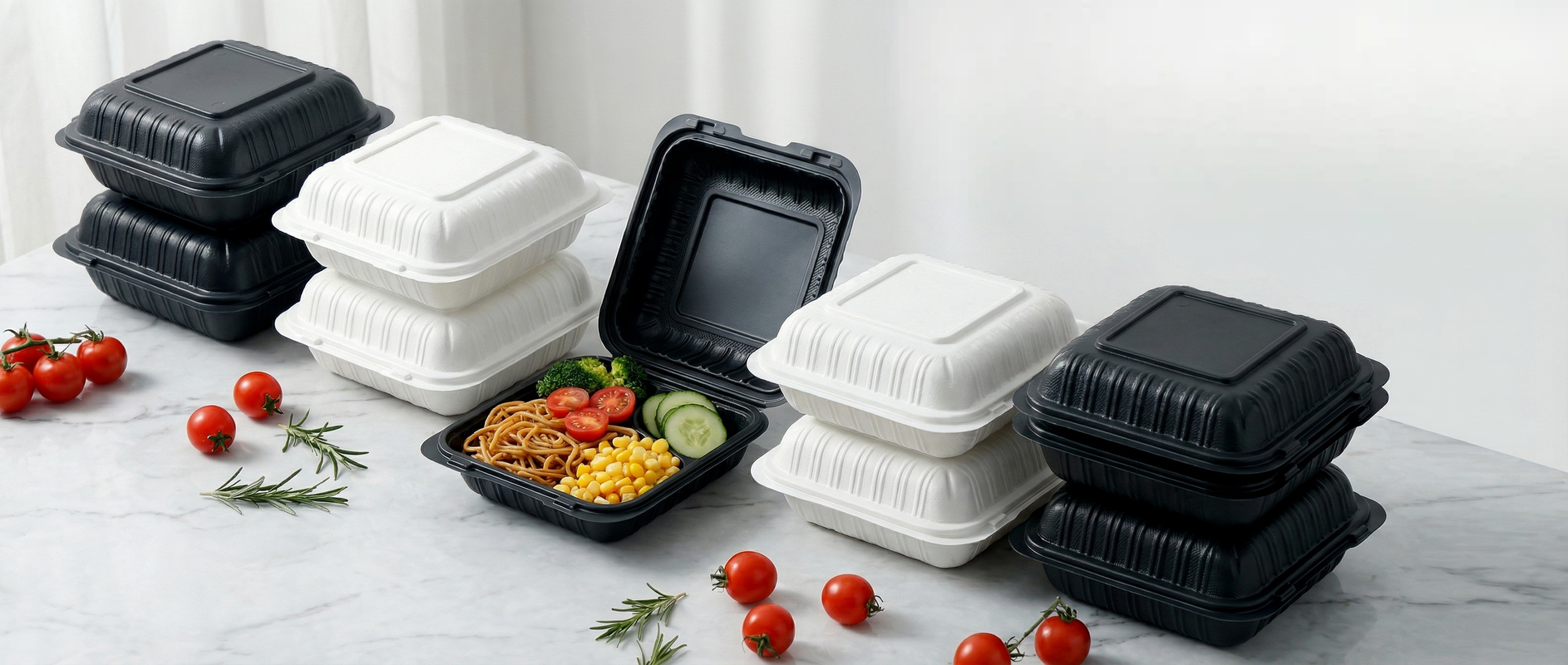
Bewegen Sie den Mauszeiger, um Erzählungen zu lesen
Die regionale Liefermarke Ein Käufer, der eine regionale Liefermarke startet, kann die Standard Path 25 Tage Vorlaufzeit erreichen. Eine nationale Marke, die ihre Verpackungsidentität schützt, gelangt auf den Premium-Pfad. Die meisten Piloten beginnen auf dem konservativen Weg.
Vier Produktionswege sind in der gleichen Reihenfolge der Wiedergabetreue wie 1-4 oben möglich: versetzt auf dem Deckel (Höchsttreue-Vermächtnis), In-Mold-Etikett oder IML (der Druck ist mit dem geformten Kunststoff verschmolzen und wird nie delaminiert), Wärmeübertragung (am flexibelsten, kostengünstiger für kleine Auflagen), Siebdruck (günstigster pro Stück für Einzelpigment-Kunstwerke), Pantone-Farbanpassung in jedem Angebot enthalten, bei dem die Wiedergabetreue zur Markenfarbe wichtig ist.
Wanhuis In-Mold-Label MOQ 30.000 pro Design – materiell enger als die veröffentlichten 100 K-Einheiten des größten nordamerikanischen IML-Containerhauses, was Regional- und Liefermarkenpiloten ohne übermäßige Werkzeuginvestitionen finanziell profitabel macht.
Laden Sie das PDF zur OEM-Auswahlmatrix herunterInteraktive Beschaffungs- und Engineering-Tools
01
Kunststoffbehälter MOQ & Vorlaufzeit Rechner
Start-tool
02
PP vs. PET vs. Beutelklasse, Auswahl von Lebensmittelservicematerialien
Start-tool
03
Wanhui OEM-Pfadempfehler
Start-tool
ALLE KÄUFER
Häufig gestellte Großhandelsfragen
Wie hoch ist Ihr MOQ für Großhandel Kunststoffbehälter mit Deckel?
Das MOQ von Wanhui ist nach der Art, die Sie bestellen, gestaffelt. Die Bestellungen der Standard-SKU (bestehender Katalogkörper/Deckel, kein Druck) betragen 5.000+ Stück pro Sku; Die Sonderdruckauflagen betragen 30.000+ für das In-Mold-Etikett und 5.000-10.000+ für den Offset- oder Wärmeübertragungsdruck auf dem Deckel. Kundenspezifische Formprojekte betragen 100.000+, sobald die Form in Betrieb ist. Jedes Zitat bezieht sich auf 1 Zeile der MOQ-Stufentabelle oben.
Bieten Sie individuellen Logodruck auf Kunststoff-Großbehältern an?
Ja sechs Produktionspfade: Versatz auf Deckel, Wärmeübertragung, Siebdruck und In-Mold-Etikett (IML). Pantone-Farbabstimmung ist enthalten. Damit das Kunstwerk spülmaschinen-, gefrier- und mikrowellenfest ist, verwenden Sie den Pfad von IML; Für Piloten mit geringer Stückzahl ist entweder Offset oder Wärmeübertragung der wirtschaftlichste Einstiegspunkt.
Wie sind Ihre Vorlaufzeiten für 32 oz Kunststoffbehälter mit Deckel im Großhandel?
Lager SKU 32 oz Bestellungen versenden in der Regel 3-7 Tage von PO abhängig vom Laufbestand Custom-print 32 oz Durchläufe sind in der Regel 15-25 Tage ab Artwork Genehmigung Custom-mould (neue Karosserie, Deckelgeometrie) läuft 45-60 Tage für erste Charge, Werkzeugzeit ist bereits in diesen Zahlen enthalten.
Sind Ihre Lebensmittelbehälter von der FDA zugelassen?
Die PP-Lebensmittelbehälterleitungen von Wanhui erfüllen FDA 21 CFR 177.1520 2.6 die Kapitel des US-amerikanischen Code of Federal Regulations in Bezug auf Olefinpolymere in Lebensmittelkontaktartikeln. PP-Homopolymerharz gemäß Absatz (c) Punkt 1.1, Copolymerharz, das in MFPP-Scharnierbehältern verwendet wird, entspricht Absatz (c) Punkt 3.1a. Polypropylen erscheint im FDA CFSAN Indirect Additives Inventory (Quelle) unter CAS 9003-07-0. Unter den Leitlinien der FDA für Olefinpolymere ist keine Prüfung der Endverwendungsartikel erforderlich, wenn das Harz den Polymerspezifikationen entspricht, aber Wanhui verfügt über Migrationstestberichte zu fertigen Artikeln, die in der EU und anderen Märkten verwendet werden.
Kann ich eine Mischung aus Größen (8 oz / 16 oz / 32 oz) in einer Containerladung bestellen?
Ja – Selbst ein einzelner 40-Fuß-FCL (Vollcontainerladung) transportiert typischerweise 80.000-120.000 fertige Einheiten in einer Mischung aus SKUs. Es ist nicht ungewöhnlich, dass Convenience-Store-Ketten und Liefermarken, die eine Multisize-Familie betreiben, gemischte SKU-Ladungen von FCL wie folgt versenden. Jedes Angebotsblatt schlüsselt den Stückpreis nach SKU auf und der vollständige Containerverpackungsplan wird in der Body/Lid-Verteilungsmatrix erfasst.
Versenden Sie in mein Land und welche Incoterms-Optionen gibt es?
Wanhui exportiert derzeit nach Europa, Amerika, in den Nahen Osten, in den asiatisch-pazifischen Raum und nach Südamerika. Der Preis ist FOB Qingdao für FCL-Containerladungen. Auf Anfrage können CIF- (Kosten, Versicherung, Fracht) und FCA-Angebote (freier Spediteur) angegeben werden. Es stehen erstmals Sendungen mit weniger als Containerladung (LCL) zur Verfügung. Käufer führen vor FCL-Verpflichtungen eine Qualitätsvalidierung durch.
Was ist der Unterschied zwischen PP und PET für Heißnahrungsanwendungen?
Polypropylen (PP, #5) ist aufheiztolerant (bis zu etwa 96 C für die behandelte Sorte) und ist der Kunststoff der Wahl für mikrowellengeeignete und mikrowellengeeignete Gastronomiebehälter; PET (#1) ist aufheiztolerant (ungefähr 85 C für wärmebehandelte Sorten), sollte jedoch nicht in der Mikrowelle erhitzt werden. Die von der Industrie veröffentlichten Leitlinien sind in diesem Punkt einheitlich: Für Aufheiz- und Mikrowellenaufheizanwendungen verlassen Sie sich auf PP; Für die Kaltanzeige und die Transparenz im Einzelhandel verlassen Sie sich auf PET. Unsere Wanhui-Entscheidungsmatrix oben in H2-2 spiegelt dies wider.
Wie ist der einteilige Klappdeckel von MFPP im Vergleich zu zweiteiligen Feinkostbehältern?
Ein zweiteiliger Deli-Container wird als separater Körper und Deckel versendet, die in der Lieferkettenlogistik miteinander verkeilt werden müssen. Ein einteiliger MFPP-Scharniercontainer verfügt über ein Wohnscharnier zwischen den Karosserie- und Deckelformen, die eine integrale Einheit darstellen. Der Deckel ist dauerhaft Teil des Körpers, passend geformt und es gibt keine separate Deckel-SKU zum Warenkorb oder Inventar in der Vertriebsphase. Hochvolumige Durchsatzvorgänge (Full-Service-Restaurants, Lieferaggregatoren) verwenden MFPP, um den Fehlpaarungsfehler bei Produktion und Spitzendienst zu beseitigen.
Kann ich vor einer Großbestellung kostenlose Containermuster erhalten?
Ja – kostenlose Container können aus dem vorherigen Inventar versandt werden. Der Musterversand wird im Allgemeinen zu Kurierkosten abgerechnet. Kundenspezifische Sonderdruckpiloten werden als Vorproduktionsnachweisproben versendet. Sobald die Genehmigung für das Kunstwerk erteilt wurde, wird ein Muster versendet, bevor der Produktionslauf im Plenum zum Produkt transportiert wird.
Was unterscheidet Wanhui von einem US-Distributor wie Cibowares oder ePackageSupply?
Wanhui ist der Hersteller, nicht der Umverpacker. Ein in den USA ansässiger Händler führt einen Kartonbestand von 240, 500 oder 1.000 Einheiten pro Karton zu Einzelpreisen im Einzelhandel, ohne Sonderdruck- oder Sonderanfertigungsoptionen und ohne Einfluss auf das Stückvolumen im Harz- oder Werkzeugstadium. Wanhui besitzt die gesamte Wertschöpfungskette. Extrusion von PP-Blättchen, Herstellung von Karosserie und Deckel, Prägung von In-Form-Etiketten, Verpackung und FCL-Versand. Kosteneffizienz unterstützt das Volumen: Bei Nachbestellungen mit geringem Volumen ist der Export des US-Händlers am selben Tag schwer zu übertreffen; Bei großen Mengen liegen die monatlichen Direktbestellungen und die Containerpreise des Herstellers bei 40-Fuß-Konfigurationsschwellenwert.
Im Trend