Nehmen Sie Kontakt mit Wanhui Company auf

B2 B Großhandelsprogramm
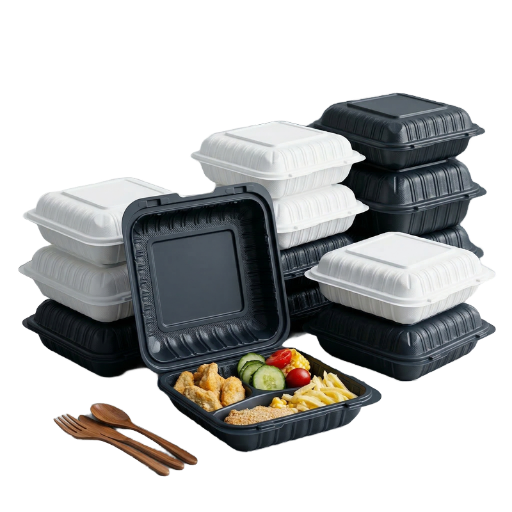
Umweltfreundliche Lebensmittelboxen Hersteller Großhandel mit Containern
Foodservice-Unternehmen von Kalifornien bis New York entfernen sich unter schnell wachsenden Einweg-Kunststoffbeschränkungen vom Schaumstoff Unser Großhandelsprogramm liefert BPI-zugelassene umweltfreundliche Lebensmittelboxen an Lebensmittellieferunternehmen, Catering-Händler und Restaurantketten, die auf echten Lieferwegen auflaufen unsere Maisstärke-Bagasse-, PLA- und mikrowellenkompatiblen Polypropylenlinien.
Holen Sie sich ein Großhandelsangebot
BPI / FDA / PFAS-frei verifiziert
Ref. / Eco-Box · 04 Materialfamilien
01
BPI-zertifiziert (ASTM D6400 / D6868)
02
FDA 21 CFR-konform
03
PFAS-frei + BPA-frei
04
20 Jahre Spezialisierte Fertigung
05
Export in 5 Regionen
Fähigkeits-schnappschuss
Die Wanhui-Lösung auf einen Blick
// 05 Säulen
01 / Maßstab
Fertigungsgröße
20 Thermoformlinien, 6 Blechextrusionslinien, 60 Spritzgusslinien, über 30 Tonnen/Tag Blechmaterial, Millionen/Tag Kapazität.
02 / Material
Vier materielle Familien
Maisstärkekisten für kalte und ambiente Lebensmittel, Bagasse für heiße Ladungen und Mikrowellen, klare PLA-Behälter für kalte Gerichte und Salate, 1001TP3 T mikrowellenkompetentes Polypropylen (MFPP) für Lieferung und Nachheizung.
03 / Compliance
Drittanbieter-Zertifizierungen Käufer überprüfen
BPI-gelistet, seit Tests auf PFAS im Januar 2024 verbindlich wurden, nationale Hygienestandards und internationale Lebensmittelsicherheitskontrollen.
04 / OEM
Gleiche Zeilenanpassung
Logodruck, Farbanpassung, individuelle Formenentwicklung für Markenkombinationslayout.
05 / Kanäle
Servierte Märkte
Kettenrestaurants, Lebensmittelliefer-Apps, Speisesäle für Krankenhäuser und Hochschulen, Catering-Händler.
Ziel: Alle Käufer
Von Schaum zu umweltfreundlichen Lebensmittelboxen. Warum Foodservice umsteigt
Markt- und Vorschriften
Die Verschiebung weg vom Schaum
Eco-Contain und kalte To-Go-Boxen und Gerichte, die Sie für Gastronomieunternehmen in den USA und der EU in Betracht ziehen, dürfen keinen expandierten Polystyrolschaum mehr kaufen.
Wichtige Gesetzgebungszeitpläne
Das landesweite Verbot von Schaumlebensmitteln in Kalifornien sicherte die öffentliche Markteinführung im Jahr 2025, und die New Yorker Polystyrolbeschränkungen traten zusammen mit einer Beschränkung auf Kühllagerbehälter am 1. Januar 2026 in Kraft. Mittlerweile haben über hundert Städte und über zwanzig Bundesstaaten Schaumbeschränkungen eingeführt, die zusammen etwa einen Anteil ausmachen ein Drittel des gesamten US-amerikanischen Foodservice-Marktes.
Nachhaltige Zutaten
Was sind Öko-Container?
Öko-Containern oder manchmal auch biologisch abbaubare Behälter, kompostierbare Lebensmittelbehälter, Einwegbehälter, hergestellt aus natürlich erneuerbaren Zutaten wie Zuckerrohr-Faserbagasse, Maisstärke, Polymilchsäure (PLA), geformten Pflanzenfasern oder mikrowellengeeignetem Polypropylen in Lebensmittelqualität.
Aktuelle Anwendungen
Sie werden aktiv für Warm- und Kalt-Takeout-, Liefer- und Grab-and-Go-Anwendungen eingesetzt und ersetzen Schaumstoff und Standardkunststoff.
Leistung & Preis
Das Transition Pace
Das geschieht, aber langsam.
Ein Reddit/Kalifornien-Dilemma, das englischsprachige Beschaffungsteams bei der Vorbereitung von Futtermitteln in biologisch abbaubaren Verpackungen und der Rückkehr zu billigem Kunststoff aufdecken müssen, ergab ein Dilemma.”
Drei Säulen des Erfolgs
Eco-Contain ist nur dann dauerhaft, wenn drei Hindernisse performance durch Lieferung über mehrjährige Releases, Preis-in-Designed-Dokument-Validierung gleichzeitig verwaltet Diese Seite beschreibt jeden dieser Datenpunkte, unsere Back-End-Anwendungstechnik-Lektionen.
Modul // Produktlinien
Wanhui Umweltfreundliche Lebensmittelbox Produktlinien EN + PROC
Unsere vier Fertigungslinien sind in der Lage, die Kombinationen aus Temperatur, Lebensmittelart und Entsorgungsroute zu liefern, die unsere Großhandelskontakte anfordern Jede Linie verwendet von der FDA zugelassene Roheinträge und besteht sowohl die geltenden britischen Standards als auch die globalen Lebensmittelsicherheitsprotokolle. Jede Kombination einer Produktfamilie kann im selben Paket/Vorschub gelagert werden, um mehrere SKUs vollständig zu unterstützen.
LINIE 01
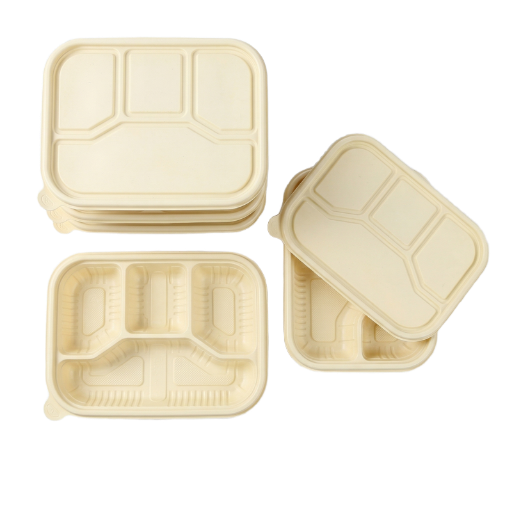
Maisstärke (erneuerbares TPS)
Cornstarch-Scharnierbehälter und -Schalen
Maisstärke, biologisch abbaubar in der industriellen Kompostierung unter Verwendung pflanzlicher Inputs Am besten für Kalt- und Umgebungs-Susmehl- und Käseverpackungsträger, Sushi-Karten, Kaltvolumen, Dessertbecher.
SPEC // 01
- Erzeugung von 8-Unzen-Portionsbechern bis hin zu 64-Ozen-Schalen.
- 1-, 2-, 3- und 5-Fächer-Scharnieroptionen
- Kompatibel mit kalter Flüssigkeit bis Umgebungstemperatur
LINIE 02
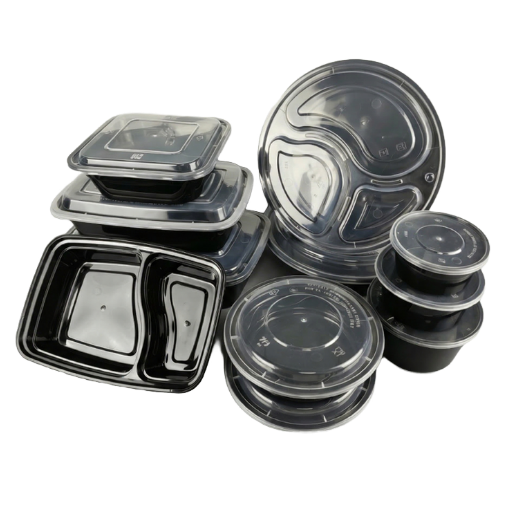
Bagasse (Zuckerrohrfaser)
Bagasse-Pritschen, Tabletts, Platten
Hergestellt aus Zuckerrohrfasern, einem Nebenprodukt der Zuckerherstellung. Branchenreferenzen für Gastronomie zeigen einen Servicetermeperaturbereich von 13 F bis 428 F – Warmlebensmittel-Arbeitspferd.
SPEC // 02
- Mikrowellensicher, gefriergeeignet, öl – und fettbeständig
- Natürliches cremefarbenes Finish, keine PFAS-Behandlung
- Burgerbox, Taco-Tablett, Hot-Entree-Clamshell-Formate
LINIE 03
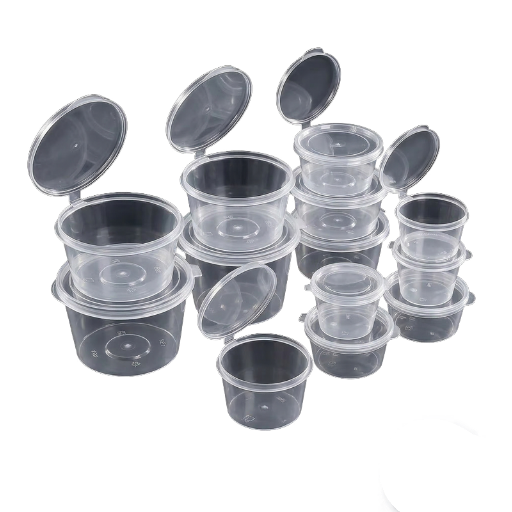
PLA / CPLA (Polymilchsäure)
Klare PLA Deli + Salatbehälter
Transparenter Biokunststoff auf Maisbasis Bietet Merchandising-Schreibtisch-Regel-Appeal für visuelles Merchandising, gekühlte Fertiggerichte, Smoothie-Schalen und Mikrogrünbeutel.
SPEC // 03
- Klarer PLA-Kaltbehälter am besten unterhalb des PLA-Erweichungsbandes
- Die CPLA-Version (kristallisiertes PLA) erhöht die Toleranz für warme, aber nicht heiße Lebensmittel auf etwa 85 C
- BPI gelistet, ASTM D6400 kompostierbar
LINIE 04
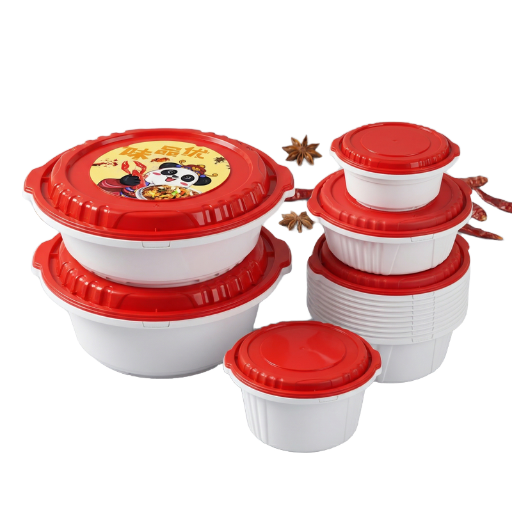
MFPP (Mikrowellen-PP)
Mikrowellengeeignete PP-Boxen mit Klappdeckeln
Polypropylen in Lebensmittelqualität für heiße Lieferwege, bei denen die Kompostierbarkeit gegenüber Funktions- und Eintopfsuppe, Reisplatten und wieder erhitzten Steaks zweitrangig ist.
SPEC // 04
- Mikrowellensicher auf etwa 130 C, Gefrierschranksicher auf minus 20 C
- Wiederverwertbarer Code 5
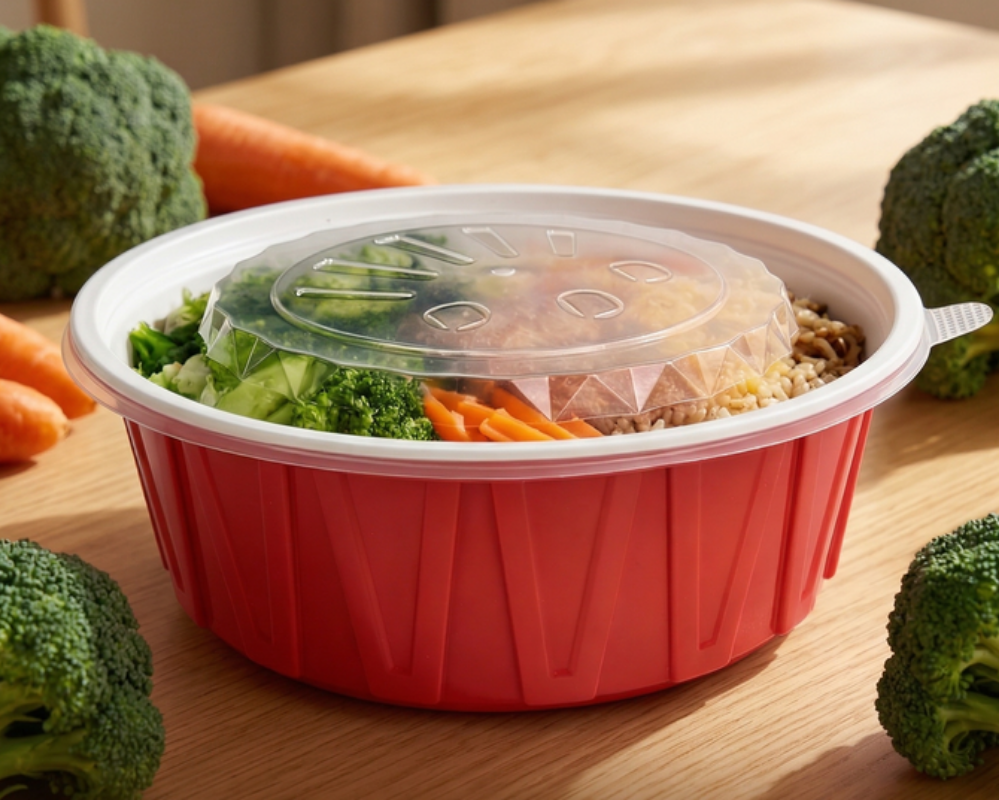
- Presssitz – und Schnappdeckel mit auslaufsicheren Felgen
BESCHAFFUNGSRESSOURCE
Entscheidungsmatrix Wählen Sie das richtige Material für EN + PROC + MGR
Die meisten Beschaffungsklagen über kompostierbare Behälter lassen sich auf die gleiche Grundursache zurückführen. „Ein Material, das für einen Anwendungsfall angegeben wurde, für den es nie entwickelt wurde. PLA, das über eine heiße Suppenleitung gegossen wird, verformt sich innerhalb von Minuten. Bagasse, das für einen gekühlten Eiskaffeetassen verwendet wird, verschwendet seine Hitzetoleranz. Dieses Blatt ist genau das gleiche interne Blatt, das unser technisches Team verwendet, wenn uns ein neuer Beschaffungsmanager ein Menü vorlegt und nach einem Ausgangspunkt fragt.
| Leistungsdimension | Maisstärke | Bagasse | PLA (Klar) | CPLA | MFPP |
|---|---|---|---|---|---|
| Betriebstemperaturdecke | ~85 bis 95 C für Short Hold | Bis 220 C dokumentiert | Weich macht 45 bis 55 C | ~85 C | ~130 C, mikrowellengeeignet |
| Gefrierkompatibilität | Ja, auf minus 18 C | Ja, auf minus 25 C | Ja, die Sprödigkeit steigt unter minus 10 C | Ja, auf minus 18 C | Ja, auf minus 20 C |
| Mikrowellen-wiedererwärmung | Begrenzt, nur kurze Dauer | Ja | Nein | Nur leichte Nacherwärmung | Ja |
| Öl – und Fettbeständigkeit | Gut (gefütterte Optionen verfügbar) | Stark ohne PFAS-Behandlung | Gut für fettarme kalte Lebensmittel | Gut | Stark |
| Visuelle Klarheit | Undurchsichtiges cremefarbenes | Natürliches cremefarbenes bis braunes | Kristallklar | Undurchsichtiges Weiß | Durchscheinend oder bedruckt |
| Altstrecke | Industriekompost | Industriekompost, etwas zu Hause | Nur Industriekompost | Industriekompost | Recycelbarer Code 5, nicht kompostierbar |
| Relatives Stückkostenband | Mitte | Mitte | Mitte bis oben | Ober | Untere |
| Typische Zertifizierungen durchgeführt | BPI, ASTM D6400 | BPI, ASTM D6868, EN 13432 | BPI, ASTM D6400, EN 13432 | BPI, ASTM D6400 | FDA 21 CFR, Lebensmittelkontakt |
Technische Anmerkung / / Warum PLA in heißen Anwendungen ausfällt
PLA verformt sich um 45 bis 55 C, da seine Polymerketten zu diesem Zeitpunkt Kettenbeweglichkeit erreichen Drei unabhängige Foodservice-Referenzen „Bioleader Pack, InNature Pack und Dashan Packing & – Dashan Packing – konvergieren mit dieser Geschwindigkeit, mit optionaler Validierung aus dem Mikrowellenverhältnis-Guide von Mountain Bio. Wenn Ihr Menü heiße Suppe oder Eintopf oder in der Mikrowelle erhitzte Teile enthält, richten Sie diese SKUs auf Bagasse oder MFPP, anstatt gegen die Thermodynamik von PLA vorzugehen.
Wir testeten Maisstärke, Bagasse, und PLA Proben gegen fünf echte Kundenmenüs, bevor wir einen Split Sourcing Plan empfahlen Cornstarch trug die kalte Deli Linie, Bagasse trug das heiße Netz, MFPP nahm die Liefersuppe, und klare PLA hielt die Salat Hülle Premium aussehen Ein Material ist selten die richtige Antwort für eine ganze Speisekarte.”
Beratungsteam für Beispielanwendung
Ziel: Alle Käufer (PROC konzentriert sich auf die Lieferung)
Umweltfreundliche Lebensmittelboxen mit Deckel, h-gepresst, schnappbar und pressgepasst
Die anfängliche Beschwerde der Lieferdienstleister bei uns ähnelt in der Regel einer tatsächlichen Reddit r/BuyItForLife-Post, in der es heißt ’Zwei Behälter hatten undichte Probleme, als sie gerade in eine Tasche mit einer ziemlich brühigen Suppe darin geworfen wurden, einige andere entwickeln kleine Risse.“Wenn der Deckel seine Tragetasche für den Lieferfahrer nicht überlebt, handelt es sich nicht wirklich um einen Verschluss.
Wir bieten drei Arten von Deckeln auf unseren kompostierbaren Lebensmittelbehältern mit Deckelsystem an und reagieren jeweils auf einen etwas anderen Anwendungsfall:
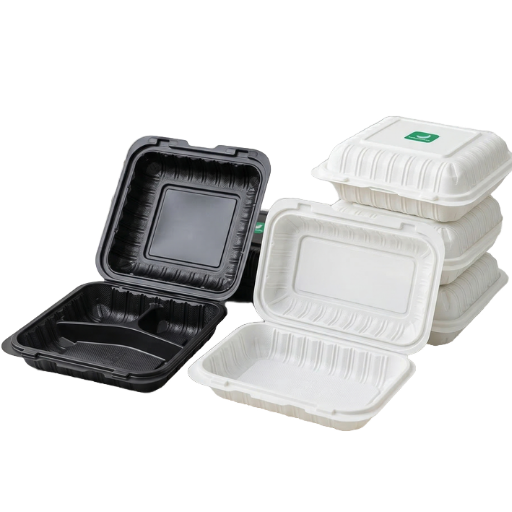
Klappdeckel (Same-Body)
Klappdeckel-aus-Blatt-Bauweise Beide Hälften schmiegen sich ineinander – kein Deckel passt sich an der Leitung falsch an.
- Am besten für Muscheln, Burgerboxen, Taco-Tabletts
- Niedrigste Kosten pro Einheit
- Erhältlich in Maisstärke, Bagasse und PLA
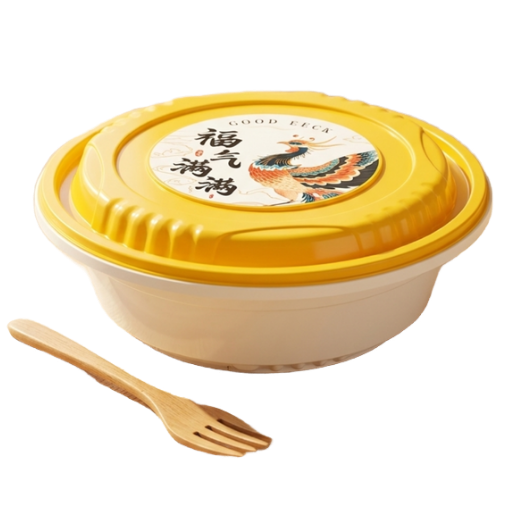
Schnappdeckel (separat)
Unabhängige Schnappverschluss-Deckelschale Ermöglicht das Stapeln verschiedener Deckelmodelle über einem gemeinsamen Sockel, ideal für Menue-Engineering-Projekte.
- Festere Abdichtung unter Schütteln
- Kompatibel mit PET-Fenstereinlagen zur Anzeige
- Erhältlich auf PLA-Deli-Runden und Bagasse-Schalen
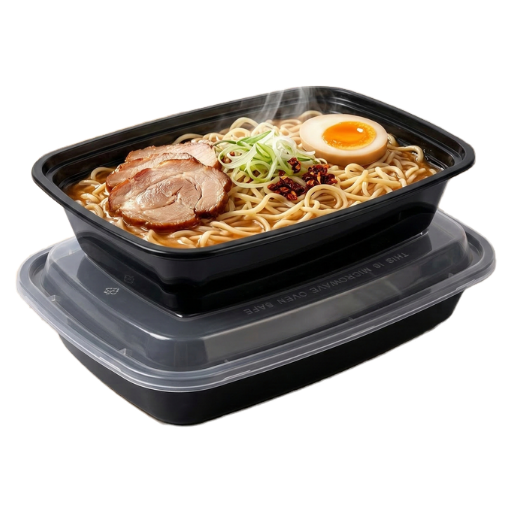
Presssitzdeckel (optional manipulierbar)
Presssitzdeckel mit optionalen Originalitätsindikatoren für Lebensmittelsicherheitsaudits in Geisterküchen und Hausmahlzeiten.
- Stärkste Abdichtung in unserem Deckel-Sortiment
- Geeignet für Suppen und Currys auf Brühenbasis, die der Bewegung der Mitfahrtasche standhalten
- Erhältlich auf MFPP- und Bagasse-Schüsselbasen
Kompostierbare Zertifizierungen nach Region ENPI, ASTM, EN13432 OK PROC +
Jetzt kann ich oder kompostieren, es hat alles in der Mülldeponie zu gehen recyceln diese Stimmung, die von einem Vancouver Reddit r/vancouver-Thread ausgedrückt wird, fasst das Problem hinter jedem Zertifizierungslogo zusammen Käufer und Beschaffungsteams haben gelernt, wie man an intrigantengestützten Logos vorbeischnüffelt Sie wollen wissen, welche Regionen jedes Zertifizierungsprogramm überwacht, was sie jeweils explizit testen und ob der Zertifizierer diese SKU gesponsert hat.
| Zertifizierung | Prüfstandards | Primärregion | Was es testet | Wanhui SKU-Abdeckung |
|---|---|---|---|---|
| BPI gelistet (Institut für biologisch abbaubare Produkte) | ASTM D6400 (Kunststoffe), ASTM D6868 (ausgekleidete Fasern) | Vereinigte Staaten, Kanada | Biologischer Abbau, Zerfall, Ökotoxizität, Gesamtfluor (PFAS), chemische Zusammensetzung | Cornstarch-Scharnierlinie, Bagasse-Clamshelllinie, PLA-Deli-Linie |
| TÜV OK Kompost Industrie | EN 13432 | Europäische Union | Industrielle Kompostierung bei 55 bis 60 C, 12-wöchige Aufschlüsselung | PLA-Kaltleitung, Bagasse-Hotline |
| TÜV OK Kompost Startseite | EN 13432 strengere Teilmenge | EU, Australien | Hauskompostierung bei 20 bis 30 C, 12-Monats-Aufschlüsselung | Bagasse-Plattenlinie, wählen Sie Maisstärke-SKUs aus |
| FDA 21 CFR Lebensmittelkontakt | FDA 21 CFR Teil 177, 178 | Vereinigten Staaten | Direkter Lebensmittelkontakt Sicherheitsgrenzwerte, Additivzulassungen | Alle Produktlinien |
| EU 10/2011 Lebensmittelkontakt | EU-Verordnung 10/2011 | Europäische Union | Direkter Lebensmittelkontakt für Materialien und Artikel aus Kunststoff | PLA-, CPLA- und MFPP-Linien |
| Nationaler Hygienestandard | GB 4806,1, GB 4806,7 | China und Asien-Pazifik | Ausgangslage für die Materialsicherheit bei Lebensmittelkontakt | Alle Produktlinien |
RICHTLINIENAKTUALISIERUNG // PFAS-TESTS 2024
Ein relativ ruhiges, aber nahezu entscheidendes Update für 2024. Das Biologisch abbaubare Products Institute hat zu Beginn des Jahres 2024 eine neue Anforderung eingeführt, dass alle Underwriter Tests auf Gesamtfluor durch die Anleitung von World Centric immer wieder bestätigt werden müssen. Diese eine Richtlinieneinführung integrierte PFAS-freie Tests in das BPI-Logo selbst. Eine aktuelle BPI-Liste kann nun als Ersatzantwort auf die Anfrage eines US-Käufers zu PFAS-Verbindungen in einem Produkt präsentiert werden, die andernfalls als separate Offenlegung erfolgen würde.
INFRASTRUKTUR-//ENTSORGUNGSREALITÄTEN
In der Kategorie Entsorgungsinfrastruktur ist ein BPI nicht gut genug. Das BPI-Zeichen bestätigt, dass der Artikel an einer Einrichtung mit entsprechendem Fermenter nachhaltig kompostiert werden kann. Ob die genannte Einrichtung auf den Märkten Ihres Kunden praktisch ist, ist eine andere Sache. Das Biologisch abbaubare Produktinstitut selbst bietet eine Liste verifizierter Einrichtungen, und verschiedene Bundesstaaten (Kalifornien, Washington, New York) verlangen gesetzlich die Kompostierbarkeit durch Restaurants in schaumbeschränkten Kategorien, selbst wenn uns der lokale reale Zugang fehlt Beschaffungsteams, die sowohl eine kompostierbare als auch eine recycelbare Option wünschen, sind die Gründe, warum MFPP und PLA in unserem Portfolio scheinbar nebeneinander leben.
Echte Ergebnisse, EN-Kettenrestaurants, Lieferung, Krankenhauskantinen MGR +
Unsere Dokumentation unterstützt drei Marktsegmente für Essen und Quickservice, die neue Verpackungen steuern, Hausmarken für Lieferplattformen mit hohem Wochenvolumen und institutionelle Kantinen in Krankenhäusern und Schulen, in denen die erforderliche Menge an Compliance-Papieren mitgebracht wird. In jedem Fall ist das Gleiche der Fall Trend zeichnet sich ab.
[ROI Framework ‘Silberne Stufe]
EVAL_MATRIX_V1
Das Kostengespräch, ehrlich formuliert
Laut Berichten der Restaurant Dive-Branche beträgt die Kostenprämie einer kleinen Plastiksalat-Muschel im Vergleich zu einer vergleichbar großen kompostierbaren Maismuschel etwa $0,09 bzw. etwa $0,33, eine 3,7-fache Prämie. Diese Prämie für die Ernährung von Afrika in Ihrer Hand ist diejenige, die Gastronomiebetreiber herumsteuern, bis ein staatliches Verbot die Wahl für sie trifft. Unser Team führt die Zahlen während der Angebotsabgabe auf vier verschiedene Arten aus und der Kunde wählt die Ansicht, die zu seiner Entscheidungsdatei wird:
- 01 Aus der Sicht der Compliance-Kosten wurden Verstöße und Nachbestellungen vermieden, die durch künftige Schaumverbote ausgelöst wurden – heute in Kalifornien, New York und Virginia zu sehen.
- 02 Aus Sicht der Markengerechtigkeit deuten von Restaurant Dive diskutierte Verbraucherpräferenzumfragen darauf hin, dass die meisten Verbraucher bereit sind, mehr für umweltfreundliche Verpackungen zu zahlen, die ein margenbewusster Betreiber in die Rechnung zum Mitnehmen aufnehmen kann.
- 03 Aus Sicht der Verlustvermeidung gibt es weniger Beschwerden im Zusammenhang mit übereifrigem Verschütten von Hotfood, wenn Huggies mit der Speisekarte übereinstimmen, wie in der Entscheidungsmatrix oben definiert.
- 04 Aus volumenstufiger Sicht schrumpft auf unseren höheren MOQ-Stufen die Prämie pro Einheit. „Außerdem listen wir jede Stufe auf dem Angebotsblatt anstelle der Seite auf.
Wanhui wird Ihnen keinen definitiven ROI-Prozentsatz nennen, da der richtige von Ihrem Menümix und der geografischen Zone des Kunden abhängt. Sobald Sie uns Ihre SKUs geben, geben wir Ihnen einen genauen ROI.
Einführung in Kettenrestaurants
[SEC-01]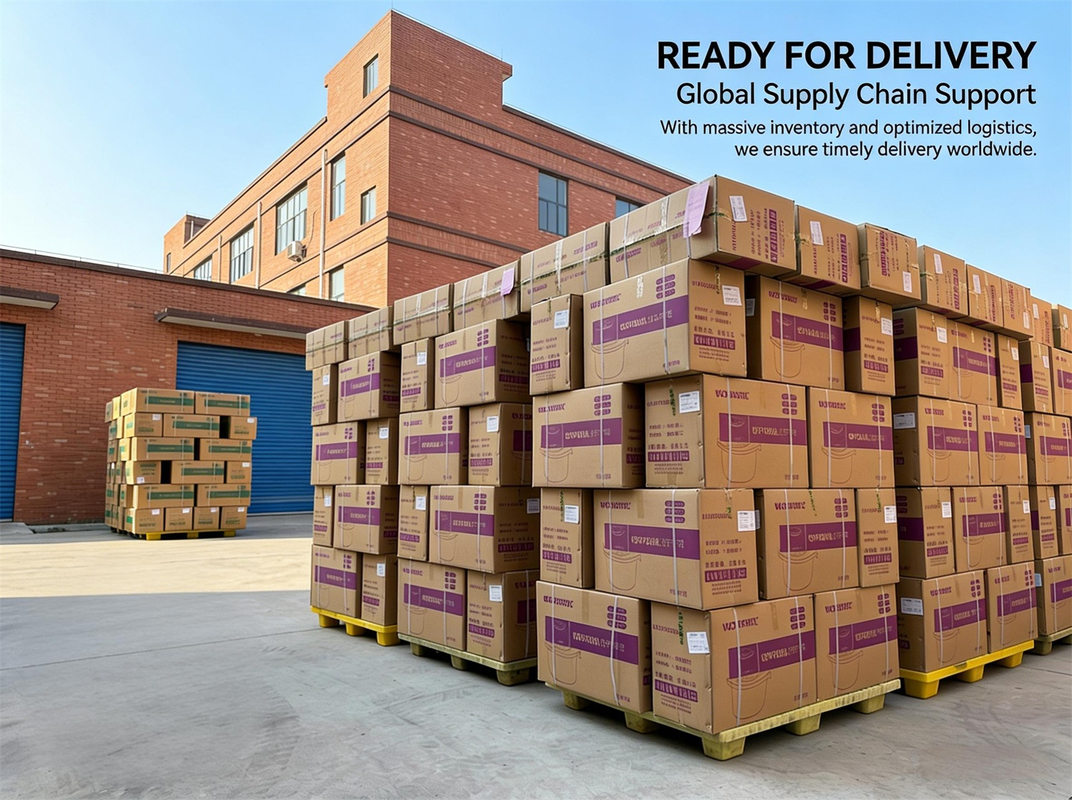
[+] DATEN OFFENLEGEN
Die meisten Ketten beginnen mit zwanzig Standorten in einem lokalen SKU außerhalb des Menüs und einer SKU auf dem Menu (zwischen der Handpackung mit Muscheln und der Seitenschale). Wir behalten ihre erforderliche Spec-Einführung bei und senden dann die Frequenz an ihre Verteilung aus Sobald die erste Testphase erreicht ist, beginnt die Organisation mit der Einfrierung der Verteilung.
Mischmaterialbestellungen in einem Container
Logo-Druck wird an Markenfarbcodes gehalten
Durchlaufzeit konsistent bei Nachbestellungen
Lebensmittellieferplattform
[SEC-02]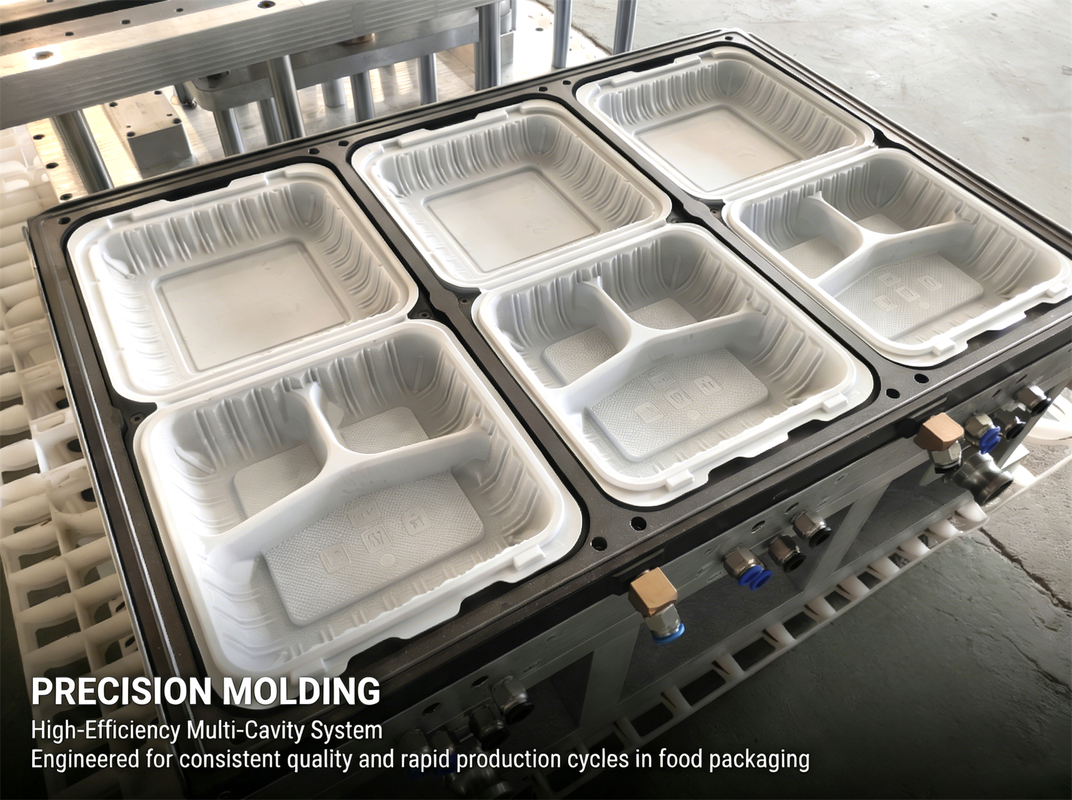
[+] DATEN OFFENLEGEN
Lieferpartner kümmern sich um zwei Zahlen Integrität des Siegels bei der Übergabe der Lieferung, und die pro SKU Gesamtfrachtkosten Wir liefern ihnen MFPP Press-Fit Deckel auf beiden Suppen SKUs, Bagasse Klappmuscheln auf heißen Hauptgeschirr, und Maisstärke flache Tischdeckel auf der kalten Seite Zollpapier wird in den Versandbehälter eingelassen Niemals nach.
Press-Fit-Siegel auf Brühenmenüs
Bagasse-Muscheln für heißes Stromnetz
Kundenspezifische Form für Markenfachlayouts
Krankenhaus und Schulkantine
[SEC-03]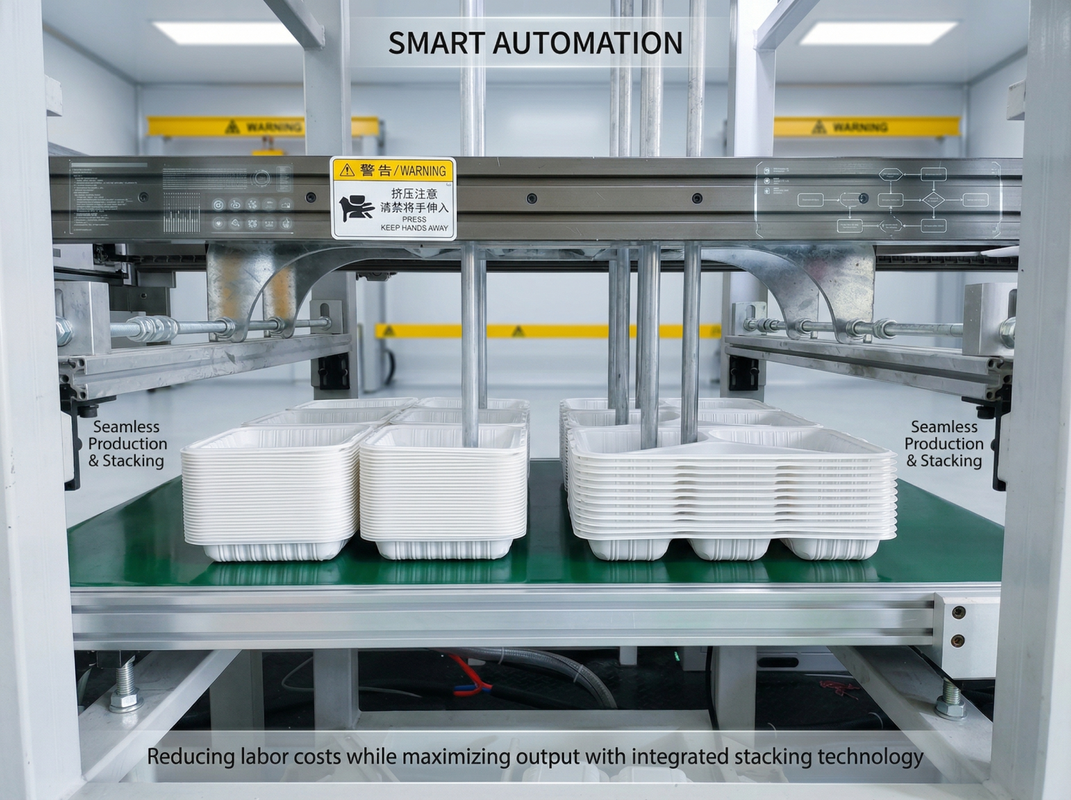
[+] DATEN OFFENLEGEN
Institutionelle Käufer fordern die zertifizierende Papierkramprobe an. Unser Zertifizierungsschiff meldet vor der BPI-Zertifizierung die BPI-Zertifizierung, den ASTM-Test, das FDA-Schreiben und das nationale Hygienezertifikat vor der Zertifizierung. Der Einkaufsmanager besteht seine interne Compliance-Überprüfung und das Ernährungsprogramm kann eine laufende Bestellung festlegen.
Papierkram-first-onboarding
Stapelbare, spülmaschinenfeste Außenfläche
Einzelfach – und Bento-Layouts
MARKTANALYSE //
Umweltfreundliche Lebensmittelboxen vs. Kunststoff vs. Schaumstoff, Kosten- und Compliance-Analyse MGR +
Die Geographie des Schaumverbots ist der stärkste Rückenwind, den ein kompostierbares Unternehmen seit zwanzig Jahren erlebt hat, aber die Frage auf Verbraucherseite hat sich nicht geändert. – wie sieht das bei den vier Kriterien aus, die für Betriebs- und Finanzaspekte von Bedeutung sind? Die folgende Tabelle hält sich nicht mit den unvorteilhaften Zeilen zurück.
| Dimension | Expandierter Polystyrolschaum | Konventioneller Kunststoff (PET, PP) | Umweltfreundliche Lebensmittelboxen (unsere Auswahl) |
|---|---|---|---|
| Stückkostenband (Referenz für kleine Salatbehälter) | Historisch niedrigste | Rund 0,09 Dollar pro Einheit | Rund 0,33 Dollar pro Einheit für kompostierbare Maisvariante |
| Regulatorische Exposition (Vereinigte Staaten, 2025) | In 9 Bundesstaaten sowie über 100 Städten verboten | Zunehmend eingeschränkt auf Besteck und Taschen | Keine Nutzungsbeschränkung im Foodservice |
| PFAS-freie Anspruchsvertretbarkeit | N/A, aber verbundene Produkte sind oft fettdicht mit PFAS | N/A | Die Fluorprüfung BPI 2024 faltet die PFAS-freie Überprüfung in das Zertifikat |
| Lebensabendkosten für die Gemeinde | Höchste Landaufschüttung plus Müllrückgewinnung | Theoretisch mittelmäßig, in der Praxis niedrige Rückgewinnungsrate | Niedrigster Wert, wenn Lebensmittelabfälle aus Deponien komprimiert werden |
| Verbraucherpräferenzsignal | Nettonegativ | Neutral bis netto negativ beim Takeout | Netto-Positiv-Weitergabe dokumentiert |
| Fünfjahresvorwärtsrisiko des Betreibers | Gestrandetes Inventar bei Verbotsaktivierung | Verschärfung der Stadt-für-Stadt-Beschränkungen | Ausgerichtet an der Regelungsrichtung |
FERTIGUNGSFÄHIGKEITEN
Benutzerdefiniertes Logo, Druck und kundenspezifische Formentwicklung, O- und ODM-M-Druck + PROC
Die meisten Öko-Geschirrmarken verkaufen nur das Inventar, für dessen Herstellung ihre Fabrik gebaut ist Wanhui kommt der Produktionslinie näher – wir entwerfen neue Formen und produzieren On-Product-Druck vor Ort. Jeden Monat bieten wir zwei Dienstleistungen für Großhandelskunden an:
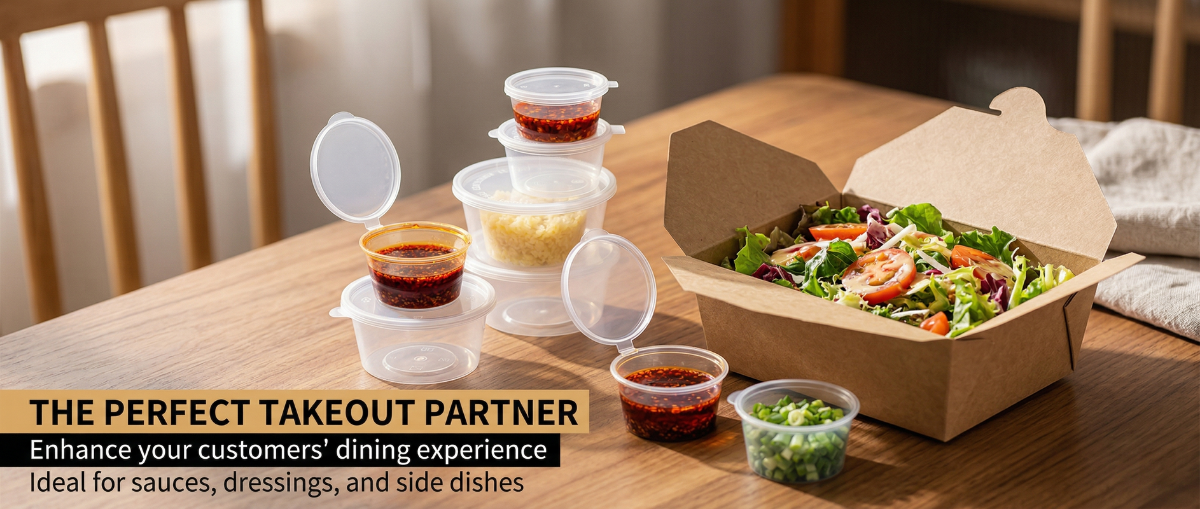
On-Mold-Branding auf Lagerartikeln.
Druckspezifikationen
Ein – und zweifarbiger Druck, auf CMYK in Modelllaufgröße oder voll CMYK auf Ihre Markenfarben Wir moderieren maßstabsgetreu und bieten Vordruckmuster Ihres neuen Geschirrs an.
Kundenspezifische Formenentwicklung.
Design & Lieferzeit
Wenn Ihr Menü ein Fachschema erfordert, führen wir derzeit kein Bento mit drei Kammern, einem tiefen Bohrloch und zwei flachen Seitenbrunnen, die auf Ihre Portionskontrollziele zugeschnitten sind. Unser Werkzeugteam konzipiert und produziert die Form nach Ihren CAD-Spezifikationen. Die Durchlaufzeit der Form beträgt in der Regel Wochen, nicht Monate, und die SKU geht für die Vertragslaufzeit in Ihr Eigentum über.
LIEFERKETTENOPERATIONEN
Beschaffungsleitfaden, Containerebenen, Lead Time Qingdao Load + MGR
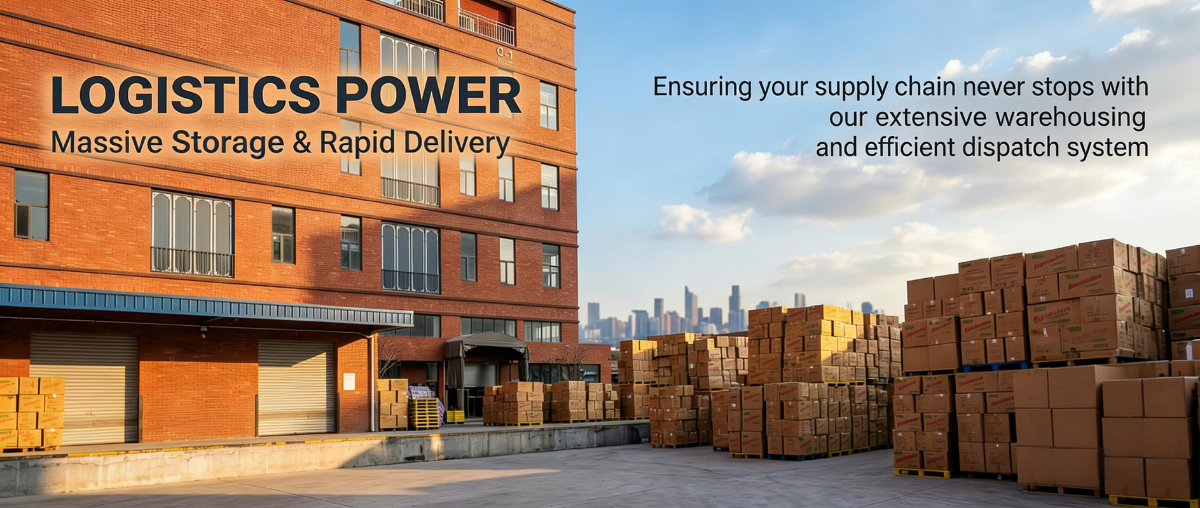
Beschaffungsentscheidungen sind ein Teil “wie billig” bis drei Teile “wie vorhersehbar” Foodservice-Käufer kämpfen mit der weltweiten Beschaffung gegen drei Risiken: MOQ, das zu viel Kapital fordert, Vorlaufzeit, die nach der Einzahlung zurückgeht, und Containerlade-Mathe, die sich der Lieferkettenplanung widersetzt Wir veröffentlichen das Beispiel unten, um die erste Diskussion zu beschleunigen.
| Beschaffungsdimension | Praxis in Wanhui | Warum es wichtig ist |
|---|---|---|
| Standard-MOQ für Standard-SKUs | Stufenbasierter Einstieg, zugänglich für Markenpiloten, mittlere und volle Stufen, verdienen Kostensteigerungen | Betriebskapitalfreundlicher Start, mit definiertem Weg zur Volumenpreisgestaltung |
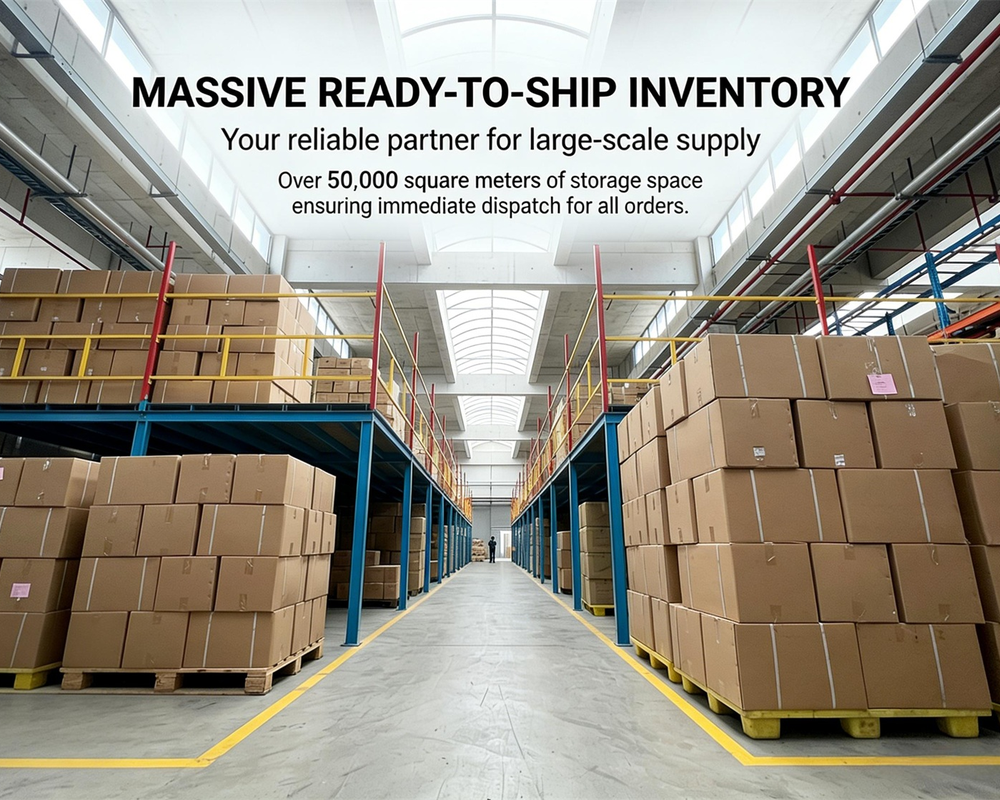
| Vorlaufzeit für Lager-SKUs | In der Regel ein paar Wochen nach der Produktionsbestätigung | Vorhersehbarer Zyklus in Ihren Lager-Pull-Zeitplan |
| Lieferzeit für Sonderdruckbestellungen | Länger als Lager, auf der Druckabzugserklärung eingestellt | Markenwerte werden überprüft, bevor die Presse läuft |
| Vorlaufzeit für kundenspezifische Formen | Wochen für Werkzeuge plus einen Produktionszyklus | Vorhersehbare Start- und Landebahn für Kettenpiloten und Exklusivitätsprogramme |
| FOB-Port | Qingdao, mit optionalem EXW-Pickup für Käufer, die ihre eigene Fracht verwalten | Reifer Hafen mit regelmäßigen Fahrten nach Nordamerika, Europa, MENA, APAC und Südamerika |
| Containerverladung | Detaillierter Ladeplan, der jedem Angebot beigefügt ist, Behälter pro 20 Fuß und 40 Fuß, palettiert oder bodenbeladen | Ihr Spediteur erhält die Kartonrechnung im Voraus, nicht erst nach der Buchung |
| Zahlung und Dokumentation | Handelsrechnung, Packliste, BPI-Listenreferenz, ASTM-Testbericht, FDA-Schreiben, Ursprungszeugnis | Ein Paket an Ihren Zollmakler, keine Folge-E-Mail-Kette |
WERKSINFRASTRUKTUR
Fertigungskapazität PROC + EN 60 Thermoformen, Extrusion, Injektionslinien PROC 60
Transparenz mit unseren Fabrikwerten zu haben, bleibt der einzige Faktor, den ein Händler nicht nachahmen kann Internationale Käufer erkundigen sich innerhalb unseres zweiten Gesprächs, wie viele Zeilen zählen, wie viele Mitarbeiter und was passiert, wenn eine magere Linie auf Wartung trifft. Nachfolgend finden Sie unsere Beobachtungen:
“Kunden fragen häufig, ob ich klären kann, was in unserem Prozess passiert, wenn eine Thermoformleitung periodisch heruntergefahren wird. Meine einfache Antwort ist, dass wir häufig redundante Tools für gemeinsam geordnete SKUs über zwei Linien hinweg verwenden und die gesamte SKU-Auswahl innerhalb derselben Schicht neu ausbalanciert wird. Diese Funktion wird intern gemeldet, nicht an Ihr Bestelldatum.”
Wanhui Production Management Team, zur realen Redundanz
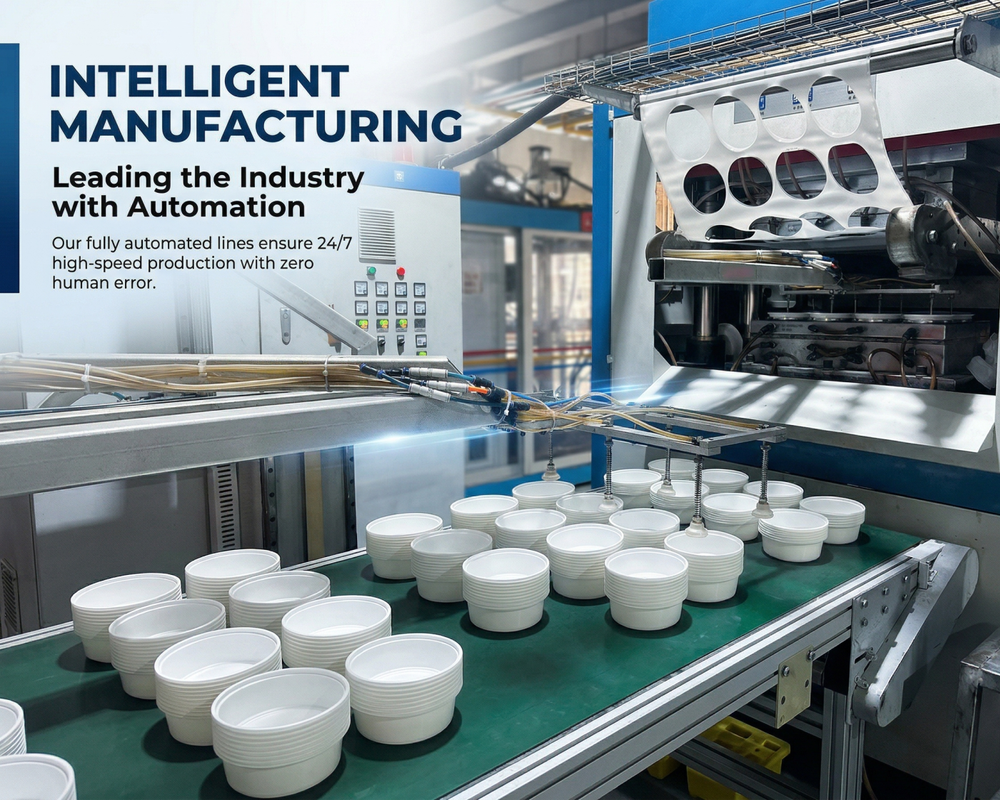
Unsere Produktionsstätte ist weiterhin speziell für Lebensmittelverpackungen konzipiert und wurde nicht von einer Mehrzweck-Spritzgussform/Montagelinie verändert. Dieser Ansatz ist in unserer Werkzeugbibliothek, den Verfahren zur Überprüfung der Lebensmitteleingabe und den operativen Fähigkeiten des Personals sofort erkennbar.
-
01 //
20 Thermoformlinien, die Maisstärke-, Bagasse- und Zellulose-Kunststoff-Materialien (CPLA) in Lebensmittelverpackungen umwandeln
-
02 //
6 Blattextrusionsleitungen bilden vorgelagerte Materialien, die auf den Thermoformleitungen umgewandelt werden. Täglich werden über 30 Tonnen Blatts hergestellt
-
03 //
60 Spritzgusslinien formen MFPP-Kartons, Abdeckungen und starre Formen
-
04 //
Täglich werden mehr als 1 Million Einheiten von allen drei Produktionsgemeinschaften abgefertigt
-
05 //
200 Mitarbeiter, davon 30 im Vertrieb, 30 im Lager- und Vertriebsbereich, über 120 im Betrieb und mehr als 20 im Logistik- und Aufsichtsbereich
-
06 //
20 Jahre Innovation bei Lebensmittelverpackungsboxen, -tellern und Einweg-Lebensmittelserviceartikeln
-
07 //
Fünf geografische Exportgebiete Europa, Amerika, Naher Osten, Asien-Pazifik und Südamerika
Tools zur Bewertung umweltfreundlicher Lebensmittelboxen
ZIEL: ALLE KÄUFER
Häufig gestellte Fragen
Funktionieren Ihre umweltfreundlichen Maisstärke-Lebensmittelboxen für warme Lebensmittel und ölige Lebensmittel?
Maisstärke hält Warmhalteleistung bis etwa 85° -95°C Band-perfekt für heiße Reisplatten und die meisten gebratenen Netz, die schnell laufen Für Wärme, die länger heiß benötigen, die höhere Warteschlangentemperatur einer Mikrowelle oder die direkte Hitze einer Fritteuse ohne Öl, sollten die SKUs stattdessen zu Bagasse oder mikrowellengeeignetem Polypropylen geleitet werden Die obige Entscheidungsmatrix zeigt die Temperaturdecken nebeneinander.
Wie hoch ist das Mindestbestellmenge für biologisch abbaubare Lebensmittelbehälter im Großhandel in Ihrer Fabrik?
MOQ läuft auf einem gestuften System – einer niedrigsten Einstiegsstufe für Kettenpiloten und Markentestläufe, dann mittleren und vollen Stufen, die die Einheit verschieben – Kostenabwärtsschritte Die MGO-Auswahl hängt von Ihrer SKU-Anzahl, Druckspezifikation und davon ab, ob Sie einen Standard- oder Fast-Track-Custom-Run wünschen. Senden Sie uns Ihre SKU-Liste und wir geben den Stufenplan zurück.
Wie lange dauert die Vorlaufzeit für individuell bedruckte umweltfreundliche Lebensmittelboxen?
Stock-SKU läuft Schiff in ein paar Wochen ab den Daten, die wir die Produktion bestätigen Custom-Print-Läufe fügen den drucksicheren Abmeldeschritt hinzu Kundenspezifische Formenentwicklung fügt den Zeitraum vor Produktionsbeginn hinzu Vorlaufzeiten werden auf jedem Angebot dokumentiert, die die angegebenen Daten und nicht eine Reichweite zeigen – die Käufer schätzen, dass die Änderung eine einfachere Frachtplanung ermöglicht.
Sind Ihre Behälter PFAS-frei und BPI oder ASTM D6400 zertifiziert?
Unsere kompostierbaren Linien sind BPI Listed under ASTM D6400 (Plastiaics) oder ASTM D6868 (Lineed Fiber) Mit Wirkung zum Januar 2024 hat das Biodegradable Products Institute für diese Zertifizierung Totalfluortests vorgeschrieben, eine aktuelle BPI-Liste an sich ist eine vertretbare PFAS-freie Forderung in den USA EU-Käufer erhalten die passenden EN 13432-Papiere unter TUV OK Compost, wo die SKU nachgewiesen wird.
Können Sie unser Restaurant – oder Markenlogo auf die Behälter drucken?
Einfarb-, Zweifarben- und Voll-CMYK-Druck sind alles Prozesse, die unser Druckteam in unsere Standardformen verkabeln kann. Unser Team hält Markenfarbparameter an Ihre Designrichtlinien, anstatt nach einem Pantone-Match zu suchen. Kleine Markenauflagen werden auf Lager-SKUs akzeptiert; Produktionsauflagen ab zehntausend Einheiten sind der sicherste Auftritt für Ketten-Rollouts. Unser Druckteam fordert normalerweise ein Markenfarbblatt, die kamerataugliche Vektorkunst und eine Zielgehäusemenge an, bevor es das Drucksetup angibt. Für saisonale Menüänderungen halten wir Ihr Formarchiv auf Lager, sodass der zweite Lauf direkt in der Pressephase beginnt und nicht umgerüstet wird. Markentestaufträge unterhalb des Produktionsminimums sind für Piloten verhandelbar, die ein Warenmuster benötigen.
Was ist der Unterschied zwischen PLA, Bagasse, Maisstärke und MFPP, die ich bestellen sollte?
Jede Familie wurde für einen einzigartigen Fall von Temperatur-, Lebensmittelklasse- und Entsorgungsrouting-Anwendungen entwickelt. Maisstärke zeichnet sich durch Kalt- und Umgebungsbestellungen aus. Bagasse ist mit bis zu 220 C bewertet und hat das beste Kohlenstoff-zu-Heiß-Lebensmittel-Lastverhältnis, insbesondere ohne PFAS-Behandlung. PLA bleibt transparent und brauchbar für ästhetisch sortiertes Kaltfeld-Merchandising, schmilzt jedoch bei etwa 50 C. CPLA gibt Ihnen eine höhere Hot-Food-Obergrenze. MFPP ist die einzige Familie in unserer Sammlung, die in der Mikrowelle vorhersehbar abschneidet. Die obige Matrix geht durch; Das Engineering-Team jeder Anwendung hilft Ihnen dabei, während des Angebotsprozesses ein Menü über Familien hinweg zuzuweisen.
Können wir eine individuelle Form für unsere Marke entwickeln?
Natürlich. Unser Werkzeug-Team entwirft die Form nach Ihrer Cad-Zeichnungsspezifikation oder Ihrem gezeichneten Konzept, und die unvollendete SKU wird für die Dauer zu Ihrem. Die Formvorlaufzeit erfolgt über Wochen statt Monate. Kundenspezifische Formen sind die Investition wert, wenn Sie eine Fachkonfiguration, einen Fußabdruck oder eine Form benötigen, die in unserer Lagerbibliothek nicht vorhanden sind.
Wie werden diese Container entsorgt, was gibt es in Städten ohne Kompostierung?
Industriekompostierungsstandorte erhalten BPI-gelistete Container in Städten, die kommunale oder vertraglich vereinbarte Standorte betreiben. – Das Biodegradable Products Institute stellt eine kostenlose öffentliche Liste zur Verfügung. In diesen Gebieten, in denen keine Infrastrukturbereiche vorhanden sind, erfüllen dieselben Container, die immer noch vom Schaum abgeleitet sind, immer noch das regulatorische Profil, das durch Einweg-Kunststoffschaumverbote erforderlich ist, lenkt sich immer noch von PFAS in der Lebensmittelkontaktschicht ab Ehrliche Antworten dienen der Käuferöffentlichkeit besser hinsichtlich der Entsorgungsfrage, da die Glaubwürdigkeit jedes Zertifizierungslogos davon abhängt.
Im Trend