Entre em contato com Wanhui Company

Bandejas Alimentos
Fabricante de bandejas de alimentos direto da fábrica | Wanhui (marca personalizada de S e OEM disponível
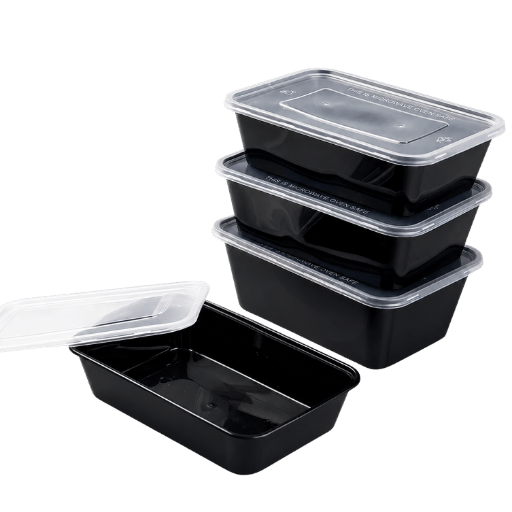
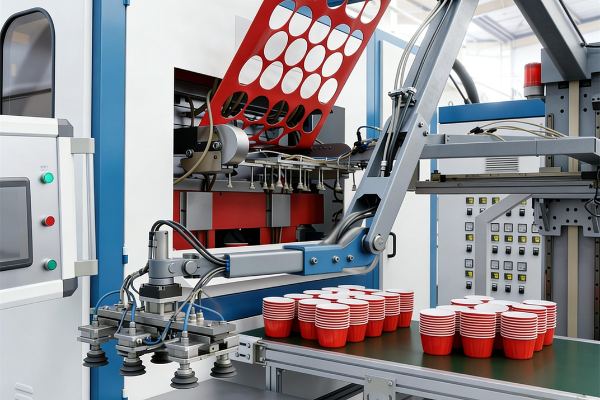
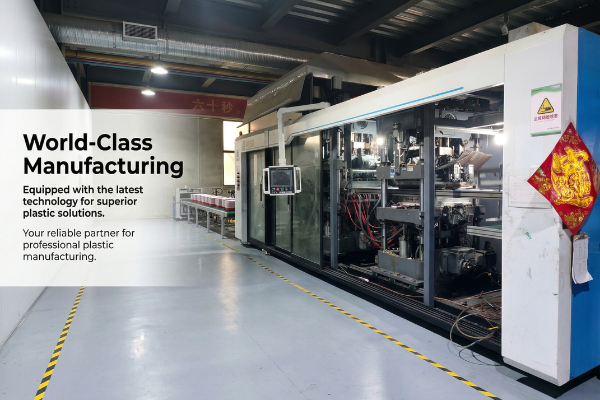
Trays de alimentos a granel de uma fábrica de Shandong de 20 anos de Shandong 2 PP, PET, MF polpa de cana-de-açúcar.20 linhas de termoformação e 60 linhas de moldagem por injeção produzem 1 M + unidades por dia Molde personalizado, impressão de logotipo, compatível com FDA, navios para seis continentes.
20 anos
Fabricação
86
Linhas Produção
6
Continentes Enviados
ISO + FDA
Certificada
Tipos de bandejas (serviços, catering, delicatessens e especialidades)
A categoria de bandejas de alimentos cobre muito mais do que a imagem de muitos compradores do prato de plástico “flat” Organizamos nosso catálogo em torno dos três modos de uso principais que impulsionam 80% de compras B2B, além de quatro subtipos especiais para operações de nicho.
Bandejas Primárias
Bandejas Servindo
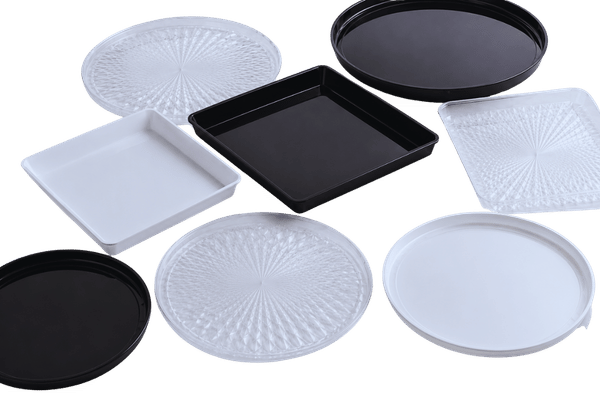
Pratos de plástico redondos e quadrados para buffets, exposição de padaria e apresentação na frente da casa Opções de estoque PP e PET; cor clara ou sólida.
Bandejas Catering
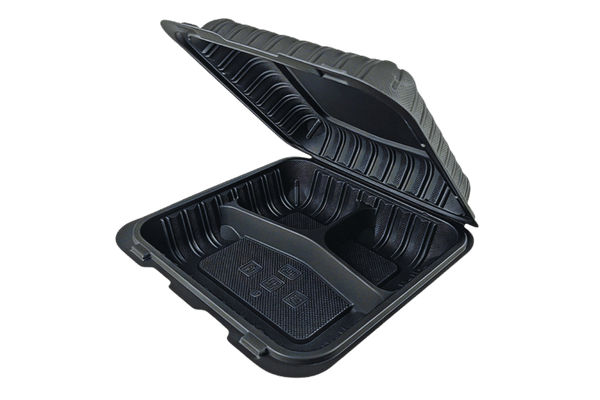
Retângulo e formato grande com tampa articulada ou encaixada grande O nosso design articulado de peça única MFPP elimina a perda de tampa durante o transporte e empilha com segurança em caixas.
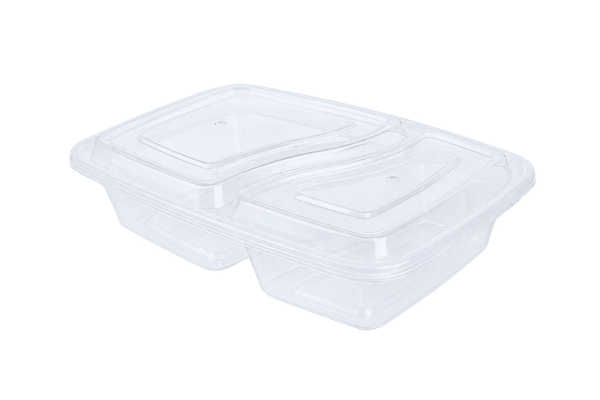
Bandejas Deli
Bandejas compartimentadas e divididas para balcões de delicatessen, charcutaria e embalagens laterais frias. formatos de 2, 3, 5 compartimentos em PET transparente ou PP de qualidade alimentar.
Subtipos Especialidade
Para ir e levar
Bandejas descartáveis para cozinhas fantasmas e operadores de entrega terceirizados.
Bandejas de cachorro-quente
Barcos canelados de papel ou PP para concessões e estádios.
Bandejas Nacho
Formatos multicompartimentados com chip e imersão descartáveis, de nível estádio.
Almoços Escolares Bandejas
Compartimento-dividido, microondas-seguro, BPA-livre para o serviço da cafeteria.
Matriz de decisão Escolha o tipo de bandeja certo
| Tipo Bandeja | Melhor Uso | Faixa de capacidade | Material Típico | Fechamento |
|---|---|---|---|---|
| Servindo | Exposição do buffet, apresentação da padaria | — | PP, PET claro | Tampa opcional |
| Catering com Tampa | Catering externo, entrega de eventos | 70003,500 ml | MFPP, ANIMAL DE ESTIMAÇÃO | Articulado ou encaixado |
| Compartimento Deli | Exposição fria do contador, charcutaria | 3001,500 ml | PP, PET claro | Tampa de encaixe (cúpula) |
| To-Go articulado | Entrega QSR, cozinha fantasma | 7000 ml | MFPP de qualidade alimentar | Dobradiça integrada |
| Compartimento Compostável | QSR eco-posicionado, almoço escolar | 4001,200 ml | Amido de milho (baseado em PLA) | Tampa encaixável |
Materiais e tamanhos desde PP até celulose compostável
A escolha do material é onde a maioria dos erros de aquisição de bandejas de alimentos de plástico acontece Um comprador especifica PP para uma aplicação de forno de 400 °F e a bandeja derrete; outro paga a mais pelo CPET quando o PP padrão teria funcionado.
Matriz de seleção de casos de uso de material ×
Material
Tolerância ao calor
Microondas
Forno Convencional
Congelador
Índice de custo
PP (Polipropileno)
Até 160 °C/ponto de fusão de 320 °F
Sim, ~250°F
Não
Sim
★ Mais baixo
MFPP (PP modificado)
Rigidez mais alta do que PP padrão em temperatura elevada
Sim
Limitado (ciclos curtos)
Sim
★★
PET (Limpar)
Frio a 70 °C/158 °F
Limitado
Não
Sim
★★
CPET
-20 °F a 400 °F de dupla forragem
Sim
Sim, até 30 min
Sim
★★★★
Amido de milho /bagaço /polpa PLA (biodegradável)
Frio a 90 °C/194 °F
Limitado
Não
Sim
★★★
PP é a resposta certa para ~70% de bandejas de foodservice. Onde os compradores precisam de funcionalidade dupla forno-à-mesa, o CPET justifica seu prêmio com uma janela operacional de – 20 °F a 400 °F.
Grade de tamanho padrão (SKUs de estoque)
Formato
Compartimentos
Comprimento /diâmetro
Faixa de capacidade
Uso Típico
Tigela redonda
1
Calibre 120/150/180 mm
3001,750 ml
Salada, sopa quente, refeições
Recipiente com tampa articulada
1 ou 2
6×6/8×8/9×6/9×9 polegada
7000 ml
Take-out, catering
Bandeja Retangular
1, 2, 3 ou 5
Varies (variáveis) disponíveis
3003,500 ml
Deli, almoço escolar
Acessório para Copo Molho
1
1, 2, 3, 4 onças
25100 ml
Curativos, molhos
As convenções de nomenclatura variam entre os fabricantes. Confirme as dimensões em relação ao seu mestre SKU antes de finalizar um pedido.
“Testamos os graus de resina PP PP antes de nos estabelecermos no MFPP de qualidade alimentar que usamos para bandejas de catering hinged 14, é o único que mantém a geometria da borda rígida através de uma execução de termoformação de 1.200 ciclos sem microfissuras.”
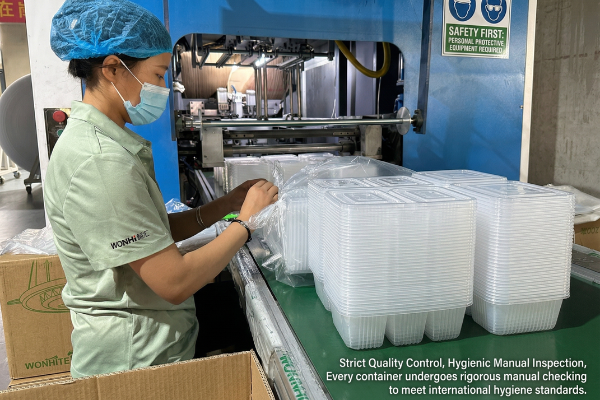
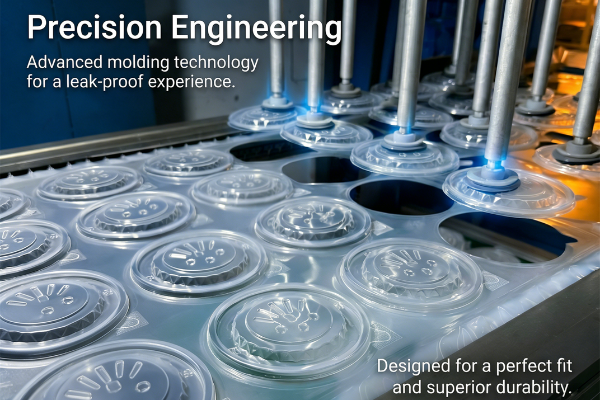
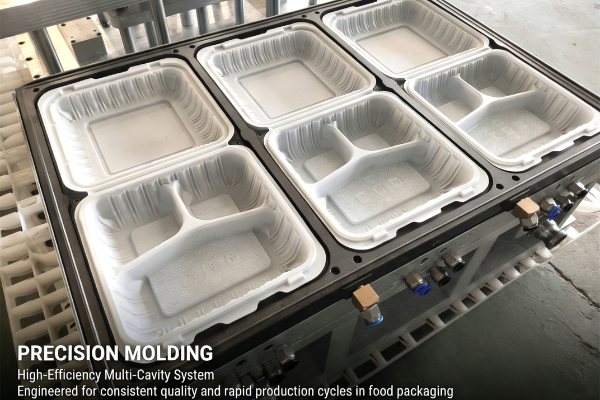
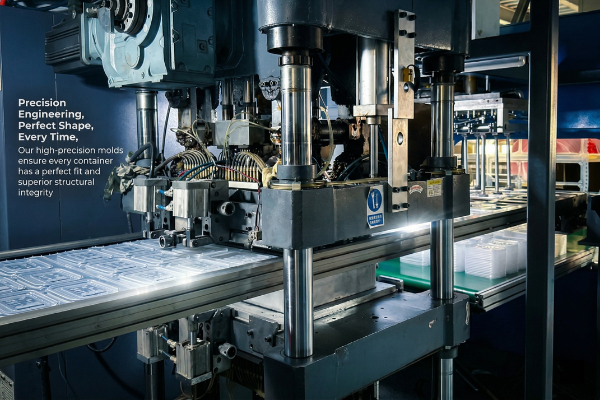
Fábrica de bandejas de alimentos

✕
❮
❯
Tray Solutions Vence cliente real
A razão mais comum pela qual o comprador de serviços deixa um distribuidor nos EUA para um relacionamento direto é o custo unitário (custo unitário), mas a segunda razão, quase sempre é a flexibilidade de especificações personalizadas, não é possível entregar. Os dois casos abaixo são representativos do trabalho que estamos fazendo em 2025; referências completas de clientes disponíveis mediante solicitação de orçamento.
Estudo de caso A · Operador de Kit de Refeição (UE)
Bandeja de compartimento personalizada de 5 unidades salva 181TP3 T na CPU
A marca europeia de assinatura de kits de refeições precisava de uma bandeja PP de 4 compartimentos com rotulagem IML de marca, substituindo um SKU distribuidor dos EUA que estava queimando sua economia unitária.
Volume anual
5.000.000 de unidades
Economia de CPU versus fornecedor anterior
18%
Prazo de execução personalizado do molde
42 dias
Estudo de caso B · Cadeia QSR (Oriente Médio)
Bandeja de catering de marca de 3 cores, entrega de porta de 6 semanas
A rede regional QSR precisava de uma bandeja de catering articulada de 12 polegadas com impressão de marca de 3 cores e um pacote de certificação completo em conformidade com a FDA para desembaraço aduaneiro em três mercados do Oriente Médio.
Quantidade da ordem (PO inicial)
120.000 unidades
Prazo de entrega porta a porta
6 semanas
Pacote de certificação incluído
FDA + ISO + Patente
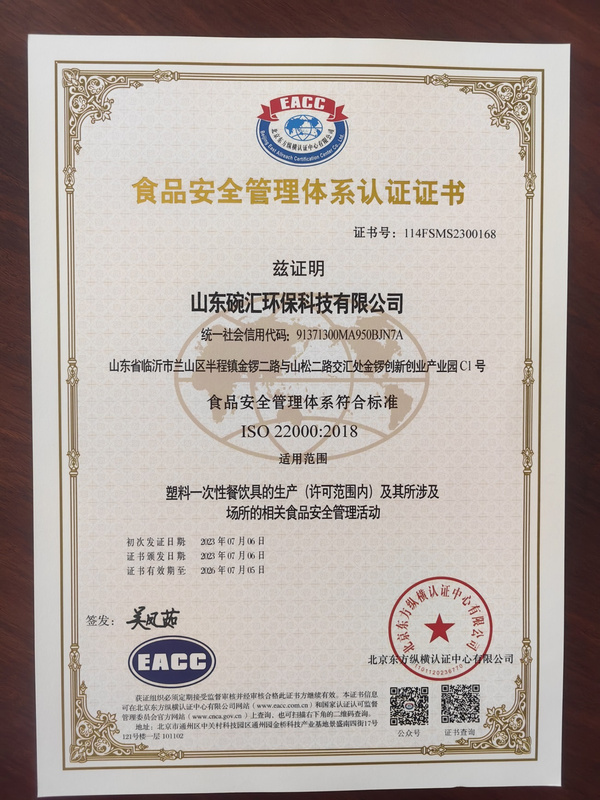
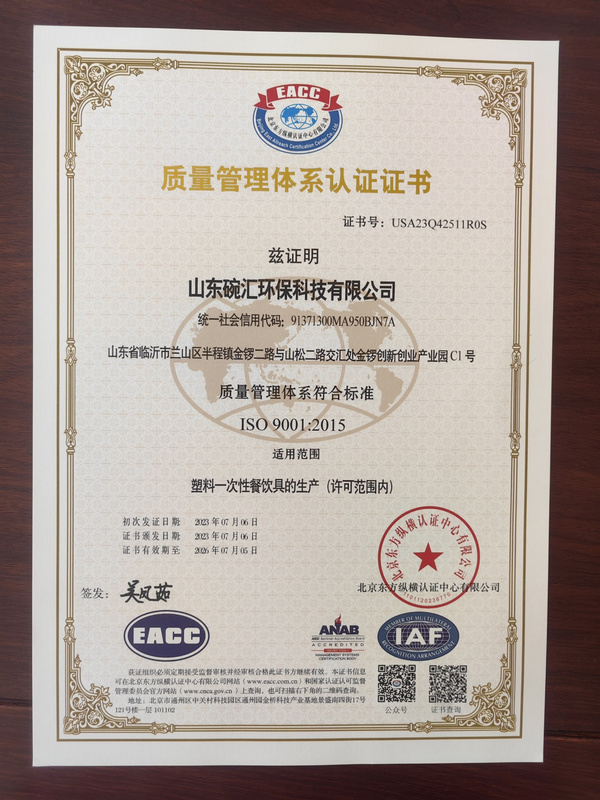
Confie na Stack o que vem com cada pedido Wanhui
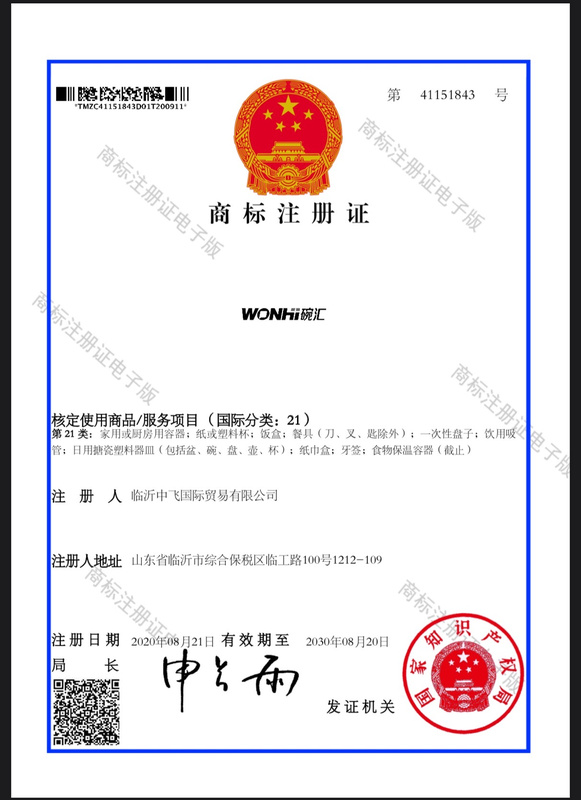
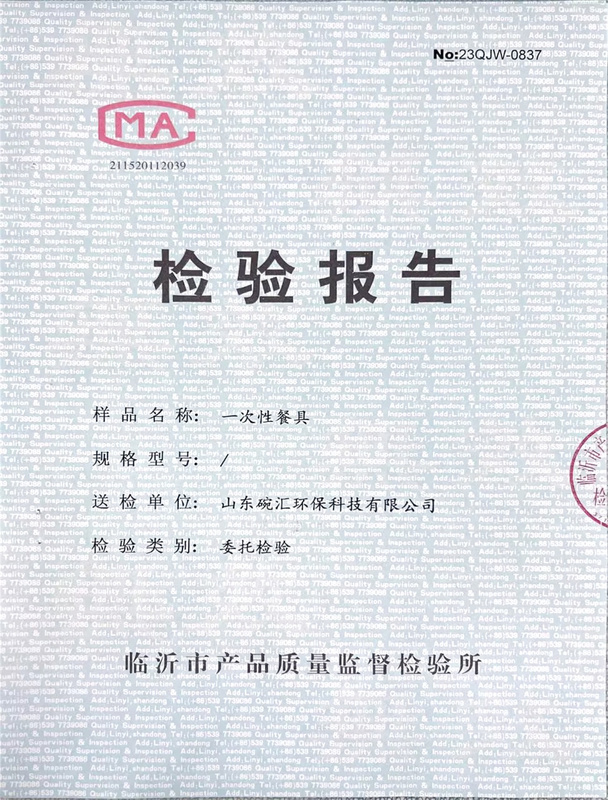
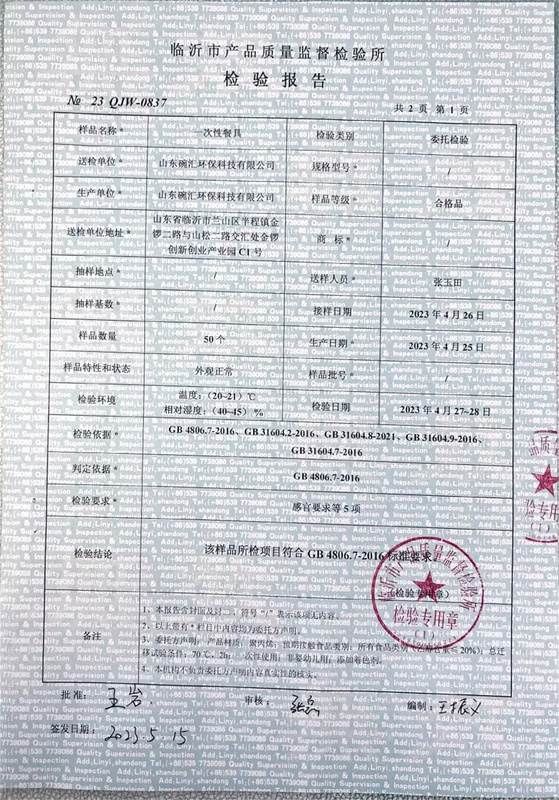
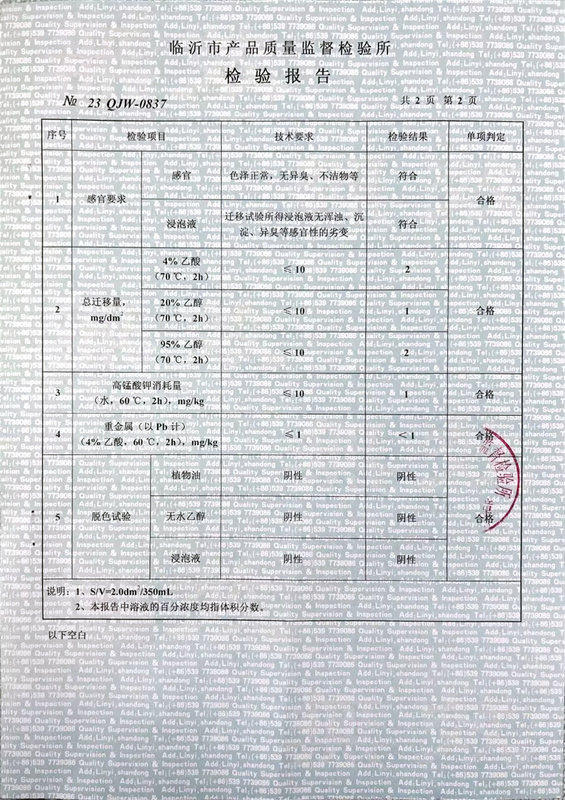
Licença Produção
Contacto alimentar autorizado
Segurança Alimentar Mgmt
Alinhado à ISO 22000
Sistema Mgmt de qualidade
Alinhado à ISO 9001
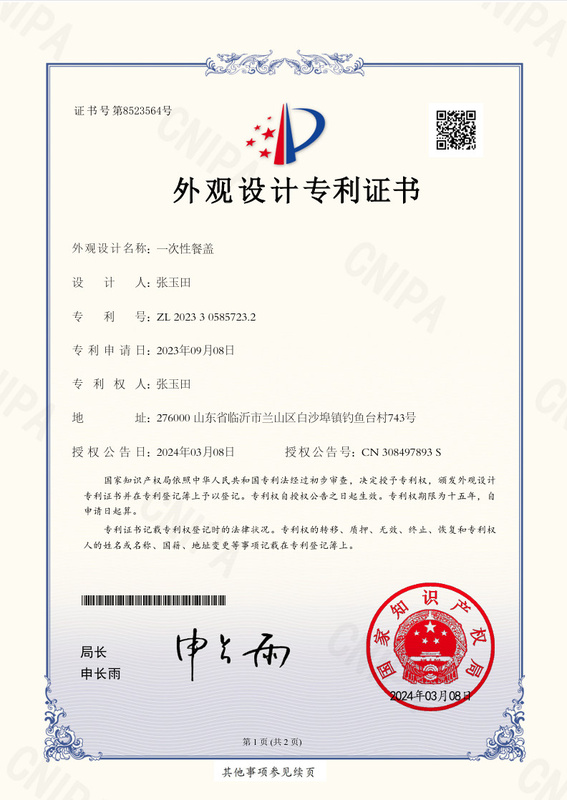
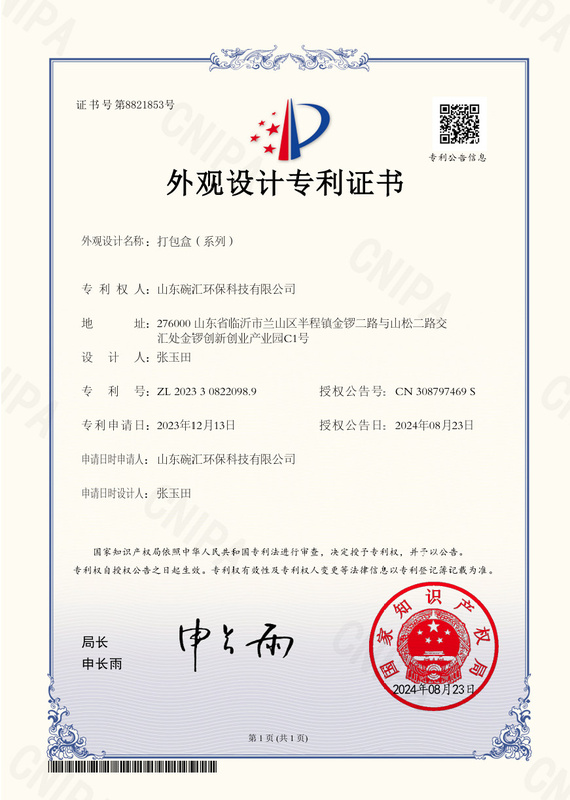
2 Patentes
Caixa de embalagem + tampa
Cada remessa inclui o pacote de certificação acima, uma retenção de amostra de controle de qualidade e um relatório de inspeção de produtos acabados. Os compradores que revendem em mercados regulamentados (UE, GCC, América do Norte) podem solicitar documentação adicional na fase de cotação, portanto o desembaraço aduaneiro nunca é o gargalo.
Aplicações Onde Bandejas Wanhui Navio
O mercado global de embalagens de serviços de alimentação atingiu US$ 7,93 bilhões em 2025 e prevê-se que atinja US$ 150,66 bilhões até 2035, um CAGR de 7,51 TP3. O crescimento concentra-se nas seis verticais abaixo, cada uma com sua própria prioridade de especificação e ritmo de aquisição.
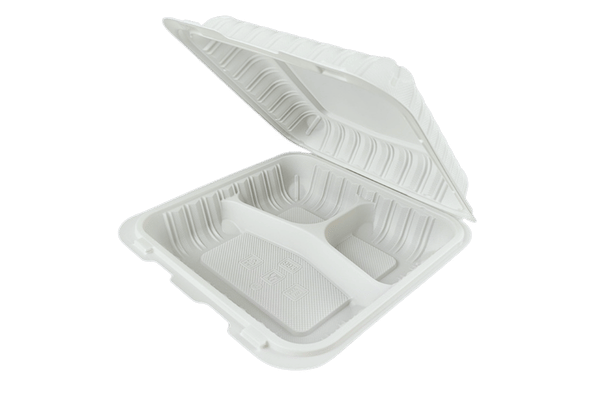
Catering e Eventos
Bandejas de catering com tampa articulada, travessas de compartimento de grande formato.
Especificação Prioridade
segurança da tampa durante o transporte, exterior impresso em marca.
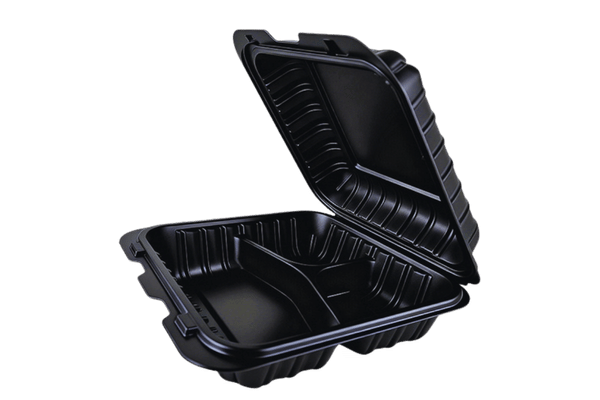
Restaurante QSR e de serviço rápido
Recipientes articulados para viagem, bandejas de compartimento para refeições combinadas.
Especificação Prioridade
microondas-seguro, resistente a vazamentos, baixa CPU em alto volume.

Deli de supermercado e supermercado
Bandejas de delicatessen transparentes com tampas de cúpula, travessas divididas para alimentos preparados.
Especificação Prioridade
visibilidade, compatibilidade freezer-to-display.
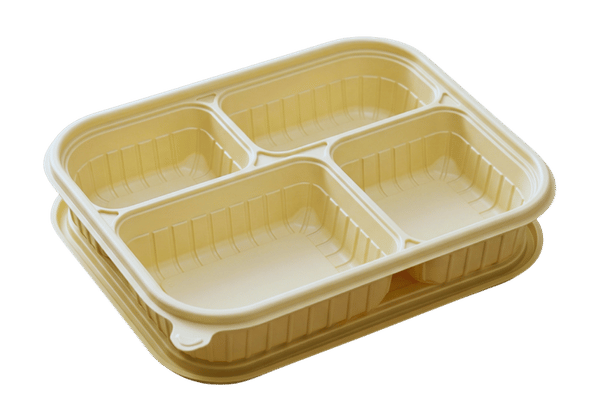
Serviço de alimentação escolar e hospitalar
Almoçadões de compartimento (compartiment) padrão PP e compostável de amido de milho.
Especificação Prioridade
Certificação sem BPA, microondas-seguro, kid-friendly.
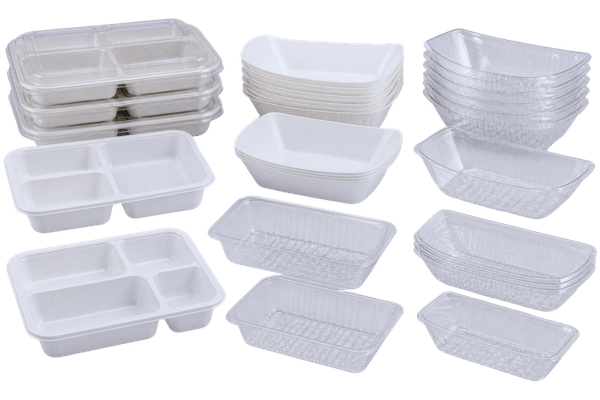
Concessão e Estádio e Companhia Aérea
Barcos de cachorro-quente, bandejas de nacho, bandejas de refeições de bordo.
Especificação Prioridade
empilhável, de uso único, com marca para operadores de locais.
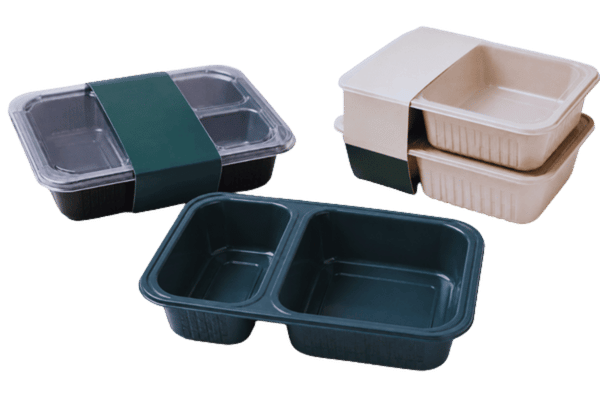
Kit de refeições e assinatura D2C
Bandejas de compartimento da marca IML, formatos de molde personalizados para experiência em unboxing.
Especificação Prioridade
diferenciação de marca, embalagens prontas para comércio eletrônico.
Como encomendar MOQ, molde personalizado e prazo de entrega
O maior arrependimento de aquisição de embalagens B2B é a opacidade do fornecedor. A fonte de economia de unidades B sem verificação cria uma economia que apaga silenciosamente.“ Publicamos toda a estrutura de aquisição abaixo para que a matemática seja transparente antes que você preencha um formulário de orçamento.
O processo de pedido em 3 etapas
1
1 Diga-nos as especificações
Tamanho, material, quantidade, requisitos de branding Envie uma imagem de amostra, um SKU concorrente, um desenho 2 D (2 D drawing) nós podemos citar de qualquer um destes.
2
2 Nós Citamos em 24 Horas
Inclui preço por unidade, custo de molde personalizado (se necessário), prazo de entrega, condições de pagamento e opções de envio FOB /CIF para sua porta de destino.
3
3 Produção, QC, Navio
O depósito de 301TP3 T/T confirma; saldo devido antes da liberação do conhecimento de embarque Entrega acelerada de frete aéreo disponível para reabastecimentos urgentes.
Cartão de Transparência de Aquisições
Pelo que você realmente está pagando
MOQ (SKU)
De 5.000 peças por SKU
MOQ (mofo) personalizado
De 30.000 peças por primeiro PO
Prazo de entrega padrão
15 dias 5 da confirmação PO à FOB Qingdao
Lead Time (Tempo de Chumbo) Molde Personalizado
35 dias 0 total (fabricação de moldes + primeira produção)
Custo do molde personalizado
USD 1TP3,000 $15,000 0 primeiro PO
Condições Pagamento
Depósito 30% T/T · saldo 70% antes de B/L · L/C à vista em pedidos ≥ USD $50.000
Política Amostra
5 amostras de USDrefund grátis · Amostras personalizadas $50 $300 (capazes de fazer pedidos de produção)
Configuração da bandeja de alimentos & ferramentas do ROI
Seletor Material
Avalie e selecione os materiais de qualidade alimentar ideais para seus requisitos específicos de embalagem. Garanta segurança, conformidade e desempenho.
Usar Ferramenta
Calculadora Capacidade
Calcule com precisão o volume e as dimensões necessárias para suas bandejas de alimentos personalizadas Otimize o controle de porções e a eficiência do envio.
Usar Ferramenta
Roi de molde personalizado
Analise o retorno do investimento para soluções de ferramentas personalizadas Tome decisões baseadas em dados para suas estratégias de embalagem de longo prazo.
Usar Ferramenta
Pronto para Especificar Suas Bandejas de Comida?
Envie-nos o seu tamanho, quantidade e requisitos de marcaVoltaremos com uma cotação detalhada, incluindo custo de molde personalizado, e opções de envio dentro de 24 horas Nenhuma chamada necessária para obter preços.
Perguntas frequentes
De que materiais são feitas as bandejas de comida e qual é o melhor para alimentos quentes?
As bandejas de alimentos são mais comumente feitas de polipropileno (PP), PET, CPET, MFPP, espuma (EPS), folha de alumínio, polpa de papel ou amido de milho compostável /fibra PLA. Para aplicações em alimentos quentes, o PP é a escolha padrão (seguro para microondas a aproximadamente 250 °F de acordo com as especificações do recipiente delicatessen em conformidade com a FDA); para uso duplo em forno e microondas, o CPET é o único termoplástico que lida com -20 °F a 400 °F de forma confiável.
Qual é o MOQ para bandejas de comida impressas sob medida?
Para SKUs de estoque com impressão de logotipo personalizado, aceitamos pedidos de 5.000 peças por SKU Para bandejas de molde totalmente personalizadas (sua própria forma e dimensões), o primeiro PO precisa limpar 30.000 peças para amortizar o custo do molde através de um preço sensato por unidade Somos mais flexíveis do que a maioria dos pares de fábrica direta. Os compradores de pequenos lotes geralmente começam com SKUs de estoque e passam para moldes personalizados em escalas de volume.
As bandejas de comida Wanhui são seguras para microondas? Forno seguro? Congelador seguro?
Todas as nossas bandejas PP, MFPP e CPET são seguras para microondas e para freezer A segurança convencional do forno depende do material: o PP padrão não é seguro para o forno; O CPET lida com até 400 °F por 30 minutos; amido de milho /PLA é limitado por microondas e não é seguro para o forno Cada folha de especificações enviada com suas amostras indica explicitamente os limites de temperatura.
Quanto tempo leva o envio para os EUA, Europa ou Oriente Médio?
O frete marítimo padrão é de 25 dias 35 Costa, 25 Costa Oeste dos EUA 20 dias 8 40 dias 10 dias 20 dias 20 dias 20 dias 20 dias 2000000000000000000000000000000000000000000000000000000000000000000000000000000000000000000000000000000000000000000000000000000000000000000000000000000000000000000000.
Que certificações as bandejas Wanhui carregam? são FDA/compatíveis com o contato alimentar da UE?
Nossos materiais PP e PET de contato com alimentos estão em conformidade com os requisitos de estrutura FDA 21 CFR 177.1520 (polímeros de olefina) e Regulamento da UE 1935/2004. A fábrica possui autorização de licença de produção, certificação do Sistema de Gestão de Segurança Alimentar, certificação do Sistema de Gestão da Qualidade e duas patentes emitidas cobrindo designs de caixas de embalagem e tampas. Pacotes de documentação certificados são enviados com cada pedido comercial; cópias de verificação pré-compra estão disponíveis mediante solicitação.
Você pode imprimir o logotipo da nossa marca nas bandejas? custo de configuração?
Sim Opções de impressão simples embutidas. (1) Impressão flexível multicolorida em SKUs de estoque, sem taxa de configuração para pedidos acima de 10.000 unidades. (2) IML (rotulagem no molde) para bandejas de marca premium e de marca própria, onde o gráfico está na parede do contêiner e ganhou o ideal de descascamento ou desbotamento de wont para embalagens prontas para varejo e para kits de refeição. (3) Correspondência de resina de cor personalizada para bandejas de cor sólida Pantone-match disponível com uma carga única de desenvolvimento de cor.
Como é calculado o preço do molde personalizado?
O custo personalizado do molde de injeção ou termoformação é executado USD $3,000$15,000 dependendo da complexidade da geometria, número de cavidades e grau de material Normalmente estruturamos o pagamento como 501TP3 T adiantado para fabricação de moldes, com o saldo amortizado contra seu primeiro pedido de produção para que o custo do molde apareça no seu preço por unidade, em vez de como uma despesa de capital separada. Reencomendas subsequentes veem a queda por unidade.
Qual é a diferença entre bandejas de comida PP e PET?
PP (polipropileno) é opaco de cor sólida, microondas-seguro a ~ 250 °F, eo mais baixo custo-grau termoplástico °C ou cavalo de batalha para take-out e catering PET é cristalino, freezer-seguro, e excelente para exibição a frio (deli, salada, charcutaria), mas limitado acima de 158 °F.
CPET é o primo tratado termicamente do PET que suporta temperaturas de forno de até 400 °F.
Regra prática do comprador: PP para aplicações quentes, PET para exibição a frio, CPET reservado para verdadeiros SKUs de dupla temperatura.
Quantas bandejas de catering preciso para 50 convidados?
Para um evento de buffet servindo 50 convidados, planeje aproximadamente 1 polegada grandes (16 trate 88) para exibição entée, 6 grandes (16 trate 8) para exibição entée, 46 médio (124 polegadas, e 24 pequenos para sobremesas Adicionar 20% overhead para a apresentação de amostras da tripulação e bandejas de porção única para ir para um evento de estilo banhado de 50 pessoas precisaria de mais perto de 60065 unidades (1015% quebra /buffer de mudança de especificação).
Qual é o seu processo de QC e taxa de defeitos?
Cada produção passa por inspeção visual em linha (a cada 30 minutos), verificação dimensional aleatória (a cada 2 horas) e uma retenção de amostra de produtos acabados retirada da última caixa de cada PO. A taxa de defeitos na bandeja de nível comercial é calculada em média abaixo de 0,5% (processamento de sinistros dentro de 14 dias após o recebimento de qualquer contêiner que chegue fora da tolerância da folha de especificações.
Em alta agora