Entre em contato com Wanhui Company

RECIPIENTES ARTICULADOS PLÁSTICO
Recipientes articulados de plástico Embalagem Wholesale Clamshell Food
Recipientes de alimentos articulados PP, MFPP, PET diretos de fábrica feitos para entrega (fechos Leak-Proof Cl), opções seguras para micro-ondas, moldes OEM para restaurantes, entregas e distribuidores.
- Opções materiais: PP /MFPP /PET
- Pegadas padrão: 6×6 ×9 em
- Acabamentos de estoque: Preto · Branco · Claro
Por que os recipientes de alimentos articulados falham com muito mais frequência no “last mile” do que na cozinha (E por que custa reembolsos, avaliações ruins e clientes recorrentes).Os fabricantes de Wanhui têm tampa articulada e recipientes de alimentos em concha para operadores de serviços de alimentação e entrega que já pagaram o preço de uma costura com vazamento e dobradiça quebrada. Aqui você encontrará orientações sobre materiais, nossa linha de produtos de contêineres articulados, especificações de construção, certificações e informações de compra no atacado.
1M+ unidades/dia
Capacidade produtiva
ISO 22000 + 9001
Sistema certificado
Moldes OEM
Ferramentas e impressão personalizadas
Por que a embalagem para viagem falha:
Vazamentos, neblina e dobradiças quebradas
O que é um contêiner articulado (também conhecido como contêiner em concha ou contêiner Deli)? Um recipiente de peça única com uma tampa presa à base através de uma dobradiça integrada fechada, assim como uma concha Seu design é enganosamente simples, o que leva muitos compradores a ignorar considerações cruciais de design: TheSeal.TheHinge.TheMaterial.
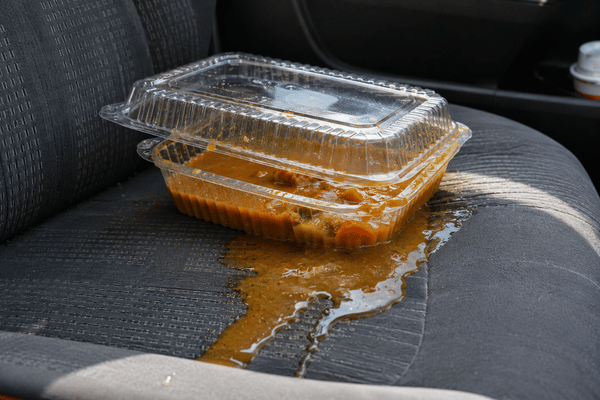
“Fugimento, perda de temperatura, colapso estrutural” não são itens de menu; são os problemas dos contêineres que custam dinheiro às empresas Quando as embalagens de alimentos não conseguem empilhar, derrama sacos de entrega de inundação, atrasando motoristas e irritando clientes Um recipiente frágil ou mal selado prejudica a apresentação de um restaurante antes mesmo que alguém abra a tampa.
Os clientes raramente reclamam da comida em si (relatórios da indústria) antes de confirmar que a falha na embalagem é uma causa muito grande de reclamações de entrega do que a qualidade culinária, com vazamento, perda de temperatura e cobertura estrutural no topo da lista. Um molho descontrolado embebe uma tampa desalojada arruína o apelo visual do prato mais bonito que já viu.
Os três pontos de falha
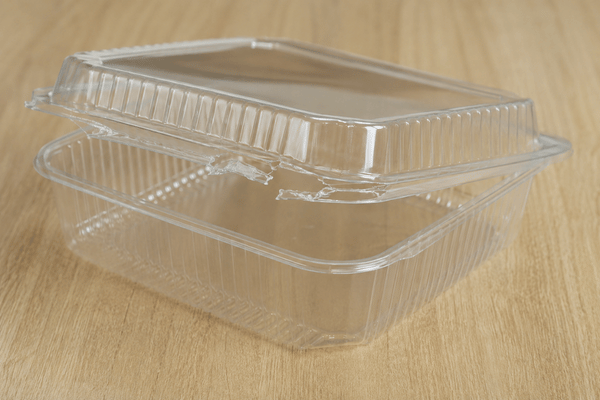
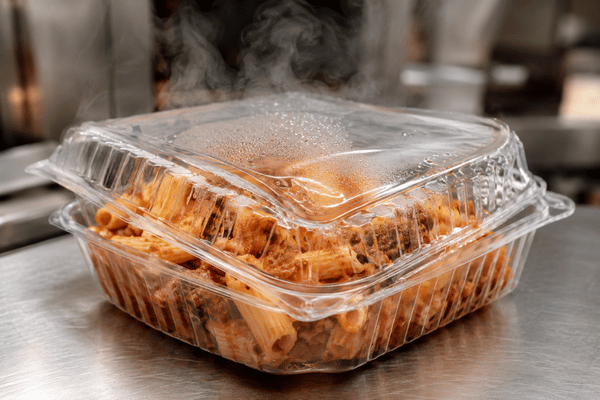
PP vs MFPP vs PET vs PS: Escolhendo o material do recipiente articulado direito
Qual resina é melhor para sua aplicação de embalagem de alimentos?
Na maior parte, a falha do recipiente se resume a uma escolha incorreta de resina no início da cadeia de suprimentos Usando o tipo errado de plástico, como PET para um entre quente fumegante ou Poliestireno para um almoço frio e selado “will” custar você, uma publicação da indústria de serviços de alimentos adverte Examine como os quatro tipos de resina plástica padrão se comportam.
| Propriedade | PP (#5) | MFPP (PP cheio de minerais) | PET (#1) | PS /Espuma (#6) |
|---|---|---|---|---|
| Faixa de temperatura | -4 a 14 °F min /212-266 °F máx | Quente e frio; micro-ondas | Aproximadamente -22 a 120°F | Frio/apenas curto prazo |
| Seguro para microondas | Sim | Sim | Não há urdiduras/urdiduras | Não |
| Clareza | Translúcido | Opaco (preto /branco) | Cristalino | Opaco |
| Cortar & molhar a resistência | Bom | Alta resistência e imersão | Moderado | Baixo |
| Código de reciclagem | #5 amplamente aceito | #5 até 40% mineral, menos plástico | #1 aceito, mas as conchas variam de acordo com a cidade | #6 raramente aceito; proibido em algumas cidades |
| Menu mais adequado | Entradas quentes, sopas, refeições reaquecíveis | Pega-e-vai quente, frituras, preparação de refeições | Saladas frias, wraps, bolos, delicatessen | Apenas itens de frio orçamentários |
Dados de temperatura e reciclabilidade compilados a partir do Guia de materiais de serviço de alimentação de louças e das referências de materiais de contêineres de dardos. A terminologia pode variar entre fornecedores; consulte o SKU para obter especificações precisas.

Por que o MFPP é o carro-chefe da comida quente para viagem
O polipropileno cheio de minerais utiliza minerais naturais 401TP3 T como matéria-prima para alcançar um equilíbrio mínimo entre o conteúdo plástico e a resistência ideal da caixa É resistente ao corte, resistente à água e microwavable uma escolha inteligente para qualquer oferta de transporte quente.
Quando um restaurante de entrega está enviando qualquer coisa, desde frango frito até tigelas de arroz quentes, usando polipropileno cheio de minerais significa que eles podem automaticamente dizer não ao “isso vai aguentar? pergunta do” na mente do cliente, não há necessidade de sequer considerar se eles vão reaquecer esse alimento.
Reciclagem, em termos simples
O plástico PP ou MFPP tem um código de resina #5, e o plástico PET tem um código #1 Muitos programas municipais de reciclagem na calçada aceitam ambas essas resinas, embora o formato PET aceito dependa se é concha aberta ou articulada O código de resina de embalagem PS (Styrofoam) é #6 e está sendo cada vez mais rejeitado pelos municípios e está sendo eliminado por várias cidades dos EUA. O enchimento mineral em MFPP ajuda reduzindo a quantidade de plástico por recipiente usando minerais para adicionar estrutura.
PET sai por cima para alimentos frios, onde o valor de exibição pode influenciar a decisão de compra de um cliente A aparência visual de uma salada crocante e em camadas em uma concha de PET cristalina, ou uma massa colorida lindamente envidraçada pode influenciar diretamente o cliente a pedir Onde um comprador se mete em problemas é usar PET para algo que um cliente reaquecerá mais tarde.
“Não estamos tentando dizer que um material é o melhor absoluto Quando trabalhamos com um cliente cujo modelo de negócios é 801TP3 T hot carryout, então vamos olhar automaticamente para o polipropileno preenchido mineral e, em seguida, não se ouve mais sobre a possibilidade de reclamações de clientes de microondas Nós só prescrevemos PET para produtos frios, para alimentos frios onde a venda é puramente no visual.”
Equipe de Engenharia de Aplicação Wanhui
“Os clientes também expressam preocupação em ter o logotipo do restaurante “não parece tão bom” em um contêiner MFPP em comparação com uma marca de última geração ou um logotipo privado muito atraente no PET transparente.” Mas esta objeção muitas vezes desaparece assim que o produto corresponde ao uso final. Visuais claros funcionam para trabalhos frios e de durabilidade para quente; nenhuma resina pode fazer as duas coisas com eficiência.
[SYS-SPEC: ARTICULADO] // INICIALIZAÇÃO
Gama de contêineres articulados Wanhui: tamanhos, capacidades e configurações de uso
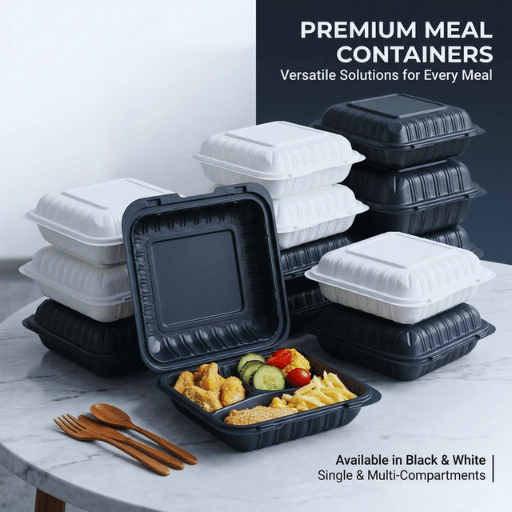
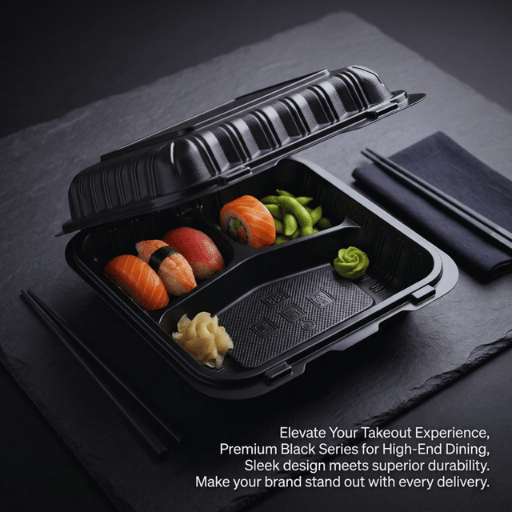
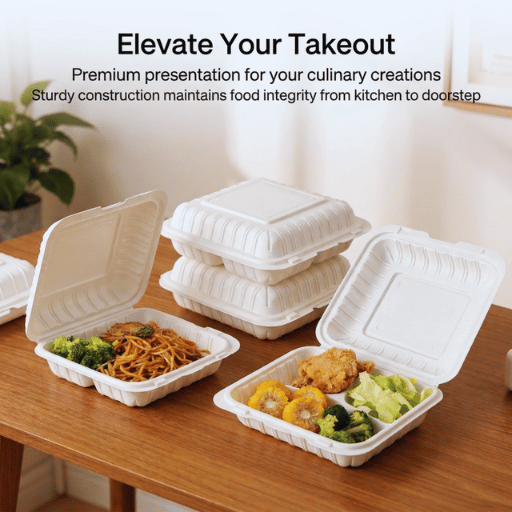
Wanhui oferece uma das linhas mais amplas de recipientes de transporte articulados para atender às pegadas que fazem os maiores volumes em alimentoservice quadrado, retangular, multicompartimentado e compartimentos únicos, todos em preto, branco e transparente Os recipientes de transporte articulados oferecidos em claro são PET e destinados a alimentos frios e os recipientes de transporte articulados MFPP estão em preto ou branco para manter o calor para alimentos quentes. Cada uma das conchas abaixo tem um pacote de caixa indicativo, Quantidade Mínima Necessária (MOQ) real e Prazo de entrega devem ser fornecidos com sua cotação.
Recipiente MFPP Hinged 6×6 pol
SPC-01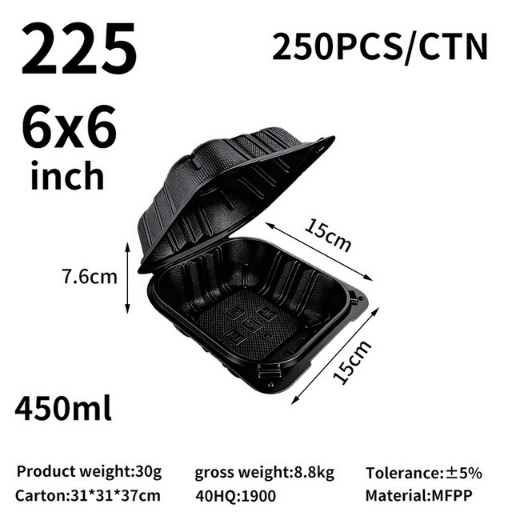
- Material MFPP preto/branco
- Usar hambúrgueres, sanduíches, laterais
- Pacote de caixa ~250 unidades
Recipiente MFPP Hinged 9×6 pol
SPC-02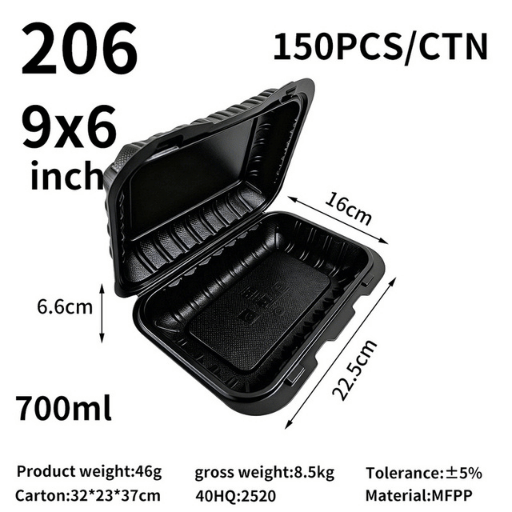
- Material MFPP preto/branco
- Usar refeições de uma só entrada, tigelas de arroz
- Pacote de caixa ~150 unidades
Recipiente MFPP Hinged 9×9 em
SPC-03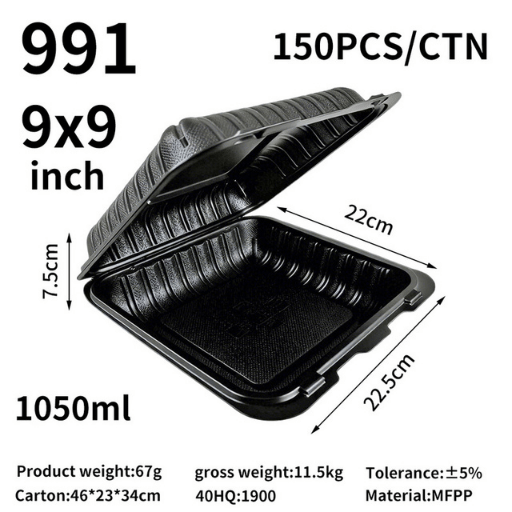
- Material MFPP preto/branco
- Usar refeições completas, porções familiares
- Pacote de caixa ~150 unidades
Recipiente Deli articulado PET transparente
SPC-04
- Material PET claro
- Usar saladas, wraps, fatias de bolo, delicatessens
- Pegadas 6×6 a 9×9 pol
[DADOS: MATRIZ DE APLICAÇÃO]
Não deve haver mistério em determinar qual concha se encaixa em qual item de menu e não há nenhuma adivinhação envolvida Podemos dar aos compradores de compras uma matriz como esta, combinando todas as nossas pegadas com o aplicativo de foodservice mais apropriado, para permitir que os profissionais de compras escolham o número correto do item imediatamente de sua RFQ.
| Recipiente | Pegada | Material | Aplicação Best-Fit |
|---|---|---|---|
| 6×6 articulado | 6× 6 pol | MFPP | Hambúrguer único, sanduíche, porção lateral |
| 9×6 articulado | 9× 6 pol | MFPP 1 /3-comp. | Entrega quente em uma única árvore com o tamanho de volume mais alto |
| 9×9 articulado | 9× 9 pol | MFPP | Refeições familiares, pratos combinados, pratos em camadas |
| Concha delicatessen PET | 6×6 ×9 em | PET | Saladas frias, wraps, padaria e exposição de fatia de bolo |
Nota de aquisição para distribuidores
Se você distribuir para uma base de restaurante variado, estocando primeiro o seu MPP tamanho 96 e seu 96 tamanho claro PET clamshell cobriria a realização quente e frio agarrar-e-ir & ir os dois aplicativos mais vendidos para negócios de transporte de restaurante Se você servir um cliente exclusivamente, considere enviar-lhes amostras para seus três itens de menu mais vendidos, e podemos recomendar a pegada mais adequada.
Fábrica de contêineres articulados de plástico
✕
❮
❯
Construído para sobreviver à entrega: espessura da parede, resistência a vazamentos e vida útil da dobradiça
Uma concha é tão boa quanto a costura que mantém o recipiente fechado ou a resistência de sua dobradiça Dois itens podem parecer visualmente semelhantes on-line, mas quando jogados em uma sacola de entrega de restaurante com outros 5 contêineres, têm resultados drasticamente diferentes quando entregues à porta do cliente. Nosso padrão de engenharia e construção garante durabilidade nas três áreas em que a maioria das conchas baratas falha.
[SYS-CORE] ESPECIFICAÇÕES DE ENGENHARIA
Padrão de construção Wanhui
01
ESPESSURA DE PAREDE REFORÇADA
Wanhui constrói sua folha de espessura aprimorada em recipientes para que a base não desmorone para dentro quando fica quente com alimentos O fundo desvia e uma base colapsada pode quebrar o assento da tampa.
02
FECHAMENTO BLOQUEIO
O aro é encaixado no aro e será travado ao longo do perímetro Nenhum líquido fluirá sobre a borda, e isso impede que o saco tombe quando empilhado.
03
DESIGN DE DOBRADIÇA VIVA
A área de dobradiças da tampa é parte integrante da caixa, e foi projetada para permitir milhares de ciclos de abertura sem rachar ou quebrar, os pontos de falha mais comuns em caixas de tampa baratas.
[DATA-STREAM] ANÁLISE TCO
Essas escolhas de design são compromissos, não cortes Mais resina, paredes mais grossas custam um pouco mais por caixa, e essa é a diferença entre aceitar um custo $0 para um produto devolvido, ou absorver a despesa total da reclamação, que pode correr centenas de dólares por pedido se contarmos reputação perdida Para centenas de pedidos por dia, essa diferença é muitas vezes simplesmente ’round off’
[AVISO] Onde as importações escassas cortam os cantos
Plástico inferior que é arco ‘Under-gauge’, permitindo que ele flexione para cima Isso distorce o assento da tampa para que o topo não possa selar apertado; tampas vão estourar aberto em trânsito ou quando empilhados, como vimos mais de poucas vezes com caixas importadas mais baratas.
A dobradiça frágil e dura no início de seu uso talvez se encaixe em dezenas de ciclos abertos e fechados antes que a parte superior não possa mais travar para permanecer selada. E os encaixes rasos simplesmente não conterão nenhum conteúdo móvel quando o pedido cair na unidade de entrega ou em uma entrega empilhada.
[DOC_ID: WH-CS-883]
Resultados do cliente: Cortando reclamações de vazamento para uma marca de entrega de refeições
A maneira mais simples de demonstrar o problema da embalagem inadequada é rastrear a experiência de um operador mudando a partir dela Aqui está como uma dessas operações foi para caixas Wanhui ajustamos os números para um caso geral, pois as médias de reclamação serão diferentes por região e volume de operação.
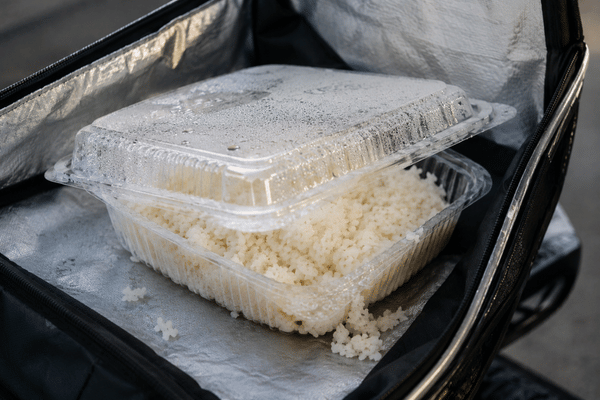
Antes do problema
Considere este serviço de entrega de tamanho médio: eles estavam enviando arroz quente para os clientes em caixas de concha claras finas e baratas, escolhidas principalmente para a aparência visual no restaurante No entanto, uma vez no caminho, as tampas estavam abrindo; o arroz quente e cozido no vapor deixou todo o plástico transparente embaçado Os clientes estavam recebendo produto comprometido e enviando reclamações que custaram ao restaurante mais de $100 cada ao contabilizar o reembolso, a nova tentativa de entrega, a fidelidade perdida e etc.
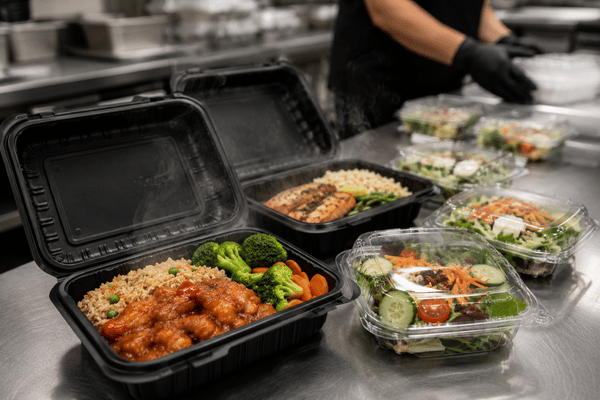
O interruptor
O serviço de entrega de refeições prontamente trocou seus pratos quentes pelas caixas articuladas de polipropileno da Wanhui e manteve alinhado o fino molusco plástico para saladas geladas e outros pratos orientados para a exibição Escolha do material e seus benefícios; PP microwavable, resistente a cortes, não propenso a turvação e opaco (quando vapor/visual não exige clareza); outras opções usadas em outros pratos, conforme apropriado.
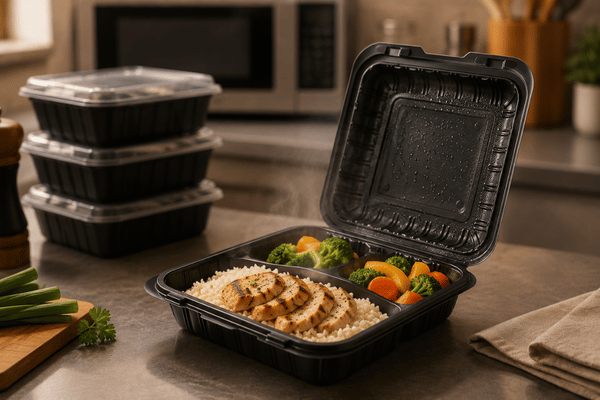
O resultado
As empresas que mudam para a configuração Wanhui normalmente experimentam uma redução significativa nas reclamações dos clientes sobre vazamentos e desaparecimento quase total de “isso pode ser colocado no micro-ondas? consultas de” O ROI não é apenas uma melhoria dramática, mas a eliminação de vários drenos repetitivos e de linha de fundo que nunca param com embalagens sob especificações.
$100+
[CUSTO_ANÁLISE]
Custo típico para um único operador de entrega, reembolso, desconto de ágio e pedido repetido perdido combinado.
Estimativa qualificada do setor (contexto de entrega de alimentos on-line nos EUA).O impacto exato varia de acordo com a operação. Solicite uma análise personalizada.
Certificações e conformidade de segurança alimentar
Aos olhos do importador, lidar com um fornecedor desconhecido normalmente apresenta uma questão de conformidade até que a documentação de apoio seja apresentada. Wanhui inclui documentos de certificação adequados de qualidade e segurança alimentar que detalharão padrões exatos, em vez de garantias vagas de conformidade.
01
ISO 22000:2018
Segurança alimentar mgmt Cert 114FSMS2300168
02
ISO 9001:2015
Qualidade mgmt (em inglês) Cert USA23Q42511R0S
03
FDA 21 CFR 177.1520
Matérias-primas compatíveis com contato alimentar com polímeros de olefina
04
CN Prod. Licença
XK16-204-204717 Embalagem plástica para alimentos 16Números de certificação específicos para Shandong Wanhui. Estes incluem FDA 21 CFR 177.1520 que abordam o uso de polímeros de olefinas como componentes de artigos em contato com alimentos.
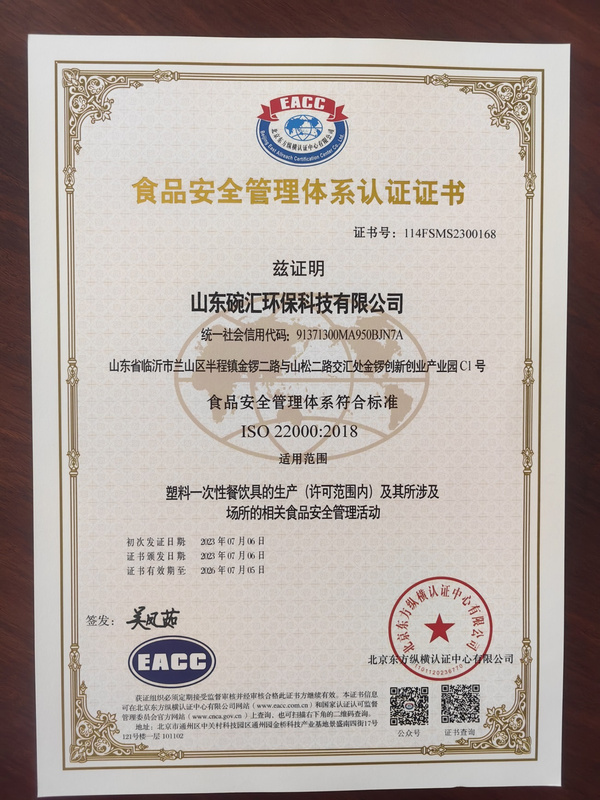
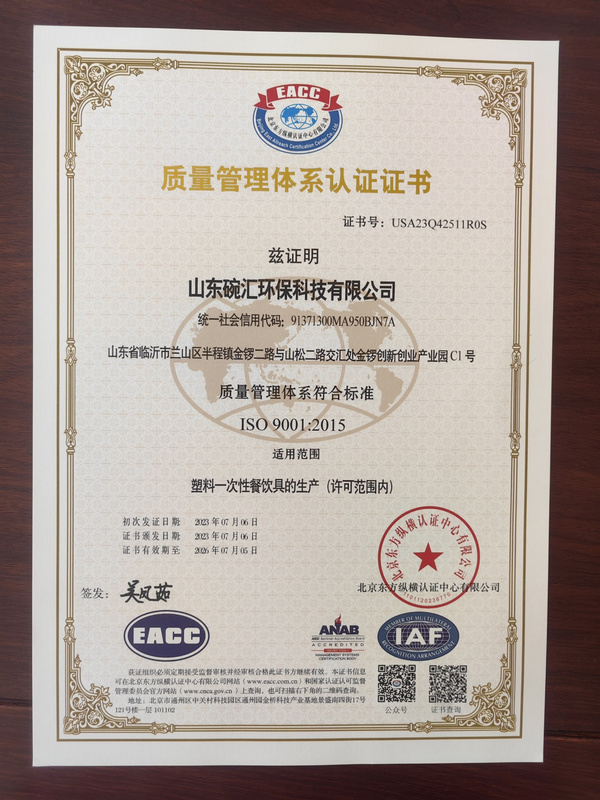
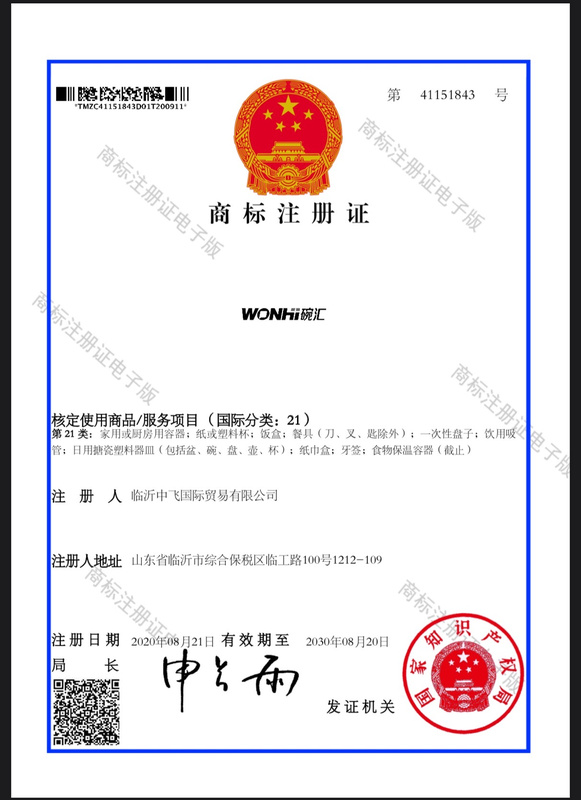
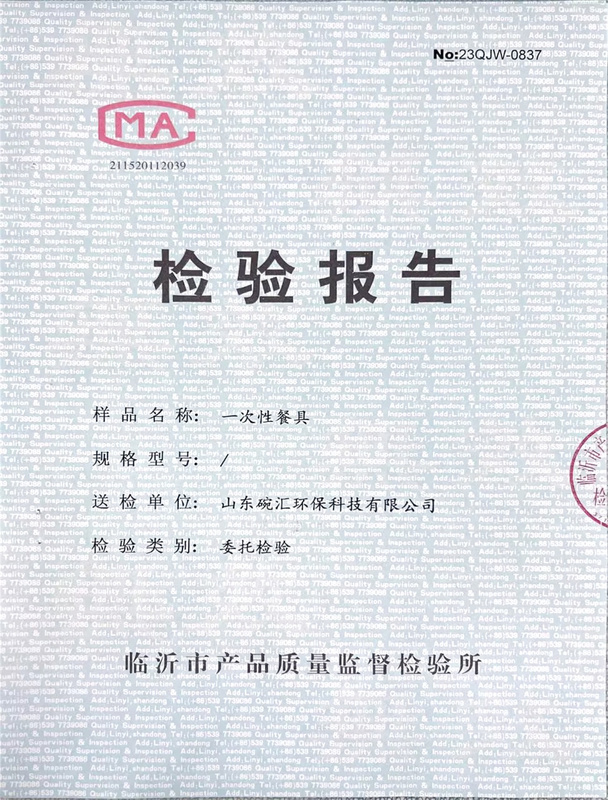
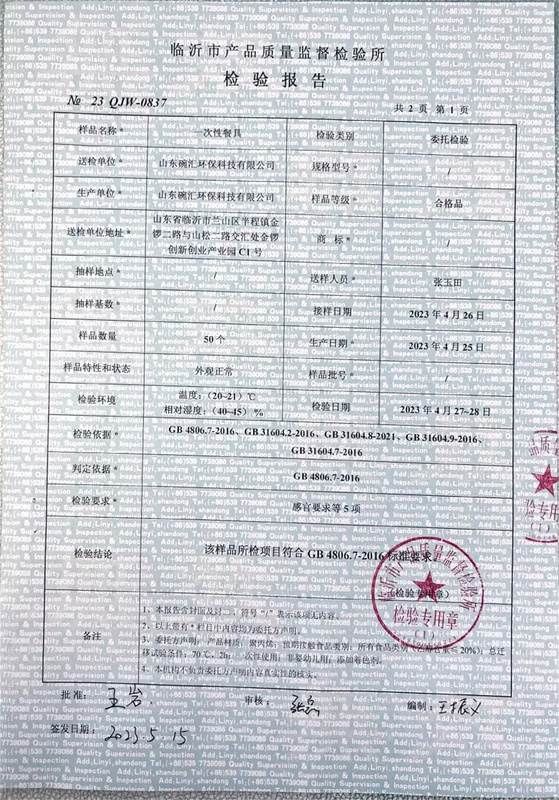
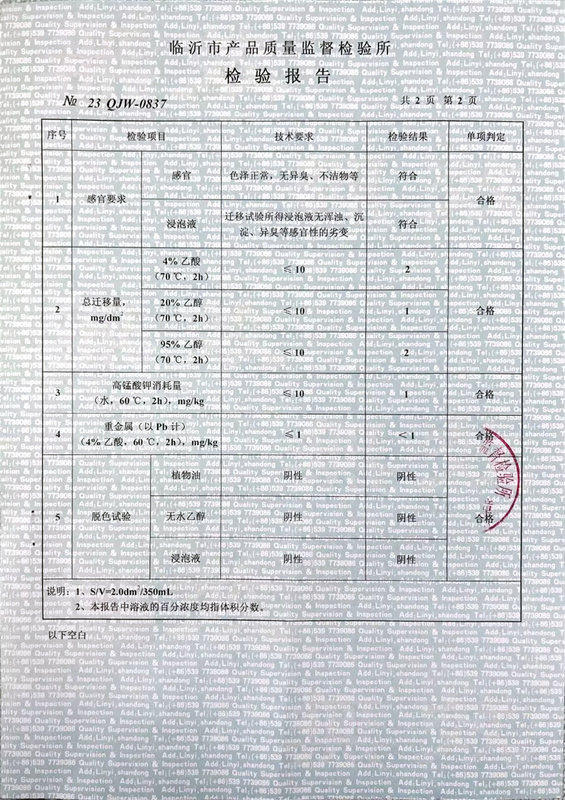
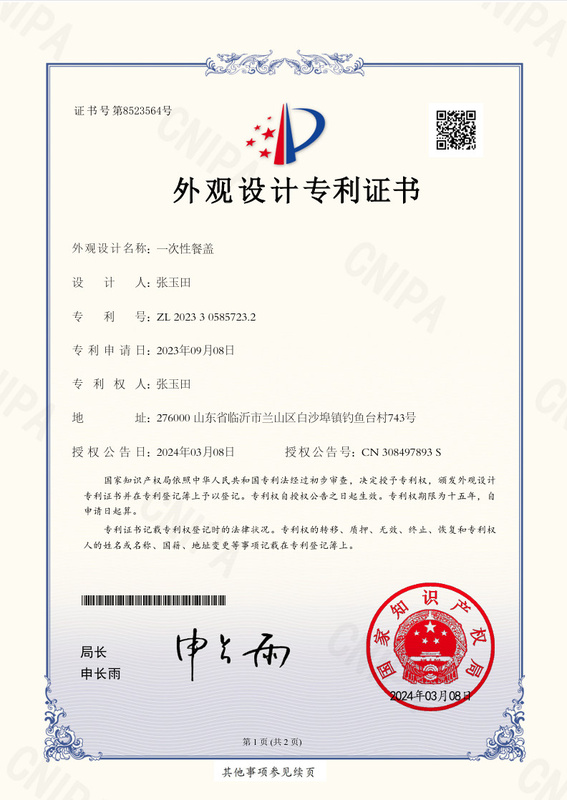
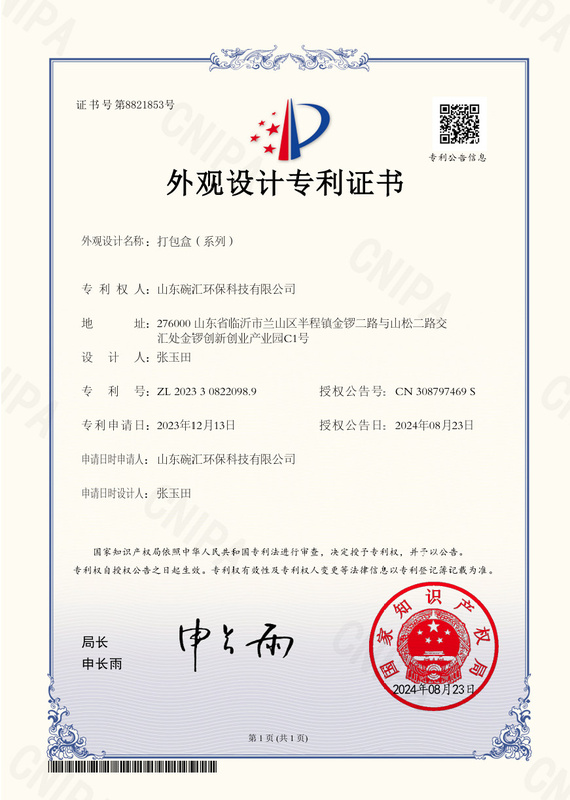
Cada produto Wanhui é Feito Com Matérias-primas de Grau Alimentar E Cumpre Com os Padrões higiênicos nacionais & Requisito de certificação de Segurança Alimentar Internacional Existem 2 patentes de modelo de utilidade na caixa de refeição e tampa dos recipientes; Certificados estão disponíveis para serem emitidos para a auditoria do comprador /3rd, mediante solicitação Se uma equipe de aquisição está revisando um potencial fornecedor no exterior, isso significa que sua cadeia de auditoria está no lugar antes de você pedir um – não depois que algo der errado.
[SYS-INFO // AQUISIÇÃO ]
Preço por atacado, MOQ, prazo de entrega e personalização OEM
Comprar contêineres articulados por atacado é totalmente diferente de comprar em uma prateleira de produtos em estoque em um distribuidor O preço pago a um distribuidor teve uma marcação de varejo incluída; O preço de um fabricante é o que é pago antes de todas as marcações Para você entender o impacto do custo de comprar de um fabricante, não é apenas o custo de unidades individuais, mas sim o custo total desembarcado da remessa.
O que impulsiona uma cotação de contêiner articulada
Enquanto um preço de adesivo não pode descrever com precisão o custo de uma concha de atacado, uma cotação pode ser entendida observando os fatores que criam uma cotação Um comprador que entende esses fatores está bem posicionado para comparar cotações entre fornecedores objetivamente, em vez de perseguir o preço de manchete mais baixo.
Estrutura de fatores de preço
[ESPEC-01]
Material e medidor.
Sua escolha de Material (PP, MFPP ou PET) e espessura do material (gage) determinará o custo da resina para cada unidade.
[ESPEC-02]
Quantidade Pedido.
Os custos de produção diminuem significativamente em volumes mais altos de 5.000-100.000 + unidades e serão precificados com MOQs em níveis de tamanho de pedido.
[ESPEC-03]
Personalização.
Existem três níveis de preços: SKU genérico; SKU com logotipo; e moldado personalizado.
[ESPEC-04]
Tipo Expedição.
Você pode optar por Carga Completa de Contêiner (FCL) em volume ou Carga Menor que o Contêiner (LCL), uma escolha menos cara que pode levar mais tempo.
[ESPEC-05]
QTY e prazo de entrega do pedido mínimo.
Porque oferecemos ambos SKU genérico com logotipo, bem como opções de moldagem personalizada, e temos ambas as opções de envio FCL & LCL disponíveis, quantidades mínimas de pedidos (MOQ’s) e prazos de entrega podem muito dependendo de suas preferências personalizadas e de envio Um comprador preocupado que o envio de um contêiner oceânico da China pode estar fora de sincronia com suas necessidades imediatas, deve considerar o prazo de entrega projetado e, em seguida, ajustar a frequência de pedidos para otimizar seus benefícios de custo Um gerente de compras que faz pedidos estrategicamente ainda pode obter uma economia unitária significativamente melhor comprando diretamente do fabricante do que se encomendar de um fornecedor de estoque doméstico.
Antes de cometer um PO
Ao fazer o pedido na Wanhui, você deverá fornecer seus itens de menu superior, quais unidades mensais totais você pretende encomendar, o mercado de destino de suas remessas e se desejar marca personalizada ou moldes personalizados. Enviaremos a você a cotação completa que inclui o SKU e o preço com as quantidades mínimas do pedido (MOQ), o prazo de entrega estimado e as taxas de envio aplicáveis, para que você possa ter certeza de um orçamento construído para uma estimativa precisa de custos, e não simplesmente um preço específico da unidade.
A capacidade da Wanhui de fazer pedidos OEM personalizados em contêineres de alimentos articulados personalizados em grande escala torna possível a marca que você espera. Os moldes de marca e personalizados são produzidos em nossas instalações utilizando nossas 20 linhas de termoformação, 6 linhas de extrusão de folhas e 60 máquinas de moldagem por injeção, criando a capacidade de você adquirir 100.000 contêineres personalizados por mês, sem a necessidade de um cronograma de aquisição alongado.
Ferramentas de engenharia de contêineres articulados de plástico
Seletor Material
Avalie e selecione os polímeros plásticos ideais para seus requisitos específicos de temperatura, durabilidade e conformidade.
Ferramenta Lançamento
Localizador de tamanho de contêiner
Determine com precisão as especificações dimensionais exatas e a capacidade volumétrica necessária para suas linhas de embalagem de alimentos.
Ferramenta Lançamento
Estimador de custos no atacado
Calcule o preço do volume em massa e projete seu orçamento de compras com nosso modelo de estimativa de atacado em tempo real.
Ferramenta Lançamento
Perguntas frequentes
Esses recipientes articulados podem ser colocados no micro-ondas e com que temperatura eles lidam?
Pode ser confuso como alguns recipientes de alimentos PP/MFPP devem ou não ser colocados no microondas Em suma, se for fabricado pela Wanhui você deve esperar que todos os recipientes de alimentos PP e MFPP tenham um desempenho seguro até e entre a faixa térmica de 212-266 F no microondas, onde manterá sua integridade em temperaturas mais altas de cerca de 195 F, o que manterá os alimentos em temperaturas mais altas por mais tempo; PET, por outro lado, não pode suportar a temperatura e começará a derreter em cerca de 120 F, portanto, estes NÃO são estritamente seguros para microondas; pois os alimentos quentes consideram seu uso final.
Os recipientes Wanhui são seguros para alimentos e compatíveis com os mercados de exportação?
Sim. Os produtos são seguros para alimentos e atendem a rigorosos padrões de controle de qualidade, fabricados usando matérias-primas de qualidade alimentar aprovadas pela FDA, em conformidade com 21 CFR 177.1520 e nosso sistema interno de qualidade ISO 9001:2015 e sistema de segurança alimentar ISO 22000:2018. Você pode verificar os números dos certificados listados na seção intitulada “Certifications.”
Qual é a quantidade mínima do pedido e como os preços no atacado são escalonados?
O preço é baseado em vários fatores: a quantidade que você pede, o material que você escolhe e se o contêiner é um produto padrão ou personalizado Nossa Quantidade Mínima de Pedido (MOQ) depende se você seleciona um item de nossa linha de estoque ou trabalha conosco para criar um contêiner moldado de forma simples envie-nos seus itens de menu mais populares e seu volume de pedido alvo, e forneceremos uma cotação junto com um prazo de entrega estimado, que você pode solicitar aqui: [Solicite estimativa de prazo de entrega].
Você pode imprimir nosso logotipo ou desenvolver um molde personalizado?
Sim. A impressão de logotipos de marcas e o desenvolvimento de moldes personalizados são feitos internamente, em vez de terceirizar Esta é uma vantagem fundamental para redes de restaurantes e marcas de entrega que visam criar uma identidade de marca distinta e reconhecível através de suas embalagens.
Quais tamanhos, capacidades e cores estão disponíveis?
Nossas pegadas padrão variam de 66 a 99 polegadas em ambas as dimensões quadrada e retangular, disponível em ambas as opções de compartimento único e três. Os acabamentos padrão de estoque são preto, branco e claro As pegadas personalizadas podem ser desenvolvidas através do nosso programa de molde oem.
Quanto tempo é o prazo de execução, e você apoia o transporte de LCL (consolidado)?
Fornecemos uma estimativa de prazo de entrega como um intervalo, pois varia dependendo se o estoque ou ferramentas personalizadas são necessárias Também oferecemos transporte Consolidado LCL (Less Than Container Load), permitindo que compradores menores façam pedidos sem se comprometer com uma carga completa de contêiner, o que é ideal para testar um novo contêiner antes de escalar.
Os recipientes articulados de plástico são recicláveis?
Esta é uma questão complicada, pois depende muito do material e seus programas locais de reciclagem Os recipientes articulados PP (#5) e PET (#1) são amplamente aceitos por muitos serviços de reciclagem na calçada, embora a aceitação de recipientes de concha possa variar significativamente por município A espuma PS (#6) raramente é aceita para reciclagem O MFPP incorpora até 401TP3 T de carga mineral, reduzindo a quantidade de plástico usado por recipiente.
Em alta agora