Get in touch with Wanhui Company

PLASTIC HINGED CONTAINERS
Plastic Hinged Containers — Wholesale Clamshell Food Packaging
Factory Direct PP, MFPP, PET Hinged Food Containers Made For Delivery – Leak-Proof Cl closures, microwave-safe options, OEM molds for restaurants, delivery, & distributors.
- Material options: PP / MFPP / PET
- Standard footprints: 6×6 – 9×9 in
- Stock finishes: Black · White · Clear
Why hinged food containers fail far more often in the “last mile” than in the kitchen (And why it costs you-in refunds, bad reviews, and repeat customers). Wanhui manufacturers hinged-lid and clamshell food containers for food service and delivery operators that have already paid the price for a leaky seam and a broken hinge. Here, you’ll find material guidance, our hinged-container product range, construction specs, certifications, and wholesale purchasing information.
1M+ units/day
Production capacity
ISO 22000 + 9001
Certified system
OEM molds
Custom tooling & print
Why Takeout Packaging Fails:
Leaks, Fog & Broken Hinges
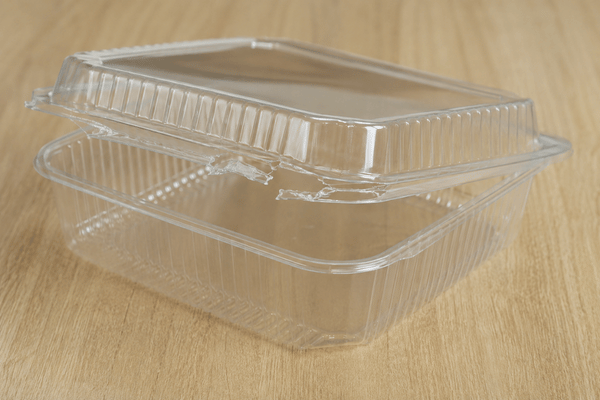
What Is A Hinged Container (Also Known As A Clamshell Container or Deli Container)? A one-piece container with a lid attached to the base via an integrated hinge-folds shut, just like a shell. Their design is deceptively simple, which leads many buyers to overlook crucial design considerations: TheSeal.TheHinge.TheMaterial.
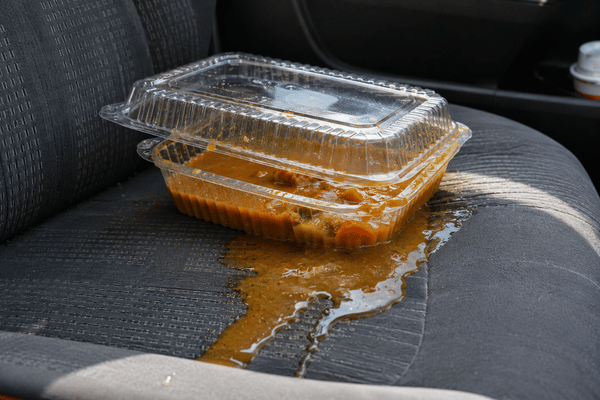
“Leakage, temperature loss, structural collapse” aren’t menu items; they’re the container problems that cost businesses money. When food packaging can’t stack, spills flood delivery bags, delaying drivers and irritating customers. A flimsy or poorly sealing container detracts from a restaurant’s presentation before anyone even opens the lid.
Customers rarely complain about the food itself – Industry reports confirm packaging failure is far more likely cause of delivery complaints than culinary quality, with leakage, temperature loss, and structural collapse topping the list. A runaway sauce soak a bag. A dislodged lid ruin the visual appeal of the best-looking dish before it’s seen.
The three failure points
PP vs MFPP vs PET vs PS: Choosing the Right Hinged Container Material
Which Resin is Best for Your Food Packaging Application?
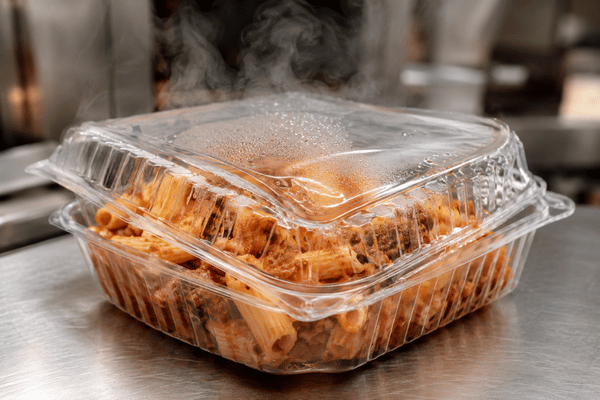
For the most part, container failure boils down to an incorrect resin choice early in the supply chain. Using the wrong type of plastic – such as PET for a steaming hot entre or Polystyrene for a cold, sealed lunch – “will” cost you, one food service industry publication warns. Examine how the four standard plastic resin types perform.
| Property | PP (#5) | MFPP (mineral-filled PP) | PET (#1) | PS / Foam (#6) |
|---|---|---|---|---|
| Temperature range | -4 to 14°F min / 212-266°F max | Hot & cold; microwavable | Approx. -22 to 120°F | Cold / short-hold only |
| Microwave-safe | Yes | Yes | No – softens / warps | No |
| Clarity | Translucent | Opaque (black / white) | Crystal-clear | Opaque |
| Cut & soak resistance | Good | High – cut- & soak-resistant | Moderate | Low |
| Recycling code | #5 – widely accepted | #5 – up to 40% mineral, less plastic | #1 – accepted, but clamshells vary by city | #6 – rarely accepted; banned in some cities |
| Best-fit menu | Hot entrees, soups, reheatable meals | Hot grab-and-go, fried foods, meal prep | Cold salads, wraps, cakes, deli display | Budget cold items only |
Temperature & recyclability data compiled from Restaurantware Food Service Material Guide and Dart Container Material References. Terminology can vary across suppliers; please reference the SKU for precise specifications.

Why MFPP is the workhorse of hot-food takeout
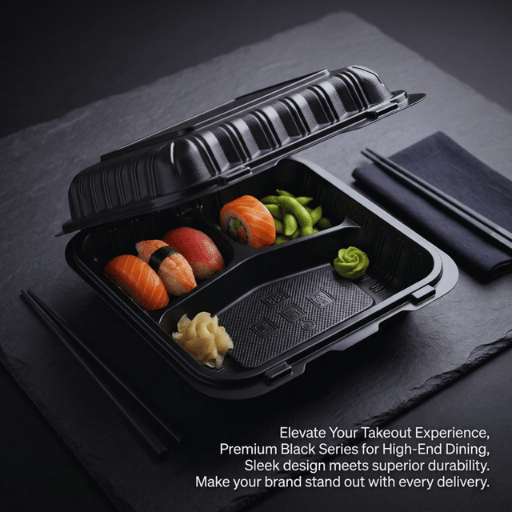
Mineral-filled polypropylene utilizes 40% natural minerals as raw materials to achieve a balance between a minimal plastic content and optimal box strength. It is cut-resistant, water-resistant, and microwavable – a smart choice for any hot carryout offering.
When a delivery restaurant is shipping out anything from fried chicken to hot rice bowls, using mineral-filled polypropylene means they can automatically say no to the “will this hold up?” question in the customer’s mind, no need to even consider whether they will reheat this food.
Recycling, in plain terms
PP or MFPP plastic has a resin code #5, and PET plastic has a code #1. Many municipal curbside recycling programs accept both of these resins, although the accepted PET format depends on whether it’s open or hinged clamshell. PS (Styrofoam®) packaging resin code is #6 and is increasingly being rejected by municipalities and is being phased out by several US cities. mineral filler in MFPP helps by reducing the amount of plastic per container by using minerals to add structure.
PET comes out on top for cold food where display value can influence a customer’s purchase decision. The visual appearance of a crisp, layered salad in a crystal clear PET clamshell, or a colorful pastry beautifully glazed can directly influence the customer to order. Where a buyer gets into trouble is using PET for something a customer will later reheat.
“We aren’t trying to say that one material is the absolute best. When we work with a customer whose business model is 80% hot carryout, we will then automatically look toward mineral filled polypropylene and then no more is heard about the possibility of microwave customer complaints. We only prescribe PET for cold products, for cold food where the sale is purely on the visual.”
– Wanhui Application Engineering Team
“Customers also express a concern about having their restaurant logo “not look as nice” in an MFPP container compared to a high-end brand name or a very attractive private logo in the clear PET.” But this objection often melts away as soon as the product matches the end-use. Clear visuals work for cold, durability work for hot; no single resin can efficiently do both.
[SYS-SPEC: HINGED] // INITIALIZING
Wanhui Hinged Container Range: Sizes, Capacities & To-Go Configurations
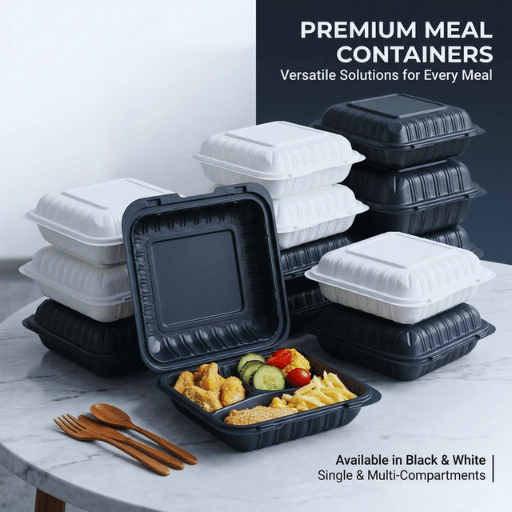
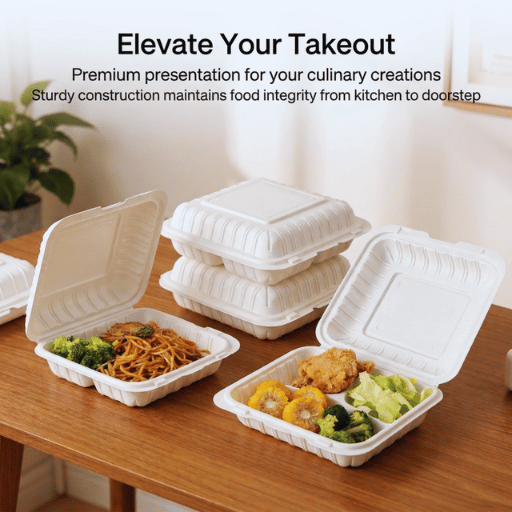
Wanhui offers one of the broadest lines of hinged carryout containers to address the footprints that make the highest volumes in foodservice – square, rectangular, multi-compartment and single compartments, all in black, white and clear. The hinged carryout containers offered in clear are PET and intended for cold foods and the MFPP hinged carryout containers are in black or white to maintain heat for hot foods.Each of the clamshells below has an indicative case pack, actual Minimum Quantity Required (MOQ) and Lead Time are to be provided with your quotation.
MFPP Hinged Container — 6×6 in
SPC-01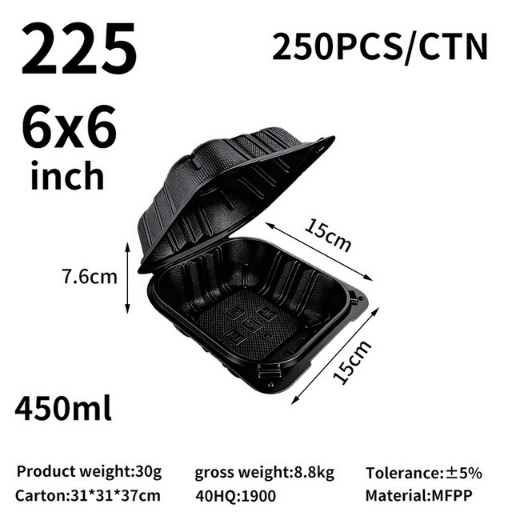
- Material MFPP black / white
- Use burgers, sandwiches, sides
- Case Pack ~250 pcs
MFPP Hinged Container — 9×6 in
SPC-02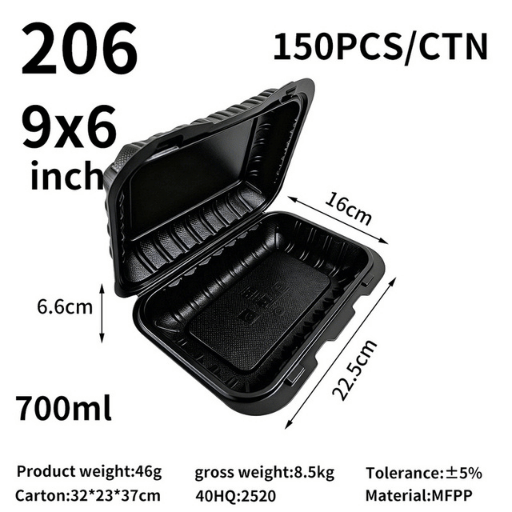
- Material MFPP black / white
- Use single-entree meals, rice bowls
- Case Pack ~150 pcs
MFPP Hinged Container — 9×9 in
SPC-03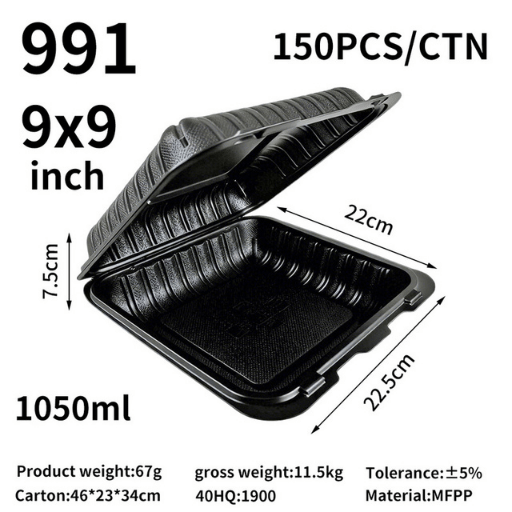
- Material MFPP black / white
- Use full meals, family portions
- Case Pack ~150 pcs
Clear PET Hinged Deli Container
SPC-04
- Material PET clear
- Use salads, wraps, cake slices, deli
- Footprints 6×6 to 9×9 in
[DATA: APPLICATION MATRIX]
There should be no mystery in determining which clamshell fits which menu item and there is no guesswork involved. We can give procurement buyers a matrix like this, matching all of our footprints to the most appropriate foodservice application, to enable procurement professionals to choose the correct item number immediately from their RFQ.
| Container | Footprint | Material | Best-fit application |
|---|---|---|---|
| 6×6 hinged | 6 × 6 in | MFPP | Single burger, sandwich, side portion |
| 9×6 hinged | 9 × 6 in | MFPP 1 / 3-comp. | Hot single-entree delivery — highest-volume size |
| 9×9 hinged | 9 × 9 in | MFPP | Family meals, combo plates, layered dishes |
| PET deli clamshell | 6×6 – 9×9 in | PET | Cold salads, wraps, bakery & cake-slice display |
Procurement note for distributors
If you distribute to a varied restaurant base, stocking first your 96 size MFPP and your 96 size clear PET clamshell would cover hot carryout and cold grab-and-go – the two fastest selling applications for restaurant carryout business. If you serve one client exclusively, consider sending them samples for your three top selling menu items, and we can recommend the most fitting footprint.
Plastic Hinged Containers Factory
✕
❮
❯
Built to Survive Delivery: Wall Thickness, Leak Resistance & Hinge Life
A clamshell is only as good as the seam holding the container shut or the strength of its hinge. Two items could appear visually similar online, but when tossed into a restaurant delivery bag with 5 other containers, have drastically different outcomes when delivered to the customer’s door. Our engineering and build standard ensures durability in the three areas that most inexpensive clamshells fail.
[SYS-CORE] ENGINEERING SPECIFICATIONS
Wanhui build standard
01
REINFORCED WALL THICKNESS
Wanhui builds its enhanced thickness sheet into containers so the base does not collapse inward when it gets hot with food. The bottom deflects, and a collapsed base can break the lid seat.
02
LOCKING CLOSURE
The rim is rim-snapped and will lock down along the perimeter. No liquid will flow over the edge, and this prevents the bag from toppling when stacked.
03
LIVING-HINGE DESIGN
The lid’s hinging area is integral to the box, and is engineered to allow thousands of opening cycles without cracking or breaking off, the most common failure points in cheap lid boxes.
[DATA-STREAM] TCO ANALYSIS
These design choices are compromises, not cuts. More resin, thicker walls cost slightly more per box, and that’s the difference between accepting a $0 cost for a returned product, or absorbing the complaint’s full expense, which can run hundreds of dollars an order if we count lost reputation. For hundreds of orders a day, that difference is often simply ’round off.’
[WARNING] Where thin imports cut corners
Bottom plastic that is ‘Under-gauge’ bows, allowing it to flex up. This distorts the lid-seat so the top cannot seal tight; lids will pop open in transit or when stacked, as we have seen more than few times with cheaper imported boxes.
The flimsy, often over-hard hinges snap early in their use – perhaps dozens of open-close cycles before the top cannot latch to remain sealed anymore. And shallow snaps simply will not contain any shifting contents when the order gets tumbled on the delivery drive or in a piled delivery.
[DOC_ID: WH-CS-883]
Client Results: Cutting Leak Complaints for a Meal-Delivery Brand
The simplest way to demonstrate the problem of inadequate packaging is to trace the experience of an operator changing from it. Here’s how one such operation went to Wanhui boxes. We’ve adjusted numbers for a general case as complaint averages will differ by region and operation volume.
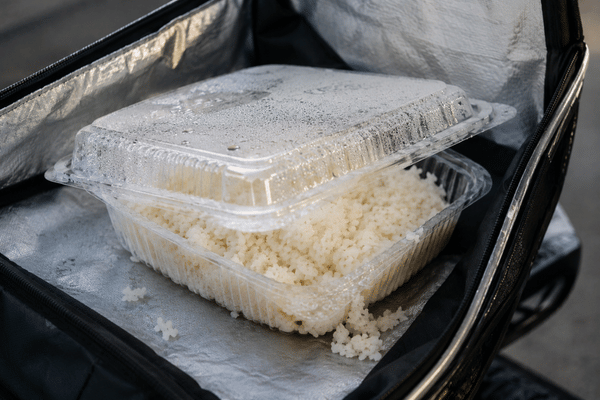
Before — the problem
Consider this mid-sized delivery service: they were sending hot rice out to customers in thin, cheap clear clamshell boxes, chosen primarily for visual appearance at the restaurant. However, once en route, lids were popping open; the hot, steamed rice left all the clear plastic fogged out. Customers were receiving compromised product and submitting complaints that cost the restaurant over $100 apiece when accounting for refund, delivery re-try, lost loyalty, and etc.
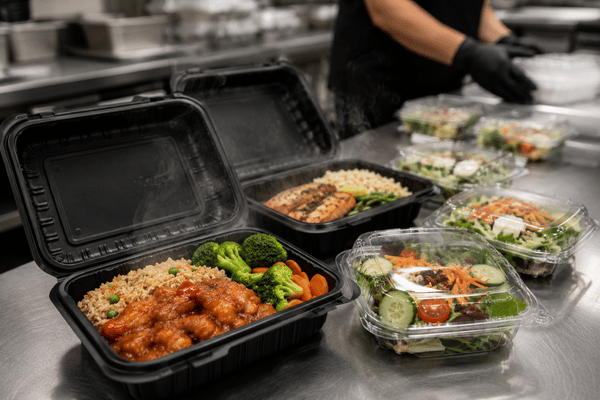
The switch
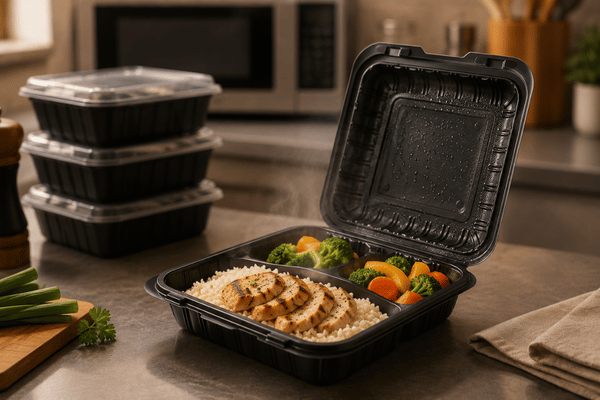
The meal delivery service promptly switched their hot dishes to Wanhui’s hinged polypropylene boxes and kept the thin plastic clam for chilled salads and other display-oriented dishes. Material choice and its benefits aligned; PP microwavable, cut-resistant, not prone to clouding, and opaque (when steam/visuals don’t demand clarity); other options used in other dishes as appropriate.
The outcome
Businesses switching to the Wanhui configuration typically experience a significant reduction in customer complaints about leaks and almost total disappearance of “can this be microwaved?” inquiries. The ROI is not just one dramatic improvement, but the elimination of multiple repetitive, bottom-line drains that never stop with under-spec packaging.
$100+
[COST_ANALYSIS]
Typical cost to an operator of a single delivery complaint — refund, goodwill discount, and lost repeat order combined.
Qualified industry estimate (US online food-delivery context). Exact impact varies by operation — request a custom analysis.
Food-Safety Certifications & Compliance
In the importer’s eye, dealing with an unknown supplier typically presents a compliance question until supporting documentation is presented. Wanhui includes proper quality and food-safety certification papers that will detail exact standards, rather than vague assurances of compliance.
01
ISO 22000:2018
Food safety mgmt — Cert 114FSMS2300168
02
ISO 9001:2015
Quality mgmt — Cert USA23Q42511R0S
03
FDA 21 CFR 177.1520
Olefin-polymer food-contact compliant raw materials
04
CN Prod. License
鸗XK16-204-04717 — plastic food packagingSpecific certification numbers for Shandong Wanhui. These include FDA 21 CFR 177.1520 which address use of olefin polymers as components of food-contact articles.
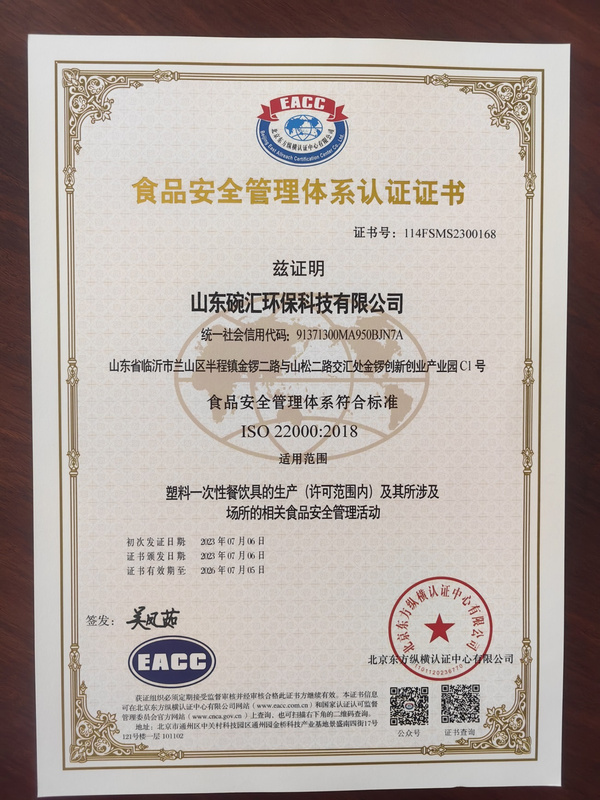
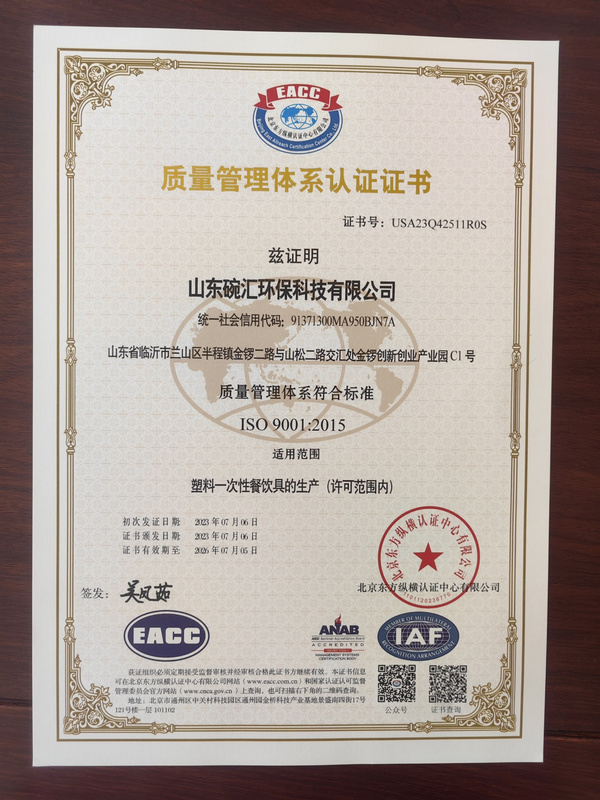
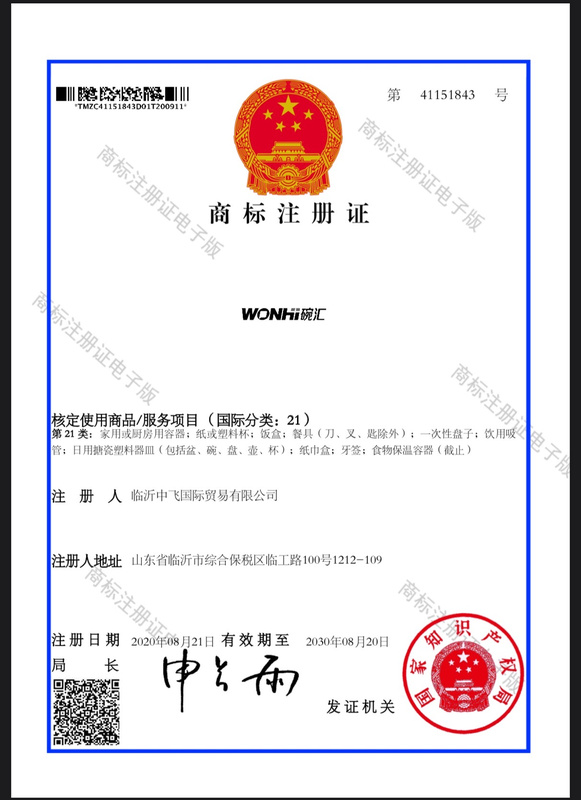
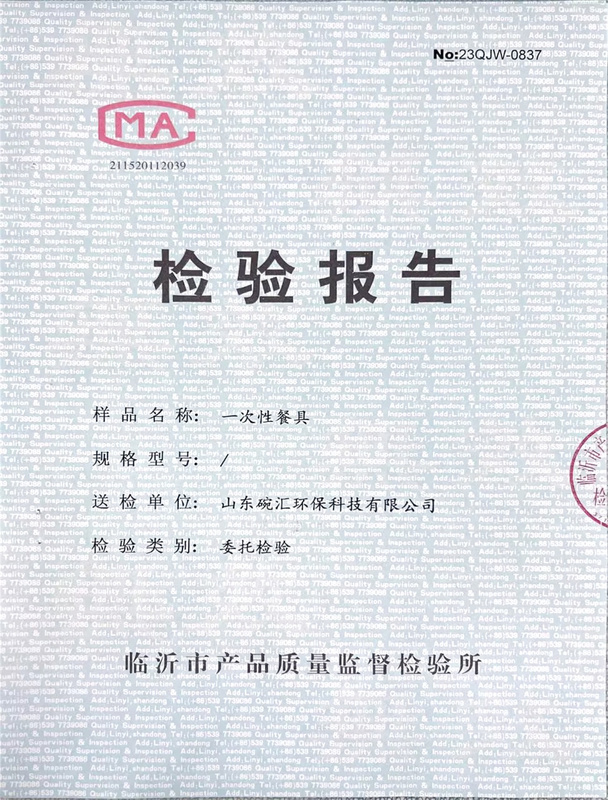
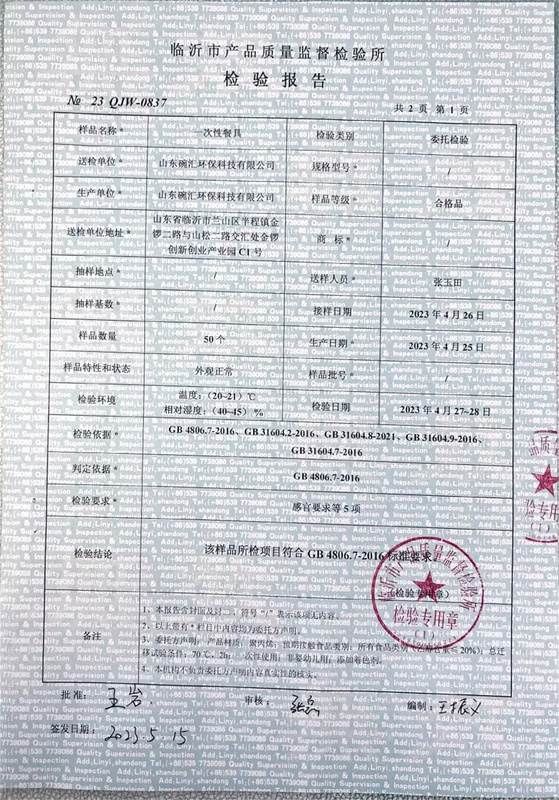
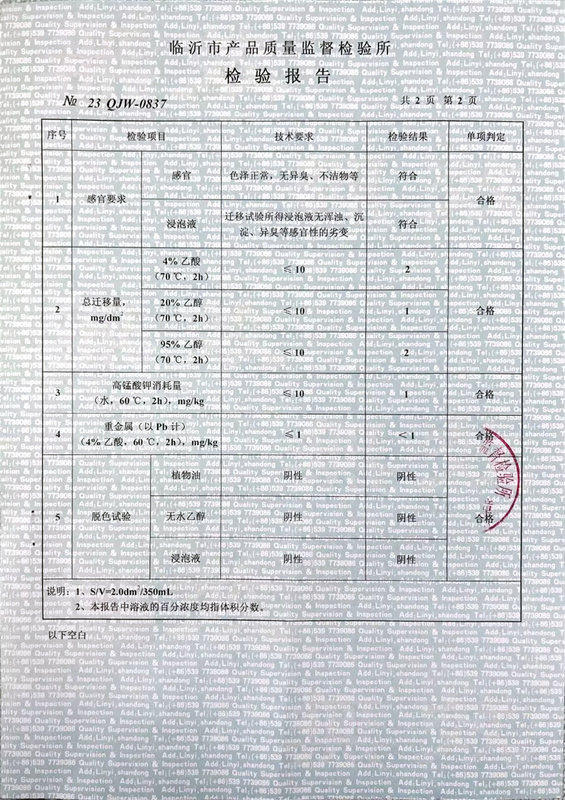
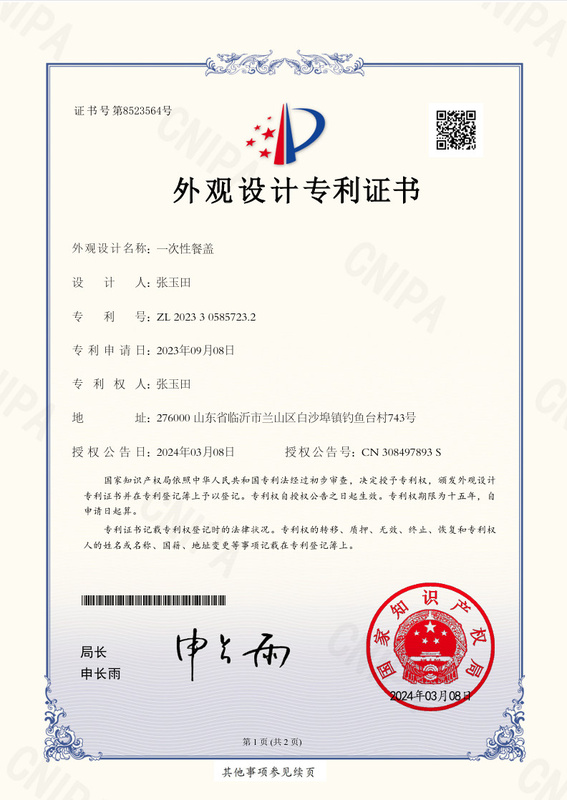
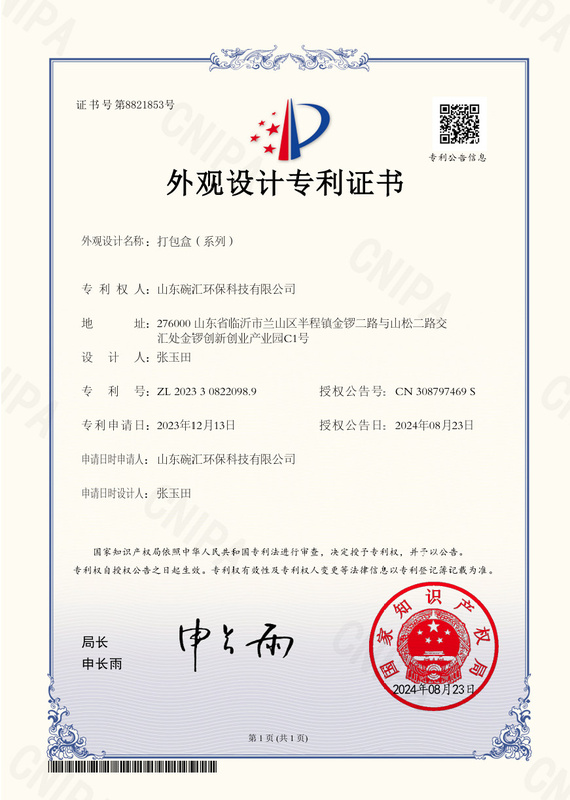
Every Wanhui product is Made With Food Grade Raw Materials And Complies With national hygienic Standards & International Food Safety certification requirement. There Are 2 utility-model patents on the meal box and lid of the containers; Certificates are available to be issued for buyer’s / 3rd party’s audit upon request. If a procurement team is reviewing a potential supplier overseas, that means your audit chain is in place before you ask for one- not after something goes wrong.
[ SYS-INFO // PROCUREMENT ]
Wholesale Pricing, MOQ, Lead Time & OEM Customization
Buying hinged containers wholesale is entirely different than buying off a shelf of stock goods at a distributor. The price paid to a distributor has had a retail markup included; The price from a manufacturer is what is paid prior to all markups. For you to understand the cost impact of buying from a manufacturer, it isn’t just the cost of individual units but rather the total landed cost of the shipment.
What drives a hinged container quote
While one sticker price cannot accurately describe the cost of a wholesale clamshell, a quotation can be understood by looking at the factors that create a quote. A buyer who understands these factors is well positioned to compare quotes across suppliers objectively, instead of chasing the lowest headline price.
Pricing factors framework
[SPEC-01]
Material & Gauge.
Your choice of Material (PP, MFPP or PET) and material thickness (guage) will determine the resin cost for each unit.
[SPEC-02]
Order Quantity.
Production costs decrease significantly at higher volumes of 5,000-100,000+ units and will be priced with MOQ’s on tiers of order size.
[SPEC-03]
Customization.
There are three price tiers: generic SKU; SKU with logo; and custom molded.
[SPEC-04]
Shipment Type.
You can opt for Full Container Load (FCL) at volume or Less Than Container load (LCL), a less expensive choice that can take longer.
[SPEC-05]
Minimum Order QTY and Lead Time.
Because we offer both generic SKU with logo, as well as custom molding options, and we have both FCL & LCL shipping options available, minimum order quantities (MOQ’s) and Lead times may very depending on your custom and shipping preferences. A Buyer concerned that shipping an ocean container from China may be out of sync with your immediate needs, should consider the projected lead time and then adjust ordering frequency to optimize your cost benefits. A procurement manager who places orders strategically may still obtain significantly better unit economics by purchasing directly from the manufacturer than if ordering from a domestic stock supplier.
Before you commit a PO
When ordering from Wanhui, you’ll be required to Provide your top menu items, what total monthly units you intend to order, the destination market of your shipments, and if you desire custom branding or custom molds. We will send You the full quotation which include the SKU and pricing with the minimum order quantities (MOQ), estimated lead time, and applicable shipping rates, so you can be assured of a budget built for accurate cost estimation, not simply unit-specific pricing.
Wanhui’s ability to custom OEM order in large scale custom Hinged Food Containers makes the brand you expect possible. Branding and Custom molds are produced in our facilities utilizing Our 20 thermoforming lines, 6 Sheet Extrusion lines, and 60 Injection molding machines, creating the ability for you to procure 100,000 custom containers per month, without the need for an elongated procurement timeline.
Plastic Hinged Containers Engineering Tools
Material Selector
Evaluate and select the optimal plastic polymers for your specific temperature, durability, and compliance requirements.
Launch Tool
Container Size Finder
Accurately determine the exact dimensional specifications and volumetric capacity needed for your food packaging lines.
Launch Tool
Wholesale Cost Estimator
Calculate bulk volume pricing and project your procurement budget with our real-time wholesale estimation model.
Launch Tool
Frequently Asked Questions
Can these hinged containers be microwaved, and what temperature do they handle?
It may be confusing how some PP/MFPP food containers should or shouldn’t be microwaved. In short, if it’s manufactured by Wanhui you should expect all PP and MFPP food containers to perform safely up to and between the thermal range of 212- 266F in the microwave, where it will maintain its integrity at higher temperatures of around 195F which will keep foods at a higher temp longer; PET on the other hand cannot withstand temperature and will begin to melt at about 120F, so these are strictly NOT microwave safe; for hot foods consider your end-use.
Are Wanhui containers food-safe and compliant for export markets?
Yes. Products are food-safe and meet strict quality control standards, manufactured using FDA-approved food-grade raw materials compliant with 21 CFR 177.1520 and our internal ISO 9001:2015 quality system and ISO 22000:2018 food-safety system. You can verify the certificate numbers listed in the section titled “Certifications.”
What is the minimum order quantity, and how is wholesale pricing tiered?
Pricing is based on several factors: the quantity you order, the material you choose, and whether the container is a standard product or customized. Our Minimum Order Quantity (MOQ) depends on whether you select an item from our stock line or work with us to create a custom-molded container. Simply send us your most popular menu items and your target order volume, and we will provide a quote along with an estimated lead time, which you can request here: [Request lead time estimate].
Can you print our logo or develop a custom mold?
Yes. The printing of brand logos and the development of custom molds are done in-house, rather than outsourcing. This is a key advantage for chain restaurants and delivery brands aiming to create a distinct and recognizable brand identity through their packaging.
What sizes, capacities, and colors are available?
Our standard footprints range from 66 to 99 inches in both square and rectangular dimensions, available in both single- and three-compartment options. The standard stock finishes are black, white, and clear. Custom footprints can be developed through our oem mold program.
How long is the lead time, and do you support LCL (consolidated) shipping?
We provide a lead time estimate as a range, as it varies depending on whether stock or custom tooling is required. We also offer Consolidated LCL (Less Than Container Load) shipping, allowing smaller buyers to place orders without committing to a full container load, which is ideal for testing out a new container before scaling.
Are plastic hinged containers recyclable?
This is a complicated question, as it depends heavily on the material and your local recycling programs. PP (#5) and PET (#1) hinged containers are widely accepted by many curbside recycling services, although acceptance of clamshell containers can vary significantly by municipality. PS foam (#6) is rarely accepted for recycling. MFPP incorporates up to 40% mineral filler, reducing the amount of plastic used per container.