Get in touch with Wanhui Company

3-Compartment Containers
3 Compartment Food Containers — Factory-Direct Supply for Restaurants, Meal Prep & Catering
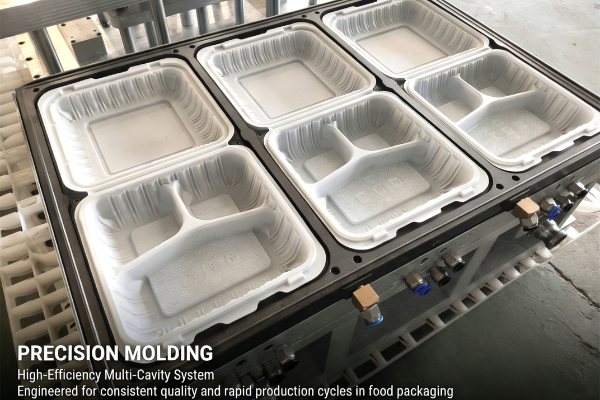
3 compartment food containers keep entrée, sides, and dessert separated inside one hinged shell — the format US restaurants and meal-prep operators reach for whenever sauce-bleed and presentation matter most. Wanhui produces these FDA-aligned food-grade shells in PP, MFPP, PET, and BPI-certified compostable resins across 8×8, 9×9, and 9×6-inch footprint profiles, ready for factory-direct shipment from 86 dedicated production lines.
Get Factory Quote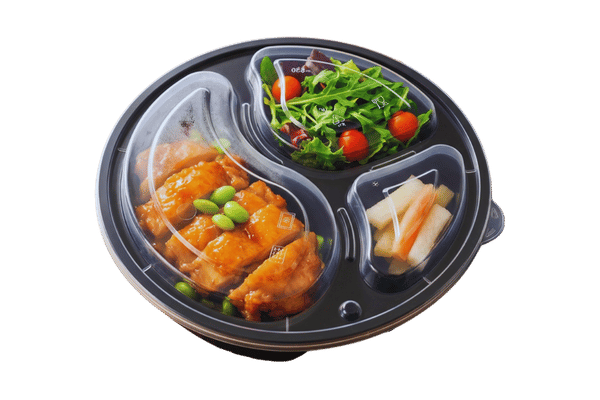
1 / 2 / 3
Compartment configurations
4 materials
PP · MFPP · PET · PLA
8×8 · 9×9 · 9×6
Standard footprints
1M+ / day
Production capacity
20 yrs
Food packaging only
FDA · ISO 22000
Food safety certified
Why 3-Compartment Containers — From Sauce-Bleed to Stable Margins
A 3-compartment container is a one-piece hinged or snap-lid tray with three interior wells, sized for a complete meal where the entrée stays separated from sides and dessert. Whether it’s school cafeteria service, meal-prep delivery, or restaurant takeout, this format dominates the US off-premise foodservice mid-line today.
What goes wrong with cheap or single-compartment alternatives:
Sauce migrates from rice bowl into salad — the customer’s social-media photo turns negative
Single-bowl orders need 3 separate cups plus their own lids — pick-pack labor doubles and case minimums multiply
Foam clamshells crack on the delivery scooter and fail municipal foam bans (NYC, CA, MD, ME)
Mixed-pallet receiving from local distributors adds 15-25% landed cost compared to single-source factory shipment
Three compartments address the bleed problem at the source: sauce sits in its own well, the hot entrée holds against 160°C-rated PP, and dessert keeps its own headspace. Wanhui’s MFPP 993 (9-inch) and 883 (8-inch) lines follow the global SKU naming standard — the very same code Webstaurant Choice uses on their 500TO993C3 9x9x3 microwaveable tray.
Market Context — Why This Format Keeps Growing
US food service disposable spend reached USD 15.51 billion in 2024 and is projected to climb to USD 22.02 billion by 2033 (Grand View Research). 3-compartment hinged trays remain one of the fastest-growing line items inside that figure as off-premise dining stays sticky post-2020.
Compartment Options 1 / 2 / 3 — Choose by Use Case, Not by Habit
Most operators default to whichever compartment count their previous distributor stocked. That’s a missed margin lever — matching compartments to the actual menu structure cuts secondary packaging cost by 18-30% and reduces leak complaints in our customer feedback.
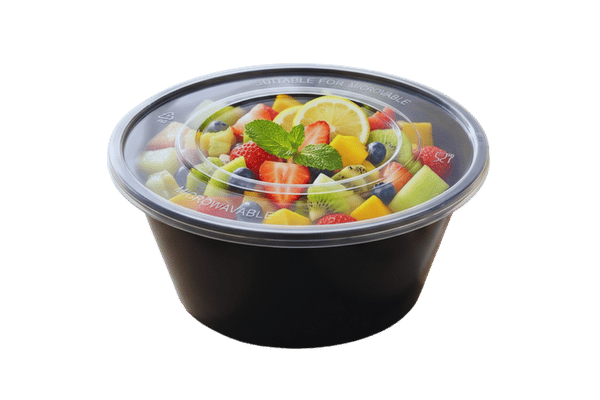
1-compartment bowl/box
Best fit menu
Soup, single-protein bowl, dessert, side dish
Wanhui SKU
181 / 281 / 6×6 225
Capacity per compartment
300 – 1,750 ml
Footprint
120 / 150 / 180 mm Ø; 6×6 in
Pack/case
200 – 450

2-compartment divided
Best fit menu
Rice + protein, salad + dressing, snack pair
Wanhui SKU
6828 Divided / 9×6 205 / 9×6 206
Capacity per compartment
350 + 350 ml typical
Footprint
9 × 6 in; 8 × 6 in
Pack/case
150
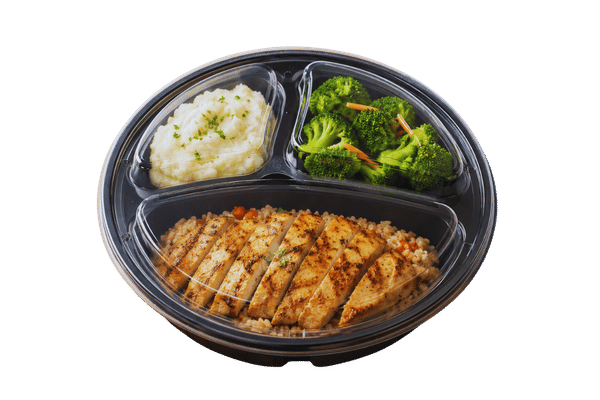
3-compartment entrée + 2 sides
Best fit menu
Combo meals, school cafeteria, meal-prep service, catering
Wanhui SKU
883 (8×8) / 993 (9×9)
Capacity per compartment
≈ 850 / 350 / 350 ml
Footprint
8×8×3 in; 9×9×3 in
Pack/case
150
Material Choices — PP, MFPP, PET, and BPI-Certified Compostable
The single biggest decision after compartment count is the material. Get this wrong and the container either melts in the microwave (PET above ~70°C / 158°F) or fails municipal compost contracts (non-certified PLA). Buyers in r/Chefit raise the question weekly: “compostable, PLA-lined, 3-compartment, 24 oz bowls — alternatives to Webstaurant for better price?”

PP (Polypropylene #5)
Microwave
Yes — melt 160°C
Freezer
Yes
Hot food (≤95°C)
Yes
Recyclability
RIC #5 (ASTM D7611)
Best application
General takeout, microwaveable rice bowls, delivery
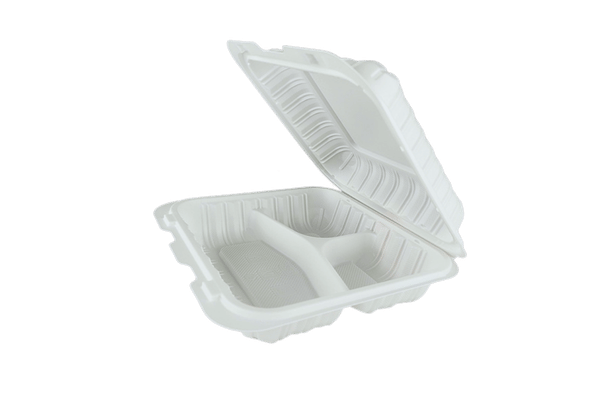
MFPP (Mineral-Filled PP)
Microwave
Yes — higher heat tolerance
Freezer
Yes
Hot food (≤95°C)
Yes — cut/soak resistant
Recyclability
RIC #5; 40% less petroleum content
Best application
Premium hinged-lid, foam replacement, eco-conscious chains
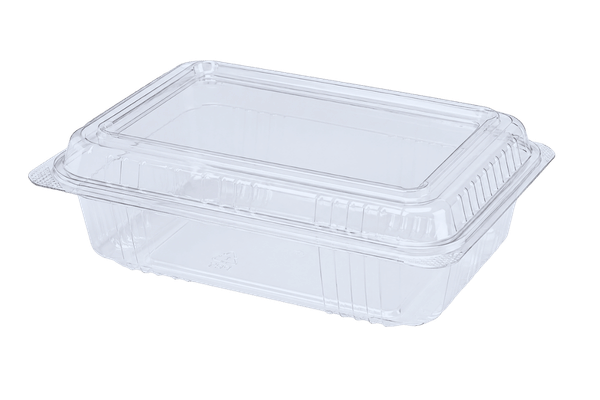
PET (#1)
Microwave
No — deforms ≥70°C
Freezer
Yes
Hot food (≤95°C)
No
Recyclability
RIC #1; widely accepted in US curbside
Best application
Cold salads, sushi, fruit, deli, display-forward retail
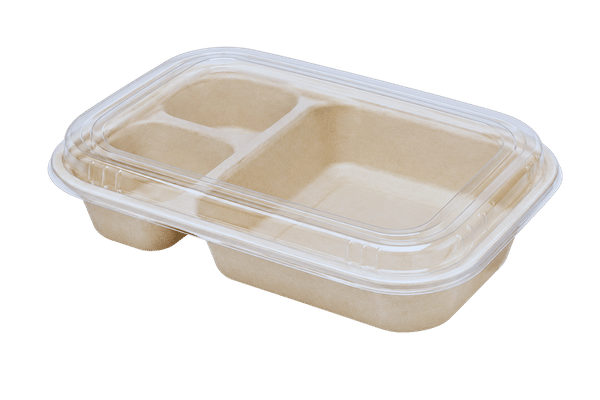
PLA / Bagasse (BPI-certified)
Microwave
Yes (PLA-lined paper)
Freezer
Yes
Hot food (≤95°C)
Yes (paper substrate)
Recyclability
ASTM D6400 / D6868 industrial compost
Best application
Eco-mandated venues, festivals, university dining halls
PP — The Workhorse
PP runs at roughly one-third to one-fifth the wholesale cost of PET on equivalent footprint, which explains why most US restaurants standardize on PP for hot menu items. Cost gaps hold across import lanes thanks to lower resin pricing and simpler injection-mold tooling.
MFPP — Strategic Upgrade for Premium & Foam-Replacement Lines
MFPP fits chains operating under foam-ban or sustainability scrutiny. Mineral filler (talc / calcium carbonate) replaces 30-40% of the polymer with non-petroleum inert filler, cuts plastic intensity, and adds stiffness that protects hinged-lid integrity. Wanhui’s 883 and 993 series are MFPP-formulated specifically for that combination.
BPI Compostable — Use Only Where Industrial Compost Exists
BPI compostable is the right answer only when your municipal waste stream actually composts plastic. ASTM D6400 / D6868 require industrial composting facilities — they will not break down in home compost or in landfill. For operators with municipal compost partnerships (Cedar Grove, Recology), the format is a verified fit; for everyone else, consumers throw it in landfill where it behaves identically to non-compostable plastic.
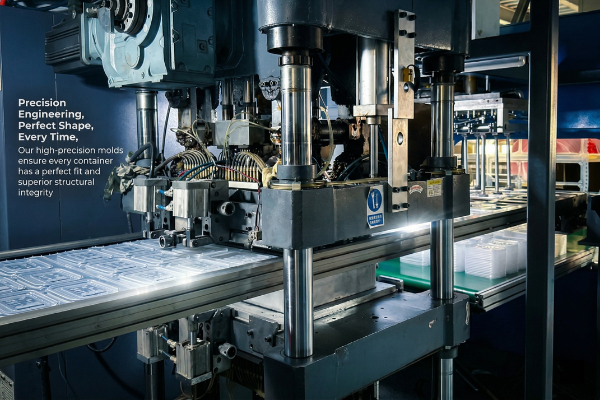
“We tested fourteen MFPP filler ratios across the 883 and 993 product lines before settling on the current formulation — it is the only blend that holds shape after 90-second microwave reheating without warping the 3-compartment dividers.”
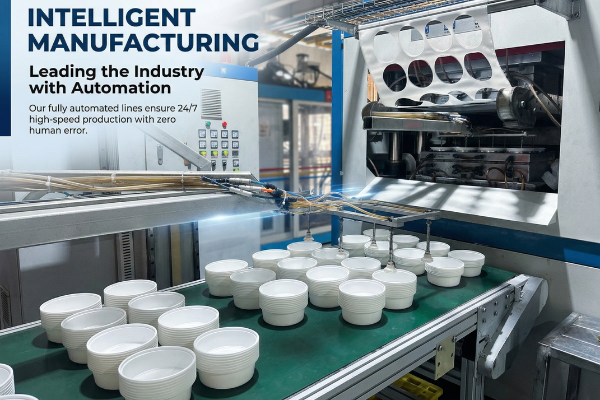
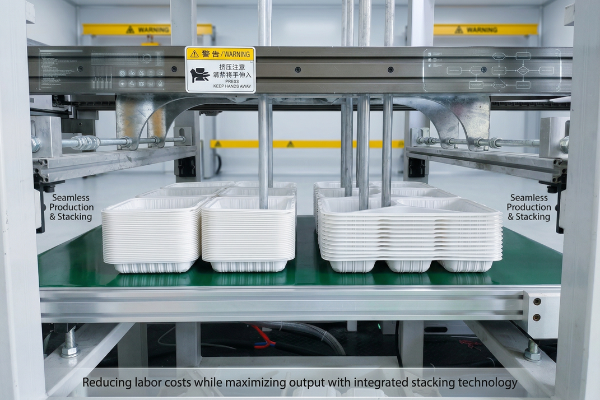
3-Compartment Containers Factory


✕
❮
❯
Spec Comparison — Compartment Dimensions, Wall Thickness & Stackability
Catalog photos won’t tell you whether a 9×9 hinged tray actually fits your kitchen pass-through, your delivery insulated bag, or your stacking storage rack. Below is the spec data competing single-product pages don’t publish — drawn directly from Wanhui’s MFPP and PP production-line gauging records.
| SKU | External (L×W×H) | Compartment depth | Wall thickness | Empty stack height (8 pcs) | Material | Pack/case |
|---|---|---|---|---|---|---|
| 993 / 9x9x3 | 228 × 228 × 76 mm | 38 mm (entrée) / 32 mm (sides) | 0.55 – 0.65 mm | ≈ 175 mm | MFPP black or white | 150 |
| 883 / 8x8x3 | 203 × 203 × 76 mm | 38 mm / 30 mm | 0.50 – 0.60 mm | ≈ 165 mm | MFPP black or white | 150 |
| 9×6 205 | 228 × 152 × 50 mm | 42 mm | 0.45 – 0.55 mm | ≈ 130 mm | MFPP black or white (2-comp) | 150 |
| 6828 2-Comp | 170 × 230 × 45 mm | 38 mm | 0.45 – 0.50 mm | ≈ 115 mm | PP clear or black (2-comp) | 150 |
| 6×6 225 | 152 × 152 × 57 mm | 42 mm | 0.45 – 0.55 mm | ≈ 145 mm | MFPP white (1-comp) | 250 |
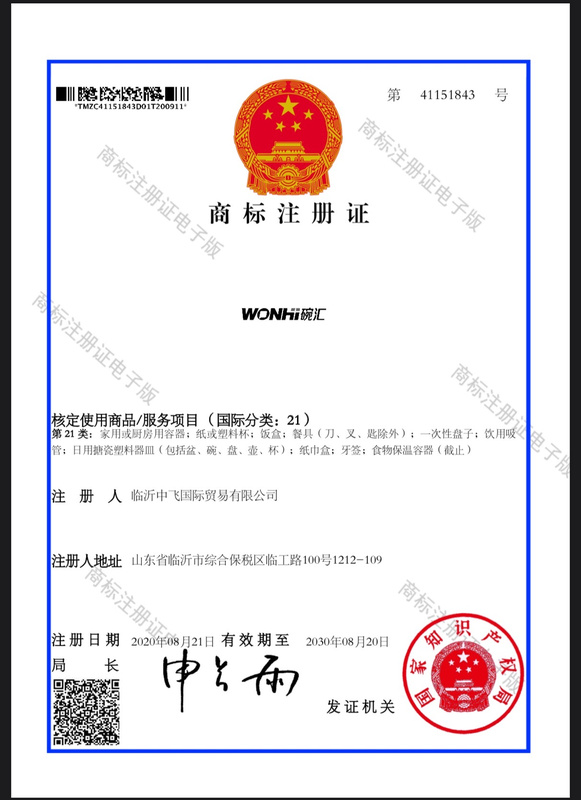
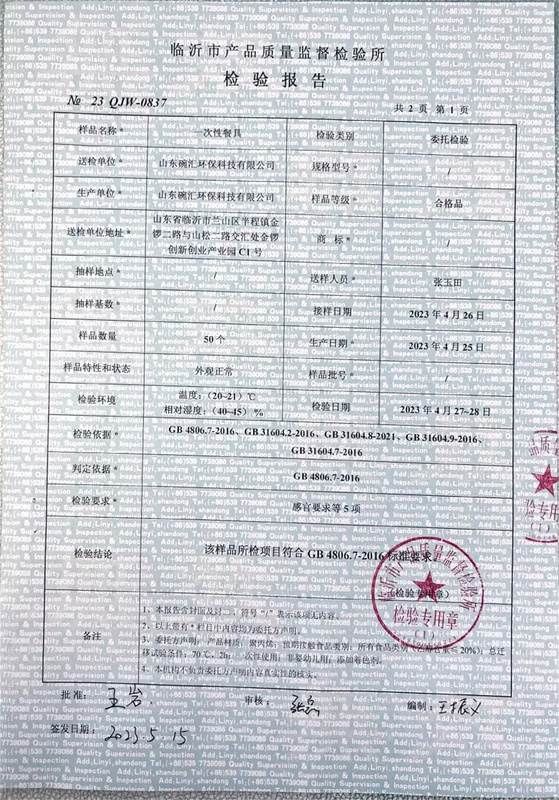
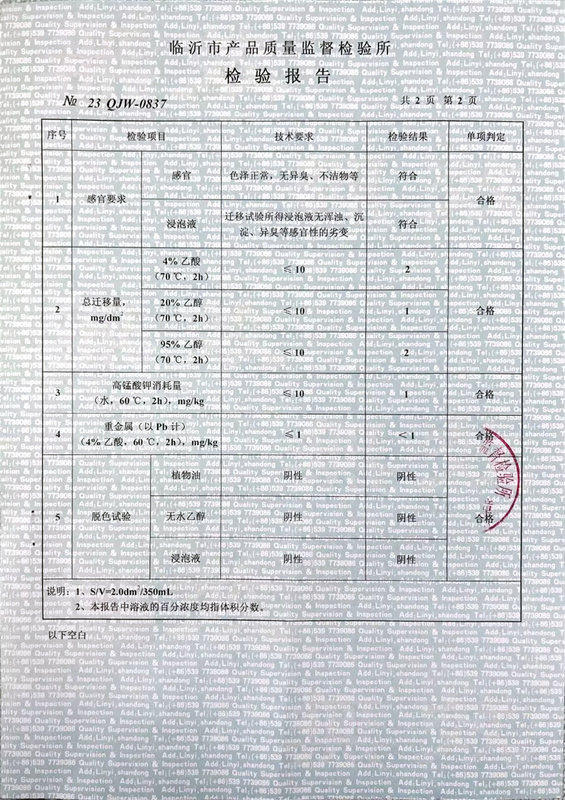
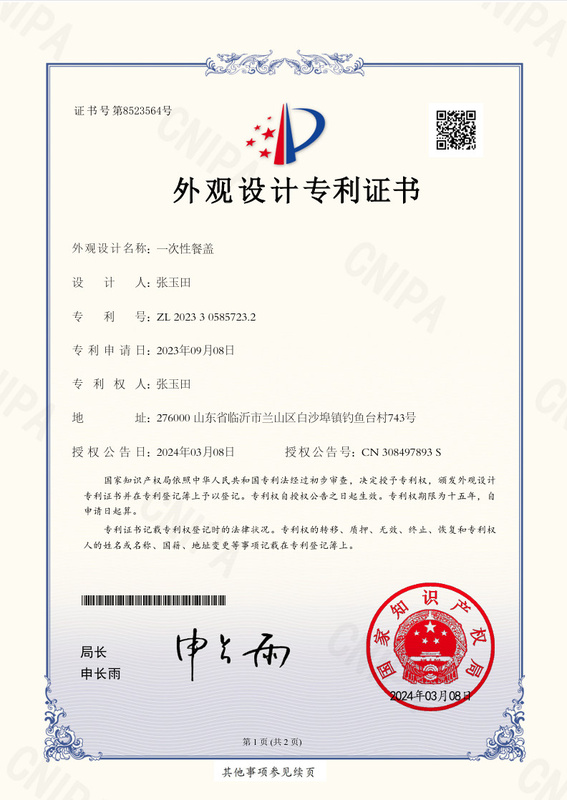
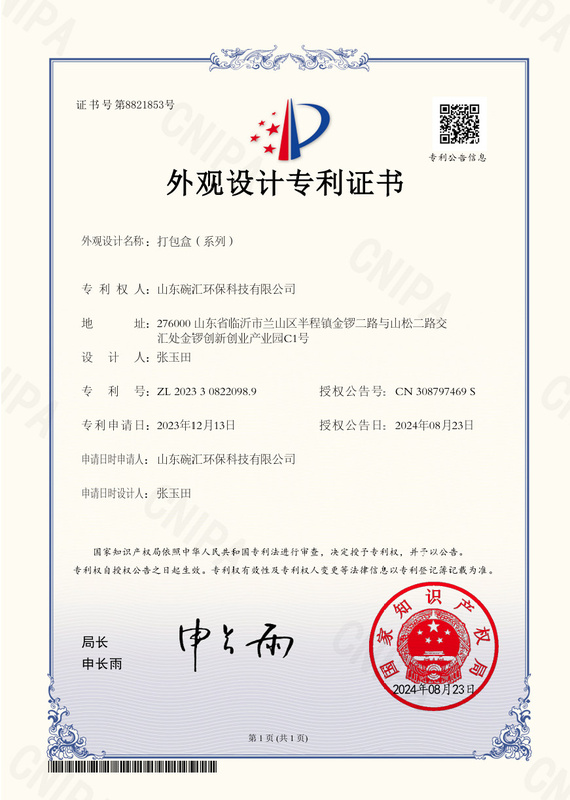
Quality Standards for 3-Compartment Containers
FDA
21 CFR 177.1520 aligned
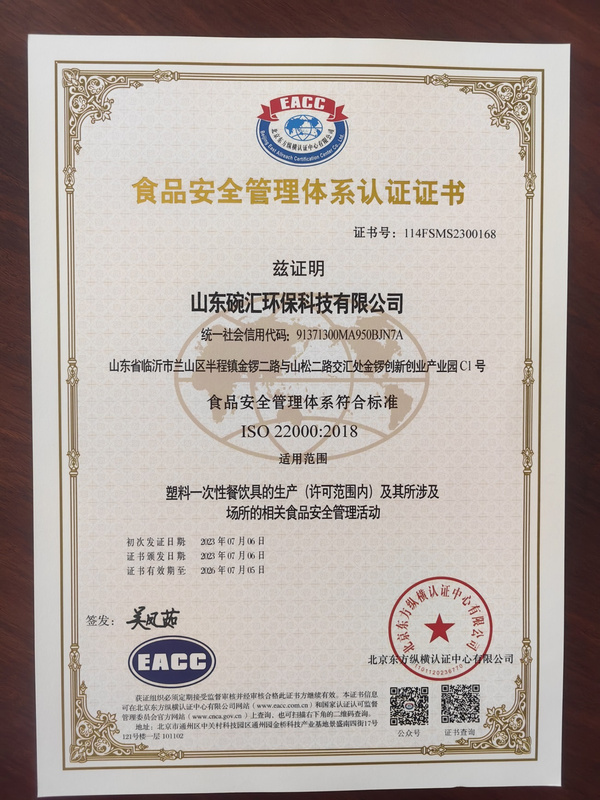
ISO 22000
Food Safety Management
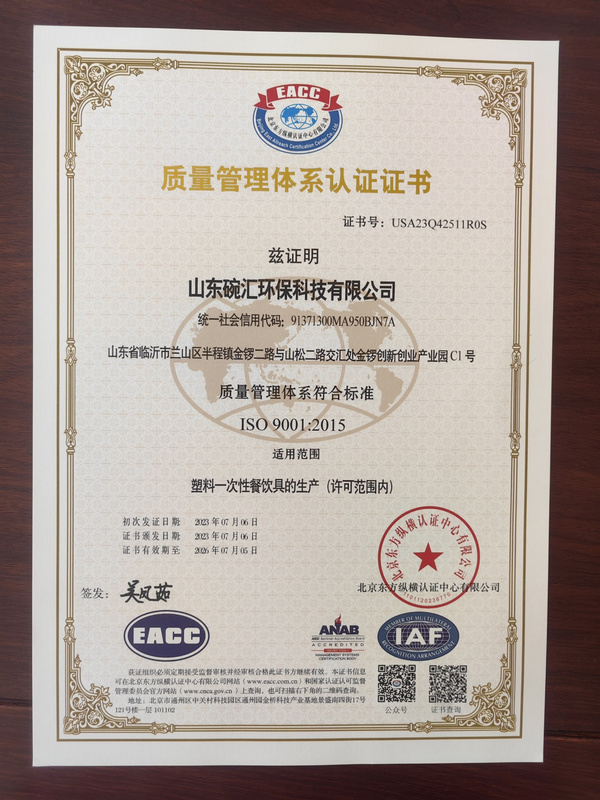
ISO 9001
Quality Management
China FSPL
Food Production License
BPA-Free
Virgin food-grade resin
20 Years
Food packaging only

Bulk Pricing — Wholesale Tiers, Custom Logo & Custom Mold
Most container catalog pages hide pricing behind “Contact for quote” — which leaves procurement teams guessing whether China-direct is even worth a sample order. Here’s the transparent picture: US distributor pricing on 8×8 / 9×9 hinged 3-compartment trays starts around USD 0.25 per piece at single-case wholesale (verified r/restaurantowners discussion). Factory-direct pricing from Wanhui sits in three published tiers below.
| Tier | Order range (per SKU) | Indicative FOB Qingdao USD / piece | Lead time | Best for |
|---|---|---|---|---|
|
BASIC ready-stock |
10 – 50 cases (≈ 1,500 – 7,500 pcs) |
0.08 – 0.14 | 7 – 14 days | First trial, single-location restaurants, taste-test |
|
MID volume run |
50 – 500 cases (≈ 7,500 – 75,000 pcs) |
0.06 – 0.11 | 15 – 25 days | Regional chains, ghost-kitchen networks, distributor private-label |
|
PREMIUM custom mold |
≥ 100,000 pcs / SKU | 0.05 – 0.09 + tooling amortized |
35 – 50 days first run |
National brands, exclusive geometry, captive supply |
Customization Capabilities
Custom logo printing is offered from 30,000 pieces per design (1-color flexo) on existing molds — no new tooling required. Brand owners who need a unique compartment geometry, embossed bottom mark, or non-standard footprint move to custom mold development at the Premium tier; tooling lead time runs 28-35 days and amortizes across the first production run.
Pricing Caveats — What Drives Final FOB
Indicative pricing reflects current PP and MFPP resin spot pricing. Final FOB depends on ink coverage, color count, mineral filler ratio, and current Qingdao FCL rates — quotation is issued within one business day of RFQ submission.
3-Compartment Container Business Tools
Compartment Material Decider
Find the optimal container material based on your meal prep requirements, ensuring temperature resistance and food safety.
Access Tool
Bulk Pricing Estimator
Instantly calculate wholesale costs and uncover volume discounts to optimize your large-scale procurement budget.
Access Tool
SKU Spec Comparison
Compare exact dimensions, compartment capacities, and structural features across our complete 3-compartment lineup.
Access Tool
Custom Logo MOQ Calculator
Determine Minimum Order Quantities and estimate branding costs to launch your customized packaging solutions effectively.
Access Tool
Frequently Asked Questions
Q1: I need compostable PLA-lined 3-compartment containers — what are alternatives to Webstaurant Store at better price?
Direct from Wanhui’s BPI-aligned PLA-coated paper line, factory-direct unit pricing for 8×8 and 9×9 3-compartment compostable trays runs 35-55% below typical US distributor stock pricing at the Basic tier (10-50 cases). The savings come from skipping the distributor margin layer and consolidating PLA + paperboard sourcing inside one production run. Sample shipping to verify compost performance is available on request.
Q2: PP versus PET — which material should I order for hot-food takeout?
PP, every time — because PET deforms above approximately 70°C / 158°F, which sits below the temperature of freshly plated rice, soup, or pasta. PP holds shape to 160°C / 320°F per FDA 21 CFR 177.1520 specifications and stays microwave-safe when labeled. PET is the right call for cold sushi, salads, deli, and visual-merchandising applications where transparency matters more than heat resistance.
Q3: Are these containers microwave-safe — and up to what temperature?
Wanhui MFPP 993 and 883 hinged-lid 3-compartment trays are microwave-safe to 110°C / 230°F sustained, with peak tolerance to 160°C / 320°F. PET items are not microwave-safe. PLA-coated paperboard is microwave-safe up to typical reheating temperatures (around 95°C / 200°F) but should not be used for extended cooking cycles.
Q4: Are they freezer-safe and dishwasher-safe?
All Wanhui PP and MFPP 3-compartment containers tolerate freezer storage to -18°C / 0°F and survive commercial dishwasher cycles for at least three reuse cycles before structural fatigue. PET handles freezer storage fine but is not designed for dishwasher reuse. PLA / paperboard is single-use only.
Q5: How many cents per piece should I budget at wholesale?
Verified US distributor wholesale pricing for 8×8 / 9×9 hinged 3-compartment trays starts around USD 0.25 per piece. Wanhui factory-direct FOB Qingdao runs USD 0.05-0.14 depending on tier — the gap reflects distributor margin, freight stocking, and warehousing layers. Total landed cost (with FCL freight, US import duty, and inland trucking) typically lands at USD 0.12-0.20 per piece for mid-volume orders, still well under domestic wholesale.
Q6: Can you print our restaurant or brand logo on the containers? What is the MOQ?
Yes — Wanhui has been doing custom logo printing and custom mold development for 20 years across export markets in Europe, the Americas, and the Middle East. Logo printing MOQ starts at 30,000 pieces per design (1-color flexo on existing molds). Full custom mold development sits at 100,000 pieces minimum first run with 28-35 day tooling lead time.
Q7: Is sourcing from China actually safe for FDA-regulated food contact items?
That’s the question that comes up on r/restaurantowners constantly — and the honest answer is yes, when the supplier holds verifiable certifications and provides batch documentation. Wanhui carries FDA-aligned food-grade material declarations under 21 CFR 177.1520, ISO 22000 Food Safety Management certification, ISO 9001 Quality Management certification, China Food Production License, and USDA-aligned BPA-free polymer specs. Batch-level material safety documentation ships with every order on request.
Q8: What is the lead time for bulk orders to the US or EU?
Ready-stock SKUs (Basic tier) ship within 7-14 days of order confirmation. Volume runs (Mid tier, 50-500 cases) take 15-25 production days plus 28-35 days FCL ocean transit to US West Coast or 35-45 days to EU and US East Coast. Custom mold orders (Premium tier) add 28-35 days for tooling on top of the production cycle.