Get in touch with Wanhui Company

SYSTEM / SPECIFICATIONS
Request Custom Quote
Custom Food Packaging Manufacturer — 6 Processes, 1M Units/Day
Direct-from-factory custom food packaging thermoforming, injection, MFPP, bio-degradable, in-mold labeling, and bio-resin (eco-friendly) lines. custom packaging: containers, lids, sleeves, sticker labels, and pouch accessories – from 20 thermoforming, 60 injection, and 20 years of food grade focus.
20 yr
Food container focus
6 processes
In-house, not outsourced
1M+/day
Production capacity
5 continents
Export history
Why Brands Struggle With Custom Food Packaging — and How We Solve It
Typical custom food packaging sourcers: List 3-5 factories, check unit price, pick lowest bid. Six months later, it’s 22% over quote, you have unwanted stock, and you’re restating your leak-proof requirements to a print shop that secretly outsourced mold work.
Between quoted unit and landed total cost is where most brands miss margin. Trade duties, misclassified HTS codes, increased MOQs due to 2024-2025 trade uncertainty, and unverified sub-contractors all operate within that delta. This stems from most “custom food packaging” suppliers being primarily print-and-pack agents, rather than direct container manufacturers.
The pain shows up as quote inflation and hidden cost; the root cause is supply chain opacity; the resolution is a vertically integrated source factory. Honest version of the trade-off: cheapest is not always best — but a transparent unit-plus-landed quote is. Quantifying all five layers before booking is what Wonhi engineers do, and the proof is two decades of containers delivered to five continents under FDA 21 CFR 177, ISO 22000, and national hygiene standards. Industrial buyers — regional QSR groups, EU food brands, US foodservice operators — see this as a five-day decision, not a six-month sourcing cycle. Wonhi will not claim every quote line is the cheapest — but every quote line is disclosed.
Need a detailed, accurate landed-cost quote for your product?
Request a landed-cost worksheet →
❌ What goes wrong
- Unit Price: $0.18 quoted, $0.24 delivered (freight + duties + brokerage included)
- Incorrect HTS code used – you are responsible for customs violations at US customs.
- Printshop re-directs your order to an un-audited third-party manufacturer without disclosure.
- MOQ raised mid-contract as tariffs cut supplier margin
✅ How Wonhi closes the gap
- Source factory direct: thermoforming, injection, sheet extrusion all in-house
- HTS codes published and verified before booking
- Pre-defined three-tier MOQ structure: Pilot, Standard, Scale.
- Full Incoterm options (FOB, EXW, DDP) with customs documentation
“Many businesses approve a quote based on unit price, only to discover the actual amount they pay is materially higher due to shipping, duties, and fees that were never clearly outlined.”
MANUFACTURING CAPABILITIES
6 Container Processes — Choose the Right One for Your Brand
The single most expensive sourcing mistake in custom food packaging is matching the wrong process to the application — paying for an injection-molded part when thermoforming would have shipped at one-tenth the tooling cost, or specifying PLA where the food contact reality demanded MFPP.
Wonhi runs all six container processes in-house, which means the process recommendation you receive is the cheapest workable option, not the only option a single-process shop knows how to quote.
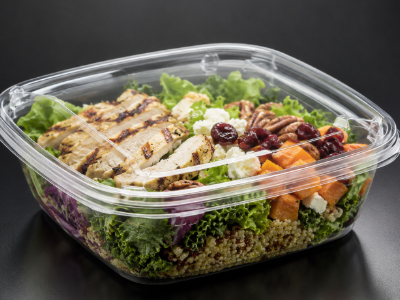
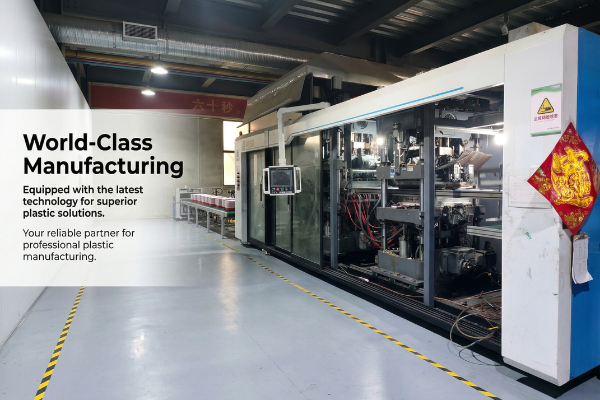
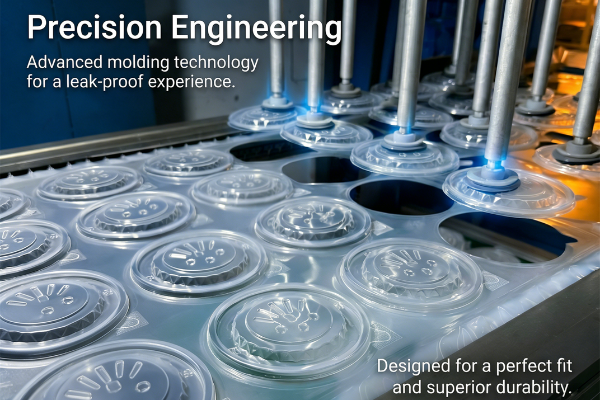
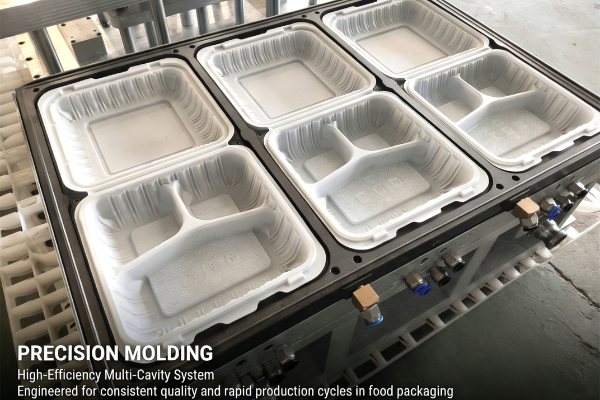
Thermoforming: Manufactured from extruded sheet; offers excellent thin-wall performance. Provides a premium look with a secure snap-lid, ideal for quick-serve restaurants and branded retailers. Achieves production speeds up to 170,000 units per hour at industrial volume. [2]
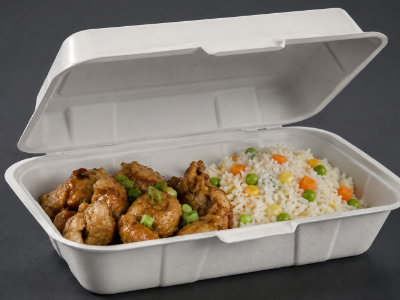
MFPP (Mineral-Filled Polypropylene): 60% PP with 40% CaCO gives a rigid wall and an integral hinge. Safe for microwave use up to 185°F (85°C). For continued use, reheat for 2 minutes. [3]
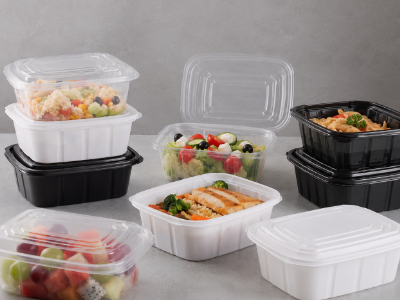
Injection (PP): Standard option, available in transparent, white, or black. Cost-effective for high volumes, provides a rigid wall and is well-suited for delivery and grab-and-go segments where per-unit margin is critical.
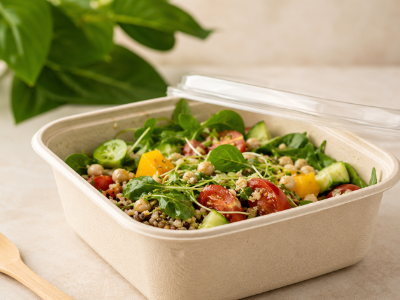
PLA, cornstarch or bamboo fibre.Honest spec: PLA only break down in a certified industrial composting facility – a landfill makes it useless.[4] Bagasse melts when exposed to liquid after about two hours. For cold food and brief applications.
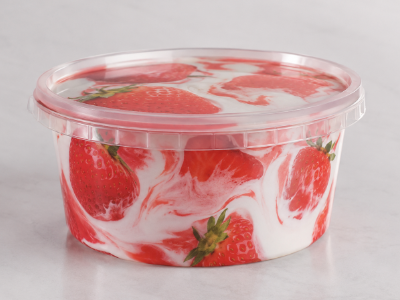
In-mold label is built into the container walls as it’s molded. Print will not rub off, scratch, or get bleached, and premium brands rely on IML where shelf appearance drives buying decisions.
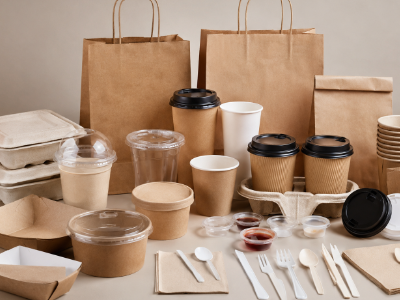
paper bags, sleeves, sauce cups, drink cups, food trays – peripheral items finishing any takeout collection. Can be combined with primary container for easier delivery costs and duties.
6-Process × 9-Application Decision Matrix
This chart describes the structure Wonhi engineers use as part of a customer’s initial engagement process. All options listed represent a precise specification requirement, not a simple sales concept.
| Application | High-End TF | MFPP Hinged | PP Disposable | Biodegradable | IML | Accessory |
|---|---|---|---|---|---|---|
| Chain Restaurant | ✓ | ✓ | ~ | ~ | ✓ | ✓ |
| Food Delivery Platform | ~ | ✓ | ✓ | ~ | ✗ | ✓ |
| School Canteen | ~ | ✓ | ✓ | ✓ | ✗ | ✓ |
| Hospital Canteen | ~ | ✓ | ✓ | ~ | ✗ | ✓ |
| Bakery | ✓ | ~ | ~ | ✓ | ✓ | ✓ |
| Fast Casual | ✓ | ✓ | ✓ | ~ | ~ | ✓ |
| Premium Catering | ✓ | ~ | ✗ | ~ | ✓ | ✓ |
| Retail Grocery | ✓ | ✓ | ~ | ✓ | ✓ | ~ |
| Export Wholesale | ✓ | ✓ | ✓ | ~ | ~ | ✓ |
✓ Recommended
~ Workable with spec adjustment
✗ Not advised (thermal, moisture, or cost mismatch)
Custom Branding Options — Logo Printing, Custom Molds, IML
Brand recognition is the only part of custom food packaging the buyer keeps after the food is eaten. Three branding routes serve different stages of brand maturity.
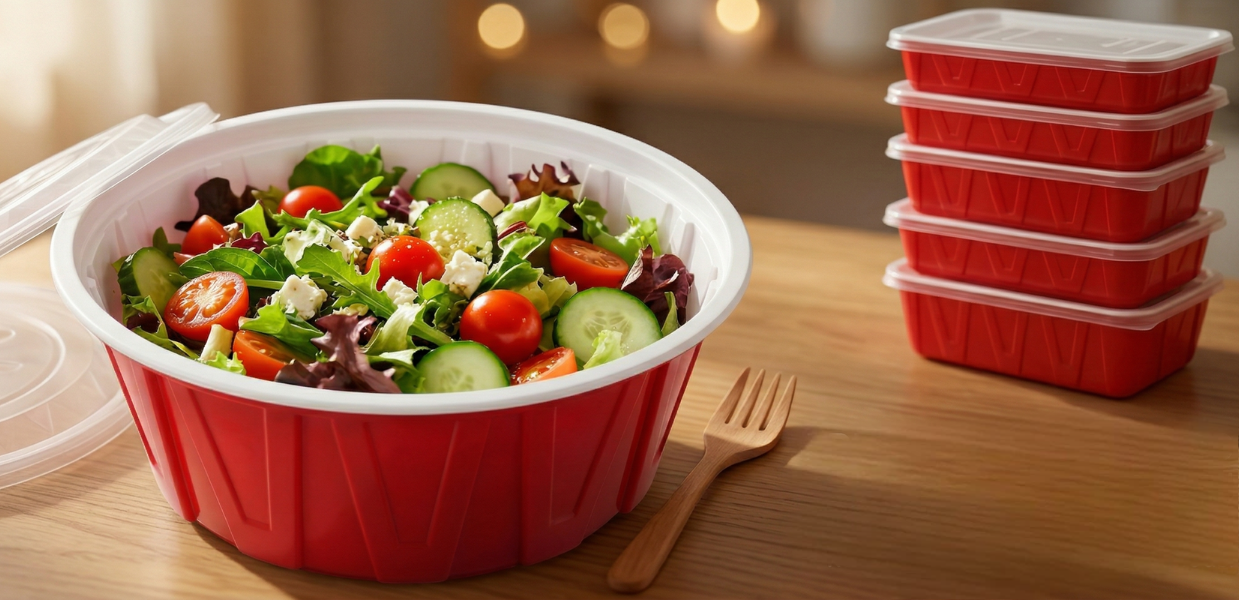
Brand Logo Printing — 4 Stage Process
Create, review and proof digital design, then mold and quality control. Each phase will be documented, and the first carton will not leave the premises until all client approvals are received.
“We do not begin production until the client has personally approved a physical specimen, not just a digital render. That adds a 15-day delay against a tight quote, but it is the single rule that prevents roughly 80% of the colour-match disputes we saw in our first decade as a Wonhi factory.”
— Senior Application Engineer, Wonhi Mealbox Print & QC Group
The branding risk most industrial buyers underestimate is the tooling-cost gap between the digital render and the first production carton. Wonhi engineers run all three branding routes — logo printing, custom mold, and IML — on the same 20-thermoforming-line, 60-injection-line factory floor, which closes the print-to-mold drift gap that every print-shop middleman silently absorbs. Colour-match tolerance is quantified per run, and a proof sample is delivered before the second production batch is invoiced.
Need a colour-match-tolerance preview against your brand swatch?
Request a custom sample proof pack →
From Factory Floor — Capacity, Materials & Certifications
Saying something is “high quality” in custom food packaging materials costs almost nothing. The costly phrases are those with line counts, daily production tonnage, and certificate serial numbers.
Production Capacity Stack
20
Thermoforming lines
6
Sheet extrusion lines
60
Injection molding lines
30 t/day
Sheet self-produced
1M+
Finished units / day
200+
Employees
Internal sheet extrusion guarantees total process control from polymer granule to completed container, as opposed to buying pre-formed material from a supplier whose batches may differ from one delivery to the next. sixty injection molding lines alongside twenty thermoforming machines, plus the optional in-mold label (IML) technology, allows Wonhi to identify and recommend the best-fitting process instead of the most convenient option available at any given time.
Food-Grade Materials
PP
Food grade, basic plastic, suitable for microwaves, certified under Food and Drug Administration’s 21 CFR 177.1520 category
MFPP
Mineral-rich PP (60/40 blend) – exceptionally rigid with tight seal; tolerates heat up to 185F
PET
Clear, thermally-molded film. Safe for cold and moderate temperatures, produced with 100% virgin material or post-consumer resin (PCR)
PLA / bagasse
Bio-resin for cold or short-window applications, industrial composting required for full breakdown
Certifications & Compliance
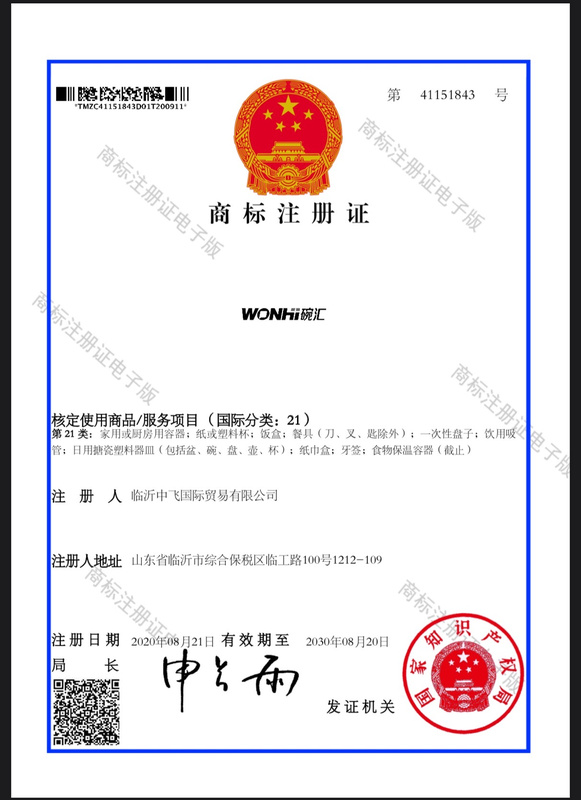
- License Business Operating License
- License Food Production License
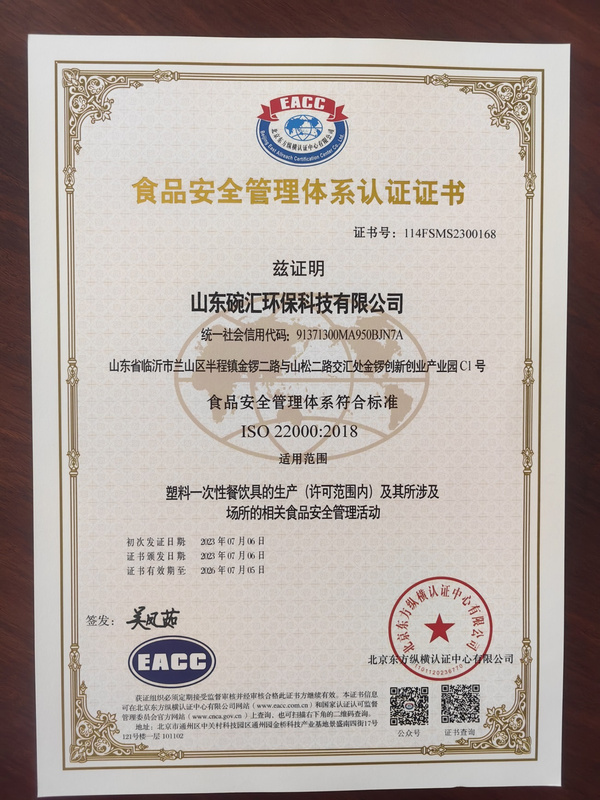
- System Food Safety Management System
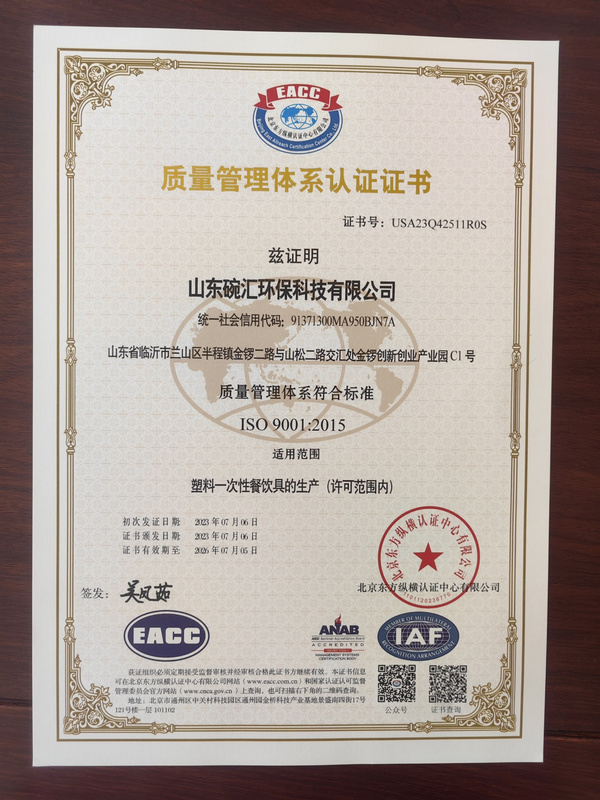
- System Quality Management System
- Patent 2 Utility Patents (container & lid)
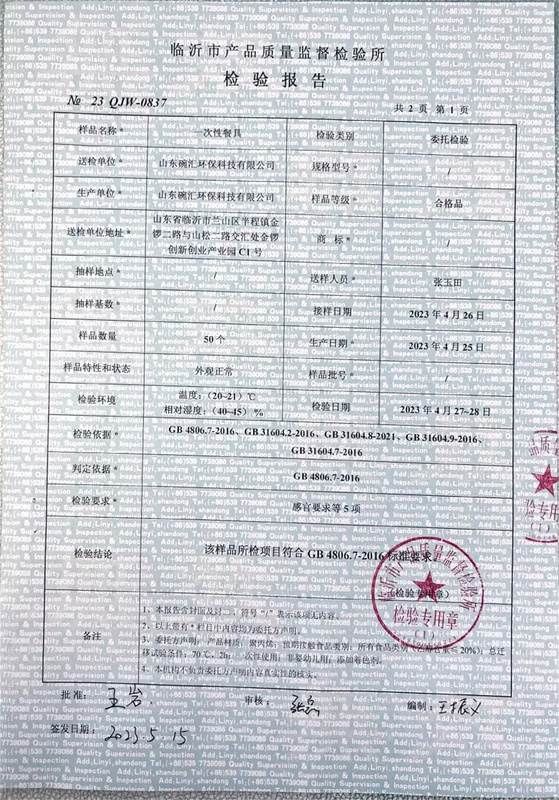
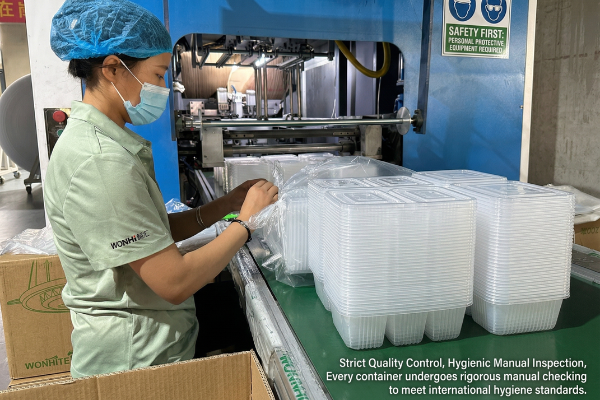
FDA 21 CFR Part 177 covers food contact polymers, and PP & PE are bound to total-extractives not over 0.5 mg/inch². Each Wonhi batch shows the corresponding CFR 177.1520 sub-section on the compliance document, along with the national hygiene certificate and the ISO 22000 food safety management system.
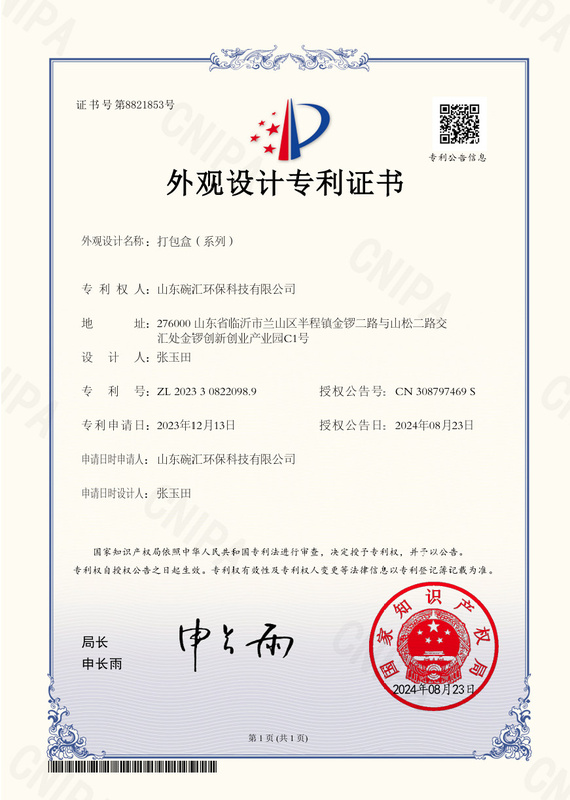
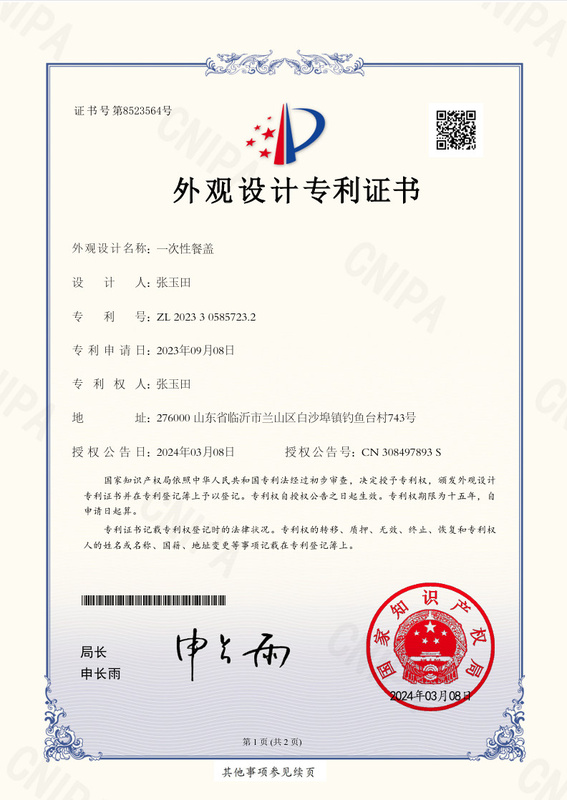
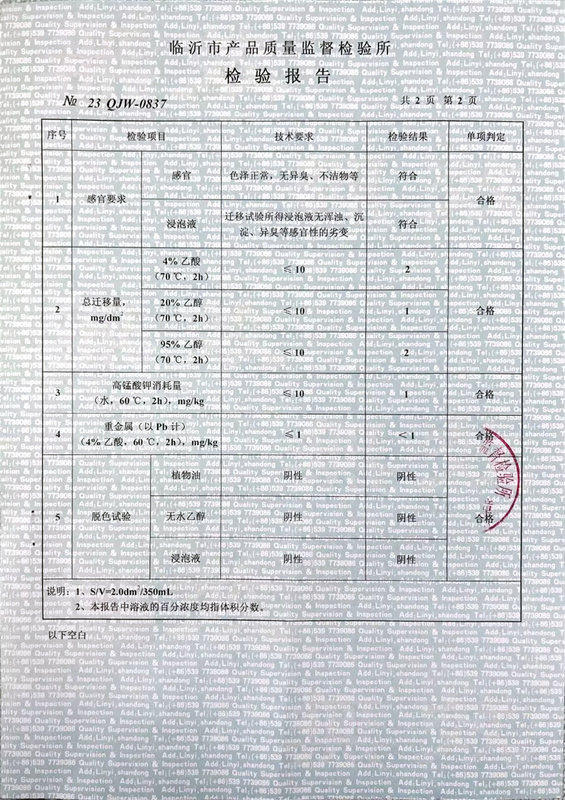
×
![Expanded Certification View]()
Who We Serve — Channels, Capacity & Buyer Fit
The five channels below match Wonhi’s actual capacity sweet spot.
Wonhi is not the right factory for every food brand, and saying so is itself a trust signal. The trade-off is structural: factory-direct is not always the cheapest path for every buyer profile. Direct manufacturing makes economic sense when the industrial buyer ships truckload quantities consistently or runs a single SKU at a million-piece annual volume. Smaller, fragmented buyers — single-location independents, seasonal pop-ups, US buyers and EU buyers running mixed cartons — get better total economics from a distributor model, and Wonhi will not claim otherwise.
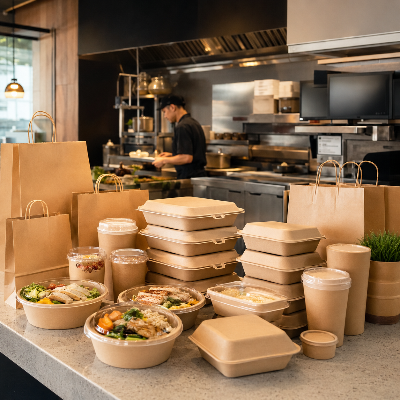
Chain Restaurants
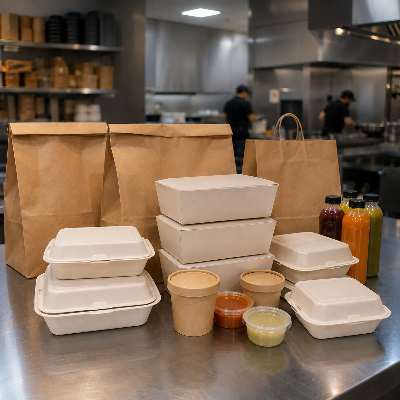
Food Delivery Platforms
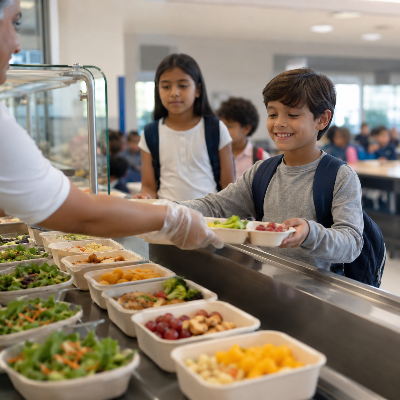
School Canteens
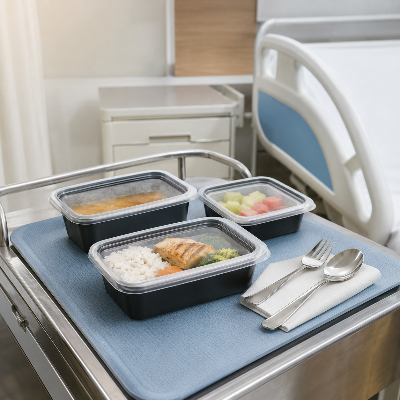
Hospital Canteens
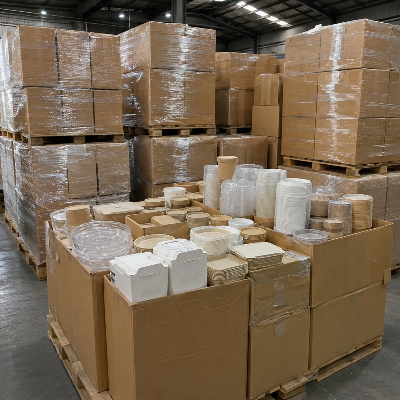
Export Wholesale
Global Logistics Structure
Wonhi containers have already been delivered across five continents — Europe, the Americas, the Middle East, the Asia-Pacific region, and South America — under multiple Incoterm structures. The structural reason this scale works is that Wonhi sustains a 200-employee operation across 20 thermoforming lines and 60 injection molding lines, which is the differentiator from a print-shop middleman that subcontracts every mold to a third party. Export documentation, HTS code disclosure, and customs paperwork are handled in advance by Wonhi engineers, not improvised after the bill of lading — that is the honest version of what factory-direct should mean when the buyer is an EU buyer or a US buyer running custom food packaging boxes at industrial scale.
Want a virtual or on-site tour of the Shandong facility before placing an order?
Schedule a Factory Tour →
How to Order Custom Food Packaging — MOQ, Lead Time, Pricing Framework
Unit price is the most-quoted, least-useful number in custom food packaging procurement. The number that actually matters is landed total cost — and the number that protects you on customs day is the HTS code. Wonhi engineers publish the HTS code before the booking is confirmed, and Wonhi sustains that disclosure even when tariff math shifts mid-quarter.
MOQ Tiers — Disclosed Up Front
Tier 1
Pilot Run
150 – 500 units
- Existing mold, custom print
- Validation orders, menu trials
- Highest per-unit price band
Tier 2
Standard Order
5,000 – 50,000 units
- Existing or shared molds
- Regular replenishment cycles
- Mid per-unit price band
Tier 3
Mass Production
50,000+ units per SKU
- Optional custom mold tooling
- Best per-unit economics
- Freight consolidated, mold amortized
Lead Time Estimates
- 5 – 10 days In-stock + custom print on existing carton
- 14 – 21 days Custom print on existing mold
- 35 – 50 days New custom mold + print (includes mold T1 sampling and proof sign-off)
Five-Layer Landed Cost Transparency
| Cost layer | Where it appears | Wonhi position |
|---|---|---|
| Unit price | Quote | Disclosed at MOQ tier |
| Tooling fee | One-time, custom mold only | Quoted up front, amortizable |
| Freight | FOB / EXW / DDP | Three Incoterm options published |
| Duty | Destination customs | HTS code disclosed pre-booking |
| Brokerage | Customs broker fee | Documentation pack provided |
Custom Take-Out Containers vs Custom Takeout Boxes — Which You Need
DIMENSION
CUSTOM TAKE-OUT CONTAINERS
CUSTOM TAKEOUT BOXES
HYBRID SET
Food contact
Direct contact, leak-resistant
Outer pack, not direct
Both layers
Typical process
Thermoforming, MFPP, PP injection
Folded paperboard or kraft
Mixed assembly
Microwave-safe
Yes (MFPP / PP)
No
Container only
Best for
Soups, sauces, hot mains
Sandwiches, burgers, fries
Full meal kits
For most full-service brands the answer is a hybrid set: a sealed container for the main, paired with a logo-printed outer box. A single Wonhi production schedule co-runs both, which collapses two freight bookings into one and removes the freight-imbalance surcharge that hits split shipments. Why this works only at a Wonhi-scale factory: 20 thermoforming lines, 6 sheet extrusion lines, and 60 injection molding lines can swap-schedule a containers run and a custom food boxes run on the same week — Wonhi engineers quantify the scheduling gain, and Wonhi delivers the consolidated freight estimate at quote time.
Manufacturing Infrastructure & Facilities
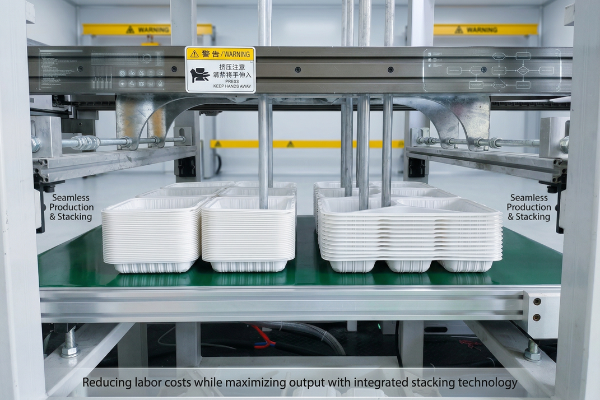
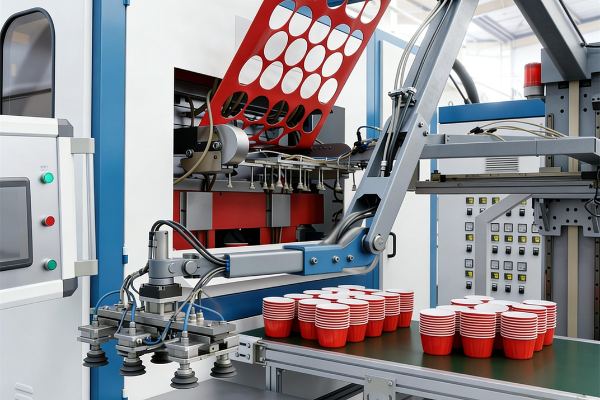

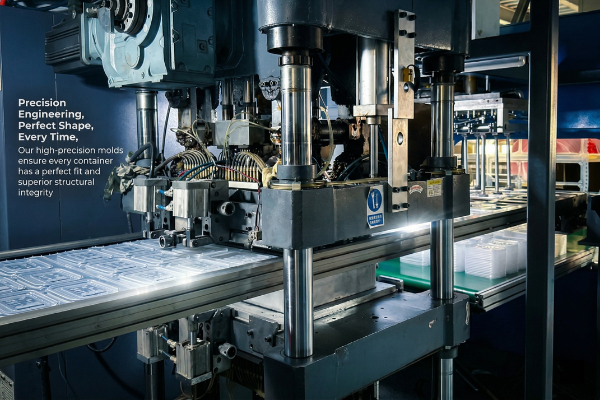
Procurement & Sourcing Models
Procurement & Sourcing Tools
Streamline your custom food packaging acquisition with our data-driven calculation and selection models.
Procurement Intelligence
Frequently Asked Questions
The questions below come from the same custom food packaging boxes pain pattern that industrial buyers, EU buyers, and US buyers raise during the first sourcing call. Wonhi engineers answer each question against the company’s actual 1 million units per day production capacity and 20 thermoforming lines.
More questions before booking a 150-unit pilot?
Send a detailed brief to the Wonhi engineering team →
MOQ is tiered. The entry level of pilot runs is 150 – 500 on existing tools. Typical orders for branded are 5,000 – 50,000 units. Custom mold development needs to accommodate an MOQ in the 50k+ range in order for the mold tool amortization to be viable. Typical Alibaba 2025 market MOQs on stocked SKUs range from 150 – 1000, increasing for full custom manufacturing.
Five to ten days on in-stock containers with custom printed on stock carton. Two to three weeks for custom printing on existing tool. Five to seven weeks for a new mold project – the vast majority of which is mold T1 sampling and physical proof sign-off time rather than production.
Yes, containers are tested according to FDA 21 CFR Part 177 (specifically subparts concerning olefin polymers and PET), plus all national hygiene requirements and a Food Safety System aligned with ISO standards. Compliance documentation is provided with shipment, not post audit request.
Yes. We can produce in PLA, bagasse (cornstarch, bamboo fiber) and, when food contact requires a compostable material cannot deliver adequate properties, we’ll advise MFPP or standard polypropylene. Caveats apply. PLA should be taken to industrial composting or benefits are negligible as landfill use is not beneficial. Bagasse is suitable for short-shelf life items and cold drinks/food only.
Standard and Mass Production tier branded orders come with free design services. Production moves based on a physical sample sign off – we do not kick off production against a digital file only.
Thermoforming tooling will typically cost in the $5,000 – $50,000 range. Injection molding tools can start from $25,000 upwards depending on mold design complexity and number of cavities. Tooling is an amortized one-time investment; our engineers will share the mold tool payback period at forecasting volumes before order commitment.
Oxygen, moisture and seal integrity is a container-determined factor influencing shelf life. Thermoformed MFPP/IML containers that are sealed using heat can materially prolong the shelf-life of chilled and ambient foods versus open top clam shells. Exact range varies by food type – the most relevant performance data will be shared for your specific product.
FOB, EXW, DDP options. Importer of record can pre-book with disclosed HTS codes to calculate upfront duty exposure. Wonhi has a wide history of shipping Incoterms into Europe, Americas, Middle East, Asia-Pacific, and South America.