Get in touch with Wanhui Company

Wholesale Food Containers
Wholesale Take Out Containers — Factory-Direct Disposable Food Packaging
Purchase wholesale take-out containers directly from a 20-year manufacturer — not a reseller who marks up someone else’s inventory. Because Wonhi operates its own thermoforming, extrusion, and injection lines, you benefit from factory direct prices, custom in-house molds, and verifiable food safety certificates.
ELEVATED
CLICK TO ELEVATE
20 yrs
food-packaging manufacturing
1M+ / day
units processing capacity
25–3000ml
size range across lines
ISO 22000+
certified, verifiable
5 continents
export experience
In-house
custom molds + log
All buyers
Why Source Take-Out Containers Wholesale Direct From the Factory
01
Market Overview
Most buyers looking for wholesale take out containers land on the same five US distributors — and each of them buys the same food-grade disposable food containers — regulated under FDA 21 CFR — from a factory, marks it up, and ships it out of a regional warehouse.
Take-out containers are the clamshells, hinged boxes, bowls, trays, and lidded cups that are used to transfer prepared food from your kitchen to the customer; the question is never about what they are but almost always who you buy them from.
Buyers refer to them as takeout containers, to-go containers, take out boxes, or go boxes — Wonhi produces the entire takeout range and the to-go format you select is of less importance than the supplier you purchase from.
02
Reseller Inefficiencies
Through a reseller, you lose out in three hidden ways: first, every case comes with an added markup; second, real costs are hidden until checkout; third, you are limited to container shapes that the reseller has in stock.
This is a consequence of structure — resellers lack tooling.
03
Direct Factory Capacity
Because they operate out of a catalog, custom molds, flexible custom minimum order quantities, and firm lead-time commitments are simply not available to them.
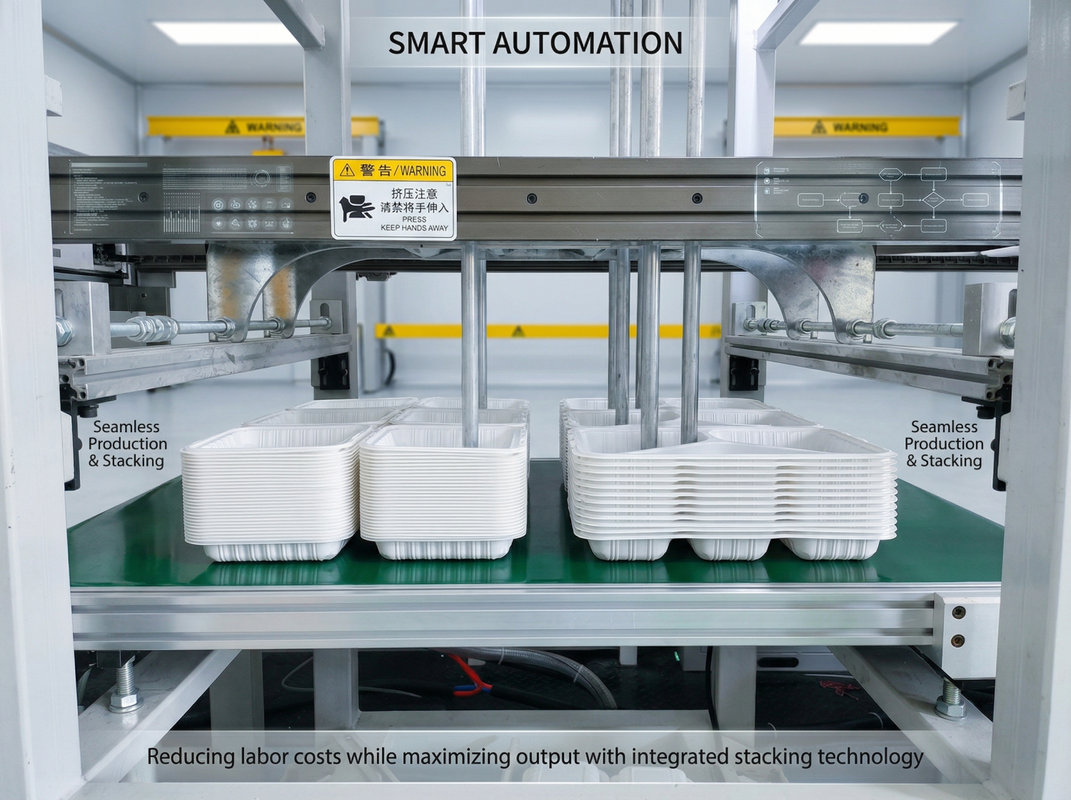
This is not the case with Wonhi: they can offer factory-direct pricing, exclusive brand molds, and fixed production schedules because they have 20 thermoforming, 6 sheet-extrusion, and 60 injection-molding lines all under one roof and a capacity of over one million units a day.
04
Volume Mathematics
The volume reveals the clearest mathematics. A ghost kitchen with six delivery brands can achieve over 40,000 containers per month; at a reseller markup of $0.04 per unit, that is about $1,600 a month of margin walking out the door before any meal is prepared.
There is industry data to support such a gap: wholesale buying runs 30–50% below individual-unit pricing, and a direct factory import saves up to 40% versus local sourcing, even when factoring in freight.
The rest of the page details the full spectrum, material options, our comparisons to resellers, and a full breakdown of how wholesale ordering functions.
SYS.05 // ACTION REQUIRED
Not sure which line fits your menu?
Get free samples to test fit and seal
[SYS-01] PORTFOLIO OVERVIEW
Wonhi Wholesale Container Range — Types, Materials & Sizes
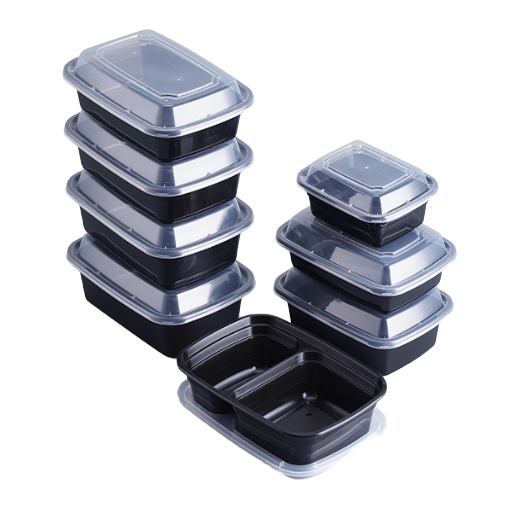
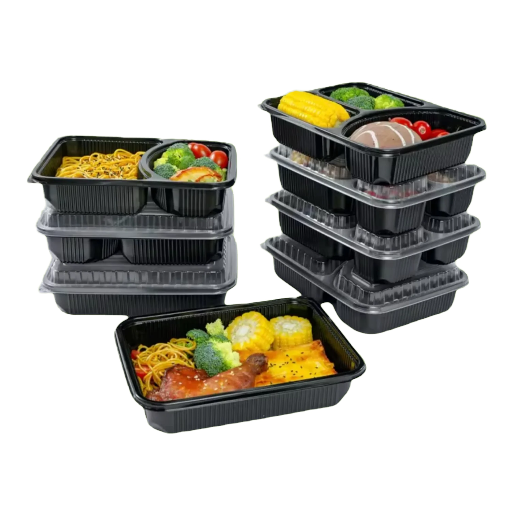
Varied service formats incur losses in different ways: a soup spills during transport, a hinged box breaks in a delivery bag, a clear lid becomes foggy and obscures the food, etc. Instead of one box trying to do it all, Wonhi constructs six container families to allow you to align the container with the dish and channel.
EXPAND SPECIFICS
While kraft paper take-out boxes, corrugated cartons, and pizza boxes which are designed for dry foods, every Wonhi line is designed to endure the delivery bag and seal liquids. This includes deli containers in bulk for cold sides, restaurant takeout containers for dine-out volume, and tamper-evident lids for delivery clearances. Bento box wholesale customers will receive the same material and customization options as individual SKU orders.
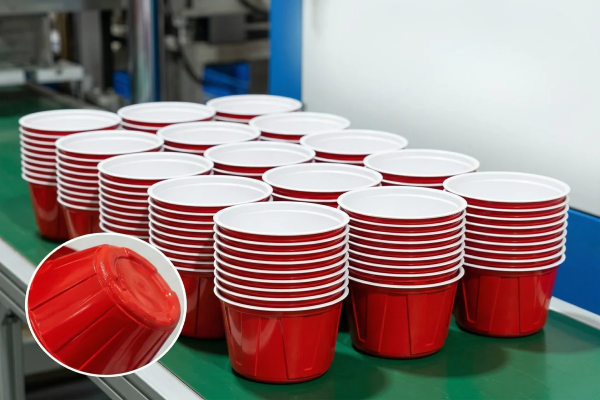
Wholesale Plastic Containers [01]
- Materials
- Virgin PP / MFPP / PET
- Thermal
- Up to 120°C (PP series)
- Application
- Hot Prep, Soups, Delivery
Explore Range
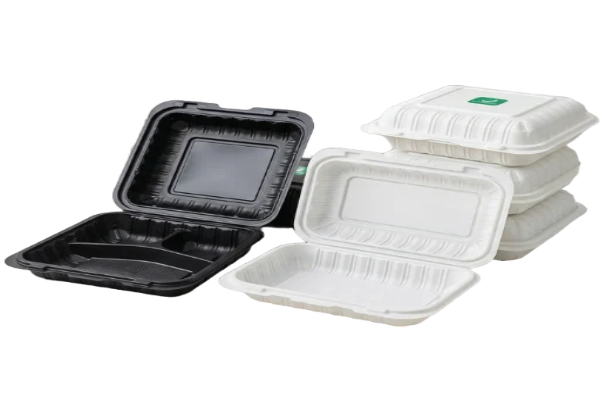
Food Container Supplier [02]
- Supply Tier
- Factory-Direct B2B
- Customs
- OEM Tooling & IML Print
- Logistics
- Global Freight & Clearances
View Details
Wholesale buyers order right across this catalog — meal prep containers wholesale, bento box wholesale, restaurant takeout containers, take out boxes bulk, deli containers bulk, and bulk to go containers — alongside custom take out containers and disposable tableware wholesale, all at factory-direct tier pricing.
[SYS-03] SPECIFICATION MATRIX
Wonhi 4-Material Take-Out Container Selection
The material determines nearly everything a buyer cares about — heat resistance, transparency, price, and eco-friendliness. Resellers seldom spell out the trade-offs; here’s how Wonhi’s four production materials correlate with some specifics, all of which are clear and verifiable.
| Material | Heat / Microwave | Clarity & Feel | Best-Fit Use | Disposal |
|---|---|---|---|---|
| Virgin PP (polypropylene) | Microwave-safe to ~120°C | White / black / clear, rigid | Hot mains, meal prep, soups | Recyclable #5 |
| MFPP (mineral-filled PP) | Microwave-safe, higher rigidity | Matte, very crush-resistant | Hinged take-out, bento, delivery | Recyclable #5 |
| PET | Cold / ambient only — not microwave | Crystal-clear, premium look | Cold salads, fruit, desserts | Recyclable #1 |
| Cornstarch (PLA-class) | Hot & cold, oil/moisture-resistant | Natural fiber look | Eco-required venues, foam replacement | Compostable |
[SYS_NODE: COMPARATIVE_MATRIX]
STATUS: ACTIVE_READOUT
VENDOR ANALYSIS
Supplier Analysis: Wonhi (Factory) vs Resellers & Local Distributors
[+] EXPAND MARKET CONTEXT
The five websites competing for wholesale take-out containers are decent storefronts — four of them, however, are resellers, and the structural voids are identical for all of them: lack of transparency around pricing, no published lead time, and no custom tooling. That leaves buyers guessing about landed cost and custom shapes, which is a significant issue in the case of a regional restaurant group needing a proprietary clamshell its competitors cannot copy.
We will not pretend to undercut a large distributor’s loss-leader pricing on one box — the only honest comparison is on volume landed cost, where direct-from-factory beats reseller pricing. Among suppliers of takeaway packaging, the real distinction is reseller versus factory. Below is the direct comparison on the factors that matter to buyers.
Wholesale Supplier Evaluation Matrix
| Evaluation Factor | Wonhi (Factory-Direct) | US Reseller / Distributor |
|---|---|---|
| Pricing basis | Factory cost + tiered MOQ | Factory cost + reseller margin |
| Wholesale vs individual | 30–50% below unit retail | 30–50% below unit retail (minus their margin to you) |
| Custom mold (new shape) | Yes — in-house tooling | No — catalog only |
| Logo / IML branding | Logo print + in-mold label | Logo print only (if offered) |
| Daily output | 1,000,000+ units | Holds warehouse stock |
| Food-safety proof | ISO 22000 + ISO 9001 cert numbers | Usually “FDA-compliant” claim, no cert shown |
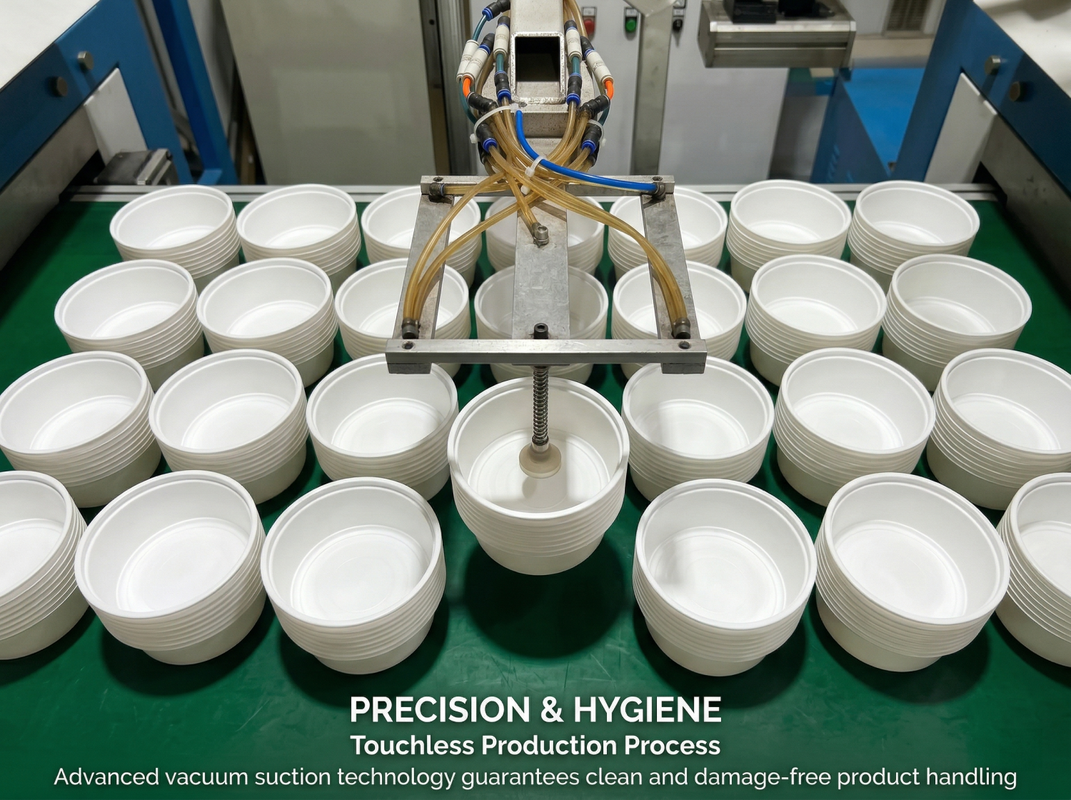
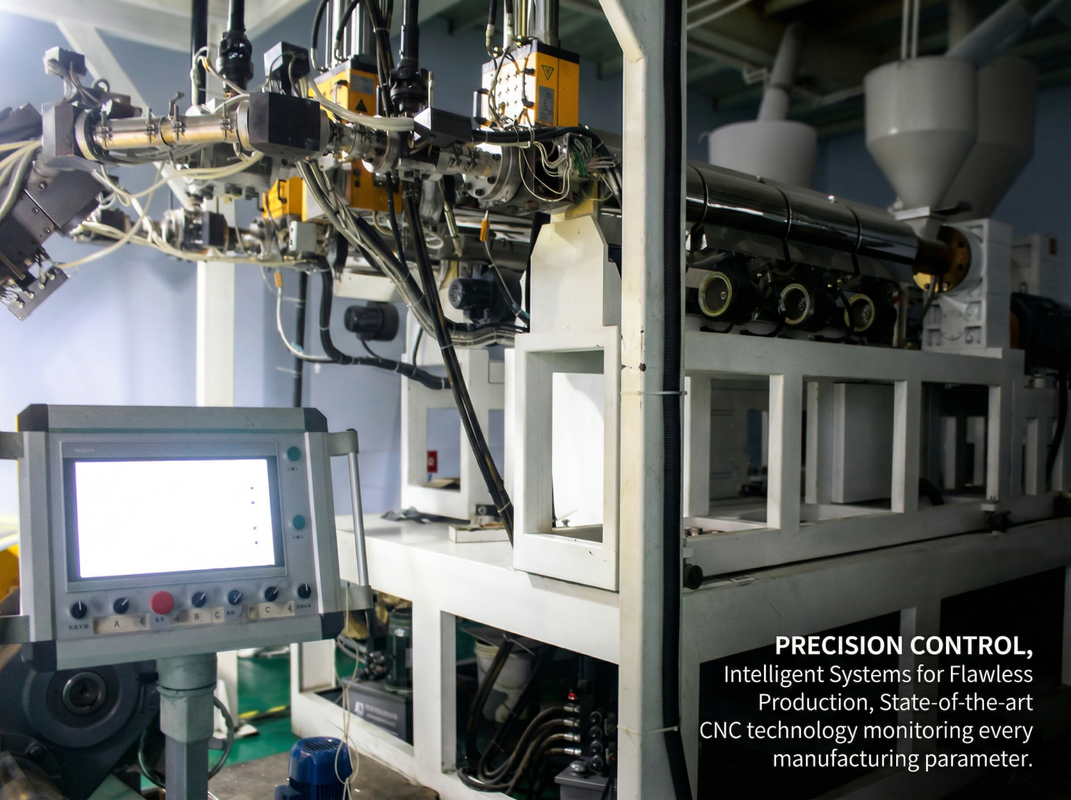
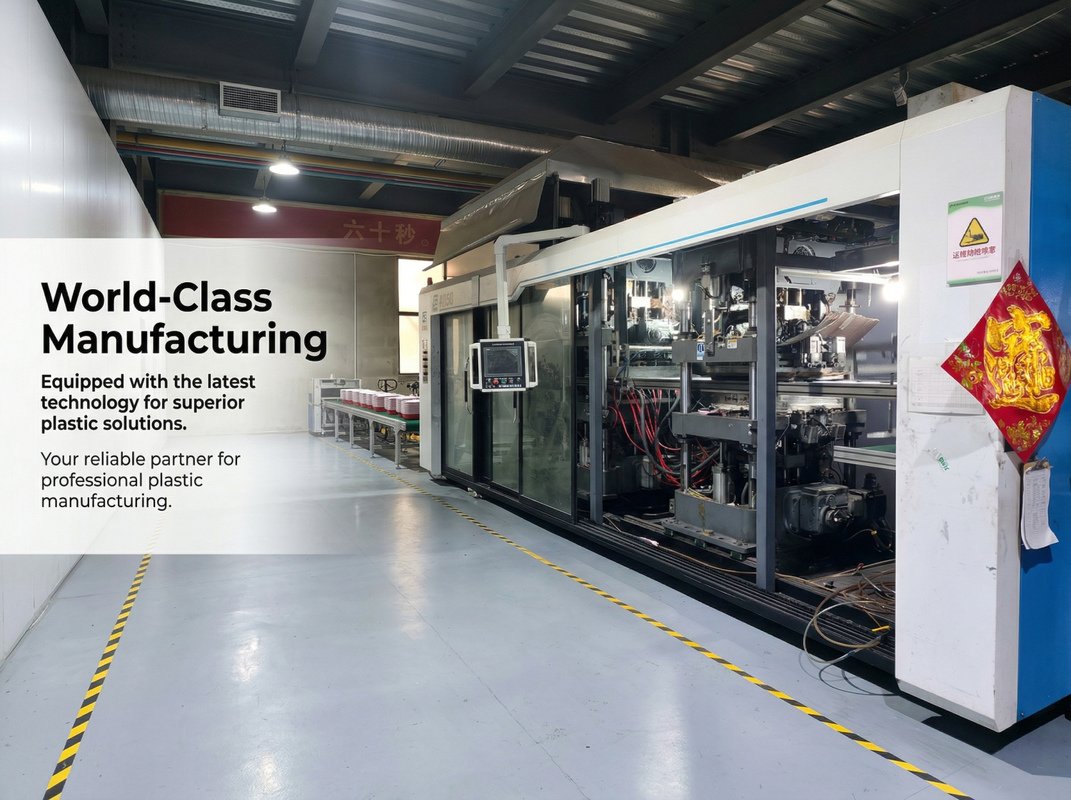
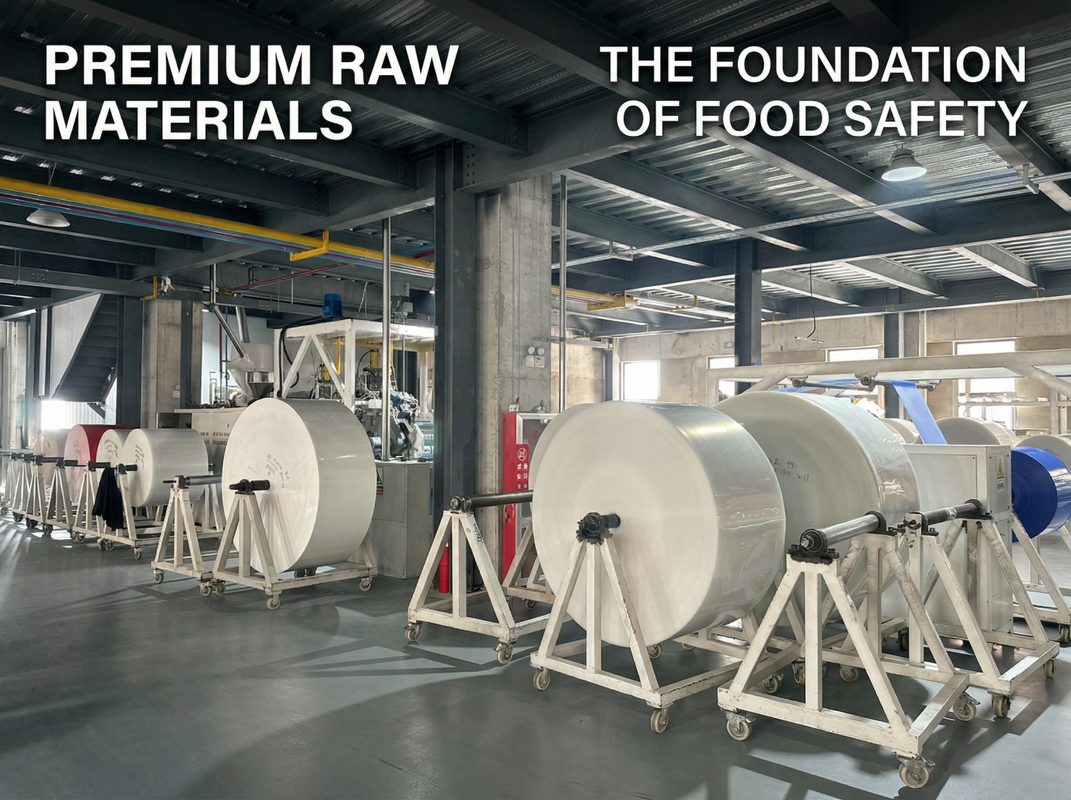
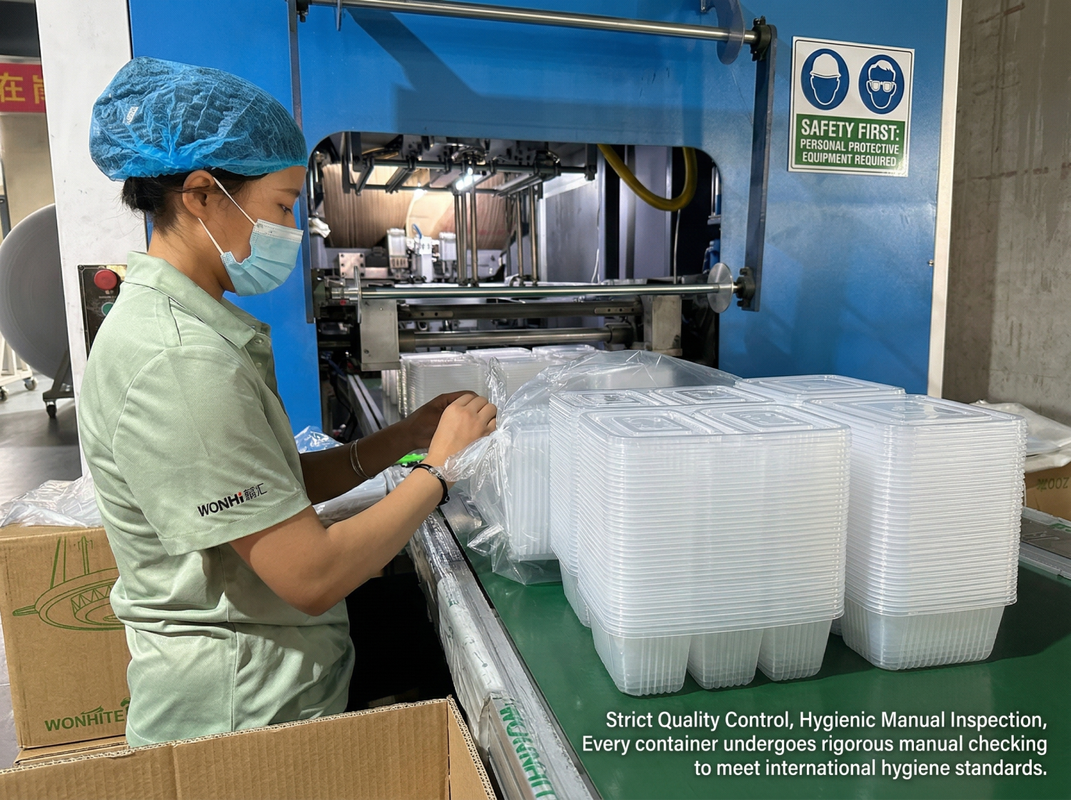
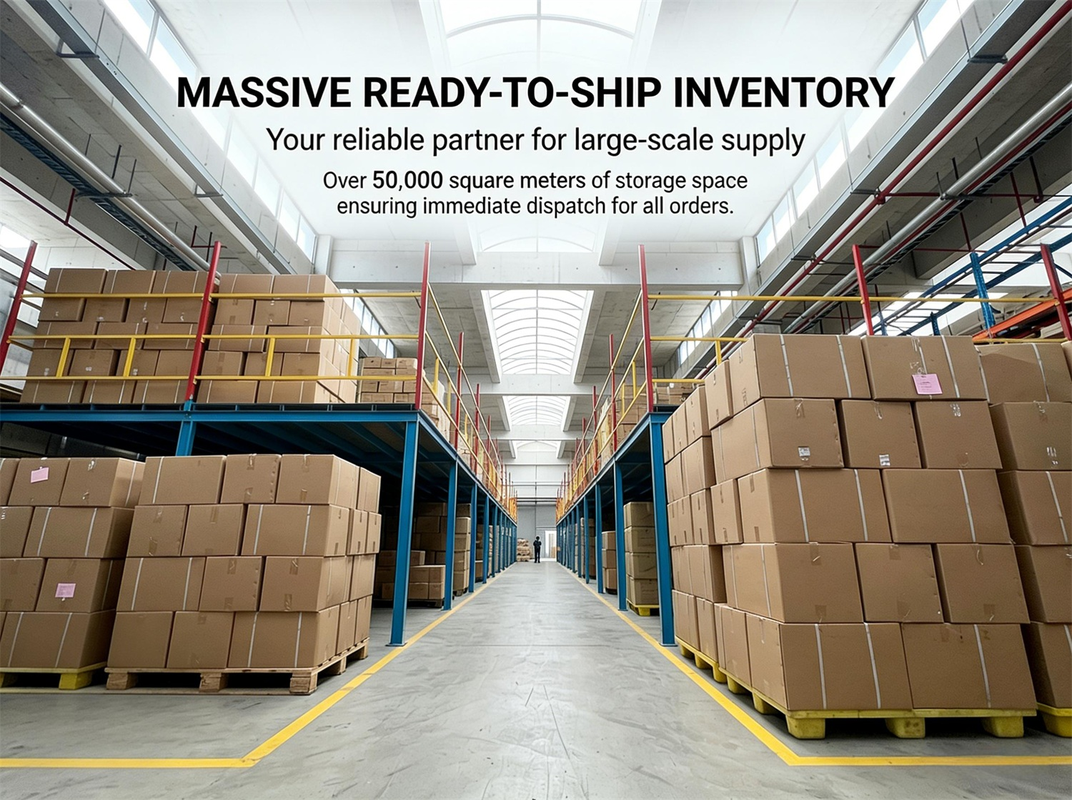
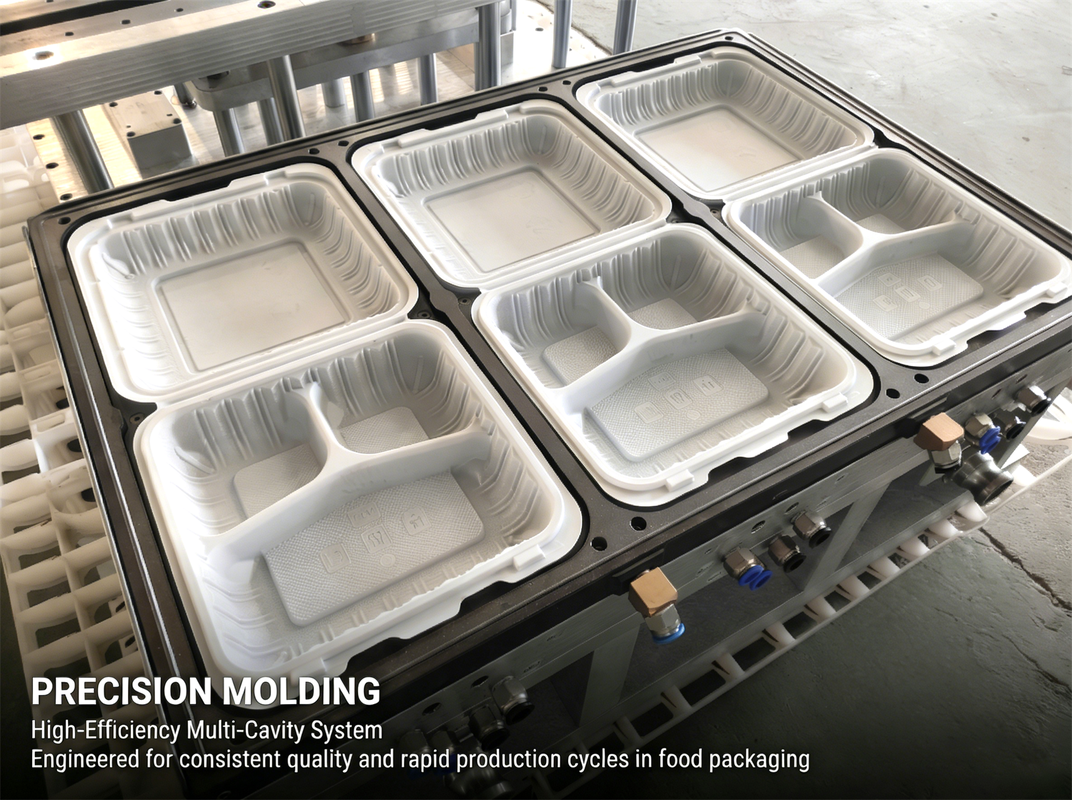
Advanced Manufacturing Facilities & Infrastructure
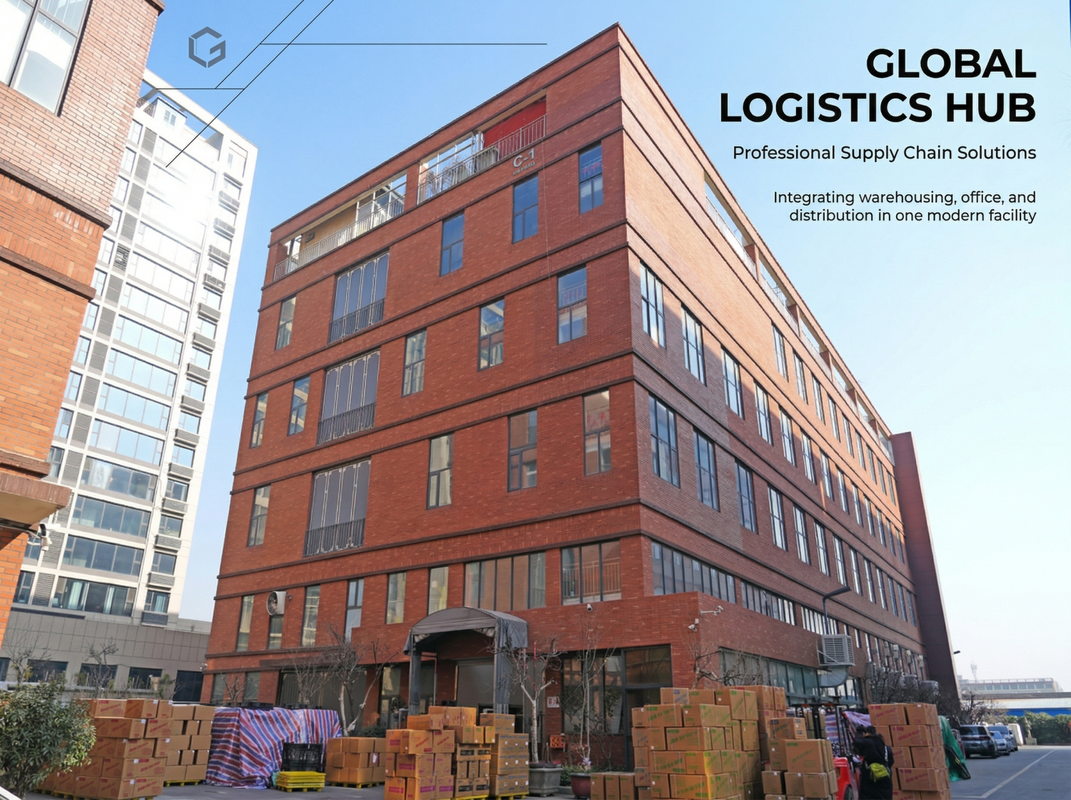
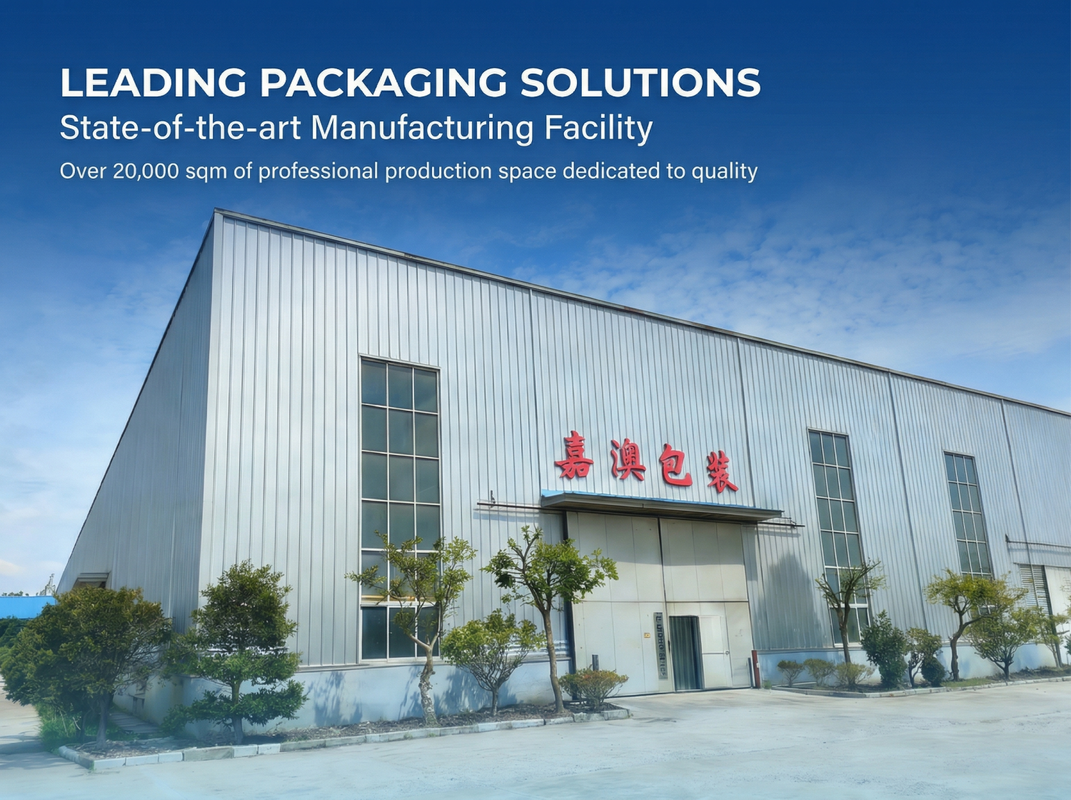
SYS.01 // Branding Context
Custom Take-Out Containers — Logo Printing, In-Mold Labels & Custom
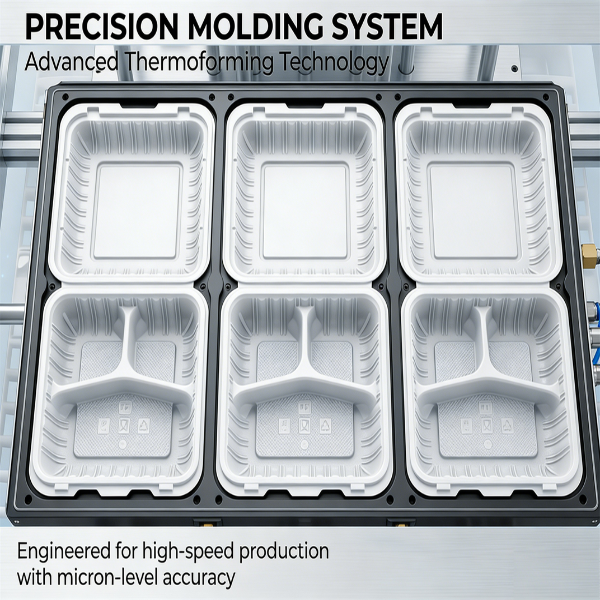
Branded packaging is the most cost-affordable promotion a food business has — every delivery features the logo on the customer’s kitchen counter. Most “custom” suppliers are just customizing one side of the box and adding a logo on a stock design, which will inevitably scuff and wear down after a few uses because that supplier doesn’t do custom mold design and in-mold label (IML) tooling.
Think of an emerging DTC meal prep brand that is projected to ship 30,000 boxes a month. A label that is peeling off will undermine the brand’s attempt to position itself as a premium offer. The risk is direct: a scuffed logo on a premium box makes the whole order look cheap, and customers who notice rarely reorder.
Wonhi provides three tiers of customization in-house. For the most affordable, surface logo printing; for the most durability, In-Mold Labeling (IML), which permanently integrates the graphic into the container wall during the molding process so your image will not peel, fade, or scratch; and finally, full custom mold development for an exclusive container shape no competitor can copy.
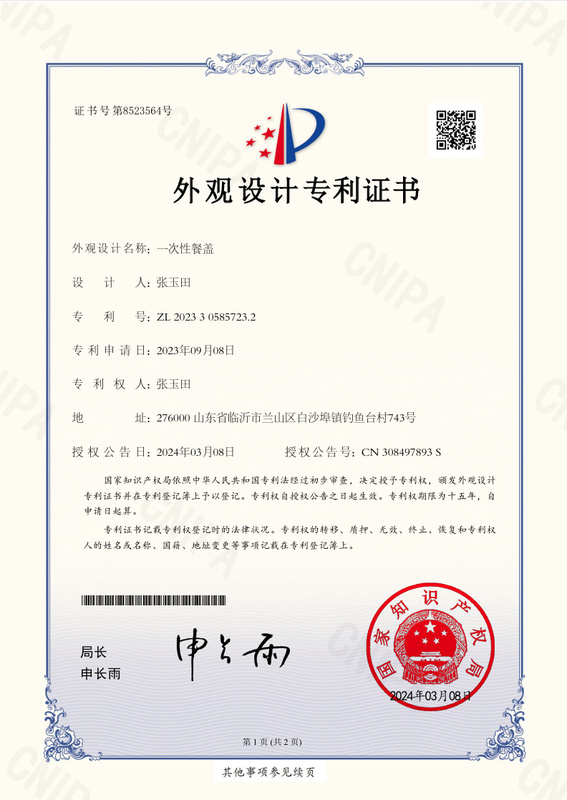
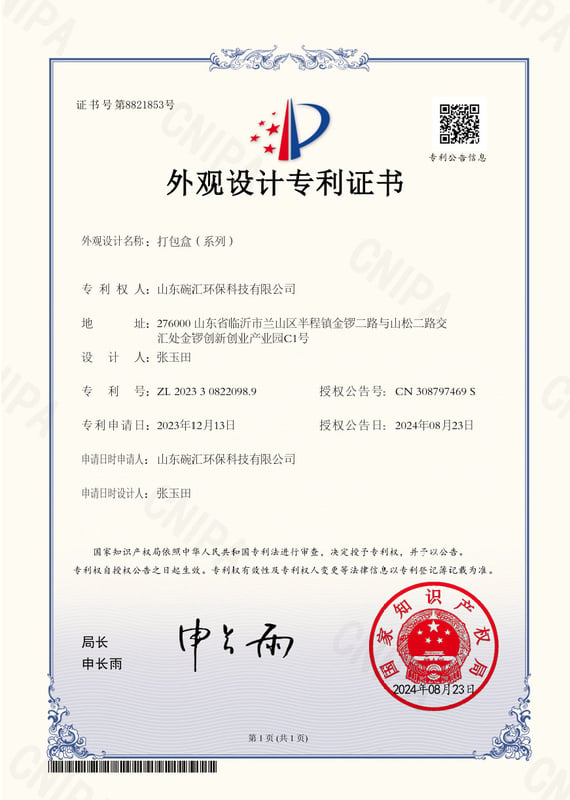
That design capability is proven — Wonhi holds CNIPA design patents for a take-out box series (ZL 2023 3 0822098.9) and a disposable lid (ZL 2023 3 0585723.2), and a lower custom MOQ than most resellers means even mid-size brands can commission their own shape.
Send us your artwork or a target shape and we’ll quote the mold and per-unit cost together, so a 30,000-box program sees its true landed cost before committing.
“A reseller can put your logo on a box. We can build the box. When a brand needs a shape that locks a competitor out, that’s a mold project — and because the tooling is ours, the per-unit cost on a custom run stays close to a stock run once volume is there.”
SYS.05 // Next Action
Have artwork or a shape in mind?
Request Custom Quote
Food-Grade Materials, Safety & Verifiable Certifications
Here is the counter-intuitive part most buyers miss: not every disposable container is microwave-safe, and “compostable” does not mean microwave-safe. Polypropylene (PP, resin #5) disposables are safely non-reactive and microwave-safe, while clear PET is FDA compliant with regard to cold and ambient food, but should not be microwaved because of the risk of heat induced antimony migration. Selecting the appropriate material for the container is a matter of food safety — not merely a matter of aesthetics — which is why Wonhi has to label every line by material type.
All Wonhi containers use food-grade raw materials, engineered for greater thickness and compression resistance, a leak-proof seal, and zero odor. Because our containers are PP, PET, and cornstarch-based, they are outside the scope of the PFAS problem currently driving new bans on grease-proofed paper and fiber packaging.
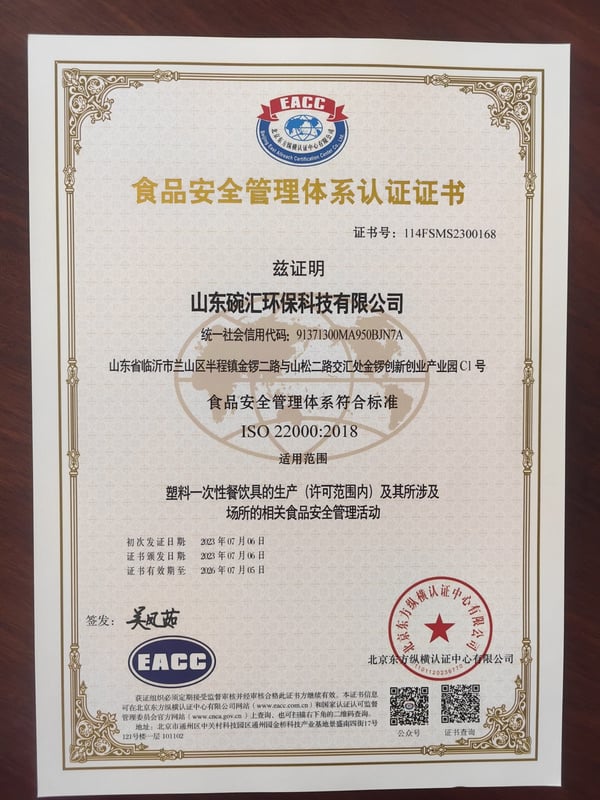
ISO 22000:2018
Food Safety Mgmt · Cert 114FSMS2300168 · EACC
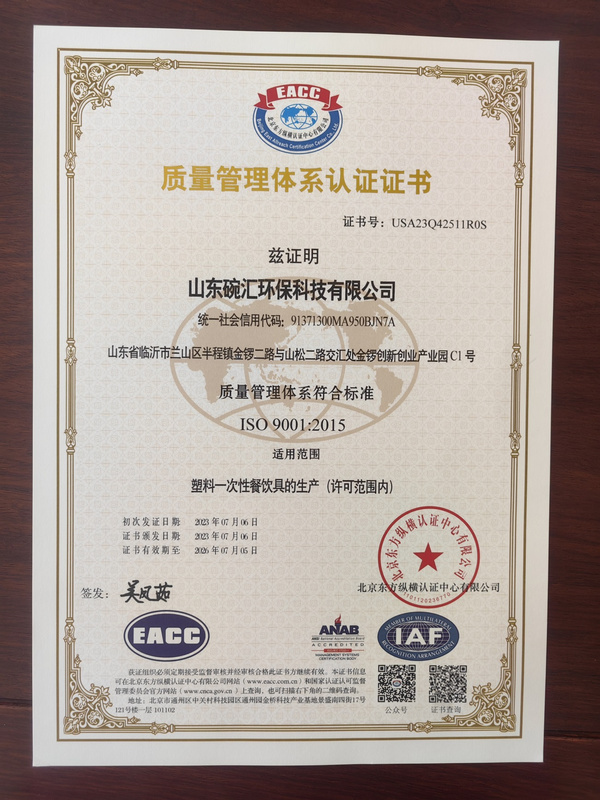
ISO 9001:2015
Quality Mgmt · Cert USA23Q42511R0S · ANAB/IAF
CNIPA Patent
Take-out box ZL 2023 3 0822098.9
CNIPA Patent
Lid design ZL 2023 3 0585723.2
Food-grade PP/PET
FDA 21 CFR 174–179 material class
Why verifiable beats “FDA-compliant”
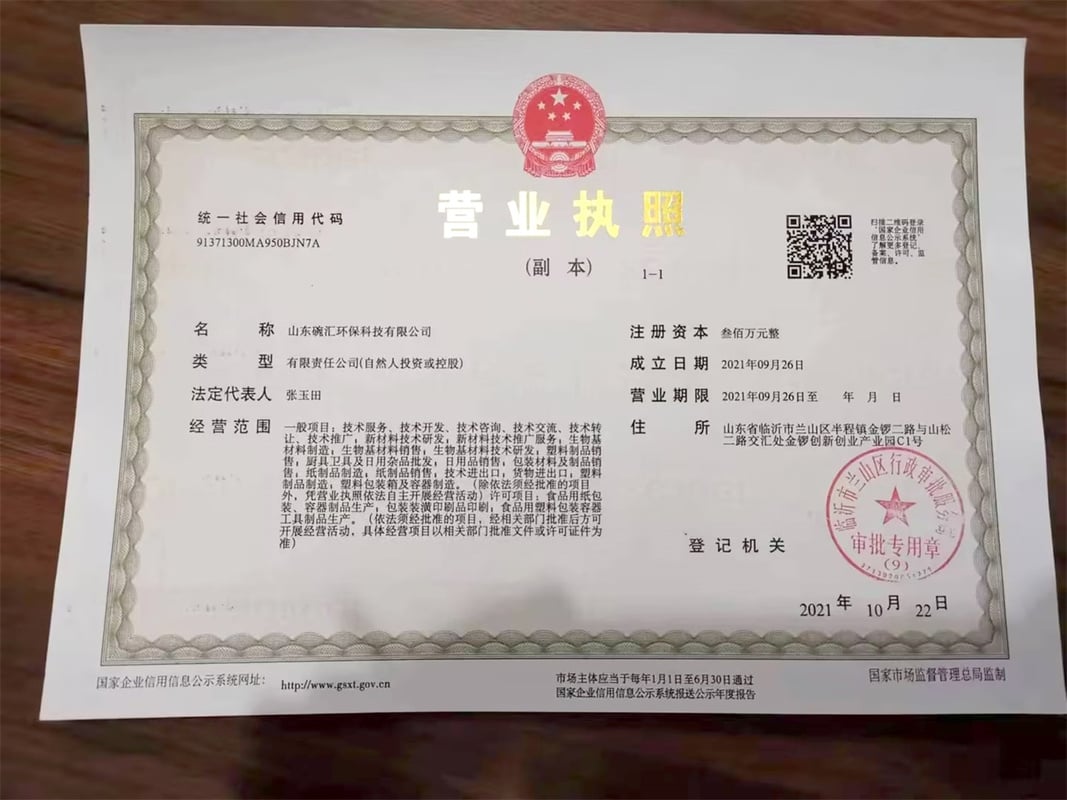
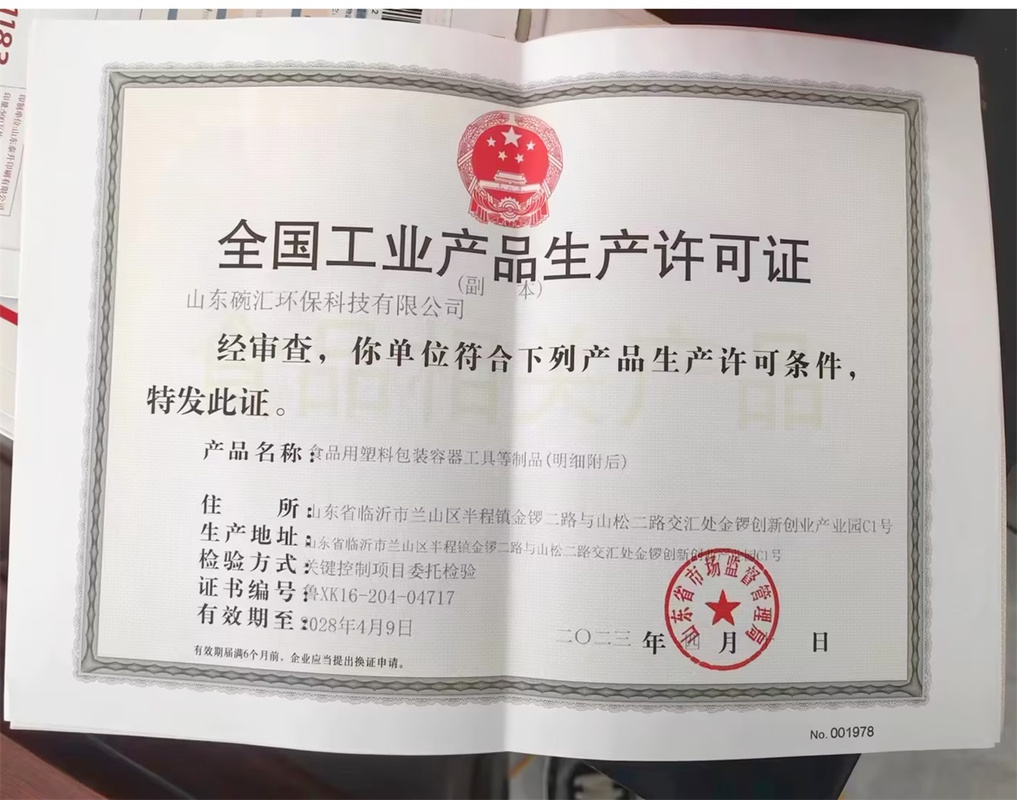
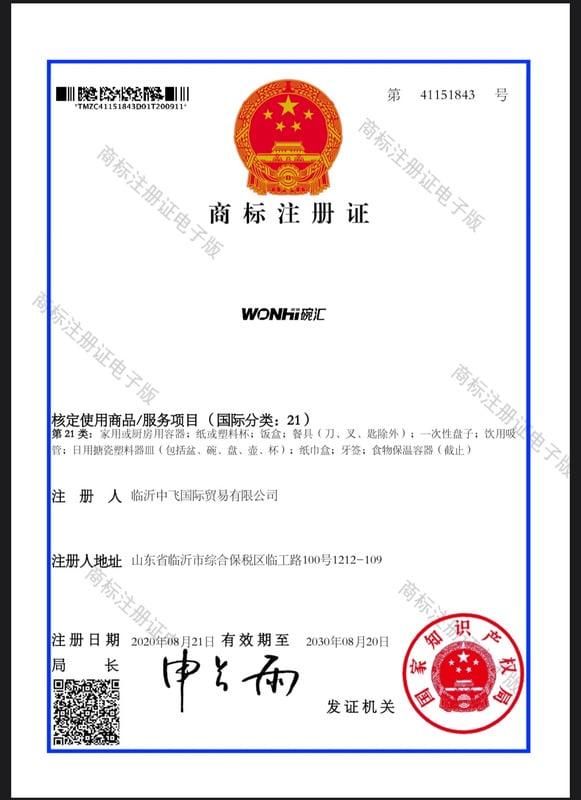
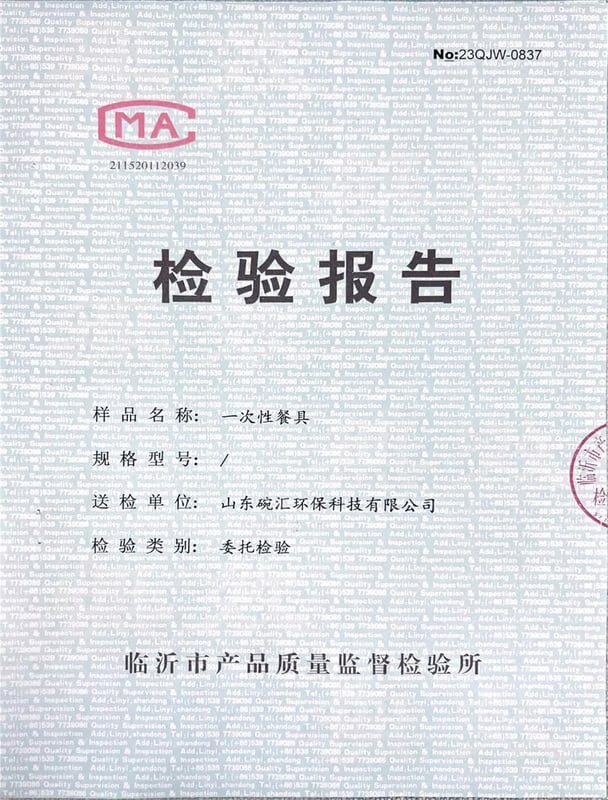
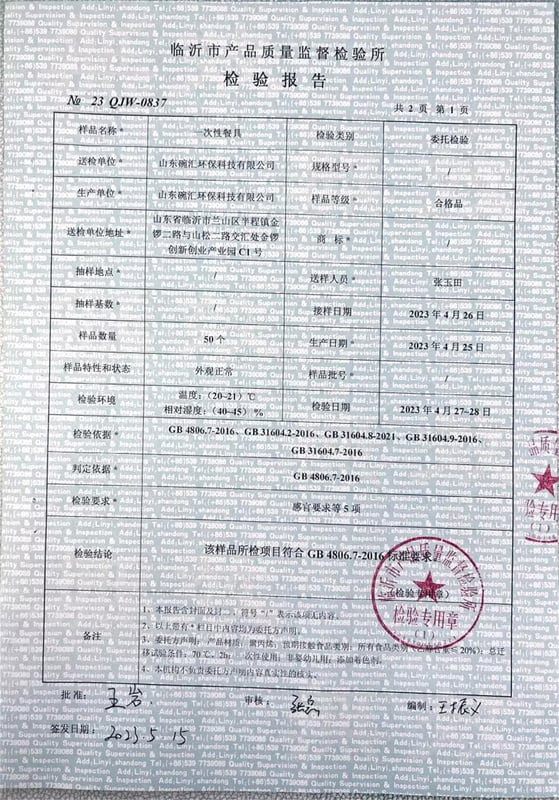
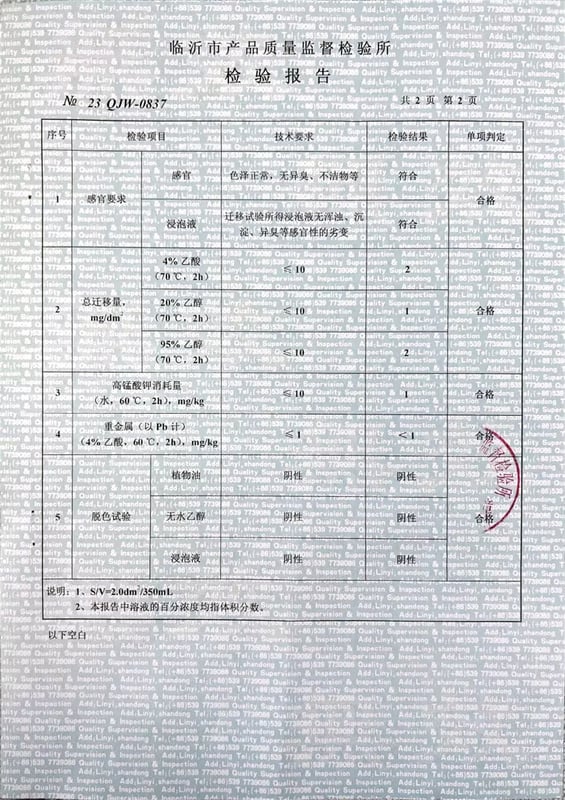
Here is the truthful statement: a claim is not a certificate. The ISO 22000:2018 food safety and ISO 9001:2015 quality certificates of Wonhi’s have traceable numbers, an accredited body (EACC, ANAB/IAF), and scope — production of disposable plastic tableware — valid until 2026. When a buyer audits an overseas supplier, that paper trail is what helps to pass the audit; “FDA-compliant” is not an explanation.
Business License
[SYS.01] // Ordering Protocols
Wholesale Ordering Guide — MOQ, Lead Time, Pricing Tiers & Global Shipping
Small and mid-size buyers often stall sourcing from factories due to the fear of high minimum order quantities and unclear time lines.
View Complete Sourcing Context
The minimum order quantities (MOQs) for stock food packaging are generally around 50,000 units, while custom-printed stock MOQs are usually around 20,000 units. As a food packaging manufacturer that also offers disposable tableware, we are able to structure our orders in three tiers. This means that a small café purchasing bulk take out boxes or bulk to-go containers in the popular 16 oz and 32 oz sizes is not required to take a single 50,000-piece order to get factory pricing.
[SYS.04] // Volume Math
30–50%
typical wholesale savings vs individual-unit purchase — and up to 40% vs local sourcing when buying factory-direct
For a restaurant that sells 2,000 clamshells a month, even a $0.05 per-unit difference means approx $1,200 a year on one SKU.
Source: industry cost data, 2024.
[SYS.02] // Cost Drivers
Pricing factors — what moves your quote
Wonhi quotes against four variables: container size and material, order volume and tier, customization level, and shipping terms.
The honest trade-off for custom molds is that one-time tooling cost that is repaid over the production run.
Request a wholesale quote →
Wonhi Wholesale Food Containers Interactive Tools
Wonhi Container Selection Engine
Match your dish and distribution channel to the exact Wonhi line, size, and packaging material.
Use Selection Engine
Wholesale ROI Savings Estimator
Calculate your projected annual savings by shifting from local unit distribution to Wonhi factory-direct manufacturing.
Calculate Savings
Foam-Ban Compliance Finder
Check whether expanded-polystyrene (EPS) foam foodservice ware is banned where you operate, and which compliant Wonhi material to switch to.
Check Compliance
Wholesale Take-Out Container FAQ
01
Are Wonhi take-out containers leak-proof?
Yes, the bowls and clear containers have an airtight and leak-proof seal, and the red-and-white blister line has a V-shaped ribbed base that provides crush resistance, along with U-shaped vents that allow steam to escape without making the contents soggy.
02
Are the containers microwave and freezer safe?
PP and MFPP containers are safe for microwave use (PP up to about 120°C) and are freezer safe. Clear PET containers are for cold and ambient food and should not be microwaved. You can use the material selection matrix above to match the dish to the correct material.
03
What's the difference between PP and PET containers?
PP (#5) is the sturdy, microwave-safe workhorse for hot mains and meal prep; PET (#1) is clear and premium but is for cold use only. Both are FDA food-grade materials 21 CFR.
04
Do lids come with the containers?
hinged and one-piece lines have integrated lids; bowl and deli lines have lids sold separately (and the lid quantity is stated per SKU). We specify the lid configuration on your quote.
05
Can I get my logo or a custom shape?
Yes — surface logo printing, in-mold labeling that won’t peel, and custom full mold development are all done in-house with a lower custom MOQ than most resellers.
06
What about minimum order quantity and lead time?
We operate in three tiers (sample, stock wholesale, and custom/OEM) so you aren’t locked into one big minimum. Lead time is set against a daily capacity of 1,000,000+ units and is stated on your quote.
07
Are these a legal replacement for banned foam containers?
Yes. PP, PET, and cornstarch containers are compliant alternatives in the 12 states that have banned EPS foam foodservice ware, and they also circumvent the PFAS restrictions that are now impacting fiber packaging.
08
Can I get samples before ordering wholesale?
Yes — request free samples to test fit, seal, and microwave performance first.
SYS.REF // 24-25
VERIFIED_DATA
[DOC-01] OVERVIEW
About This Buyer's Guide
For the past two decades, Wonhi (Shandong Wanhui Environmental Protection Technology Co., Ltd.) has been producing single-use food packaging. The container specifications on this page — dimensions, types, quantities per pack, and numbers of certificates — are from our production lines and certificates from audit providers; the costs, regulations, and material safeties are referenced to publicly available industry and government sources for the years 2024–2025 so you can confirm them prior to placing a wholesale order.