Get in touch with Wanhui Company

Wholesale Manufacturer & OEM Supplier · 20 Years
Disposable Food Containers
Disposable Food Containers — Wholesale Manufacturer & OEM Supplier
Disposable food containers are the lowest moment when a lid pops in transportation, a corner fails from hot soup, or the buyer later learns it wasn’t actually food grade! Wonhi manufactures food grade PP and PET containers on 20 thermoforming lines and 6 sheet-extrusion and 60 injection molding machines on premises – over 1 million units per day – all OEM logo printing and mold-making as per request.
VIEW 01
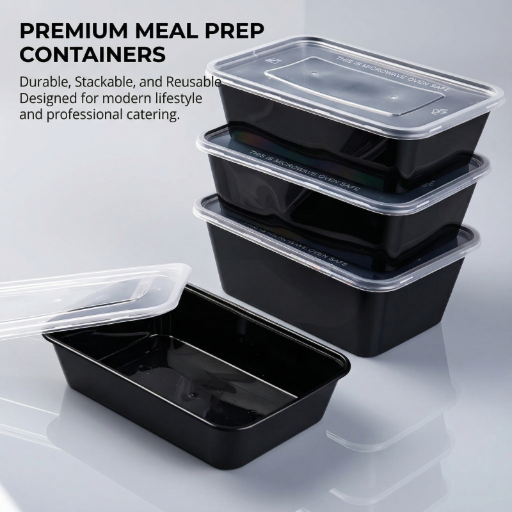
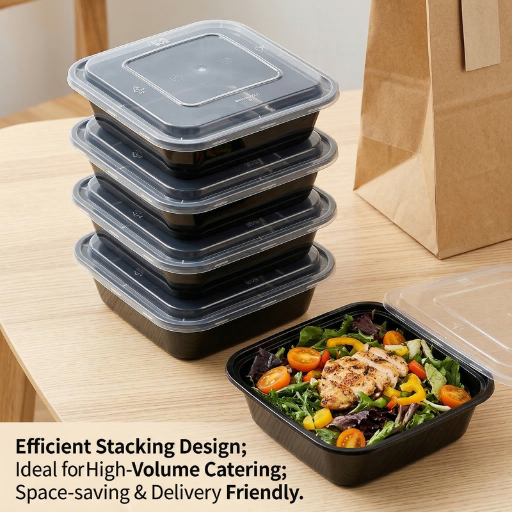
SWAP
System Analysis
The Real Cost of Leaking, Cracking & Non-Compliant Takeout Containers
A Leaked Order means a Refund. It means a one-star review. It means that the next order will be from your competition. For all food delivery operations, disposable food containers represent the last contact a brand makes before a customer receives it-and it also happens to be the point where they go to lay blame. Those leaks? Nine times out of ten, they begin at the weak corners and a lid that does not seal; cheap, thin containers manufactured with too little resin or made with flexible, cheap materials will flex and fail when faced with the inevitable pressure of saucy, hot dishes.
“Disposable food container,” “single-use container,” “portion packaging” — to a buyer these are not just synonyms but descriptors of a wide, wildly varying field. The category sounds commoditized, yet two products that look identical in a photo can perform completely differently: one molded from genuine food-grade polypropylene, the other from uncertified regrind of unknown origin. At its simplest, a disposable food container is a bowl, tray, hinged clamshell, deli container, or box — usually paired with snug, secure containers with lids — built to hold a serving of food once, then be discarded or recycled.
Imagine a sushi and poke counter pumping out close to 300 delivery orders on a Friday. A weak clamshell that cracks at order 180 translates into a remade dish, a refund, and a driver going back – across a whole weekend, those are significant margins. Same counter but the restaurant switches over to thicker, more rigid PP soup bowls and sealed bento boxes, and the spill callback percentage remains 0 even after the weekend flurry. That difference – a container’s ability to stand up during the trip and a container’s inability – is why your customer cares about the origin factory more than the package design.
01
Cause
It’s almost never the design; it’s usually the resin, it’s the wall thickness. To save money cheap containers simply use thinner walls and mixed in lower quality regrind that isn’t food grade — and as you might expect they are more brittle, stress can lead to cracking, and non-food-safe compounds can migrate.
02
Solution
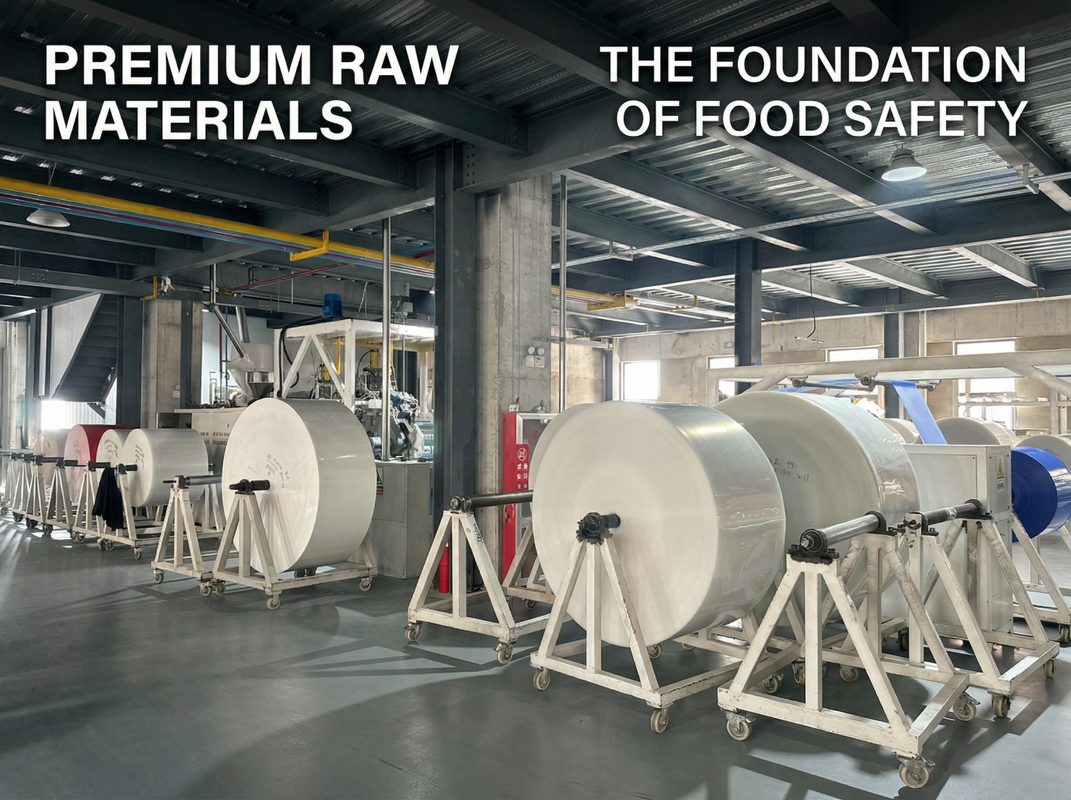
Wonhi extrudes their own sheet and thermoforms their own containers, so wall thickness and resin grade is determined internally, not purchased ‘as-is’ from a trading company.
03
Proof
Our containers are specially thicker and stronger, they offer reliable and leakproof seals, they offer no aroma, and they are of food quality- they meet national hygiene laws and global food safety standards.
“We don’t buy sheet on the open market hoping it’s food grade. We extrude our own sheet from food grade PP and PET, and we thermoform on the same site-meaning the wall thickness that you sample is the wall thickness that we’ll produce one million units later.”
— Wonhi Production & Quality Team, Shandong Wanhui Environmental Protection Technology Co., Ltd.
SYS.ARCH // 01
Wonhi Disposable Food Container Range — Models, Sizes & How to Choose
This range of product lines covers six different product configurations and formats in both clear and black to offer an all-in-one packaging solution that handles cold poke bowls, microwaveable rice entreé dishes, a 3-compartment lunch meal, or 32 oz hot soups – all without mixing suppliers. Clear containers come in 300-ml up to 3500-ml Food Grade PP and PET sizes, and Black containers in 300-ml up to 3000-ml Food Grade Microwave Safe PP containers. Clear plastic bowls and delis display fresh fruits or salads, whereas small cups hold individual portions of dressing, sauce, or condiment separate from the entree.
Every line is molded in-house: Wonhi runs 20 thermoforming lines, 6 sheet-extrusion lines, and 60 injection-molding lines producing over 1,000,000 units per day, so the take out containers, disposable food storage containers, and disposable meal prep containers in this range share one verifiable food-grade spec. Unlike a distributor who resells whatever the market shipped that month, a manufacturer controls the resin grade and the wall thickness from sheet to finished lid.
Whatever your menu needs — disposable food trays for catering, disposable soup containers for hot service, takeaway food containers for delivery, a disposable bento box for portioned sets, or 3 compartment containers for lunch programs — every item ships from one food-grade production line instead of five mismatched vendors.
STATUS // ENGAGE_REQ
Know your sizes already? Request a quote with free samples
VISUAL
SYSTEM / SPECIFICATION
CAPABILITY / APPLICATION
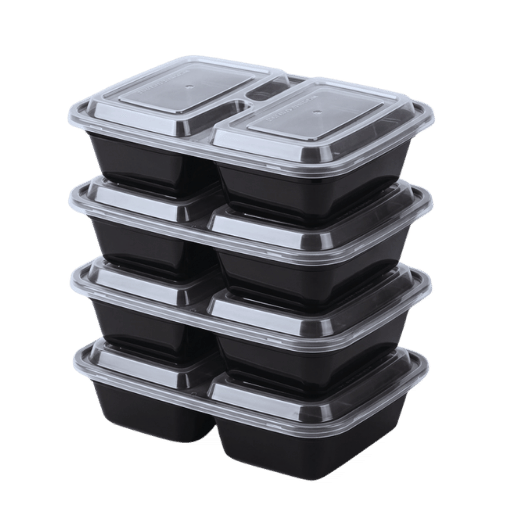
Meal Prep Containers
PP · CLEAR & BLACK · 1–3 COMPARTMENT
Stackable bowls and boxes for portioned, freezer-safe, microwave-ready meals.
View Specifications →
Food Trays
PP/PET · CATERING & DELI
Flat and deep trays for catering platters, deli counters, and grab-and-go.
View Specifications →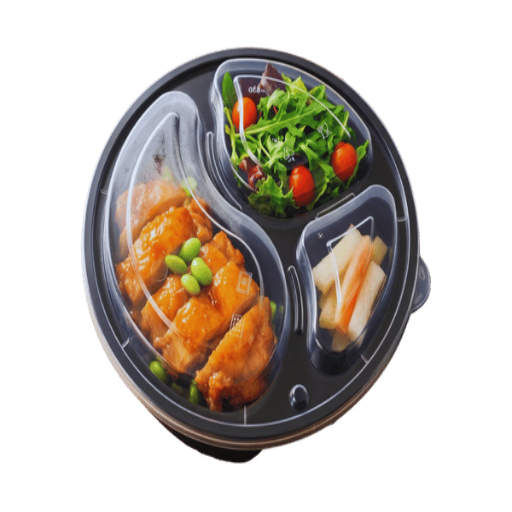
3-Compartment Containers
PP · MICROWAVE-SAFE
Keeps entrée, side, and sauce separated — ideal for delivery and lunch programs.
View Specifications →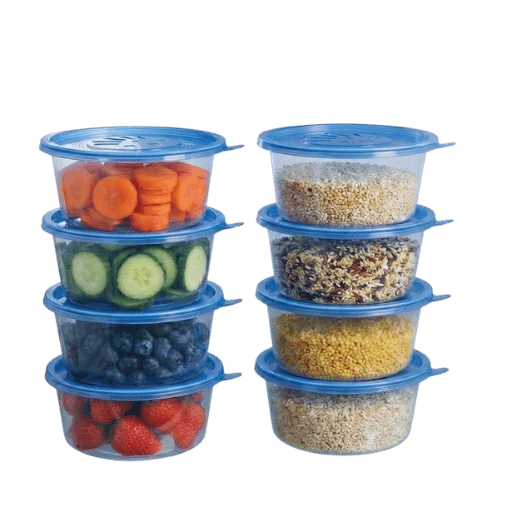
Bento Boxes
PP · DIVIDED
Disposable bento and sushi-style boxes with secure, leak-resistant lids.
View Specifications →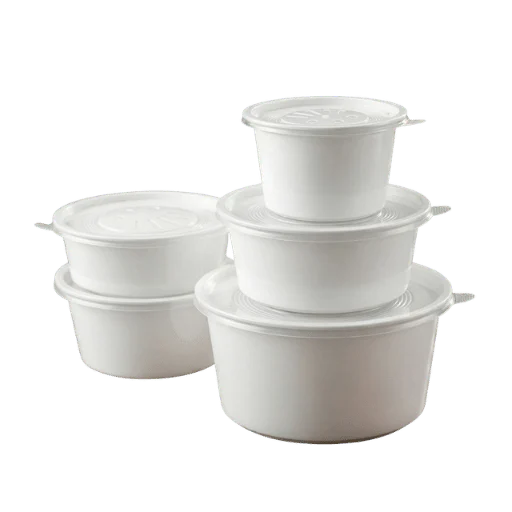
Soup Containers
PP · HOT-FILL
Round to-go containers engineered for hot liquids and saucy entrées up to 32 oz.
View Specifications →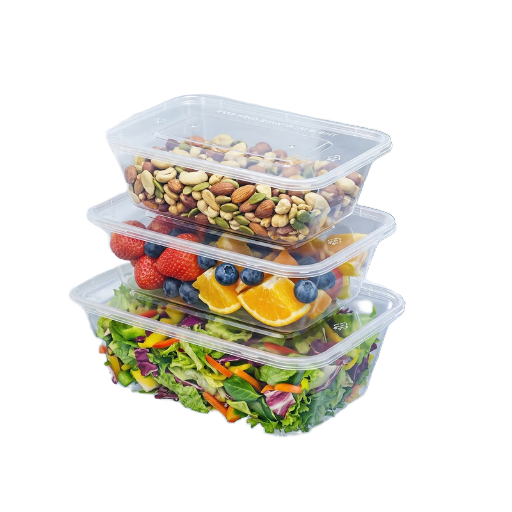
Lunch Boxes
PP/PET · FLAT-LID ROUND BOWLS
American-style and round bowls with clear or blue lids for salads, fruit, and mains.
View Specifications →03 // TECHNICAL DATA
| Format | Material | Size range | Best use | Microwave |
|---|---|---|---|---|
| Clear bowls / boxes | Food-grade PET | 300–3,500 ml | Cold: salads, fruit, desserts, deli | No (cold only) |
| Clear bowls / boxes | Food-grade PP | 300–3,500 ml | Hot & cold, microwavable | Yes |
| Black bowls / trays | Food-grade PP | 300–3,000 ml | Hot entrées, premium presentation | Yes |
| 3-compartment / bento | Food-grade PP | Multi-cavity | Portioned meal prep, delivery | Yes |
The primary considerations when selecting a disposable food container are usually related to material type and temperature tolerance. Use the chart below to identify the right product line for your particular application prior to requesting a quote.
| Your application | Recommended line | Material | Why |
|---|---|---|---|
| Hot soup / saucy entrées | Soup Containers (PP) | PP | Hot-fill & microwave to ~302°F (150°C) |
| Cold salads, fruit, poke | Clear bowls (PET) | PET | Crystal-clear display; cold to ~140°F (60°C) |
| Portioned meal-prep delivery | 3-Compartment (PP) | PP | Microwave + freezer safe; sections hold sauce |
| Premium black presentation | Black bowls / trays (PP) | PP | Microwave-safe; high-end look |
| Catering platters / deli | Food Trays (PP/PET) | PP or PET | Choose by hot vs cold service |
PP vs PET vs Foam vs Compostable — The 8-Factor Container Material Matrix
And now for the non-intuitive part of making a selection-just because it is listed as ‘compostable’ doesn’t make it inherently more environmentally responsible or even safer. Studies suggest that many certified compostable plastics do not degrade as expected in actual environments. For most composters, compostable plastic, as opposed to conventional plastic, is virtually indistinguishable, hence their inclusion in material rejection sorting and disposal. Most ‘compostable’ materials are only required to achieve 90% decomposition, with microplastics being released as residuals. A concerning study also found traces of gluten leached from some fiber and bagasse materials. Given the practical alternatives, high-quality, PFAS-free, recyclable Food Grade PP (#5) or PET (#1) containers can serve as a more reliable, low-risk, eco-friendly option than an ill-fated composting alternative.
Ultimately, the selection depends upon temperature, degree of seal, clarity of the container and the expense of production. In the following matrix, we provide quantifiable results instead of estimations like High / Medium / Low for decision-making purposes. That is the honest trade-off most suppliers avoid putting in writing: every material wins on some factors and loses on others.
| Factor | PP (#5) | PET (#1) | Foam (PS #6) | Compostable fiber |
|---|---|---|---|---|
| Max temperature | ~302°F / 150°C | ~140°F / 60°C | ~175–200°F | varies; often <200°F |
| Microwave-safe | Yes | No (leaches antimony hot) | No | Sometimes |
| Clarity | Translucent | Crystal clear | Opaque | Opaque |
| Leak / hot-liquid hold | Excellent | Good (cold) | Poor seal | Variable; can wick |
| Recycling code | #5 (widely accepted) | #1 (most accepted) | #6 (rarely accepted) | Industrial compost only |
| PFAS risk | None (PFAS-free) | None (PFAS-free) | None | Some liners contain PFAS |
| Cold display | Good | Best | Poor | Poor |
| Best fit | Hot food, microwave | Cold salads, fruit | Legacy / banned in many states | Eco-brand cold service |
Not sure which resin your menu needs? Get a custom comparison & free samples.
SYS_NOTE
Engineering Note — why PP wins the microwave
Its high melting temperature means polypropylene stays rigid & safely under hot-fill and microwave-temperature conditions of up to 302F (150C). PET starts to give up at about 140F (60C) and may leach antimony, so its best left out of the microwave and in contact with fruits and cold salads. Since PP and PET are both naturally BPA-free (BPA isn’t associated with PP or PET, it’s polycarbonate #7), there’s not much to say there.
What can be held responsible is the manufacturing control – that’s the real authority of this matrix, not marketing claims. That’s because at Wonhi, PP and PET are extruded in house on six separate extrusion lines, prior to being formed. The grade in back of all of the above recycling percentages and temperatures is traceable to the plastic producers directly – it’s not a packaging firm guessing how the container that they purchased was formed and then passing their conjecture off as data. Now, that’s one way to tell if you can trust a #5 PP,microwave safe claim and another to just regurgitate labels.
Built for Foodservice Operations — Applications & Performance
The same container has to survive a chain restaurant’s lunch rush, a third-party delivery driver’s car trunk, and a hospital tray line. Wonhi containers are specified for the channels that actually buy disposable food containers in volume: chain restaurants, meal delivery, takeout and to-go, catering services, food trucks, and hospital and school canteens governed by the FDA Food Code.
// Where they perform
-
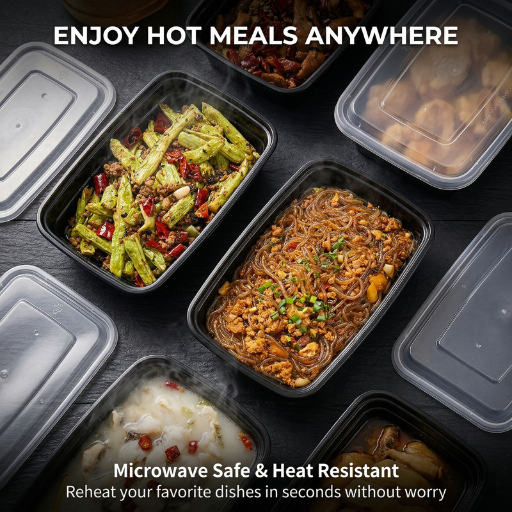 01Food Delivery & Takeout: leak-proof sealing and reinforced corners protect saucy entrées right from the kitchen. You know those are the biggest complaint we hear.
 -
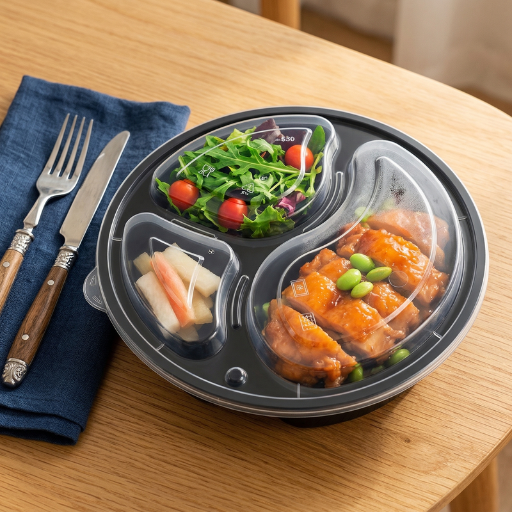 02Catering & Deli Clear bowls and stackable trays display your fresh deli selections. No nesting damage in transit.
 -
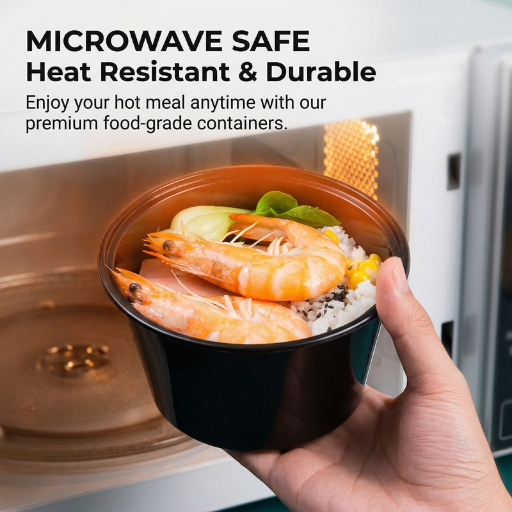 03Hospital & School Cafeterias: microwave-ready PP and food-safe materials meet institutional reheating and safety demands.
 -
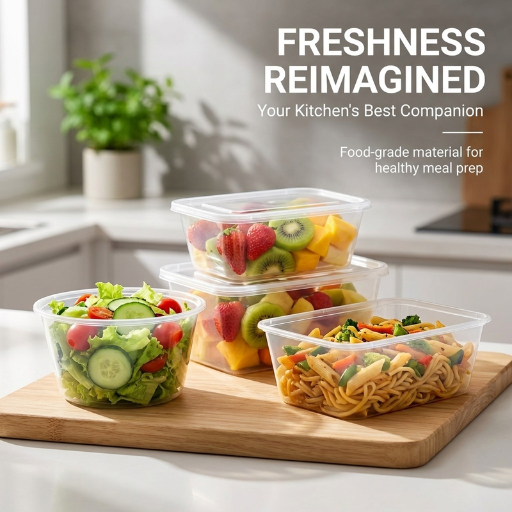 04Meal Prep Meal Prep Your meals go from the freezer to the microwave in our pp trays designed for convenience and leak-resistant food safety.
DAILY CAPACITY SPEC
1,000,000+
units per day of in-house capacity — so a national rollout or a seasonal spike does not stall on supply.
20
Thermoforming Lines
6
Extrusion Lines
60
Injection Lines
30+
Tons Sheet / Day
Source: Wonhi production capacity data. Field performance varies by application; request samples to validate for your menu.
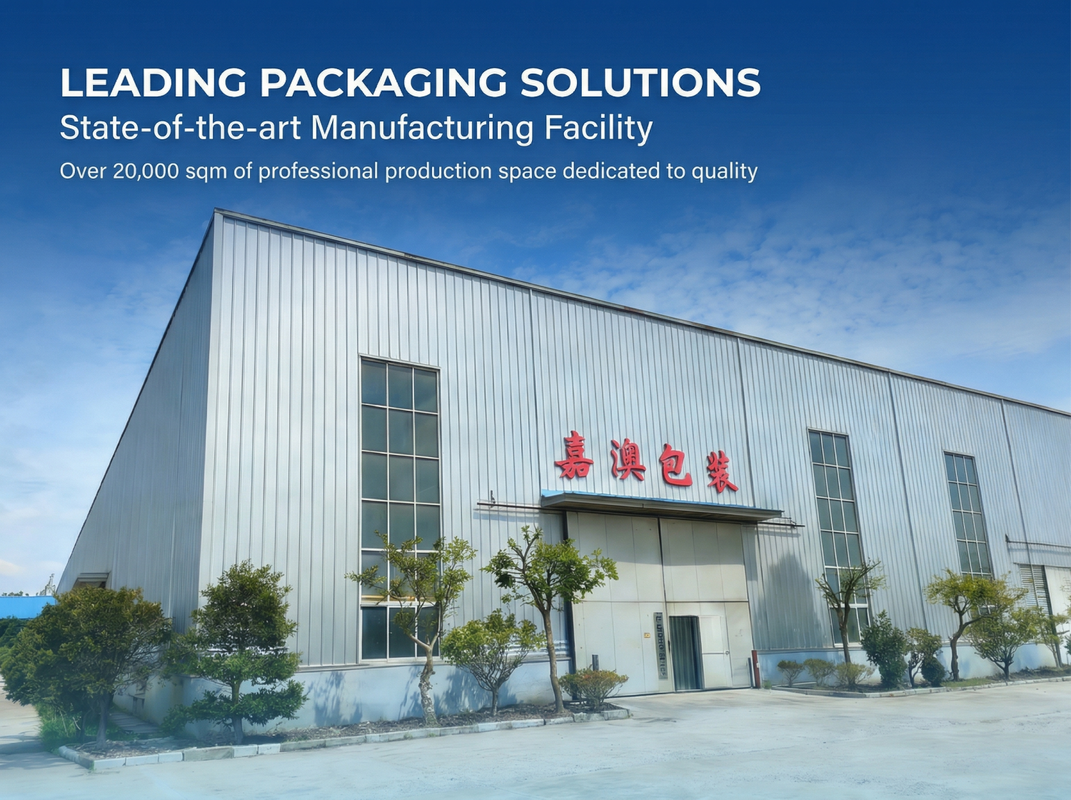
Advanced Manufacturing Facilities & Infrastructure
01
High-capacity disposable food container thermoforming production line
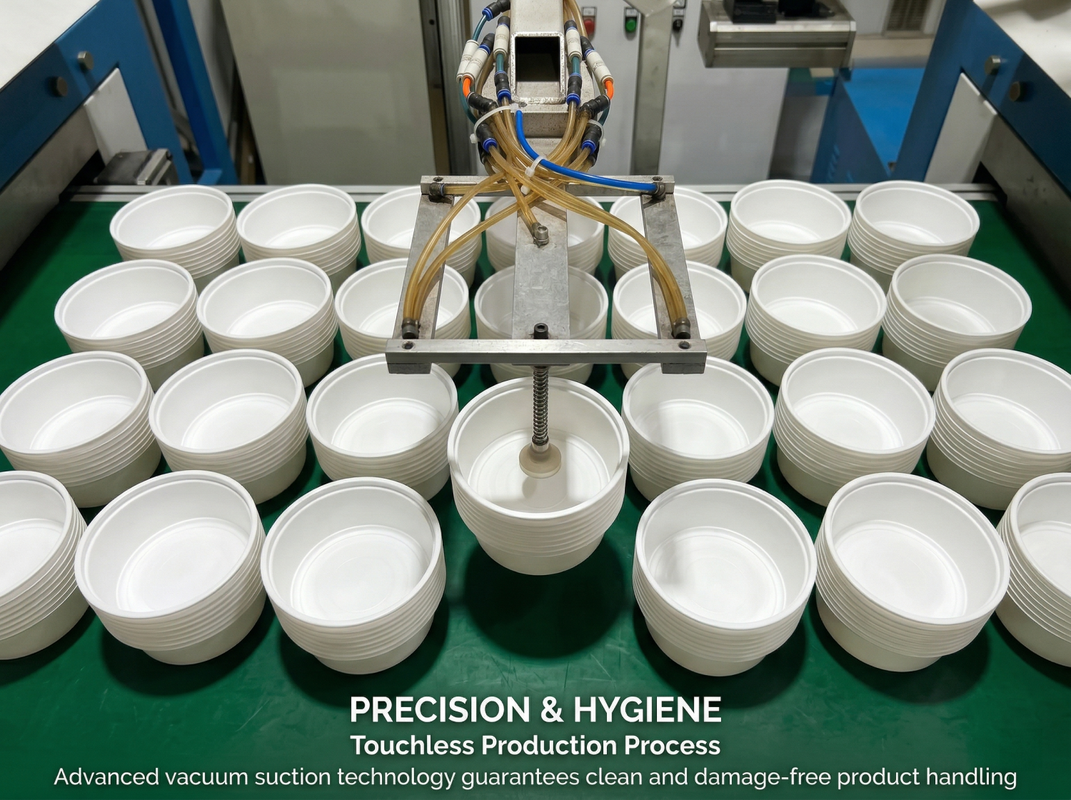
02
Automated plastic sheet extrusion machine for food packaging
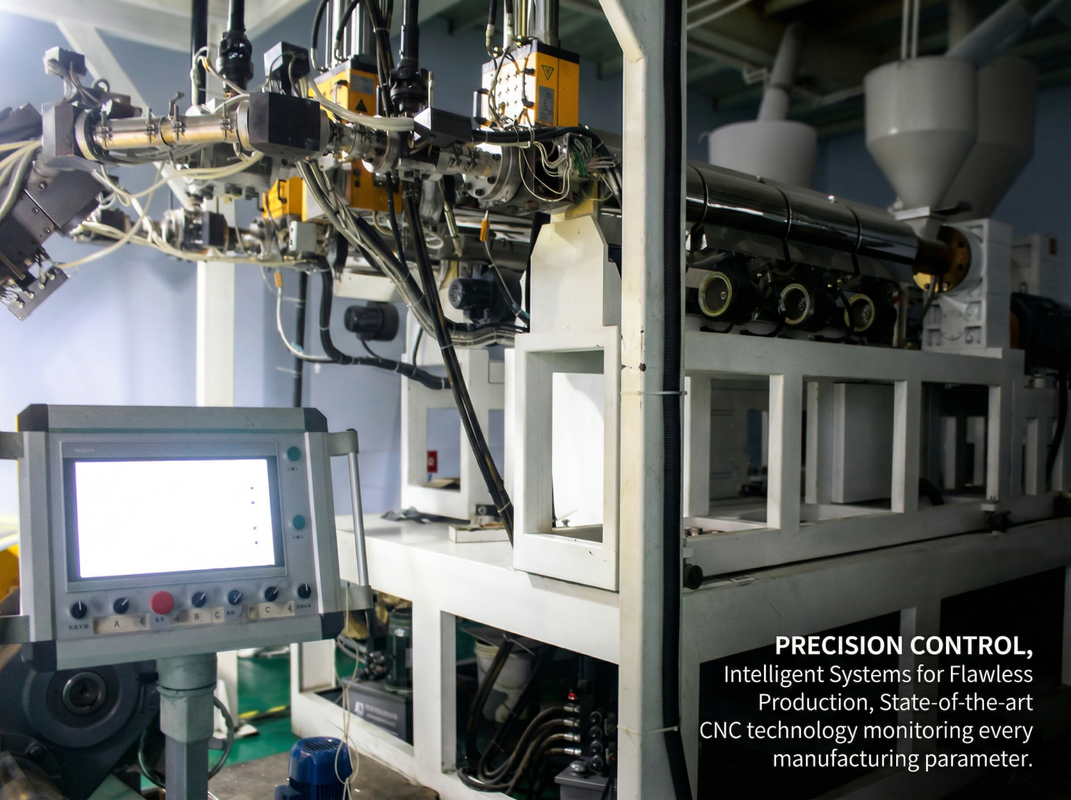
03
Cleanroom production workshop environment
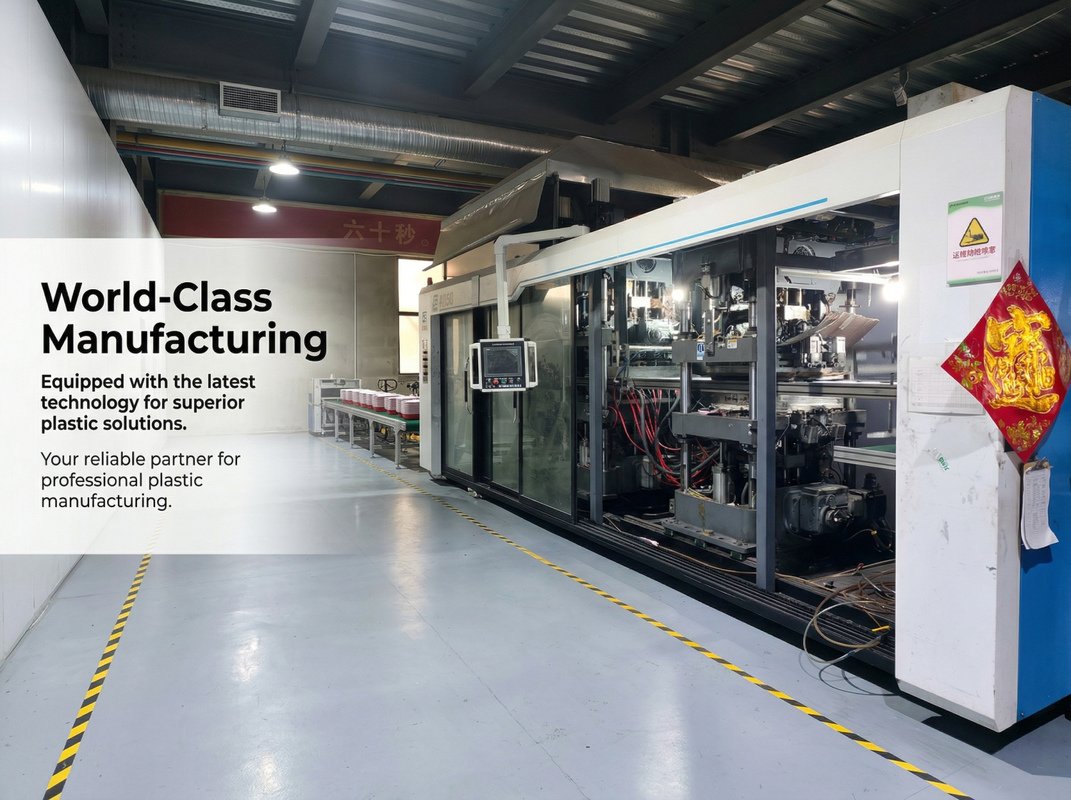
04
Precision injection molding equipment for custom containers
05
High-speed meal box manufacturing and cutting process
06
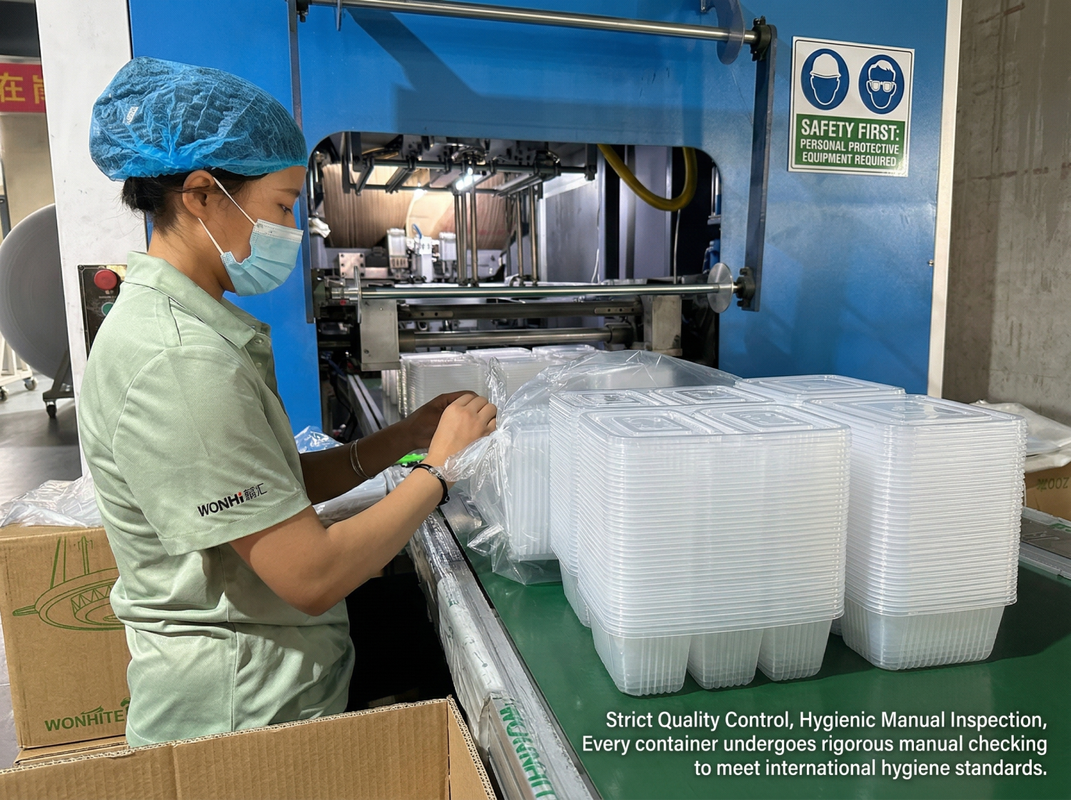
Quality control and inspection of disposable bowls
07
Automated stacking and packaging robot system
08
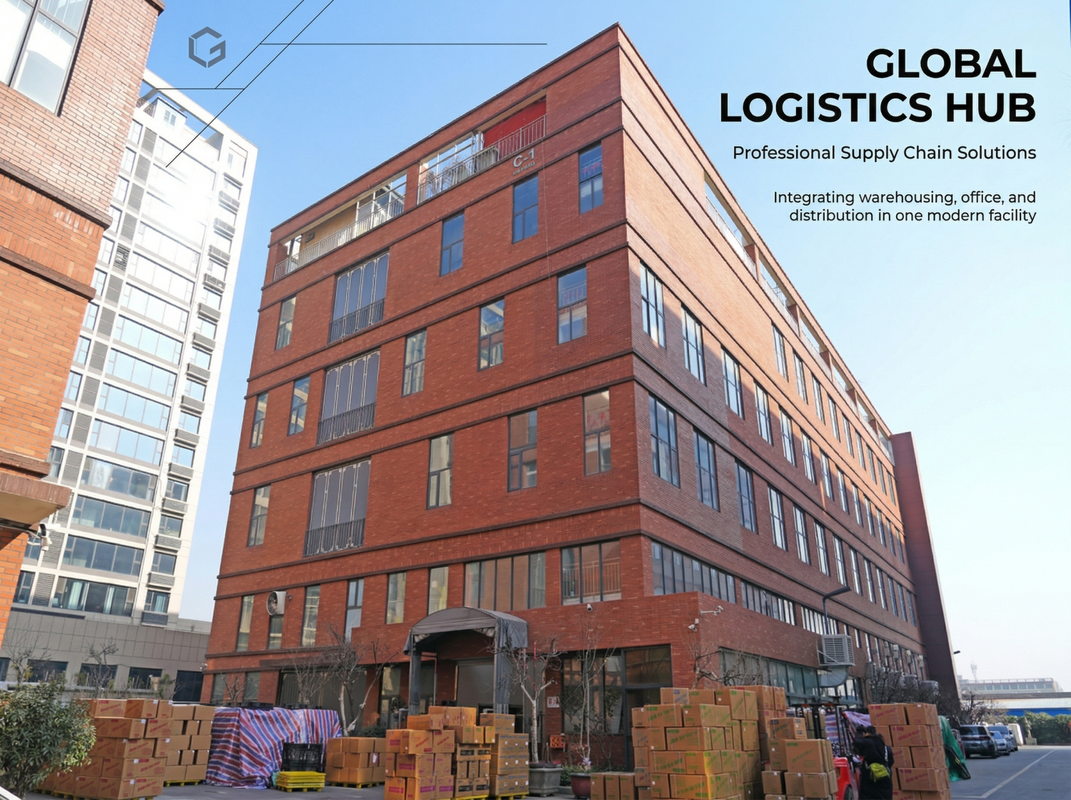
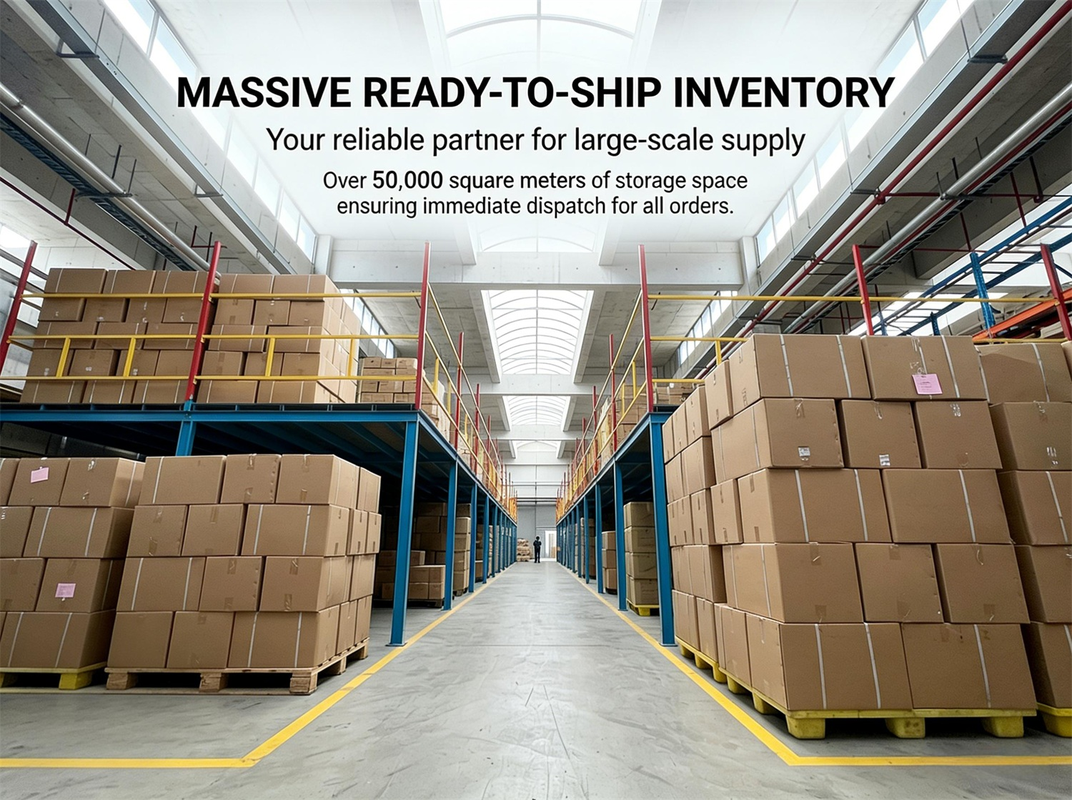
Advanced factory warehouse and logistics preparation area
09
Raw material processing and silo storage for food-grade resin
10
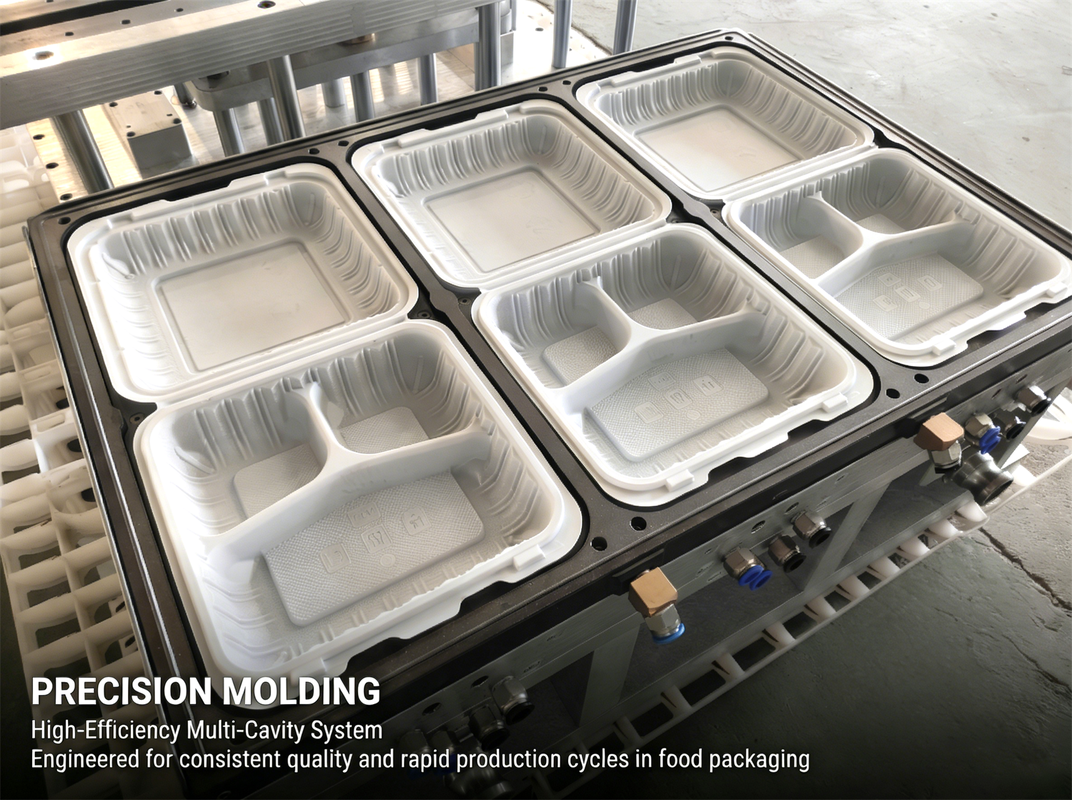
OEM custom mold development and tooling facility
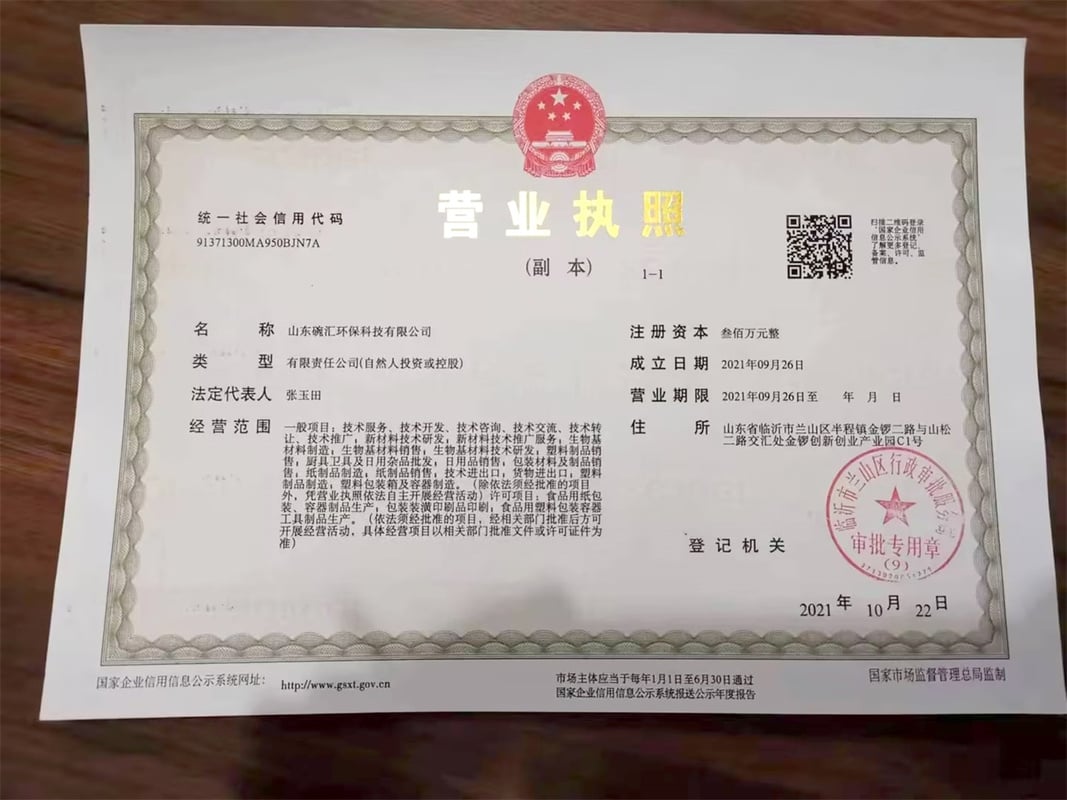
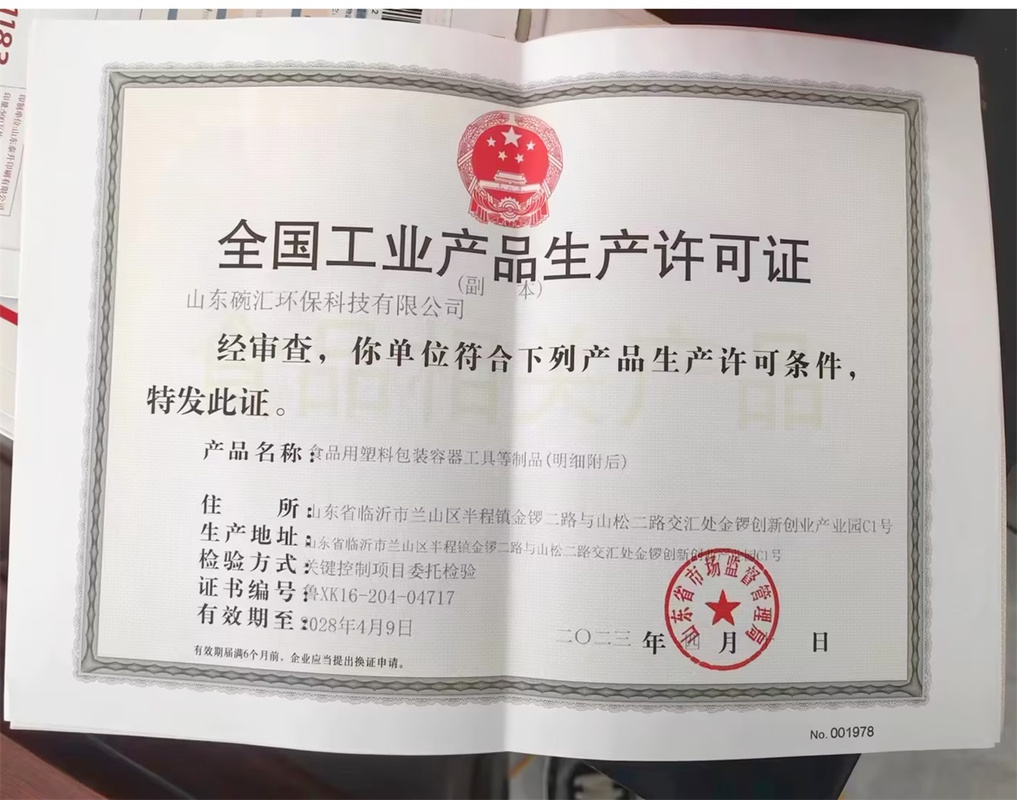
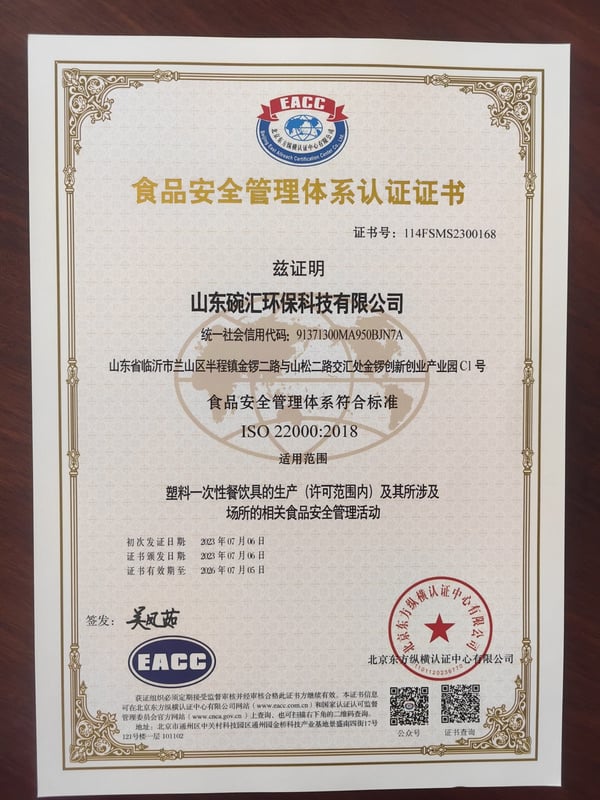
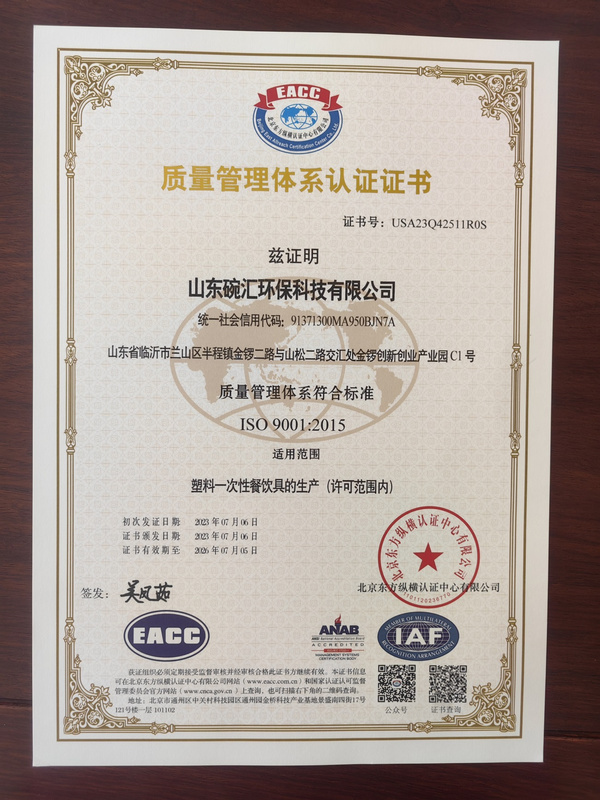
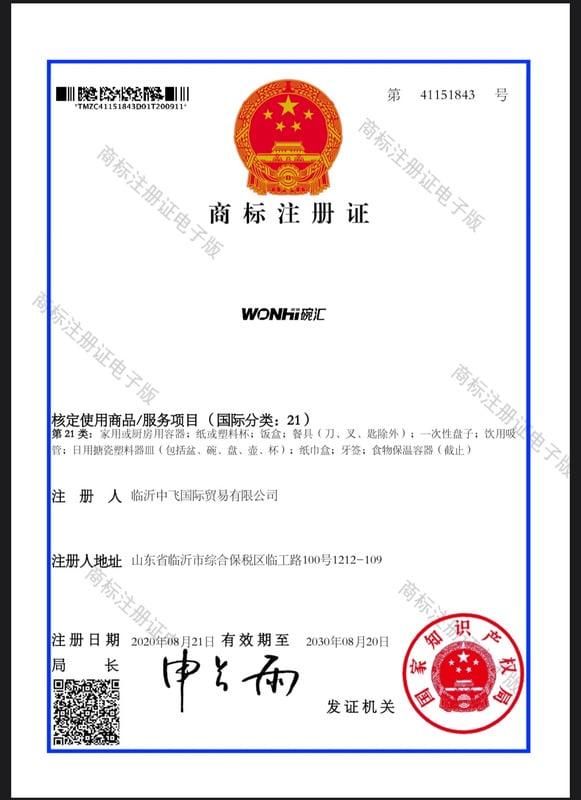
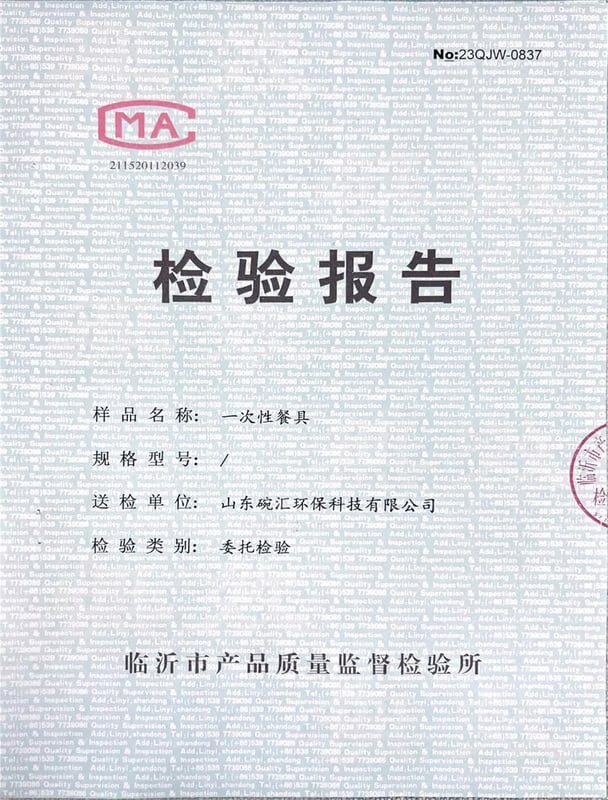
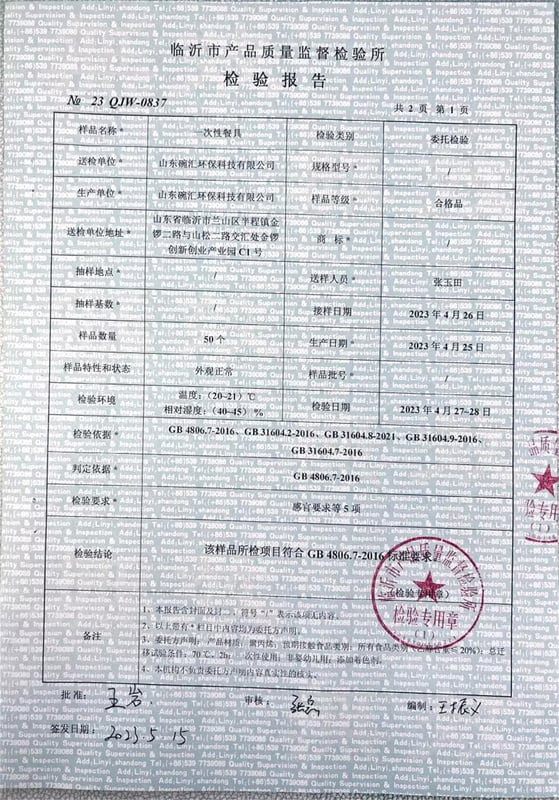
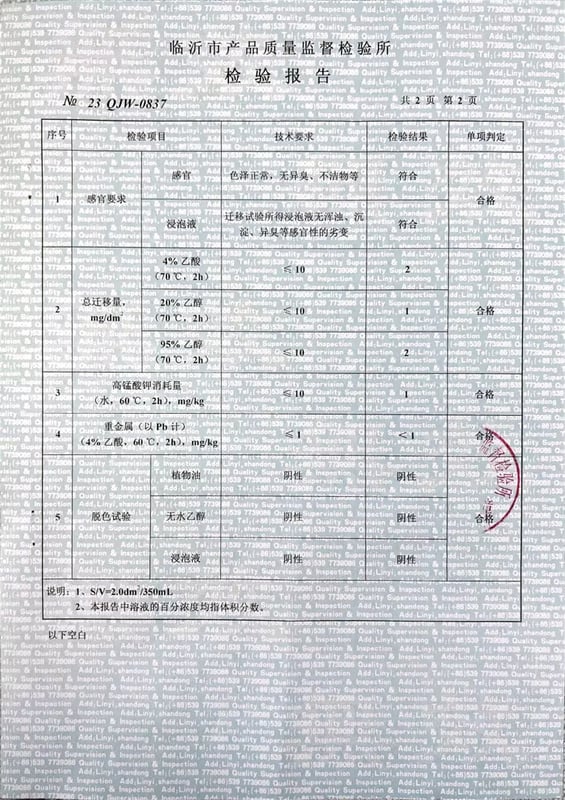
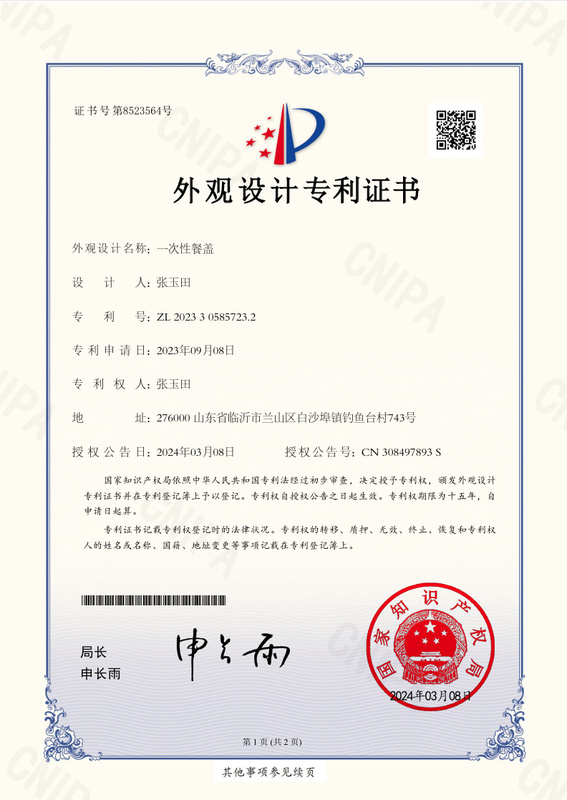
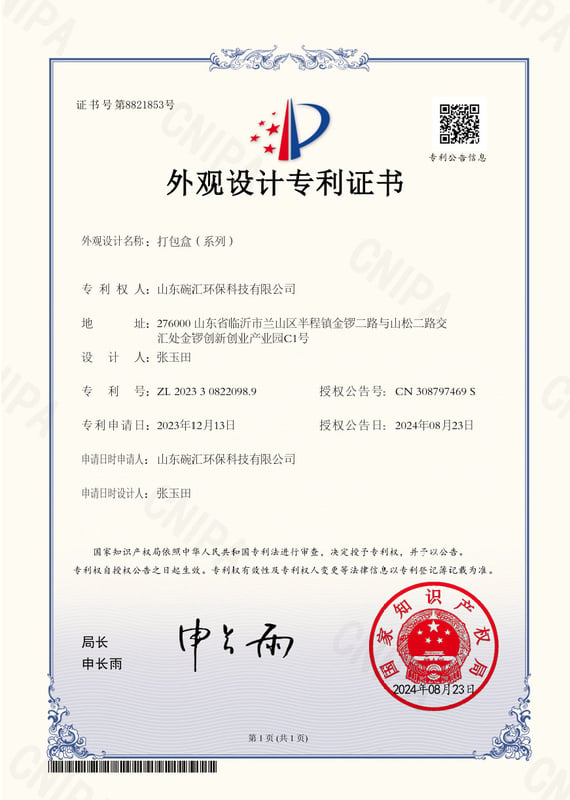
Food-Grade Safety & Certifications
To any new supplier, the required food-safety documentation does not matter; they are of no importance. All of the containers that are produced by Wonhi are made from raw food-contact materials with compliance to hygiene national criteria and certified with international standards for food-safe products, also odor free, no BPA. As per regulatory matters, the polymers PP and PET classified for food-contact are referenced within the United States federal code 21 CFR 177 for resins approved by FDA for reusuable and single use for direct food contact.
It does not take long for a product to falter and delay until a supplier fails the audit. In the school and college canteen – the claim of being fit-for-purpose in the food space cannot afford the slightest doubt at inspection stage and it requires a solid piece of paper that supports a molded product and does not come out of a safe. It all starts with trust in the correct document to accompany the molded component.
Available upon request, supplier qualification & audit files. Because resin supply & molding are kept in-house, Wonhi certification applies to resin & plastic you receive — not a one-time sample.
SPEC 01.
FDA 21 CFR 177
Food-contact polymer framework. Polymers PP and PET approved by FDA for reusuable and single use for direct food contact.
SPEC 02.
Food-Grade
Virgin food-grade PP / PET resin
SPEC 03.
BPA-Free
No bisphenol-A (not polycarbonate)
SPEC 04.
National Hygiene
Meets national hygiene standards
SPEC 05.
PFAS-Free
No “forever chemical” coatings
QUALIFICATION LIBRARY // AUTO-CONVEYOR SYSTEM
SYS: RUNNING
×
Wholesale & OEM Procurement — Custom Molds, Logo Printing, MOQ & Global Shipping
Getting Disposable Food Containers From Wholesale (a trade-off nearly all buyers get wrong)
Most of the people in purchasing consider the distributors’ edge: smaller, less frequent orders mean less money risk on their part.
But you bear the expense of larger unit costs and they can force you into minimums and delivery costs, and from manufacturer (like Wonhi) to door saves money and takes out the middle man – especially beneficial in larger volumes on a regular basis. To be perfectly honest with you here, direct sales reward forecasting and work best when ordering full cartons on schedule, as overseas suppliers also have a greater lead time compared to a local warehouse, and therefore your quote should always reflect your purchase behaviour rather than its listed price.
Disposable Food Container Selection Tools
01
Container Material Selector
Answer three questions to match your menu to PP, PET, foam, or compostable — based on temperature, clarity, and recyclability data.
Use Material Selector →
02
Container Size & Product-Line Selector
Match your dish to a Wonhi product line and capacity (300–3,500ml across clear PP/PET and black PP).
Use Size Selector →
03
Wholesale & OEM Quote Builder
Build a spec summary that drives your quote. We show the factors that move cost — not a fake list price, because custom and volume pricing is built around your real order.
Build Your Quote →
/// Operational Queries & Compliance
Yes when made with actual food grade resins. The Wonhi containers food-grade PP and PET are both covered by FDA guide lines in 21 CFR 177, and are inherently BPA free. The risk comes from those market ones that may be mixed in with off spec non-food grade regrind – which is why controlling virgin resins is important.
PP food containers are microwave safe for foods up to approximately 302°F (150°C). These include black bowls, all soup bowls, 3-compartment containers and bento boxes. Clear PET food containers should not be microwaved as they are for foods served cold.
Each are designed with reinforced wall thickness and snug-fitting lids, as more than 90% of leaks originate in thin corners or loose lid seals. We recommend requesting samples to try with your most steamy, saucy recipes before placing a bulk order.
Recyclable, PFAS-free food-grade PP (#5) and PET (#1) is usually the lower-risk choice. Most “compostable” fiber never actually composts in a standard municipal facility, where staff cannot tell it apart from regular plastic and screen both out; certified-compostable only requires about 90% breakdown, so microplastics get left behind, and some fiber bowls have even been found leaching gluten into food. With Extended Producer Responsibility laws now passed in several U.S. states, a recyclable container you can document is often easier to defend than a compostable claim that depends on composting infrastructure your customers may not actually have.
Yes, since we are the factory and we can supply wholesale prices for food containers in bulk, and custom logo print, mold development. We can offer wholesale price based on the volume, material, size, and customizations. Welcome to contact us for a quote.
Focus on FDA 21 CFR 177 food-grade material, truly airtight lids and the appropriate temperature class to match your menu. For hot, look for Microwave safe food to-go containers made of PP, for cold use look for clear PET to-go boxes. Also, be sure to confirm your disposable food containers with lids have matching lids and bases- mismatched lids are one most often overlooked cause of spills.
Yes, the PP meal-prep & 3-compartment series are safe to put in a freezer & microwave, for our cook-once, portion-many programs. Clear PET food containers work better with chilled, “heat and eat” foods.
[SYS-OP] DIRECT SOURCING
Source disposable food containers direct from the manufacturer
Find your best material & size for your menu – OEM, wholesale pricing, from a food grade manufacturer of over 20 years shipping globally.
Request Wholesale Quote & Free Samples// Why We Build This Guide
This page’s material temperature limits, recycling codes and FDA references come from readily available food packaging industry publications and trade reports. This page’s production capacities, product sizes and claims are pulled from Wonhi’s actual thermoforming, extrusion and injection-molding work.
Where we make trade-offs for compostable products we point you to separate publications, not to Wonhi for our “blind endorsement”; it’s much better for us that you make informed purchase decisions than that you make a purchase from us.