Get in touch with Wanhui Company

Wholesale Food-Service Packaging
Bento Boxes
Disposable Bento Boxes — Wholesale PP & PET Takeout Packaging
We make disposable bento boxes that live the life of the delivery bag, seal tighter than a clam with a hot curry, and sport your logo on the lid. Twenty years of thermoforming and injection molding behind every box.
Request a Wholesale QuoteCertified Quality & Trusted By
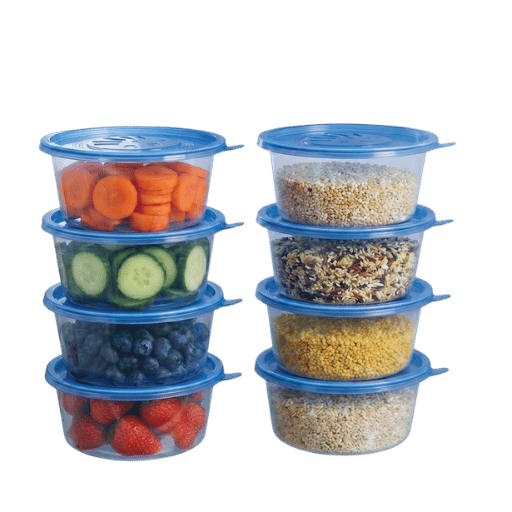
PP & PET
Food-grade materials
300–3500 ml
Capacity range
6 styles
+ custom mold development
90–450
Sets per carton
20 years
Food-packaging manufacturing
1M+ / day
Unit processing capacity
Why Most Disposable Bento Boxes Fail Before They Reach the Customer
Before the customer ever lifts a lid, a disposable bento box can fail in 3 common ways. Each failure lands squarely on your brand, not the box itself. Lost sauce, squished sides, a popped lid in the delivery bag – a one-star review. The true cost of choosing a package purely based on price is far higher than any savings. A disposable bento box is the single-serve compartmented vessel used to transport food – from kitchen to door – while keeping rice, protein, side dishes, and sauce separate. A deceptively simple mission that proves surprisingly complicated in the real world of delivery and customer handling.
The three failure modes we engineer against
-
Seal integrity under pressure.
Shallow rims and delicate lids compromise under the strain of being jostled on the road, first encountered by the driver and ultimately blamed on the restaurant.
-
An inappropriate plastic for its contents.
Choosing a box rated only for cold items will result in structural instability and softening when a hot, rich curry or even microwave reheating is involved.
-
Structural integrity and stacking ability.
Lower thickness boxes flex, crack, and don’t stack efficiently in storage-a frustration for those actively seeking sturdier packaging.
At Wanhui, we design to prevent all three of these predictable failures. Our disposable bento boxes feature reinforced side walls, continuous leak-resistant lid seals, and are constructed from materials specifically matched to food temperature- whether hot, cold, or reheated.
“Our deliberately higher sidewall gauge surpasses market averages. The fractional cent saved on an inferior box that cracks at the corner quickly becomes a returned order and lost business.”
Wanhui Disposable Bento Box Styles & Compartment Options
Our line of disposable bento boxes comes in two material options and four primary configurations. Our black PP selection is engineered for hot food and customer microwave reheats, whereas the clear PET variant is optimized for cold food and shelf appeal. Both are supplied with coordinating snap-on lids.
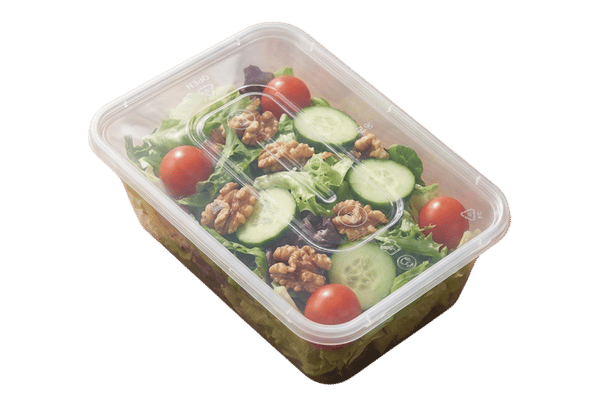
Rectangular Takeout Box
The go-to container for balanced meals like rice with protein, noodles, or composite plates. It stacks easily for storage and fills efficiently during prep.
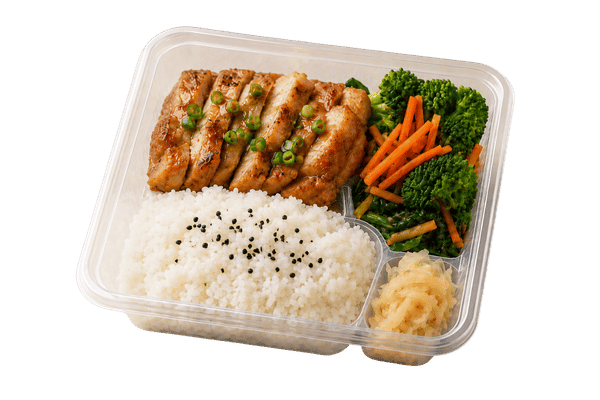
Square Bento Box
With a minimized footprint, this bento box is ideal for single meals, lunch specials, and for minimizing bag space and shelf presence.
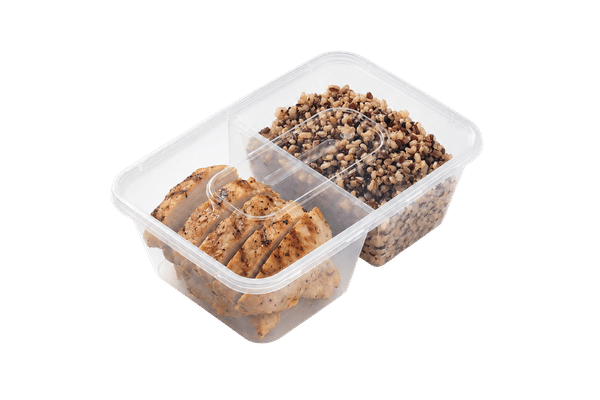
Double-Compartment Box (6828)
A dual-compartment design allowing you to isolate a main dish from a side or sauce in a single, sealed package.
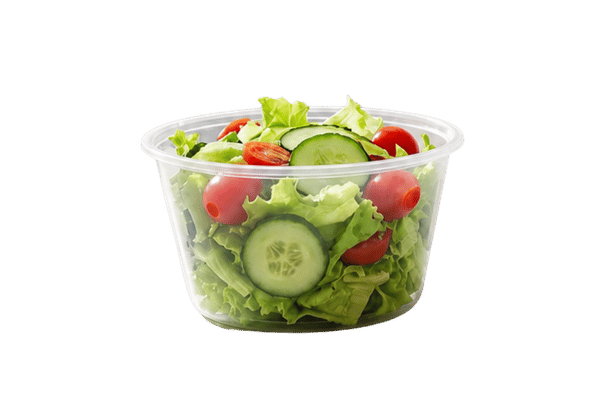
Round Meal Bowl & Deep Tub
Versatile shallow-lid bowls suitable for items such as poke and salads, complemented by deep-lid tubs for soups, congee, and saucy curry dishes.
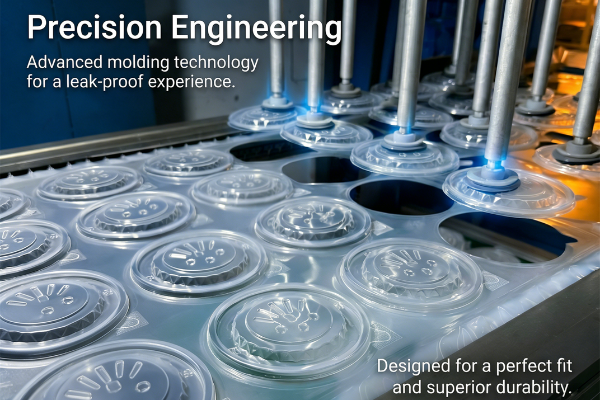
A reliable lid is the most critical element of disposable bento boxes. Each Wanhui design features a continuous snap rim – rather than the simple tabs found on most other boxes – ensuring an even seal along the entire periphery and exceptional resistance to tipping and leaks in transit. We integrate lid design into the overall box structure, not as an afterthought.
Bento Box Style Selector
Map the box to the way the food travels, not just the plate. This is what the sales engineers use during every new RFQ process.
| Food type | Delivery method | Reheated by customer? | Recommended Wanhui style |
|---|---|---|---|
| Rice + protein + 2 sides | Hot delivery | Yes | Black PP rectangular box |
| Main + sauce kept apart | Hot delivery | Yes | Double-compartment box (6828), PP |
| Salad, poke, cut fruit | Cold pickup / display | No | Clear PET round bowl, flat lid |
| Soup, congee, curry | Hot delivery | Yes | Black PP deep tub, high lid |
| Sushi, cold deli sets | Retail shelf | No | Clear PET rectangular box |
| 3–5 portion meal-prep | Hot or cold | Yes | Custom-mold multi-compartment, PP |
On compartment counts — an honest note
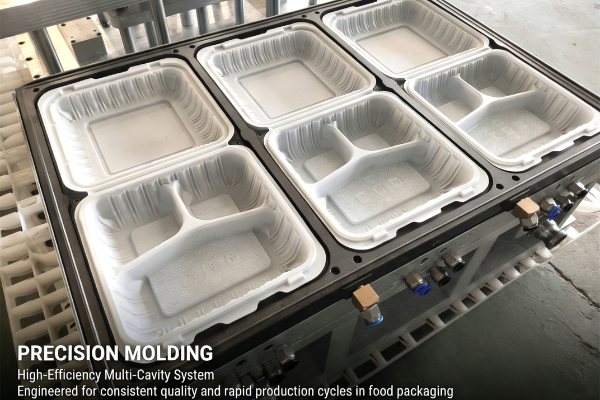
If an in-stock multi-compartment product makes sense for your menu the item that is in stock would be the 6828 box and the double compartment. If what you require is a bento box for 3, 4, or 5 compartments that requires a custom mold which is typically not available from our off the shelf stock line. Mold development is one of our key competencies and is addressed in the Ordering Information section below.
Sizes, Materials & How to Choose the Right Disposable Plastic Bento Box
Two questions decide the box: how big, and made of what. Get the second one wrong and the first one stops mattering — a perfectly sized box that warps in the microwave is still a failed box.
Size range across the line
Wanhui also carries disposable bento boxes of every size, from a 300ml single-person box up to family and catering 3500ml sizes. Carton counts listed below are standard, and they help you work out pallet numbers and storage needs.
| Style / Shape | Material Options | Capacity Range | Sets / Carton | Lid Configuration |
|---|---|---|---|---|
| Flat-lid round bowl | Black PP / Clear PET | 300–1750 ml | 200–450 | Flat snap lid |
| Deep round tub | Black PP / Clear PET | 1500–3500 ml | 90 | High dome / flat |
| Rectangular box | Black PP / Clear PET | 500–1500 ml | 150–300 | Snap-on lid |
| Square box | Black PP | 750–1000 ml | 300 | Snap-on lid |
| American round bowl | Black PP / Clear PET | 350–900 ml | 150–300 | Snap-on lid |
| Double-compartment (6828) | Black PP / Clear PET | Two sections | 150 | Snap-on lid |
Material decision matrix
This is the comparison no single product page wants to publish, because honest material guidance does not always point at the box in the cart. Here it is anyway.
| Material Base | Microwave / Heat Tolerance | Clarity | Best For Applications | Recyclability Status |
|---|---|---|---|---|
| PP (resin #5) | Safe, stable to ~120°C | Opaque | Hot meals, soup, reheatable bento | Recyclable #5 |
| PET (resin #1) | Not safe; softens near 60°C | Crystal clear | Cold salad, sushi, fruit, display | Widely #1 |
| PS (resin #6) | Not safe; brittle when heated | Clear or foam | Low-cost cold snacks only | Rarely |
| PLA-lined fiber | Varies; not reliably safe | Opaque only | Compostable-mandate markets | Industrial facility only |
* Polypropylene can maintain dimensional stability up to about 120°C, making it great for food storage in the microwave.
Engineering Note — Food Contact & Microplastics
Buyers reasonably worry about hot food in plastic. The honest answer: food-grade PP is the material that food-contact regulators specifically clear for this use — it appears in the U.S. Code of Federal Regulations under 21 CFR 177.1520 for olefin polymers, and Wanhui’s PP is produced to meet that standard plus the EU 10/2011 and China GB 4806 frameworks.
PP is also BPA-free and uses no PFAS. To use any microwave-safe box well, vent the lid corner and avoid prolonged superheating — guidance that applies to every material.
MODULE. 01
How to test a bento box before you commit
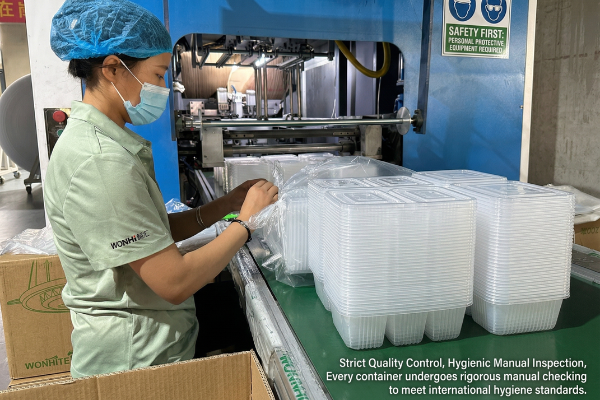
Never approve a wholesale order from a photo or a spec sheet alone. Fill a sample to roughly 80% with the actual food it will carry, seal the lid, and shake it firmly side to side — then check the seam, the lid corners and the bag for any escape.
Run the test hot and cold if your menu does both, and stack two filled boxes to check the lid holds under load. A box that passes a fill-and-shake test under real conditions has answered the only question that matters.
MODULE. 02
Plastic versus compostable fiber — when each one actually wins
Compostable Kraft and bagasse boxes are promoted as the ‘eco default’ choice and this is certainly true for some markets. Yet, the sacrifices are palpable and seldom printed anywhere near the product’s description.
Use compostable fiber when local regulations mandate it and a true commercial composting operation actually exists – many compostable boxes actually fail in home composters or landfills as they can only truly break down under very specific industrial temperatures and conditions.
Use PP plastic and get high heat-resistance, leak-tight performance, crystal-clear food presentation for your food-to-go dishes (using PET versions), lower per-item cost, and the added bonus of being something a consumer can actually wash out and reuse.
An important clarification: For a while some plant-based food packaging was coated in PFAS, “forever” chemicals, for grease resistance. PP plastic never needed it in the first place.
For buyers who need a compostable line, Wanhui also manufactures biodegradable containers — tell us the market and we will point you to the right material.
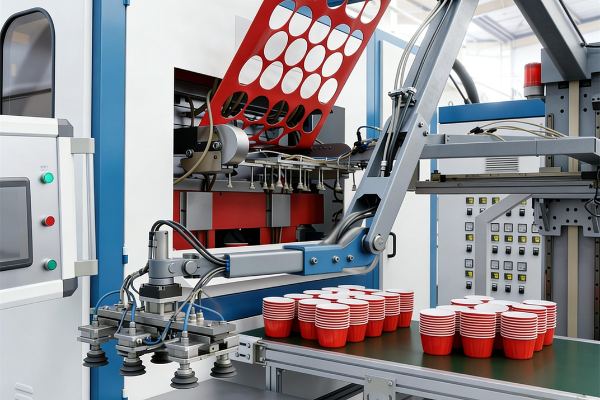
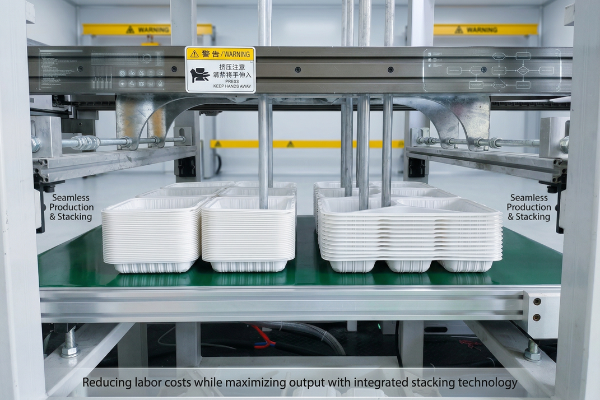
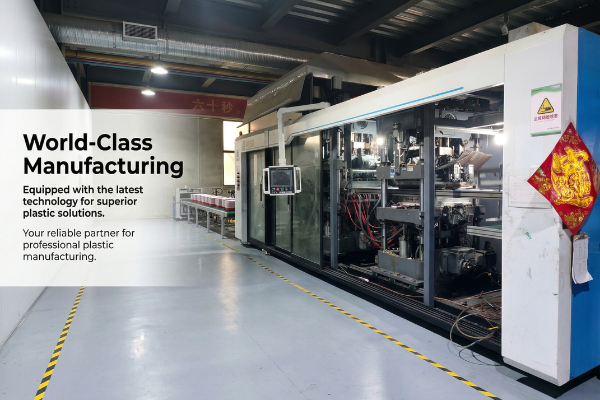
Bento Boxes Factory

✕
❮
❯
SYS.ARCH // DEPLOYMENT_STRATEGY
WARN // CRITICAL_PATH_SPEC
Industry Solutions & a Client Case
Disposable bento boxes deserve their spot in the supply chain for anywhere a food item moves from a kitchen to anyone not actively working in it. We need a container that can perform two functions simultaneously: protect the contents and present them attractively.
- [01]Chain restaurants
- [02]Food delivery brands
- [03]Hospital & school canteens
- [04]Supermarket fresh-food
- [05]Sushi & deli counters
- [06]Central / cloud kitchens
- [07]Meal-prep services
- [08]Catering & events
Each deployment places unique demands on the bento box. A food delivery operation prioritizes a leak-tight seal at all costs; a supermarket deli depends on a clear PET presentation that allows shoppers to see their salads self-sell; a hospital dining facility would rely on a PP box that is safe to reheat food on the ward.
Specifying for the hardest case on your menu
The most frequent misstep is selecting one type of container for an entire menu. A box suitable for a cold sandwich simply won’t hold up well to a hot, oily curry on a 40-minute delivery ride in an insulated delivery bag.
Determine your most challenging use-case – the hottest dish, longest delivery, heaviest ingredients – and you’ll cover the rest automatically. If a central kitchen is preparing both hot entrees and cold side dishes, you’ll most likely end up with two different product specifications rather than one all-purpose box that compromises performance for both.
DATA.STREAM // TELEMETRY
Client Case
One of Wanhui’s clients, a multi-location poke and rice-bowl brand, lost repeat orders because their customers complained of leaks. Their previously chosen box was a thin cold-dishes-only container which they were using for both cold poke bowls and hot teriyaki bowls-clearly two distinct purposes for which it wasn’t appropriate.
Product Selection
We divided their line. Cold poke was addressed with a flat-lid clear PET round bowl that put the build’s appearance front and center; hot teriyaki dishes transitioned into a re-heat-safe black PP rectangular container. Both utilized a wall thickness enhancement and continuous rim seal for superior food safety and were customized with their two-color logo.
Delivery Results
Since making the change, the brand reported a dramatic reduction in leak-related complaints, and the branding on their PET bowls became a hit on social media. While results will naturally vary based on menu items and delivery distance, each client’s challenge is viewed as a standalone issue, rather than one answered by a standard catalog offering.
[ PEAK_THERMAL_STRESS ]
120°C
How much heat a food-grade PP bento box can hold — hot meals packed and reheated without the box warping or the lid losing its seal.
Source: PP material heat-tolerance data (see References). Performance varies with wall gauge and fill temperature.
Wholesale Ordering: MOQ, Lead Time, Customization & Compliance
Purchasing bento lunch containers wholesale is a sourcing decision, not a shopping-cart decision. This is how an order typically moves with Wanhui and what the quotation is all based on.
Brief and sample
Share your menu, projected volume, and branding aspirations. We’ll then recommend a box type and material and send samples for your hands-on validation before you commit.
Quotation
We provide a factory-direct wholesale quote based on your unique specification; eliminating any intermediary margin.
Customization confirmation
This involves your approval of logo-print proof, or for non-standard layouts, the sign-off of a custom mold design and tooling before production.
Production and shipment
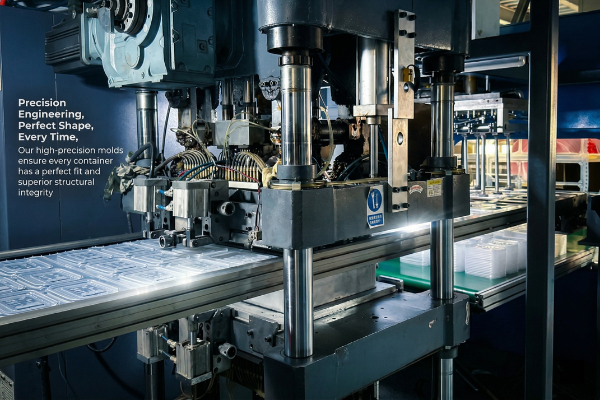
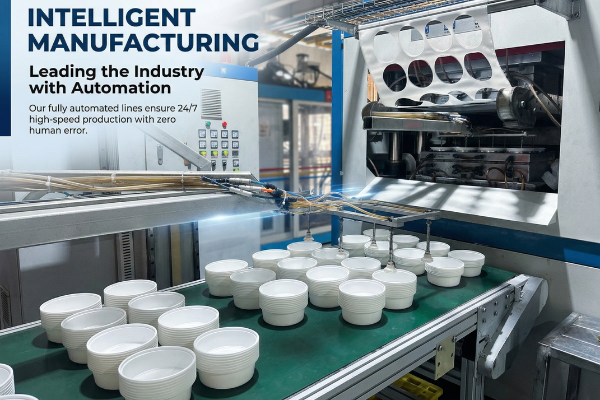
We manufacture to your specification on our automated lines, then prepare the containers for transit to your market.
Planning a custom mold realistically
A custom mold introduces a pre-production tooling phase. Therefore, any custom-layout bento has a longer initial order lead time than ordering our standard products. The initial tooling cost is spread across that order, as well as future ones; making it cost-effective for consistent volume.
For rapidly growing demand, start with our stock products. We’ll assist you in transitioning to custom tooling once your menu is established and volume is more predictable; only suggesting tooling investment when it’s commercially justified.
What drives your price
Because prices vary significantly, our pricing is application-specific and not list-based: Pricing factors framework.
Material and wall gauge
Choose PP, PET or PS, depending on the food’s application and the necessary rigidity.
Size and volume
Larger boxes require more plastic. Higher volumes also decrease unit cost, which is the key reason to buy your takeaway containers wholesale versus stock packs.
Level of customization
From off-the-shelf solutions to printed-logo or full custom mold development.
Destination & shipping terms
Your market and incoterms.
Compliance you can hand to your auditor
Our disposable containers use only food-grade virgin resins certified for food-contact standards in Europe, Americas, the Middle East, and the Asia-Pacific region.
Food-Grade PP & PET
Virgin food-contact resin
FDA 21 CFR 177.1520
U.S. food-contact (PP)
EU 10/2011
EU plastic food-contact
China GB 4806
National hygiene standard
BPA-Free
No bisphenol A · no PFAS
ISO 22000
Food-safety management
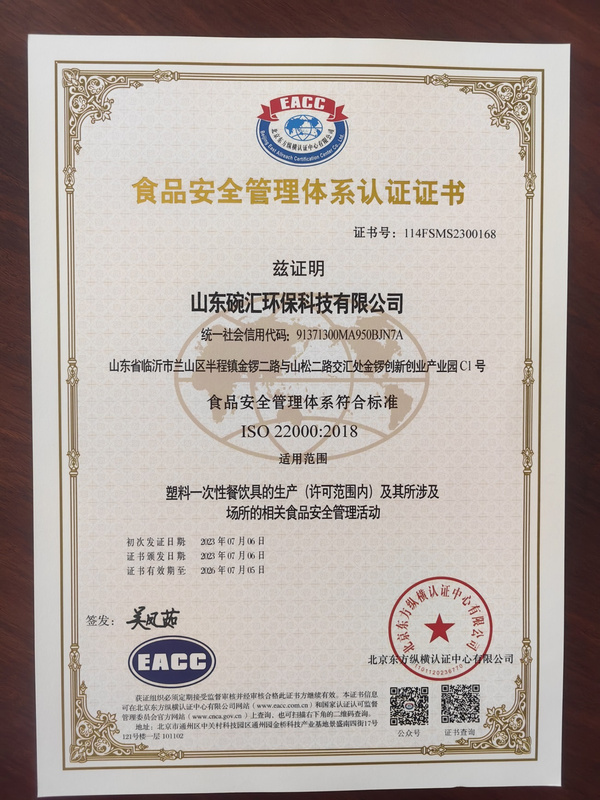
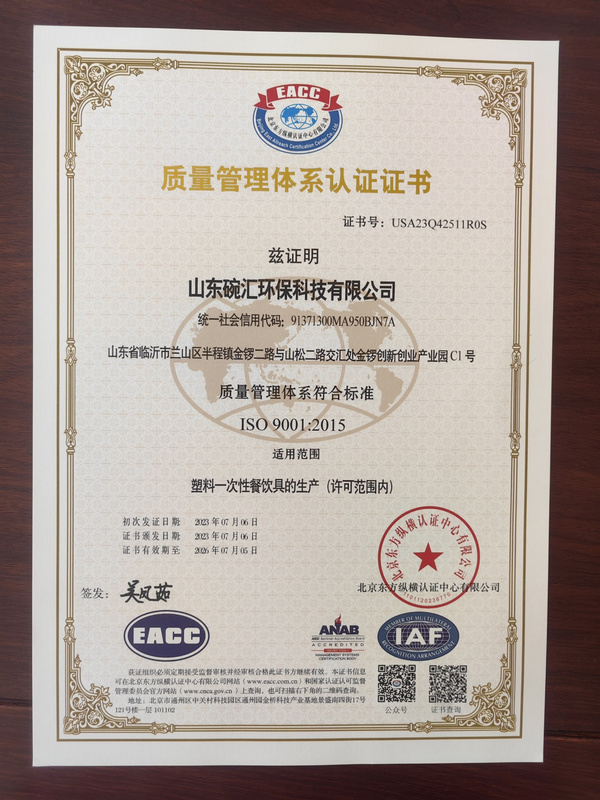
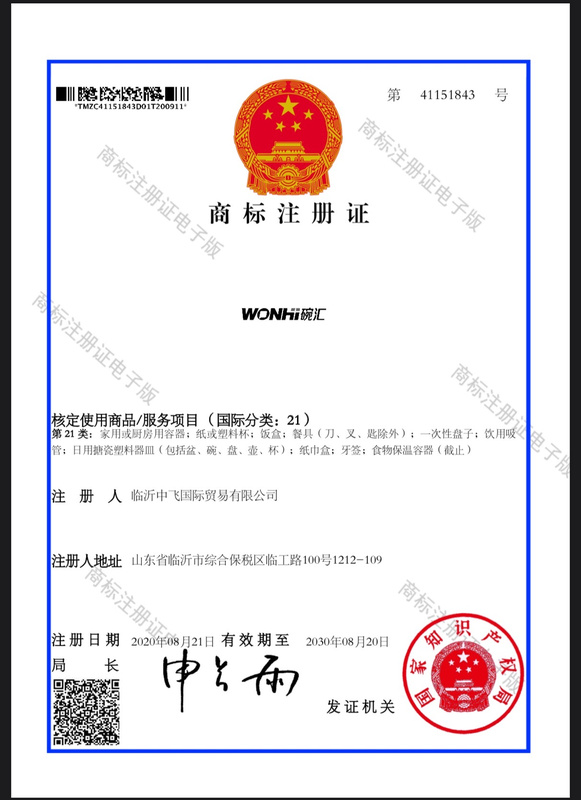
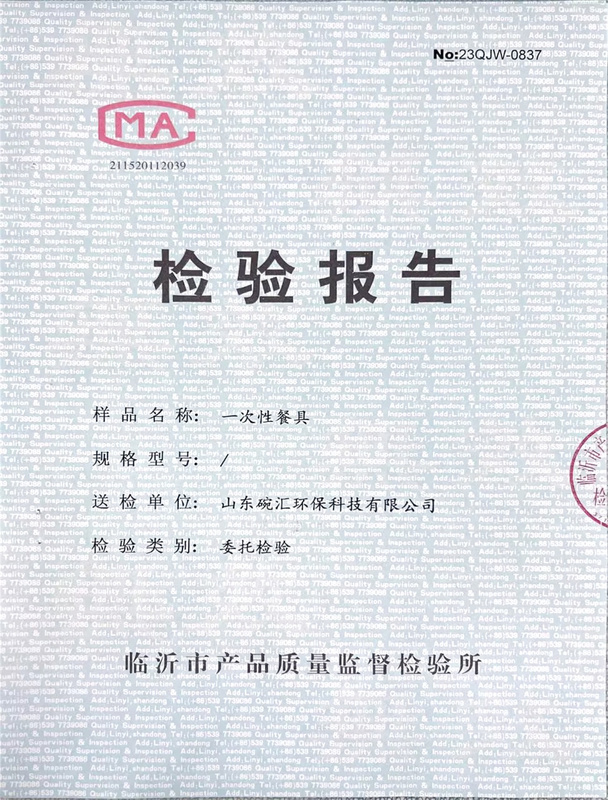
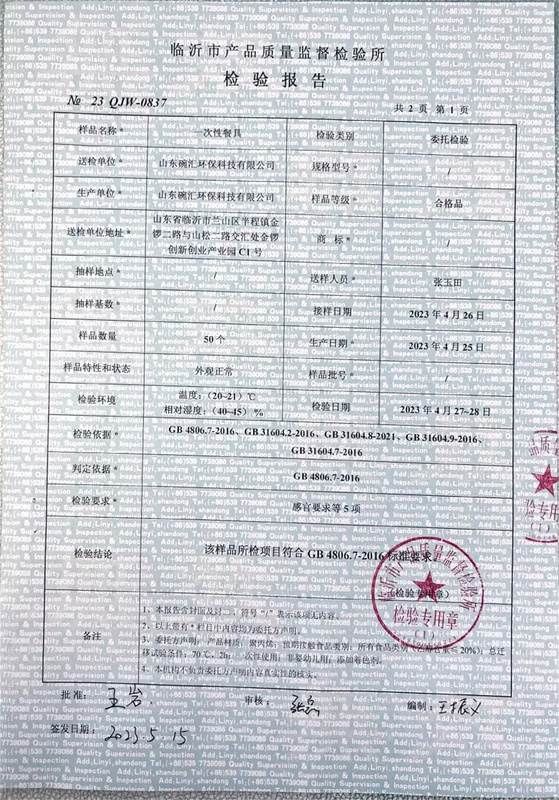
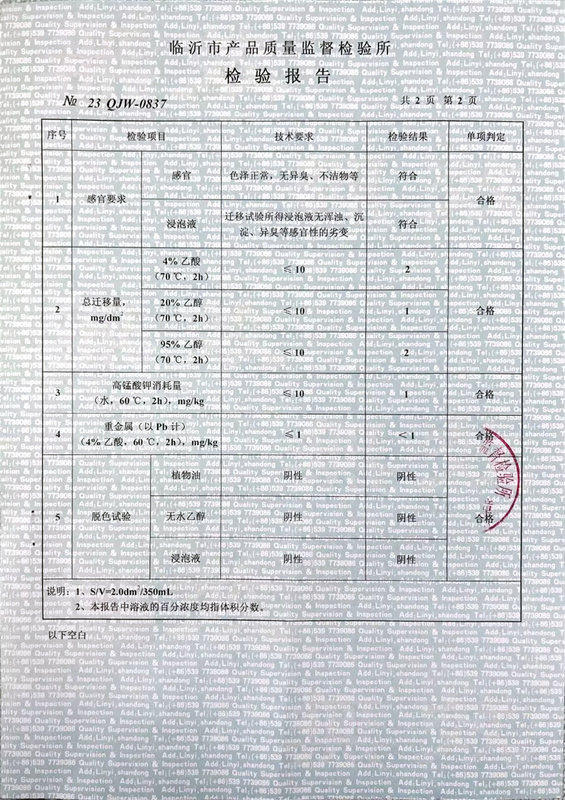
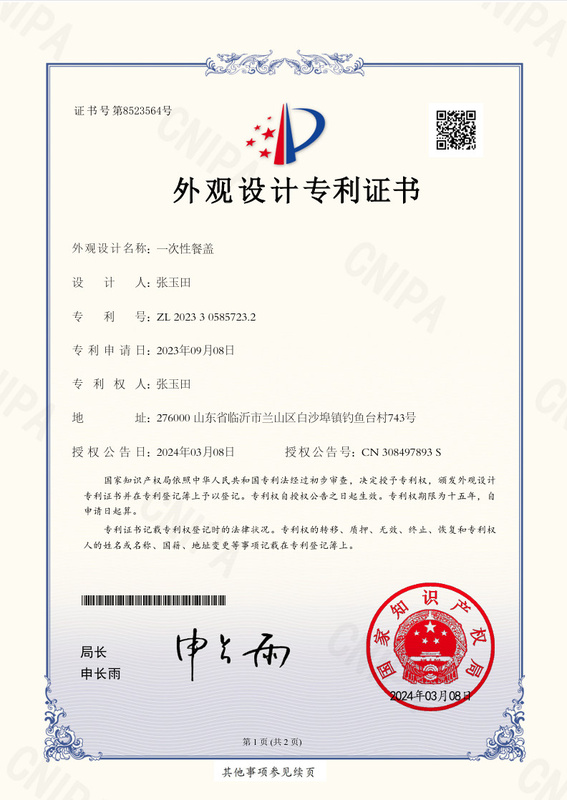
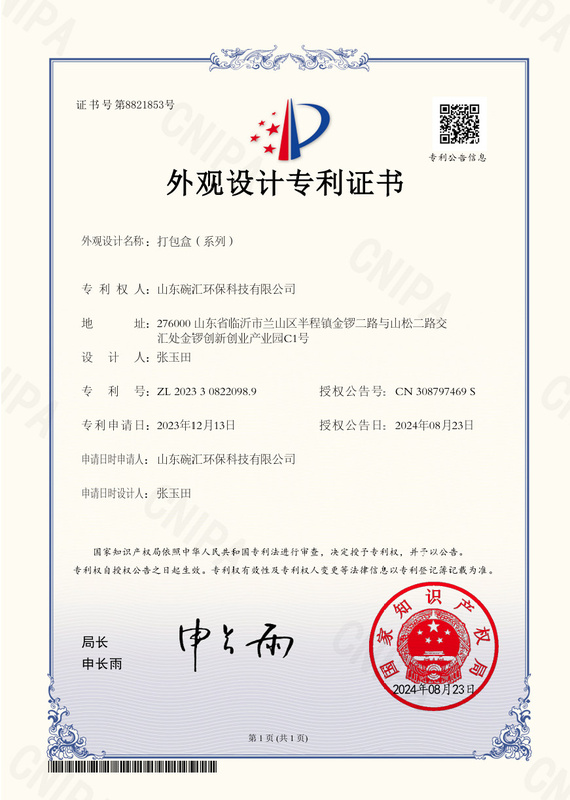
With your order we supply copies of all pertinent test reports and relevant certifications – please ask for this documentation at quotation stage to review with your team.
Bento Boxes Solution Tools
Material Style Selector
Evaluate and select the optimal materials for your bento packaging. Compare durability, sustainability, and cost-effectiveness for your business needs.
Open ToolCarton Quantity Calculator
Instantly calculate shipping volumes and carton requirements. Optimize your logistics, warehouse space, and inventory planning efficiently.
Open ToolStock vs Custom Mold
Analyze the ROI between off-the-shelf and bespoke molding solutions. Discover the most profitable approach based on your production scale.
Open ToolDisposable Bento Box FAQs
Are disposable plastic bento boxes microwave-safe?
The black PP line containers withstand temperature up to approximately 120 °C, and are safe to microwave for your customers’ convenience. Other materials, like clear PET, do not, and are suitable only for cold food products (PET softens above 60 °C). For restaurants serving hot dishes that are likely to be reheated, choose PP.
What is the difference between PP and PET bento boxes?
Polypropylene: opaque, strong, food safe and Microwave safe-this material’s primary use is hot food. PET: a clear food-safe container option that works beautifully for cold food items like salads, sushi, or fresh produce-but it’s a no-heat option. Many establishments opt for both; using polypropylene containers for hot food and PET for cold.
Can I order custom-printed or custom-mold bento boxes?
Yes. We print logos on all stock styles, and a custom mold lets us build compartment layouts beyond our standard shapes — both handled in-house.
What is the MOQ and lead time?
Lead times vary according to style, customization, and order volume, so each quote will contain specific details, rather than a standard figure. Our standard range boxes typically turn over more quickly than custom-mold designs, which include a tooling step. We recommend inquiring about lead time when you submit your brief.
Are Wanhui bento boxes leak-proof for delivery?
Because seal failures in transit packaging is the number one complaint that we hear from customers, our boxes have a continuous, leak-resistant lid seal and enhanced wall thickness as standard. If samples are available for a product you’re considering, we recommend filling and shaking one as a test before making a large investment.
Are disposable plastic takeout containers food-safe?
Yes. Both PP and PET are approved for direct food contact. Our PP material meets the 21 CFR 177.1520 standard for food contact in the United States, and for EU and China-based customers it also meets the criteria set out in the EU 10/2011 regulation and the China GB 4806 national standard for plastic materials in contact with food. Every Wanhui box is free of PFAS and BPA, and we can supply the supporting compliance documentation on request so your team can satisfy its own import checks or retail audits without chasing paperwork later.
What can you use disposable bento boxes for?
In addition to use as a restaurant carryout, it doubles as a meal-prep tray, a to-go lunch box, a deli or sushi pack, a snack box, or a catering portion box. It’s the configurable nature of our compartment layout that allows a single box design to cover so many different uses.
Are they eco-friendly, or should I use compostable boxes?
PP bento boxes are recyclable (#5) and durable enough for customer washing and reuse, extending their lifespan. Wanhui can also accommodate requests for biodegradable products if mandated for your market; please advise us of requirements and we will select appropriate biodegradable materials.