
Get in touch with Wanhui Company


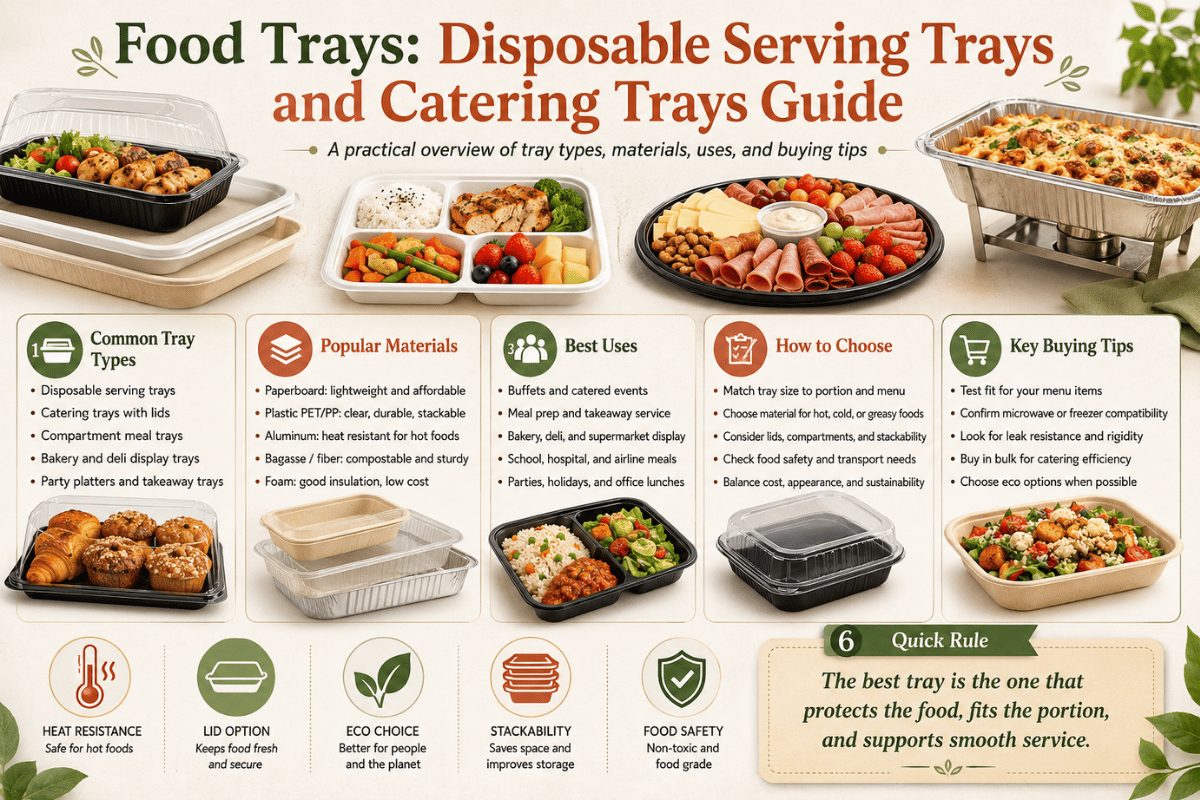
What Does ‘Food Trays’ mean?
Food Trays can mean anything from a retail serving tray to a cafeteria tray to a catering platter to a takeout tray to a compartment food tray. For commercial buyers, there’s a more confined question at play: which tray material, shape, lid option, and order route will safely support your menu from prep to handoff?
This guide is for distributors, chain restaurants, delivery kitchens, school canteens, hospital cafeterias, catering teams, and food truck operators. Already know the tray family you need?
Find out more about food trays for catering and takeout on the Wonhi Meal Box product page. If you’re still weighing options, walk through these checkpoints before sending an RFQ.
Quick specs for food trays
| Common names | food tray, serving tray, catering tray, platter, food boat, cafeteria tray, compartment tray |
| Main buying checks | material, food-contact status, portion layout, rim height, stack fit, lid fit, branding, carton pack, sample test |
| Typical service uses | takeout, catering, snack service, dessert display, concessions, food trucks, canteens, hospitals, schools |
| Procurement path | standard SKU, bulk disposable order, logo printing, or custom mold development |
Food Trays: What Buyers Need to Decide Before Ordering
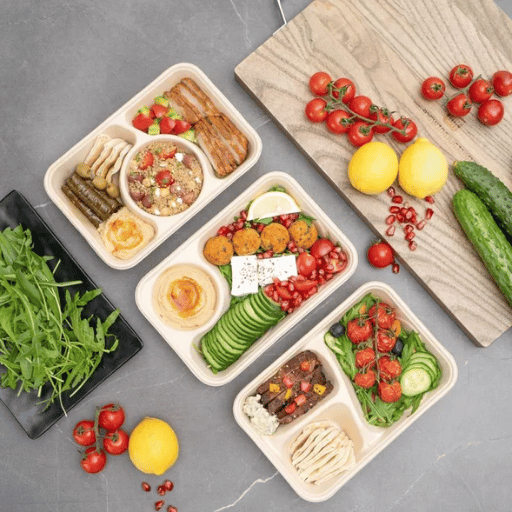
What Is a food tray?
A food tray is a container or carrier that holds, serves, displays, or transports prepared food. Within the food service sector, the appropriate tray is directly correlated with the food item being carried, the service channel, the handling duration, storage requirements, and specific branding initiatives.
Start With Commercial Intent Home serving trays just needs to look appealing on a tabletop. Commercial trays must undergo preparation, packaging, stacking, transit, delivery, and finally, disposal or return. Accordingly, buyers should prioritize the functional role of the tray, rather than simply relying on catalog imagery.
| Buyer question | Why it matters |
|---|---|
| Will the tray touch food directly? | Food-contact status, ink, coating, and material records become part of the review. |
| Will it travel with a lid? | Lid fit, rim strength, and stacking clearance matter more than display style. |
| Will it be used for one meal or repeated service? | Disposable, reusable, and melamine trays follow different cleaning, cost, and logistics paths. |
| Does the menu need separation? | Single-section, 2-compartment, 3-compartment, and multi-section trays solve different portion problems. |
What Are Food Trays Called in Foodservice?
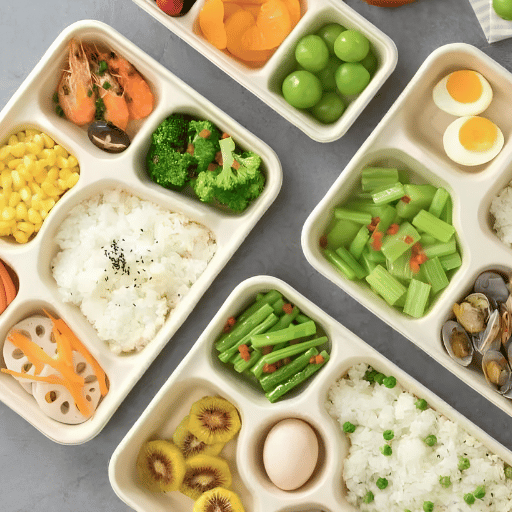
Naming Convention: It’s All About Channel food trays are identified by different names across the industry. A catering client might request a platter, while a school might refer to a compartment tray, and a concession team might opt for a food boat or a snack tray.
What are those food trays called?
| Name | Best use | RFQ note |
|---|---|---|
| Food tray | Broad foodservice sourcing term | Add material, size, and lid need. |
| Serving trays | Counter service, buffet, front-of-house carrying | State reusable or disposable service. |
| Catering tray | Events, platters, shared meals | Ask about matching lids or covers. |
| Platter | Dessert, deli, appetizer, cold display | Check display height and edge style. |
| Compartment tray | Canteens, meal kits, school meals, hospital meals | Specify 2, 3, 4, or 5 sections. |
Search data around this topic includes many consumer-heavy phrases, so translate them before sending a supplier request.
| Search wording buyers may see | Foodservice RFQ translation |
|---|---|
| party serving trays, party food, festive decor, stylish colors and styles | event catering tray, display platter, or branded serving format |
| charcuterie, hors d’oeuvres, cupcake, popcorn, hotdog, burgers | menu-specific platter, snack tray, food basket, or portion tray |
| bbq, grill, picnic, beverage | outdoor service tray with material, rim, and spill checks |
| acacia, bamboo serving tray, porcelain, bed tray, breakfast in bed, foldable | consumer or hospitality item, usually outside disposable food service orders |
| plastic trays, plastic serving trays, clear plastic serving, plastic serving platter | state resin, food-contact use, lid match, and whether the trays are available in bulk |
| trays for food, trays and platters, food serving, dinner trays, disposable serving | ask if the trays designed for display, delivery, cafeteria, or catering use |
| serving trays offer, trays are ideal, trays disposable, Carlisle | convert catalog phrases or brand comparisons into material, size, carton, and sample checks |
| host, decorative, rustic, complement, choosing the right food | ask for a durable tray with raised edges when display style and handoff strength both matter |
Disposable Serving Trays, Platters, and Display Trays: When Each Type Fits
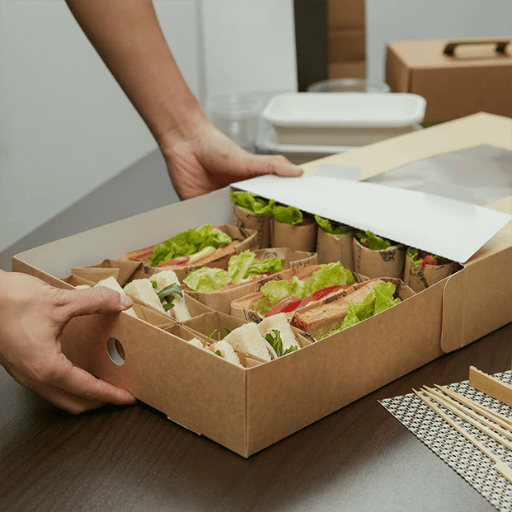
Use Cases for food trays disposable food trays are well-suited for takeout services, events, concessions, and fast-paced operations where return logistics present a significant challenge and are cost-prohibitive. Reusable trays, on the other hand, are ideal for internal cafeterias and facilities equipped with dishwasher systems.
display trays are the preferred choice for deli counters, bakeries, buffet presentations, and catered events where visual presentation is paramount.
| Tray type | Good fit | Watch point |
|---|---|---|
| Disposable | Delivery, catering, food trucks, concessions, event service | Confirm food-contact use, lid fit, and carton count before bulk purchase. |
| Reusable | Cafeterias, staff dining, campuses, controlled return systems | Confirm wash process, drying, storage, replacement rate, and loss risk. |
| Display | Bakery, deli, dessert, snack, appetizer, buffet service | Match color, rim shape, cover, and display case clearance. |
| Melamine | In-house dining, buffet lines, casual restaurants | Use only within supplier-stated food-contact and care limits. |
Material Choices: Plastic, Kraft Paper, Bagasse, Sugarcane, and Melamine
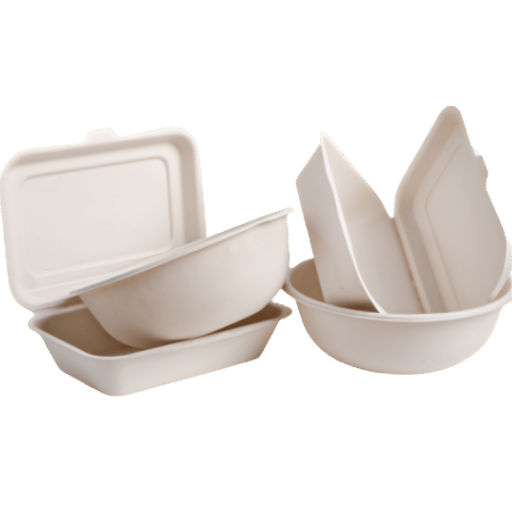
Choose the tray material around the food first, then the handling path. A chilled dessert platter, a fried snack tray, and a hot-meal compartment tray each faces different moisture, oil, stack, and lid demands.
Start with food-contact status. 21 CFR Part 177 covers indirect food additives for polymers, including materials used as components of food-contact surfaces. When purchasing food-contact materials, request SKU-specific material information, food-contact status records, and intended-use statements rather than general material classes such as plastic or paper.
What are disposable food trays made of?
| Material | Common use | Buyer check |
|---|---|---|
| PP plastic | Takeout, meal trays, lidded packs, foodservice prep | Confirm food-contact scope, temperature-use claim, lid match, and stacking test. |
| PET plastic | Cold display, bakery, deli, snack, dessert, clear presentation | Check chilled-service fit and clarity needs. |
| Kraft paper or paperboard | Dry or lightly moist foods, bakery, concessions, quick service | Ask about coating, grease barrier, ink, and food-contact statement. |
| Bagasse or sugarcane fiber | Compostable-program orders, event catering, cafeterias with disposal rules | Verify certification, local compost acceptance, and fiber or coating limits. |
| Melamine | Reusable display and dine-in service | Request care limits and food-contact records for the exact item. |
Know the recycled-content route. If recycled plastic is on the agenda, look past the recycled-content label. The eCFR polymer regulations for food-contact surfaces are a starting point for checking the material family, but buyers still need SKU-specific records on chemistry, possible contamination controls, migration, and recycling processes for food-contact applications.
Certification matters for compostable options. For compostable trays, ask which certifications and standards belong to the SKU. BPI uses ASTM D6400 as a base standard for commercial compostability certification, with other assessment paths, such as D6868, for qualifying products. The FTC Green Guides should also be checked so environmental claims stay accurate and clear for buyers and downstream users.
Engineering note: when hot fill, chilled display, microwave reheating, oil, acidic sauce, or long delivery time is part of the job, confirm the material grade, food-contact statement, compatible lid, and use limits for the specific SKU. General material types like PP, PET, paper, or bagasse are not enough by themselves.
Size, Shape, Raised Edges, and Compartment Layouts

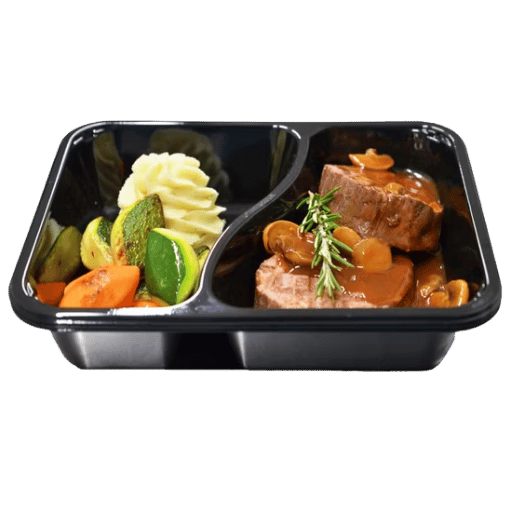
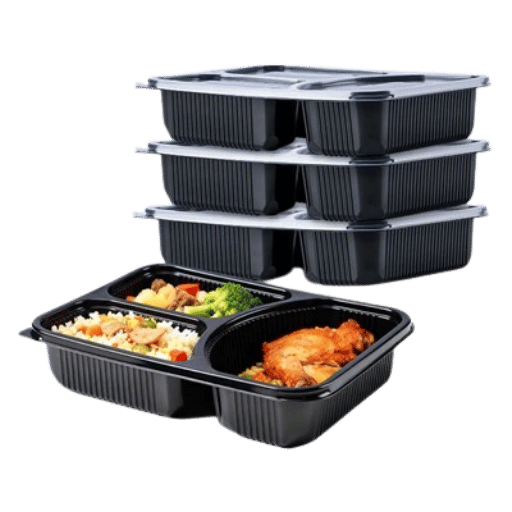
The shape of the tray influences how the food rests in it, how it moves during handling and delivery, and how it presents on arrival. High-rim trays keep snack portions from sliding. Flat platters improve displays presented in desserts. food trays with compartments can separately contain rice, sauce, protein and sides. Deeper trays may travel better but can shrink large portions if not correctly sized, making the premium look smaller.
RFQs sent to suppliers of food packaging should include menu pictures and target portions. If a purchaser sends only measurements, the tray supplier might make a container that fits in a bag but not one that handles the food contents. True sampling should use food, lids and real stacking/delivery situations.
| Geometry choice | Foodservice fit | Risk if wrong |
|---|---|---|
| Single-section rectangle | Sandwiches, fried snacks, baked goods, grab-and-go sets | Sauce or garnish can move into the main food area. |
| 2-compartment tray | Main and side, snack and dip, dessert pairings | One cavity may be too small for the real portion. |
| 3-compartment tray | Canteen meals, school meals, hospital meals, combo plates | Sauce transfer can still happen if divider height is too low. |
| Raised-edge platter | Deli, bakery, fruit, appetizer, dessert display | Cover clearance can crush toppings. |
Stackable and Sturdy Food Trays, Lids, and Delivery Handling
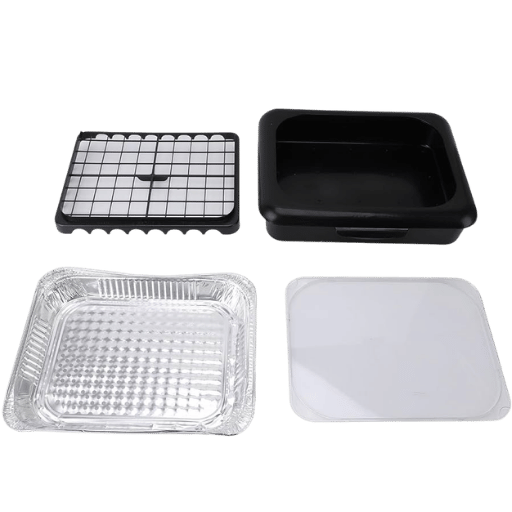
A perfectly clean tabletop sample does not show lid flexion, rim bend, bottom distortion or tilting in a delivery tote. Sampling that simulates real delivery conditions should be used to demonstrate tray integrity.
National Restaurant Association off-premises guidance tells operators to field test takeout packaging and inspect it for temperature, texture preservation, visual appeal, package integrity, and branding impact. Its 2025 off-premises packaging article reported that 90% of surveyed consumers would order more food items for delivery or takeout if packaging helped protect food quality.
| Sample test | What to observe |
|---|---|
| Real menu fill | Oil, sauce, crumb, condensation, color transfer, and food movement. |
| Lid pairing | Snap feel, rim fit, cover clearance, and whether garnish is pressed down. |
| Stack path | How trays sit in the actual cooler, rack, tote, or carton used by staff. |
| Handoff check | Grip, bend, drip risk, and whether customers can carry the tray safely. |
| Microwave claim | Use only products labeled for that purpose and follow the supplier’s use limits. |
Michigan State University Extension guidance on microwave-safe food containers points users back to product labeling and suitable materials. Purchasers should never assume that every disposable tray is oven or microwave safe. The intended use of the tray must be stated in the request for quotation (RFQ).
Matching Food Trays to Takeout, Catering, Canteens, Concessions, and Food Trucks
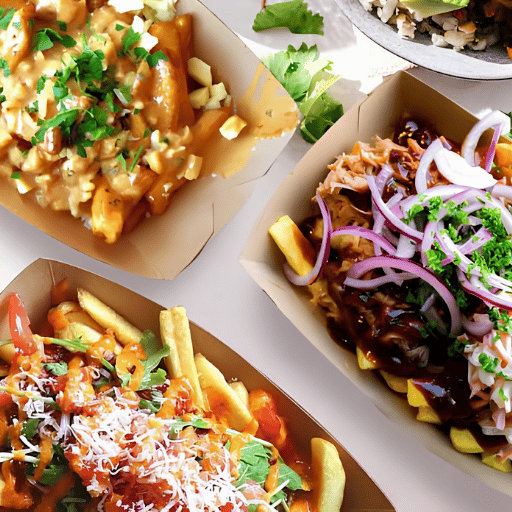
Different service contexts use tray formats differently: catering customers might eat from a display, a food truck worker might eat by hand, school lunch recipients may push a tray from one surface into waste, or hospital patient trays need a clean, low-spill presentation of food portions separated for digestion.
What food trays work best for concession stands?
Concession stands require very high throughput from their hot dog,nachos, french fry, snack and dessert containers and from drink cups carried in crowded and hot environments. High-production concessions favor stifftrays that contain a good amount of product in the minimum amount of surface space and have rim strength and height to reduce product slippage.
| Channel | Tray need | Best RFQ detail |
|---|---|---|
| Takeout kitchen | Lidded disposable tray for transport | Menu type, sauce level, delivery time, and stack method. |
| Catering | Platter or catering tray for shared portions | Cold or hot use, cover need, display period, and serving style. |
| School or hospital canteen | Compartment food tray for portion separation | Cavity count, portion map, disposal rule, and carton handling. |
| Food truck | Hand-carry tray with good rim grip | One-hand carry, sauce cup fit, and speed of filling. |
| Bakery or deli display | Clear or display-ready platter | Case height, cover clarity, shelf life, and label placement. |
Bulk and Custom Food Trays: Samples, Logo Printing, and Mold Development
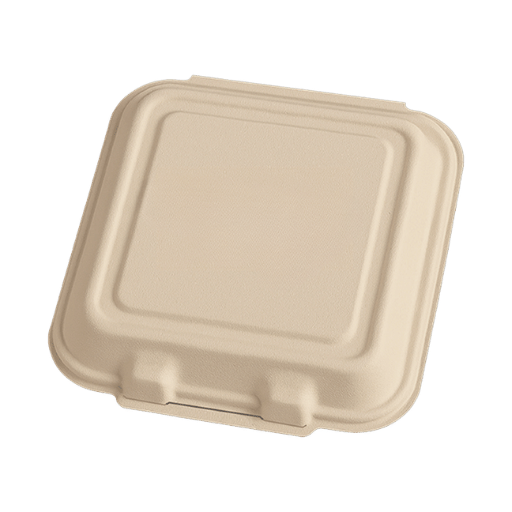
Before placing a large order for food trays, obtain samples and check the SKU, material, matching lid, carton size, label, pallet plan, brand marking, and custom mold needs. This sample step shows whether the tray fits both the menu and the brand.
Wonhi Meal Box belongs to Shandong Wanhui Environmental Protection Technology Co., Ltd., a 20-year manufacturer of food containers and food packaging in China. The factory is equipped with 20 thermoforming production lines, 6 sheet extrusion lines, and 60 injection molding lines, with daily output above 30 tons of sheet material and more than 1 million units of daily processing capacity.
Before placing customized orders for custom food trays from Wonhi Meal Box, buyers should define the core requirement: logo printing, a new mold, a private-label carton, a tray with a new lid, or a full tray family for several menu lines. Wonhi Meal Box highlights logo printing and custom mold development for chain restaurants, catering, food delivery, schools, hospitals, and canteens.
| Procurement item | Ask before quoting |
|---|---|
| Sample approval | Which menu items, fill weights, lids, and handling routes will be tested? |
| Logo printing | Where can ink sit without touching food, scuffing, or blocking labels? |
| Custom mold | Which part of the standard tray family fails: footprint, depth, rim, cavity map, or lid? |
| Export market | Which country, food-contact rules, label language, and carton marks apply? |
For quote readiness, compare the RFQ against the published Wonhi Meal Box product-page data before asking for samples. This selection checklist gives a decision threshold for whether the 24 hours quote path, stock tray, logo print, or custom mold is the right path. It also keeps the 20 years of factory history tied to the exact product page rather than leaving it as a generic brand statement.
| RFQ checkpoint | Published value to verify | Buyer decision |
|---|---|---|
| Wonhi stock size check | Round bowl calibers include 120 mm, 150 mm, and 180 mm; hinged footprints include 6 in x 6 in, 8 in x 8 in, 9 in x 6 in, and 9 in x 9 in. | Use stock if the menu fits; move to custom if fill line, lid height, or compartment count fails. |
| custom food tray MOQ | Stock logo projects start from 5,000 pieces per SKU; custom mold projects start from 30,000 pieces per first PO. | Use logo printing for trials; reserve mold investment for repeat demand. |
| Wonhi food tray quote timing | Quote response is listed as 24 hours; stock lead time is 15 to 25 days; custom mold lead time is 35 to 50 days. | Compare urgent restock needs with planned launches, and confirm when the 24 hours clock starts after artwork or drawing receipt. |
| food tray QC process | QC notes mention inline visual checks, dimensional checks every 2 hours, and defect-rate claims below 0.5% on commercial-grade tray runs. | Ask for the inspection record, and treat the 2 hours dimensional check rhythm as a sample-lot verification point. |
| Event-size sample math | Product-page FAQ examples mention 16 in to 18 in large catering trays, 12 in to 14 in medium trays, and a 10% to 15% buffer for breakage or spec change. | Test one hot menu, one cold menu, and one display menu before locking the case pack. |
| Factory bridge | The company profile lists 20 years of production history, 20 thermoforming lines, 6 sheet extrusion lines, and 60 injection molding lines. | If the program depends on repeat supply for 20 years of customer records, ask which line family will run the order. |
The 12-Row Food Tray Use-Case Ladder
The 12-Row Food Tray Use-Case Ladder translates food type and service channel into a tray shortlist, then adds the handling risk and RFQ detail that can prevent confusion at the sample stage.
| Use-case type | Recommended tray direction | RFQ detail |
|---|---|---|
| Dry snack service | Shallow disposable tray or food boat | Rim height, hand grip, grease barrier. |
| Dessert display | Clear PET platter or display tray | Cover clearance, label space, chilled case fit. |
| Fried food | Sturdy tray with oil-resistant surface | Vent need, sauce cup space, hand carry. |
| Deli or appetizer platter | Raised-edge platter with matching cover | Cold display, lid height, garnish protection. |
| Hot dogs or nachos | Concession tray or food boat | Sauce edge, one-hand carry, speed of filling. |
| Cafeteria combo meal | 3-compartment or 5-compartment food tray | Portion map, divider height, disposal method. |
| Catered cold set | Catering tray or lidded platter | Presentation color, lid clarity, transport carton. |
| Delivery meal set | Lidded PP tray or compartment tray | Stacking path, lid lock, sauce movement. |
| Food truck service | Compact tray with grip-friendly rim | Window handoff, condiment space, customer carry. |
| Hospital meal line | Compartment tray with portion separation | Food separation, label area, low spill risk. |
| School meal service | Canteen tray or multi-section disposable tray | Line speed, waste rule, carton handling. |
| Private-label launch | Standard tray with print or custom mold | Logo position, tooling need, sample sign-off. |
What Is Changing in Food Tray Purchasing for 2026?
In 2026, food tray purchasing is being shaped by off-premises dining, packaging claim scrutiny, custom branding, and material review. Buyers want trays that protect food quality while procurement teams ask for clearer evidence behind environmental and food-contact claims.
The Foodservice Packaging Institute’s 2025 trends announcement points to customization and consolidation as forces in foodservice packaging. Tray buyers may still need logo work, private-label packaging, or custom molds when a standard catalog item grows beyond one region.
Sustainability claims require tangible evidence. Ask whether the tray is recyclable in the applicable market, compostable through a named certification path, or made with recycled materials acceptable for the particular food-contact purpose. Broad claims can put distributors or operators in trouble when records do not support them.
FAQ
Are food trays the same as serving trays?
Not necessarily. serving trays refers to food or presenting food. food trays includes trays from disposable takeout, trays of compartment, trays of catering platters, cafeteria trays and trays of display.
What are disposable food trays made of?
Materials to consider include PP plastic, PET plastic, kraft paper, paperboard, bagasse, sugarcane fiber, and coated paper. The material name is only the first screen. A careful purchaser will ask for food-contact information, coating details, lid pairing, and the use conditions that apply to the exact SKU.
Which food trays are best for catering?
Catering usually requires a platter or raised-edge tray with a matching lid, enough firmness for transport, and a clean display interior. Cold desserts, deli foods, and appetizers may need clear covers. Hot dishes may need lidded trays that match the supplier’s stated heat and food-contact limits. For events with several menu selections, test representative samples with actual menu items rather than ordering from a single tray photo.
Can food trays be customized with a logo?
Yes, many food trays can be customized through logo printing, private-label packing, color selection, or mold development. Customization route depends on the tray material, order volume, food-contact surface, and brand placement.
Are compartment food trays better for canteens?
Compartment trays are often better when a canteen serves fixed meal sets with protein, starch, side dishes, sauces, or dessert that should stay separate. They are less helpful when the menu changes daily or when one large portion needs open space. Buyers should test the cavity map against the menu and the serving line, not only the tray dimensions.
Should buyers source food trays from a distributor or direct manufacturer?
Distributors can be fast when you need mixed small orders, urgent replacement stock, or local warehousing. Direct manufacturer supply is suitable when you want bulk disposable food trays, repeat export supply, logos, or custom molds. Several sourcing programs combine both: local availability through distributors and tighter control through a manufacturer for branded packaging and long-term supply.
Next Step for Foodservice Buyers
Refine your tray family before buying food trays in bulk, order samples made from your menu, check the material and use condition records or decide whether your program needs standard stock or custom work. Wonhi Meal Box can quote standard and custom food tray choices for restaurants, delivery, canteens, hospitals, schools and distribution.
Clarify your option of Wonhi Meal Box food trays for product selection, sample order, printing logos or mold development.
References and Sources
Food-contact polymer regulations: 21 CFR Part 177 – Indirect Food Additives: Polymers.
Food-contact polymer review reference: eCFR 21 CFR Part 177.
BPI compostability certification: Commercial Compostability Certification.
FTC environmental marketing guidance: Green Guides.
Microwave-safe food container guidance: Michigan State University Extension.
National Restaurant Association packaging guidance: Increased sales come in the right packages.
Foodservice Packaging Institute trend note: 2025 Trends Report announcement.