Get in touch with Wanhui Company

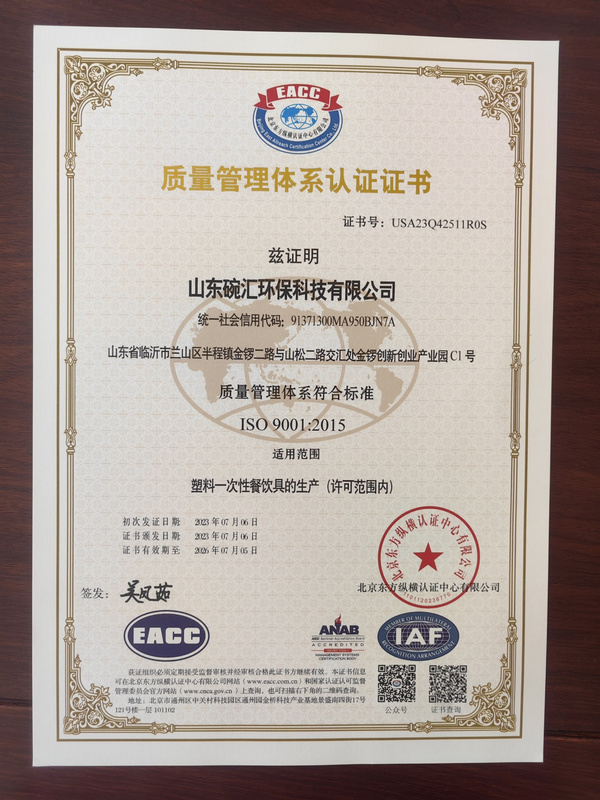
ISO 9001 & SGS CERTIFIED
Soup Containers
Disposable Soup Containers — 8 oz–32 oz Leak-Proof Round Bowls | Wanhui
Thanks to our manufacturer-direct round soup containers with snap-on leak resistant lids- engineered so hot broth makes it to your customer sealed, not spilled down the delivery bag.
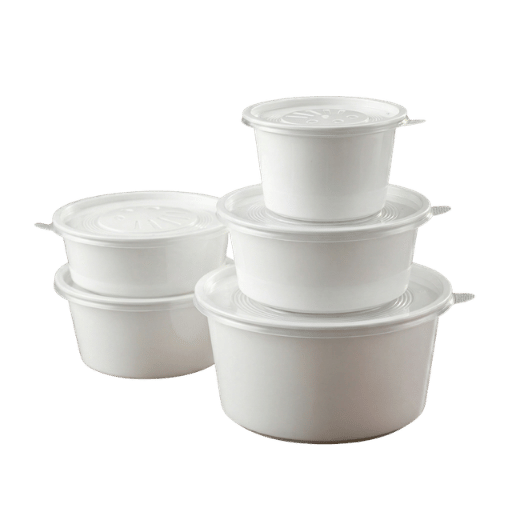
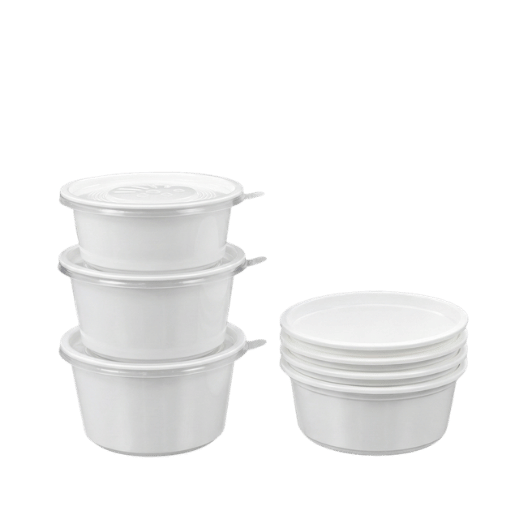
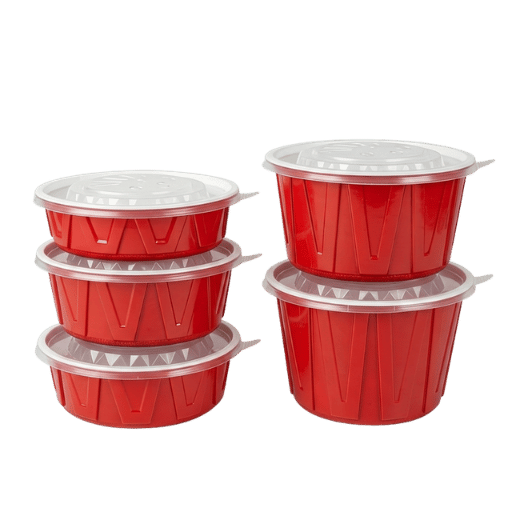
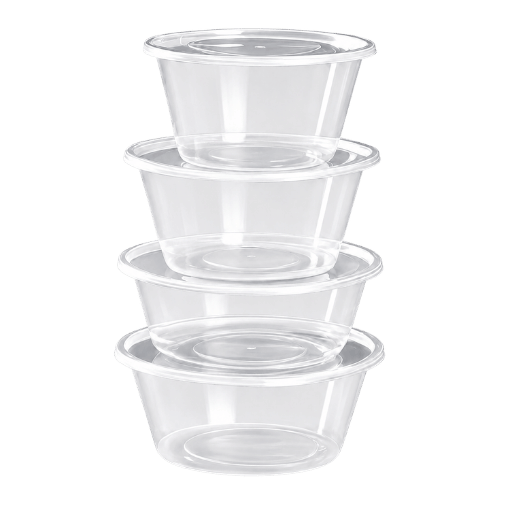
8–32 oz
Five stocked sizes
PP #5
Food-grade polypropylene
Snap-on
Leak-resistant rim seal
Microwave
Reheat & freezer safe
20 yrs
Packaging manufacturer
OEM
Custom print & mold
The Soup Takeout Problem — Leaks, Cracks & Mismatched Lids
Disposable soup containers, aka soup cups or a soup bowl with a lid, are round, covered cups used for transporting cold or hot soup. From your kitchen to your customer’s hand – a soup spill order always presents big problems! The best way to avoid a one-star review is to carry both cold and hot foods separately – you need reliable take out soup cups.
And delivery drivers know all about it, with one on a foodservice forum posting: “the second you take that lid off (if it even came out the restaurant) it *is* going to spill – and it can get other orders, too, once it gets loose in a hot bag,” one driver posted on a foodservice forum. A poor lid is never the only expense.
ISSUE 01

When pressure is in the bag it pushes on the press-fit lid and pops off. The popping lid is the most frequent type of bag failure in transit.
ISSUE 02

sidewalls deform when stacked the wall snaps over at base while full with hot material
ISSUE 03

mixed-supplier inventory makes for a container without a proper lid – the mismatched lid nightmare of any well-provisioned multi-supplier pantry.
Wanhui soup containers deliver on all three-a snap-on lid that fits the entire rim, a thickened wall to withstand the pressure of stacking, and a unified lid family in its size array. Since the food-delivery market is both substantial and increasing in size (global food-service disposables reached close to USD 73 billion in value in 2024), the difference between container integrity or not can translate to many orders down the line.
DATA_LINK // SPECIFICATIONS
Wanhui Disposable Soup Containers — Sizes (8–32 oz)
Buying one-size-fits-all is twice as costly because extra-large portions ship air, while skimpy servings look skimpy. Match container to the size of your portion-that’s decision No. 1 in making this cheat sheet.
01
8 oz
≈ 237 ml
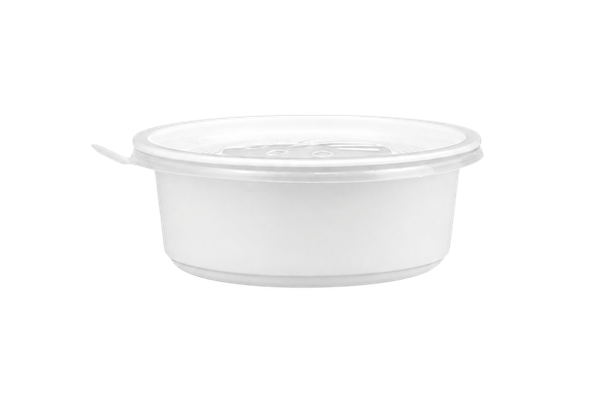
Side soups, broths, sauces and dips. Single-side portion for combo meals.
02
12 oz
≈ 355 ml

Cup-size soup, congee and small chowders. Lunch single serving.
03
16 oz
≈ 473 ml

Standard entrée soup, ramen broth, and to-go salads.
04
24 oz
≈ 710 ml

Large soup, noodle bowls and hearty stews for a full meal.
05
32 oz
≈ 946 ml
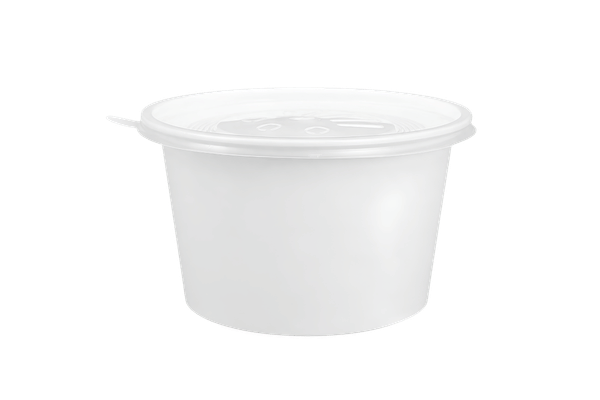
Bulk and sharing portions, hot pot base, catering quarts.
All sizes ship assoup container with lids- clear for a look at the contents, or black for an upsell presentation. Wanhui has stocked soups containers with lids as a set, ensuring take-out does not come with the wrong lid, while nestableempty containers tuck together to save space between service. Lids are catalogued as small, happy family diameters – a kitchen with three different container sizes do not need to warehouse three unique lid families.
Decision Matrix — Size by Application
| Size [VOL] | Typical Fill | Best-Fit Use | Stack Profile |
|---|---|---|---|
| 8 oz | Half-cup portion | Sides, dips, sauces | Low — combo trays |
| 16 oz | Full-cup soup | Restaurant & delivery entrée soup | Standard — highest demand |
| 12 oz | Three-quarter cup | Congee, light lunch soup | Low — café counters |
| 24 oz | Pint-plus | Noodle soup, family stew | Tall — single-meal |
| 32 oz | Quart | Catering, hot pot, sharing | Tall — bulk transport |
In the vast majority of restaurant or delivery menus, the 16 oz container gets the most ordered volume of any option, which is why it’s the #1 size to verify on any RFQ that is provided. Those size options then dictate your next move on defining how your container stands up to the rigors of transit.
Spec Comparison: Capacity, Lid Seal Strength & Temperature Tolerance
In fact, many suppliers’ pages will provide a price and a size and that’s the end of it. A consumer looking to purchase disposable soup containers needs three numbers, juxtaposed, on display – it should have capacity, a tight lid and temperature limits, because it is those numbers that will indicate its likely performance in the fridge, the freezer, and in a delivery bag.
| Size | Capacity | Lid seal type | Temperature range | Material |
|---|---|---|---|---|
| 8 oz | ≈ 237 ml | Full-rim snap-on | −18 °C to microwave reheat | Clear / black PP |
| 12 oz | ≈ 355 ml | Full-rim snap-on | −18 °C to microwave reheat | Clear / black PP |
| 16 oz | ≈ 473 ml | Full-rim snap-on | −18 °C to microwave reheat | Clear / black PP |
| 24 oz | ≈ 710 ml | Full-rim snap-on | −18 °C to microwave reheat | Clear / black PP |
| 32 oz | ≈ 946 ml | Full-rim snap-on | −18 °C to microwave reheat | Clear / black PP |
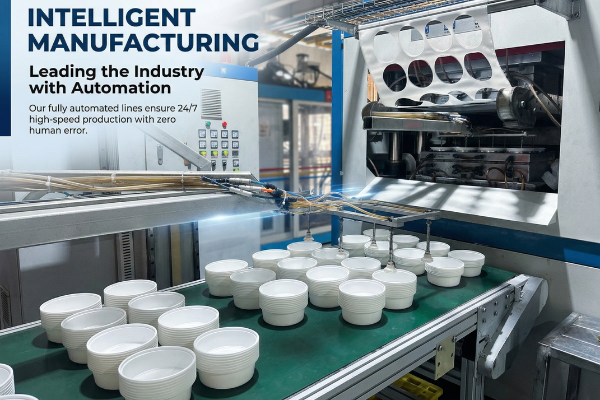
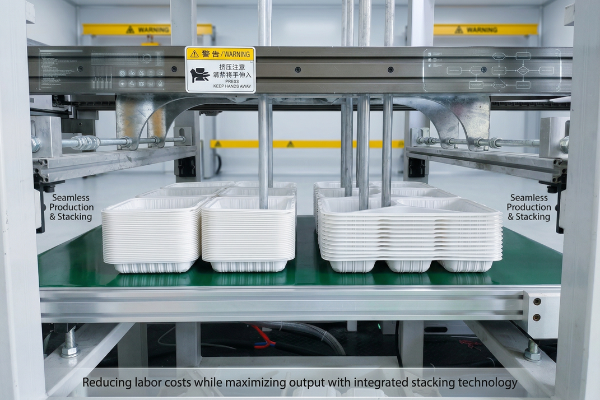
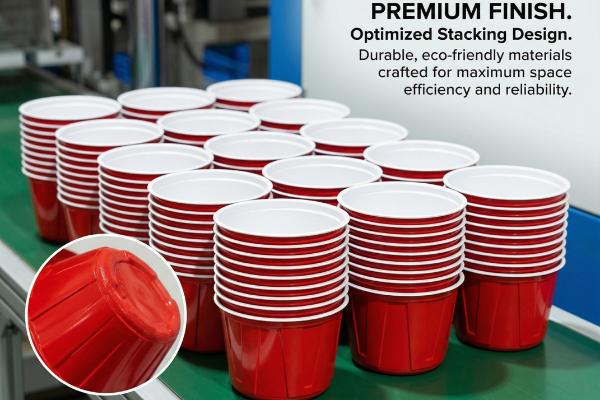
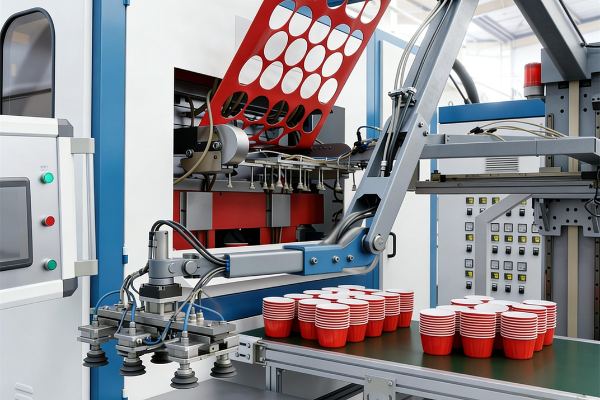
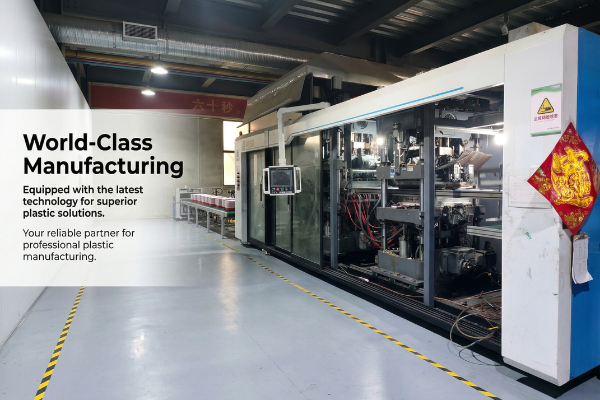
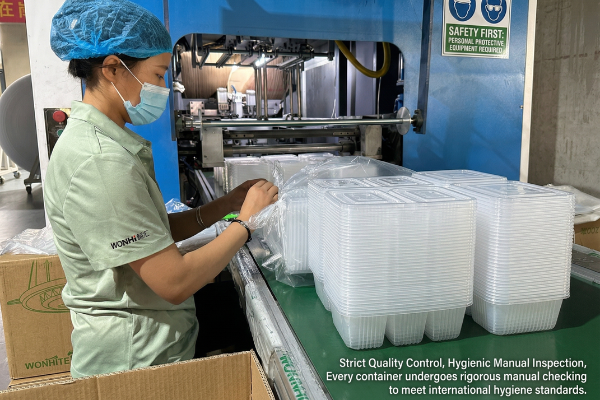
Soup Containers Factory

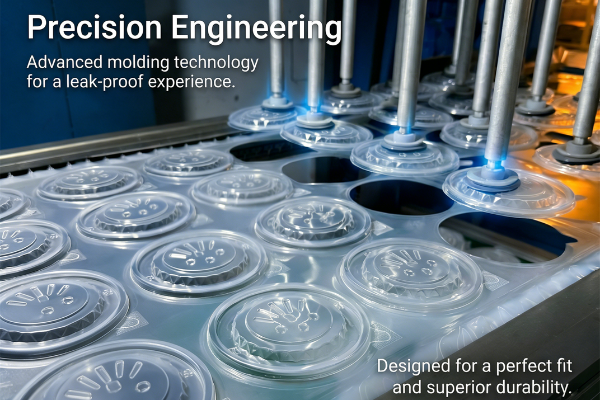
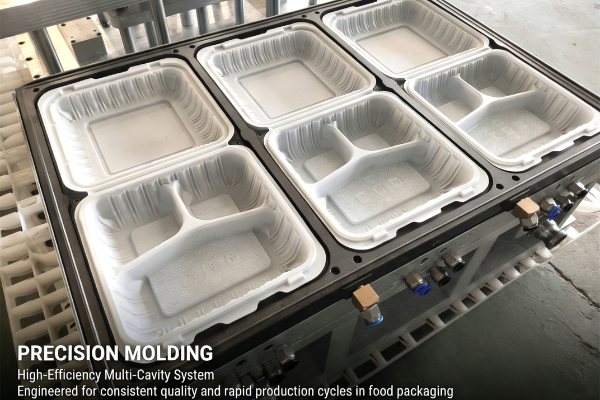
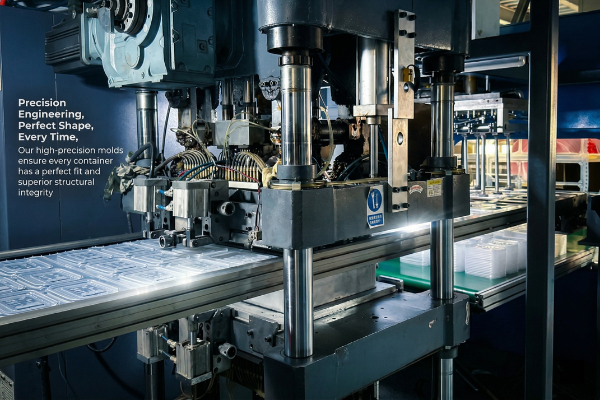
Leak-Proof Lid Design — How the Snap-Seal Rim Prevents Spills
Among operators who haul soup for takeout, leakage is cited most often as a concern-and nearly all of these leaks happen because of how the lid interacts with the container. Lids that just rest over the container rim depend on static friction, but steam pressure and movement in a takeout bag will compromise friction and push the lid up.
The Wanhui difference is in the seal.A snap channel molded into the rim of the lid creates a grip on the rolled edge of the container all around,so the seal relies on a positive lock instead of friction. The added-strength wall also keeps the container’s rim form-stable and circular under pressure, preventing it from becoming egg-shaped on the stack.
Pain → Cause → Solution → Proof
Pain
Problem:
hot soup leaks in a delivery bag,RUINED.
Cause
Reason:
Press-on lids lose integrity to internal steam pressure and jostling; the lid simply doesn’t hold well enough.
Solution
Solution:
full snap closure system plus ultra-thick sides mean a tight, leak proof mechanical lock on the rim.
Proof
Evidence:
A basic physical test is all you need. Fill a sample container to operating volume, snap on the lid, invert and observe carefully near the rim. Restaurateurs prefer this over flimsy paper or Styrofoam even for soup, citing what “feels like a better seal,” and “it’s more robust,” they explain.
“We went heavier on the plastic wall thickness for a reason. Just saying a cup is “leakproof” is misleading unless its rim is stiff. Under pressure, a weak rim deforms, compromising even the best lid seal.”
— Wanhui Engineering & Quality Team
How to Verify Leak Performance Before You Commit
-
Fill the container to the appropriate operating volume, and while watching the Rim line carefully, flip it and hold upside down for 60 seconds.
-
Heat the contents to close to boiling, then lid it, seal it and leave it sitting-the stress of steam pressure will demonstrate the best performers.
-
Place three filled containers inside a take-out bag and give them a short trip across the room,because delivery vibration always trips up the lids on press-Fit containers.
-
We ship free samples so that you can test these rather than taking a leap of faith on a label that boasts “leak-proof.” And container that stands up to all three test parameters will prevent the order behind it from suffering, and that’s where the cost equation comes in.
Soup Containers vs. Paper & Foam Alternatives — Performance Comparison
Paper, foam and rigide plastics are all good for holding hot soup-but each fails differently. We suggest that, instead of thinking which is “best” as a generic whole, you should consider which failure mode works within your menu and delivery radius.
| Attribute | Wanhui PP soup container | Kraft paper container | Foam (EPS) container |
|---|---|---|---|
| Lid seal | Full-rim snap-on lock | Press-fit, seam can wick | Loose press-fit |
| Microwave reheat | Yes (PP #5) | Limited, lining-dependent | Not recommended |
| Freezer to −18 °C | Yes | Yes | Yes |
| Content visibility | Clear PP option | None (opaque) | None (opaque) |
| Sidewall under stacking | Rigid, enhanced wall | Softens when hot/wet | Brittle, cracks |
| Recyclability | Recyclable as PP #5 | Recyclable / compostable varies | Difficult to recycle |
1 leak
One soup order on a meal delivered gone wrong equals a refund, a redo, a public 1-star review – a cost which is repetitive when a failing package has to deal with another shipment and where the cost for leakproof packages is less than fractions of a penny per container, a few cents less.
Kraft soup containers (or bagasse – its compostable cousin) excel in sustainable-story packaging and an optional insulating liner can keep product warm while paper holds up fine. Foam packages can be seen to save some money up front.Rigid PP, is only the solution where the entire order behind will have be sealed, visible, intact-which means virtually all liquids menu-items served by restaurant, which is why these are the defaults in those circumstances.
These calculations are cost of failure values, are derived from documented delivery-complaint records, though in each particular case may be greater or lesser.
Applications: Restaurants, Delivery, Canteens & Catering
So, with many different demands on container packages-the channel it is shipped/served from is key. What works fine in the dinning room and a 12 minuted delivery will cost significantly in 45 minutes of transit and stacked on other packages.
Where Wanhui Soup Containers Are Used
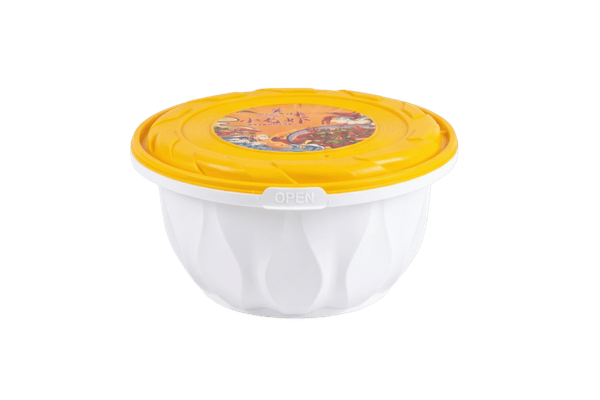
Those large restaurant chains commonly standardize on 12oz and 16oz serving sizes with their logo custom-printed on them to go back to the diner’s table to remain before them throughout the meal.
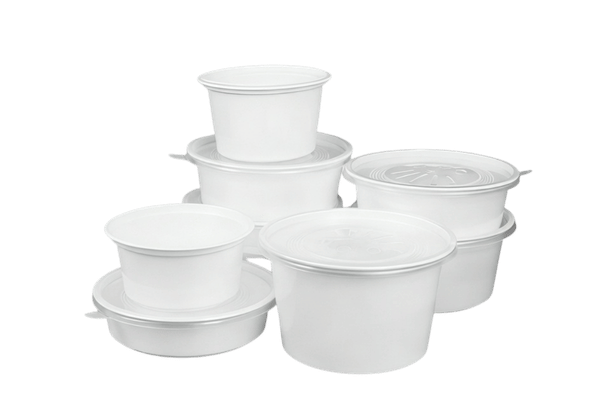
Food Delivery services and Ghost Kitchens require high 16 and 24 oz capacities in containers with secure snap closures that can stand to rough transit as well as the stacked weight of an entire food delivery order – it is here that packaging errors cost most.
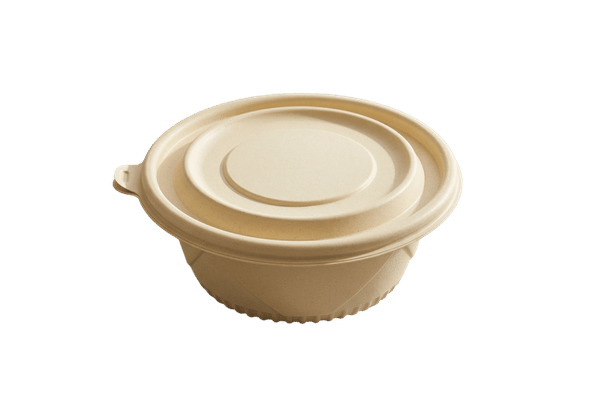
Canteen service in hospitals and school institutions rely on the carefully controlled capacities of 8- and 12oz sealed serving bowls because the contained order needs to be “food grade” traceable for institutions.
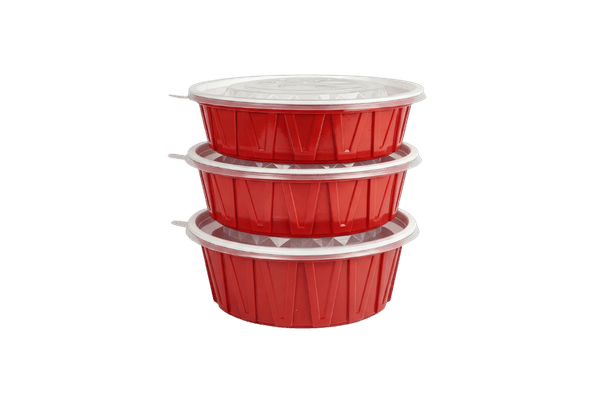
32oz quart containers are the standards at events and catering parties to serve soup stations, hot pot centers and family style dishes.
Food Safety Certifications & Compliance
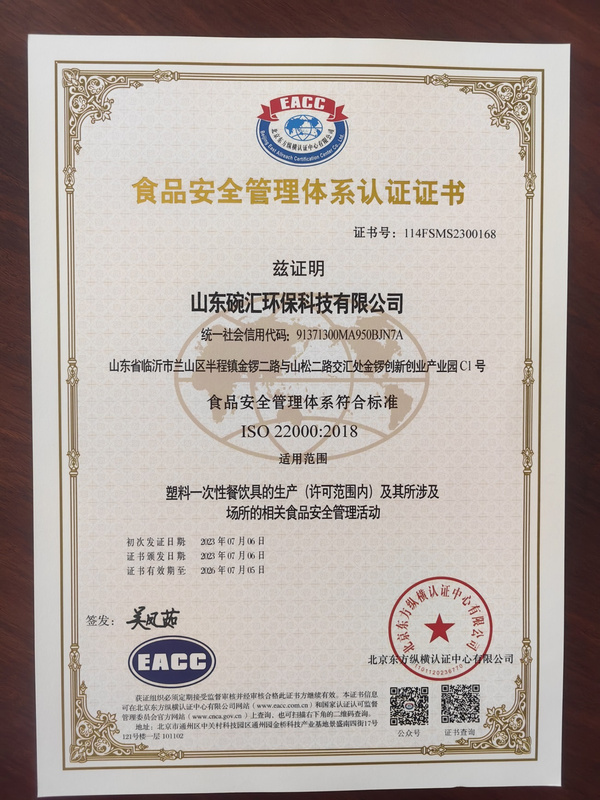
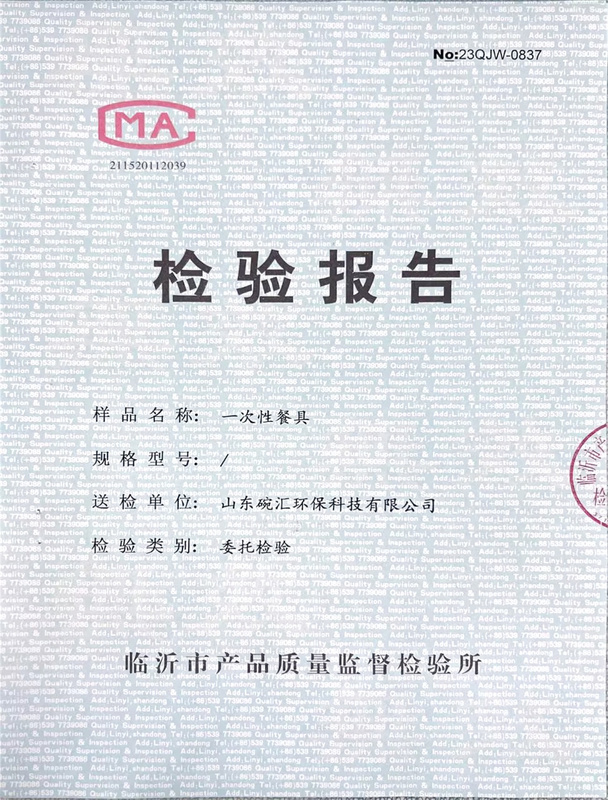
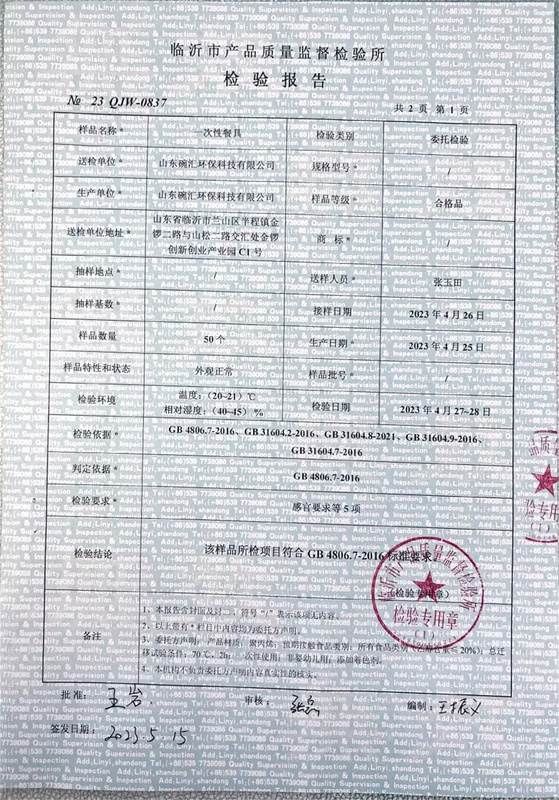
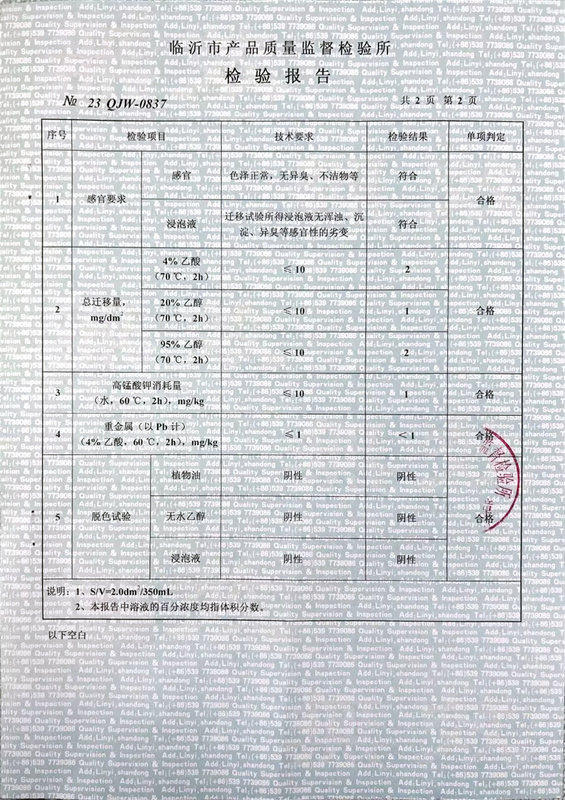
Overseas supplier is awarded foodservice account on paper, not promises. Wanhui makes great containers from raw ingredients that are approved for use with food and has passed ISO 22000:2018 food and ISO 9001:2015 quality management – that is exactly what buyers need for their supplier’s records.
ISO 22000:2018
Food safety management system certified
ISO 9001:2015
Quality management system certified
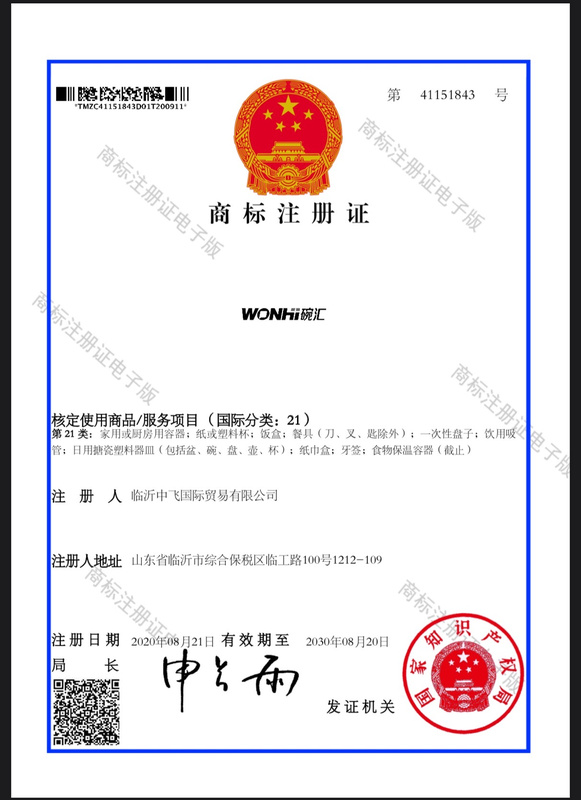
Production License
Licensed for plastic food packaging containers
Patents
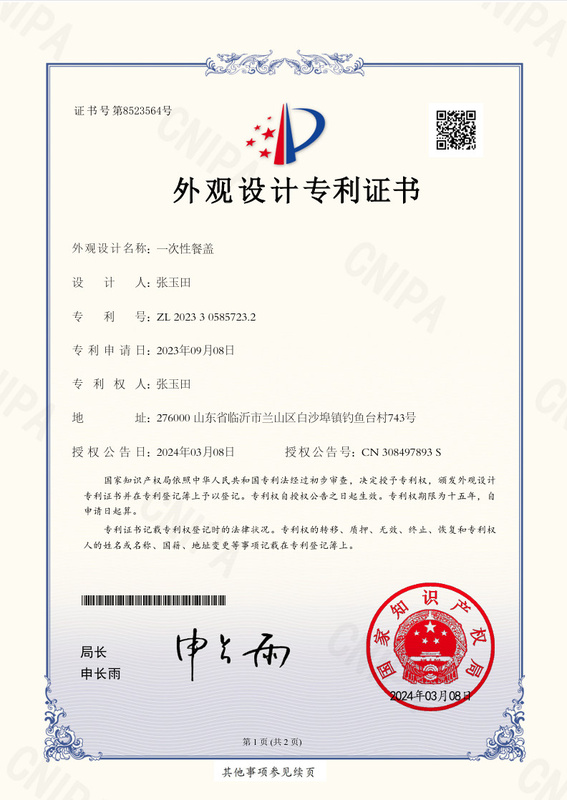
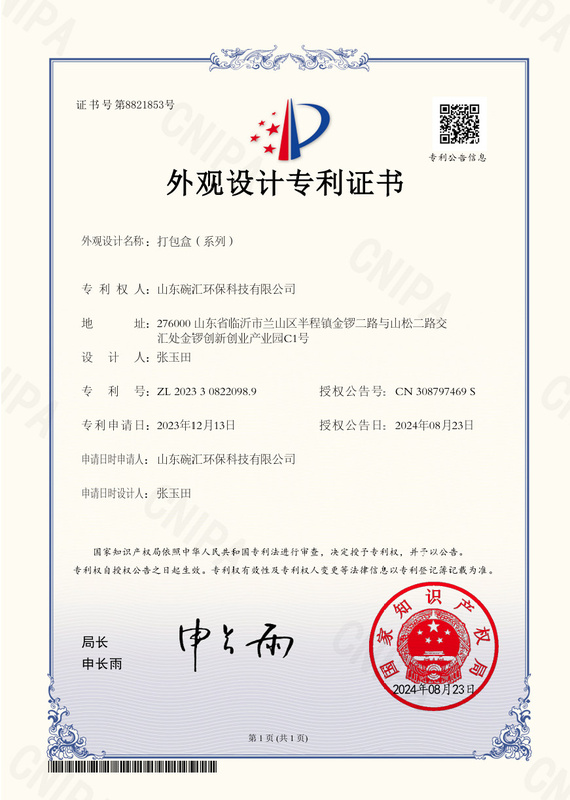
2 utility model patents — meal box & lid
Food-Grade PP
BPA-free, odorless polypropylene
Procurement Guide: MOQ, Custom Printing, Lead Time & Pricing
Buying disposable soup containers manufacturer-direct offers the buyer a completely different buying matrix than buying from an domestic intermediary retailer. Factory costs are lower, however total landed cost can vary hugely depending on the factors the quote must be structured around – so here’s what actually affects.
Pricing Factors Framework
-
Volume and Wall Specification:
Medium with a 1mm wall is always the most economical – even compared with thinner walls – but any increase in wall should be compensated by a significant increase in volume.
-
Order Volume:
A fully-container-load order has very different pricing than one comprising a trial quantity per unit.
-
Custom Print & Mold:
Stock clear or black, cheapest: printed lid requires tooling; custom mold is a set-up charge. The mold can later be reused.
-
Color / Material:
Clear and black PP are the base color, specialty options will alter quote price.
-
Logistics:
It’s the sea-freight costs plus destination duties that determine landed cost – that is why the difference between FOB / Ex works prices is so often discussed.
Soup Container Specification & Procurement Tools
Size Selector
Designed for restaurant chains and distributors. Input your target capacity and packaging needs to accurately match the perfect disposable soup container size for your business.
Start Sizing Now →Quantity Calculator
A bulk ordering calculator for your supply chain. Input your estimated usage cycle to determine the optimal carton quantities and MOQs, optimizing storage and logistics costs.
Calculate Volume →Spec Comparator
A side-by-side technical data comparison tool. Quickly evaluate heat resistance, leak-proof ratings, and eco-friendly materials to accelerate your procurement decisions.
Compare Specs →Get Disposable Soup Containers That Arrive Sealed
Manufacturer-direct soup containers in 8-32 oz, leak-resistant, microwave- and freezer-safe, food-grade validation. Request samples, or send us your specification for a bulk quotation.
FAQ — Disposable Soup Containers
The snap-on, full perimeter lid, locks into the container rim by mechanism, with the enhanced wall thickness holding the rim at a consistent shape when stacked. The free samples would run an inversion/hot fill test before you would lock into production as well as it’s been tested for that exact purpose!
Five stocked sizes: 8 oz, 12 oz, 16 oz, 24 oz and 32 oz, each available clear or black food-grade PP matched lid family.
Yes. They are polypropylene (resin #5) which can take blow dry reheating in foodservice applications and even stand up to freezer storage to minus 18°C (0°F). Use the containers for short reheat, not sustained oven heat.
Yes. They are food-grade, BPA free, odorless polypropylene containers. Like all food plastics they are Food-contact polypropylene resin is classified by the FDA as 21 CFR 177.1520, and Wanhui has the required food safety and quality management system registrations.
Good question – and most end customers ask it of us. U.S. FDA food-contact-approved #5 PP is what foodservice operators have selected in the first place, and Wanhui’s containers are BPA free. Heat reheat via brief bursts with vented lid on.
Yes. We do custom ink-brand printing and custom mold development for all our customers, on every order. A printed lids set-up cost may add a rounding-up number to your quote for the mold tooling, but a simple custom mold is one flat fee for repeat high volumes.
MOQ and lead time vary according to a simple rule of thumb – the size, volume, and size of any stock orders versus custom orders. Send your required container size, volume, and material requirements, and our team reverts with a complete quote.
Lids are available in a small number of sizes grouped by a few common lid diameters. Adjacent, compatible sizes do not necessarily require their own lid. Confirm the exact lid options when you request a quote.
Yes! They are polypropylene, which can be recycled as resin code #5, wherever the local community can find sustainable postconsumer recovery options. Recycling options for PP vary industry to community.
Containers and matched lids ship in heavy-duty bulk cartons built for logistics and storage. Your carton quantities per size are confirmed in your quote.