Póngase en contacto con la empresa Wanhui

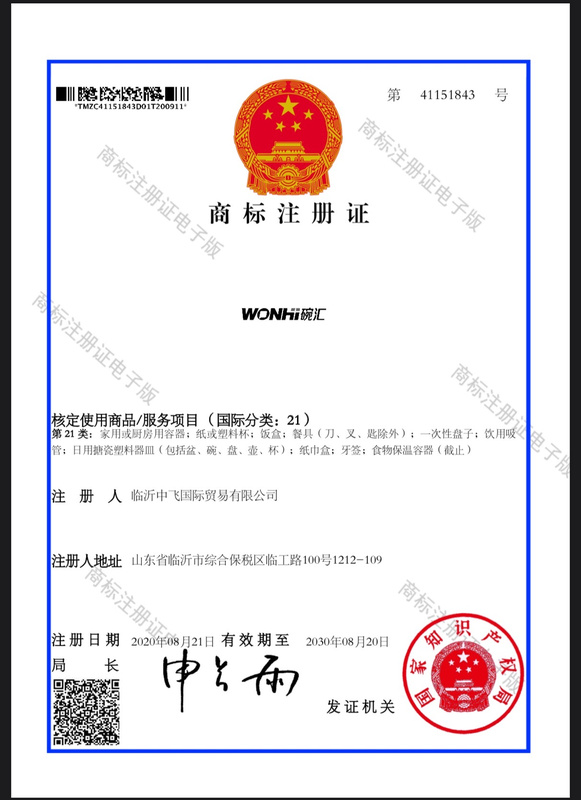
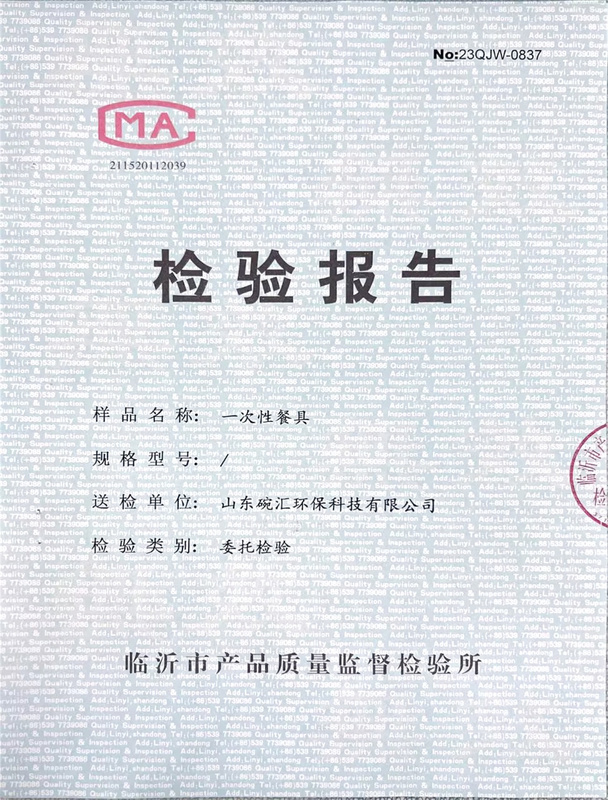
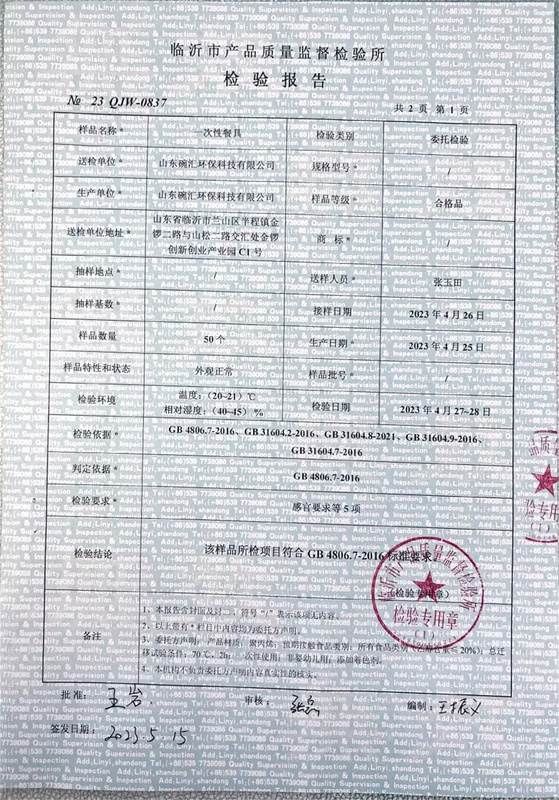
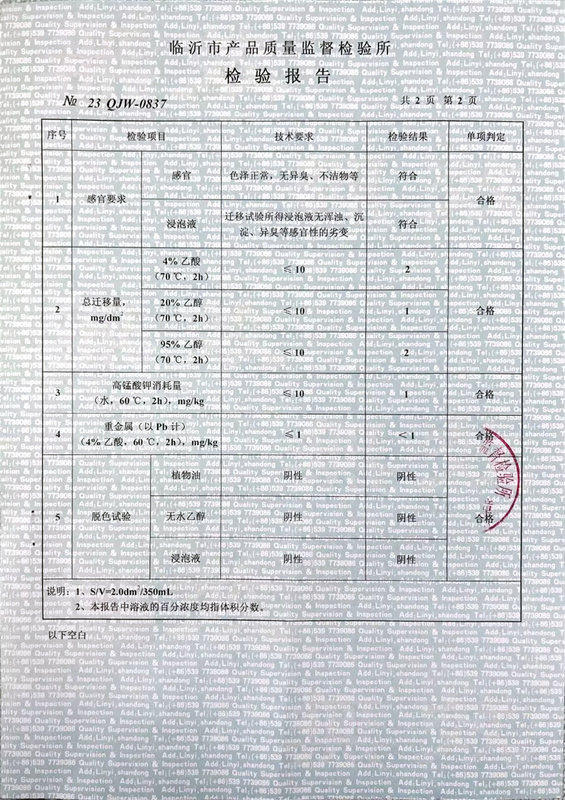
CERTIFICADO ISO 9001 Y SGS
Contenedores de sopa
Recipientes desechables para sopa « 8 oz-32 oz de tazones redondos a prueba de fugas | Wanhui
Gracias a nuestros recipientes de sopa redondos directos del fabricante con tapas a presión resistentes a fugas, diseñados para que el caldo caliente llegue a su cliente sellado, no derramado por la bolsa de entrega.
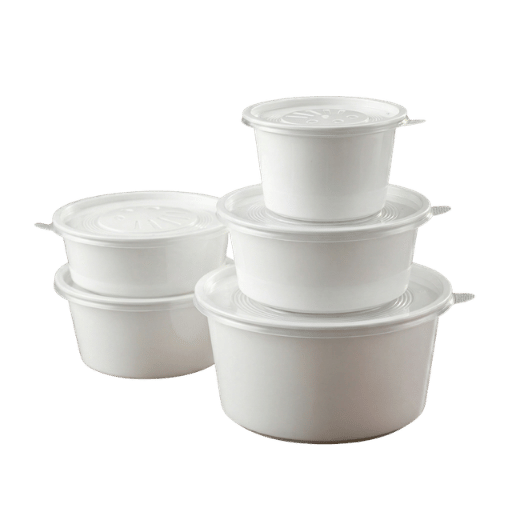
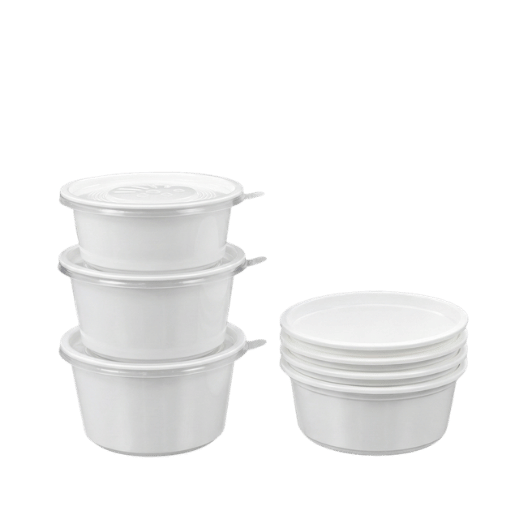
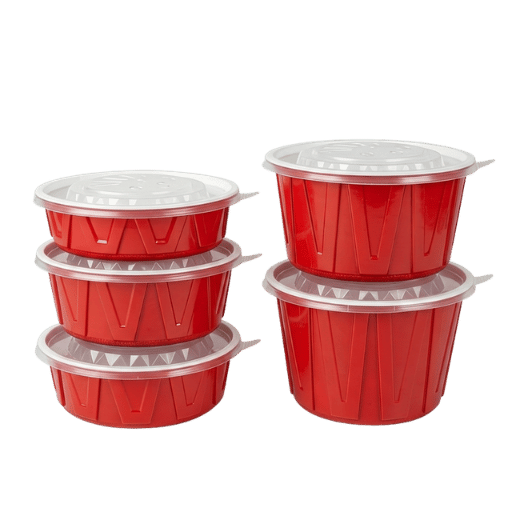
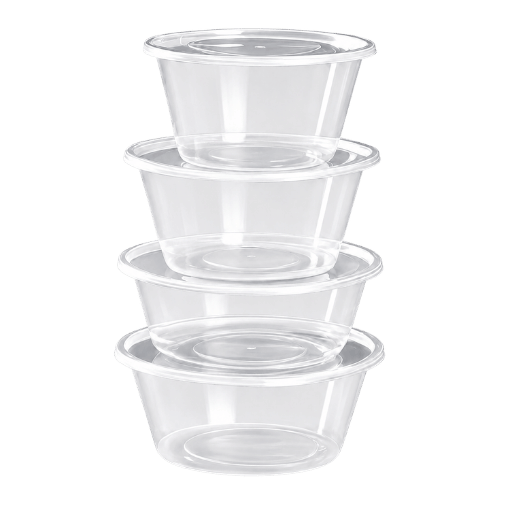
8-32 oz
Cinco tamaños almacenados
PP #5
Polipropileno de calidad alimentaria
Encajado
Sello de llanta resistente a fugas
Microondas
Refrescar y congelar de forma segura
20 años
Fabricante de envases
OEM
Impresión y molde personalizados
El problema de la comida para llevar con sopa « Fugas, grietas y tapas que no coinciden
Los recipientes de sopa desechables, también conocidos como tazas de sopa o un plato de sopa con tapa, son tazas redondas y cubiertas que se utilizan para transportar sopa fría o caliente. Desde la cocina hasta la mano de su cliente ‘¡Un pedido de derrames de sopa siempre presenta grandes problemas! La mejor manera de evitar una reseña de una estrella es llevar los alimentos fríos y calientes por separado ‘necesita tazas de sopa confiables para llevar.
Y los repartidores lo saben todo, y uno en un foro de servicios de alimentos publica: “en el momento en que quitas esa tapa (si es que salió del restaurante), *se derramará -ñon y también podrá recibir otros pedidos. una vez que se suelta en una bolsa caliente”, publicó un conductor en un foro de servicios de alimentos. Una tapa deficiente nunca es el único gasto.
NÚMERO 01

Cuando hay presión en la bolsa, empuja la tapa de ajuste a presión y se desprende. La tapa que explota es el tipo de falla de bolsa más frecuente durante el transporte.
NÚMERO 02

las paredes laterales se deforman cuando se apilan, la pared se rompe en la base mientras está llena de material caliente
NÚMERO 03

el inventario de proveedores mixtos hace que un contenedor sin una tapa adecuada sea la pesadilla de tapa no coincidente de cualquier despensa de múltiples proveedores bien equipada.
Los contenedores de sopa Wanhui se entregan en tres tapas a presión que se adaptan a todo el borde, una pared engrosada para soportar la presión del apilamiento y una familia de tapas unificada en su tamaño. Dado que el mercado de entrega de alimentos es sustancial y está aumentando de tamaño (los desechables del servicio global de alimentos alcanzaron un valor cercano a los 73 mil millones de dólares en 2024), la diferencia entre la integridad del contenedor o no puede traducirse en muchos pedidos en el futuro.
DATA_LINK // ESPECIFICACIONES
Contenedores de sopa desechables Wanhui «Tamaños (8-32 oz)
Comprar una talla única es dos veces más costoso porque porciones extragrandes se envían por vía aérea, mientras que las porciones escasas parecen escasas. Haga coincidir el contenedor con el tamaño de su porción, esa es la decisión número uno al hacer esta hoja de trucos.
01
8 oz
¦ 237 ml
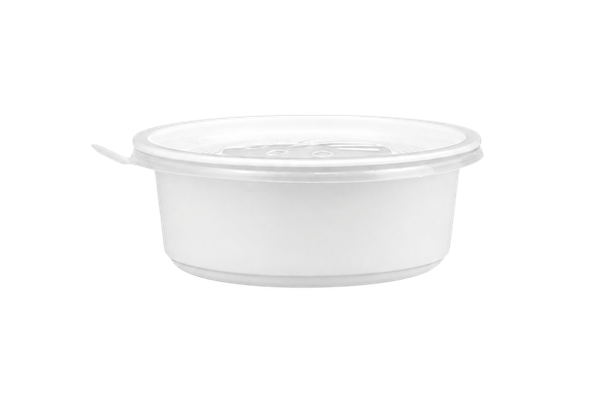
Guarniciones, caldos, salsas y salsas. Porción única para comidas combinadas.
02
12 oz
¦ 355 ml

Sopa del tamaño de una taza, sopa de arroz y sopas pequeñas. Almuerzo individual.
03
16 oz
¦ 473 ml

Sopa de entrada estándar, caldo de ramen y ensaladas para llevar.
04
24 oz
¦ 710 ml

Sopa grande, tazones de fideos y guisos abundantes para una comida completa.
05
32 oz
¦ 946 ml
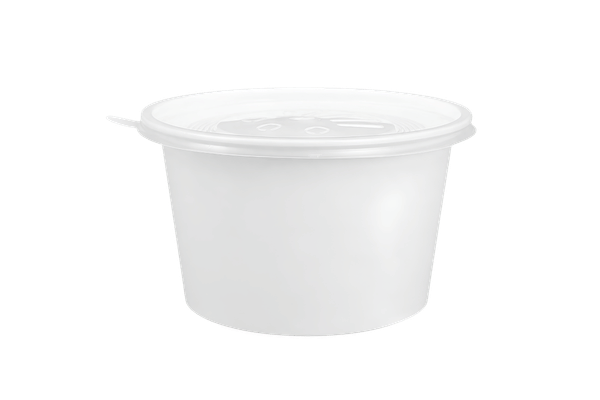
Porciones a granel y para compartir, base para ollas calientes, cuartos de catering.
Envíe contenedores de sopa de todos los tamaños con tapas, transparentes para ver el contenido o negros para una presentación de venta adicional. Wanhui ha almacenado contenedores de sopas con tapas como juego, lo que garantiza que la comida para llevar no venga con la tapa incorrecta, mientras que los contenedores vacíos y encajables se juntan para ahorrar espacio entre servicios. Las tapas están catalogadas como pequeñas y felices de diámetro familiar 1. Una cocina con tres tamaños de contenedores diferentes no necesita almacenar tres familias de tapas únicas.
Matriz de decisión « Tamaño por aplicación
| Tamaño [VOL] | Relleno típico | Uso más adecuado | Perfil de pila |
|---|---|---|---|
| 8 oz | Porción de media taza | Guarniciones, salsas, salsas | Bandejas combinadas bajas |
| 16 oz | Sopa de taza completa | Restaurante y entrega de sopa de entrada | Standard « mayor demanda |
| 12 oz | Copa de tres cuartos | Congee, sopa ligera para el almuerzo | Contadores de café bajos |
| 24 oz | Pinta plus | Sopa de fideos, guiso familiar | Alto « de una sola comida |
| 32 oz | Cuarto | Catering, olla caliente, compartir | Transporte a granel alto |
En la gran mayoría de los menús de restaurantes o entregas, el contenedor de 16 oz obtiene el volumen más pedido de cualquier opción, por lo que es el tamaño #1 para verificar en cualquier solicitud de cotización que se proporcione. Esas opciones de tamaño dictan su próximo paso para definir cómo su contenedor resiste los rigores del tránsito.
Comparación de especificaciones: capacidad, resistencia del sello de la tapa y tolerancia a la temperatura
De hecho, las páginas de muchos proveedores ofrecerán un precio y un tamaño y ese es el final. Un consumidor que busca comprar envases de sopa desechables necesita tres números, yuxtapuestos, en exhibición ’debería tener capacidad, tapa apretada y límites de temperatura, porque son esos números los que indicarán su probable desempeño en el refrigerador, el congelador y en una bolsa de entrega.
| Tamaño | Capacidad | Tipo de sello de tapa | Rango de temperatura | Material |
|---|---|---|---|---|
| 8 oz | ¦ 237 ml | Snap-on de borde completo | «18 °C para recalentar microondas | Pp transparente/negro |
| 12 oz | ¦ 355 ml | Snap-on de borde completo | «18 °C para recalentar microondas | Pp transparente/negro |
| 16 oz | ¦ 473 ml | Snap-on de borde completo | «18 °C para recalentar microondas | Pp transparente/negro |
| 24 oz | ¦ 710 ml | Snap-on de borde completo | «18 °C para recalentar microondas | Pp transparente/negro |
| 32 oz | ¦ 946 ml | Snap-on de borde completo | «18 °C para recalentar microondas | Pp transparente/negro |
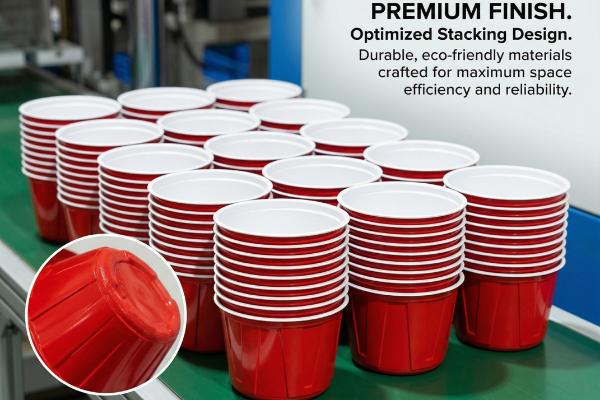
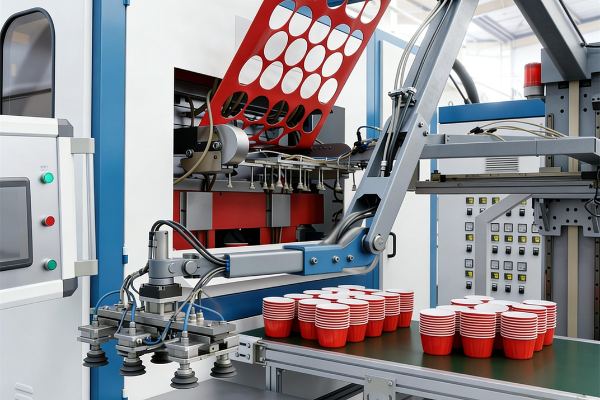
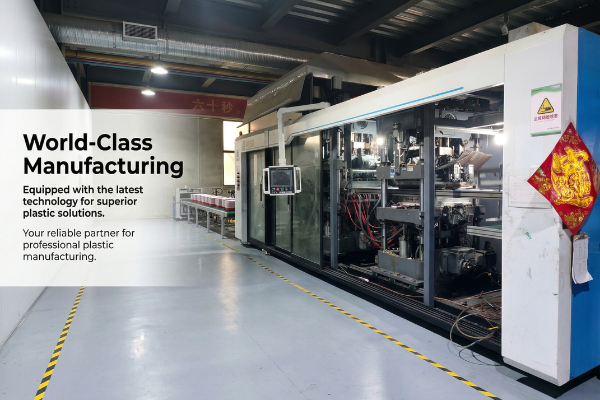
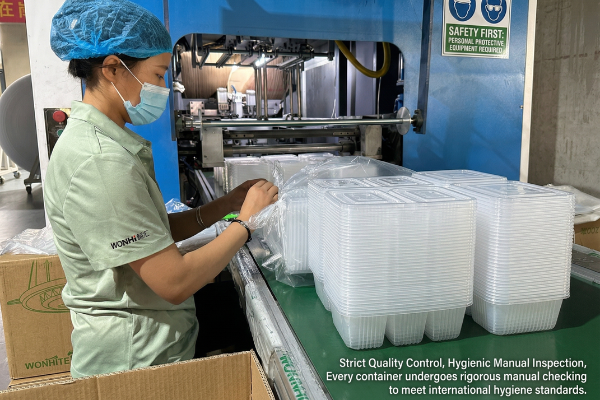
Fábrica de contenedores de sopa
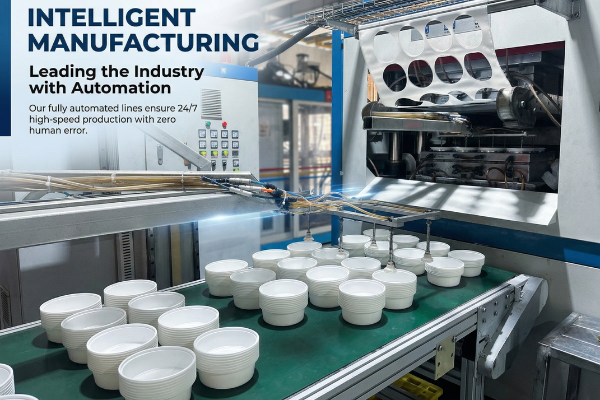
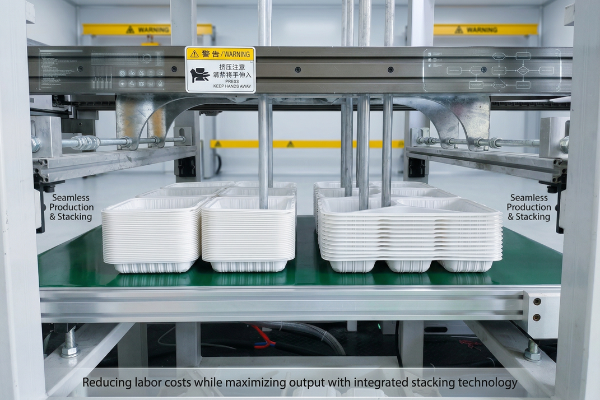


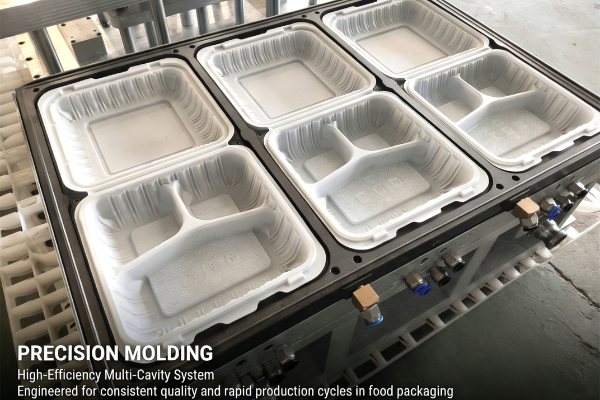
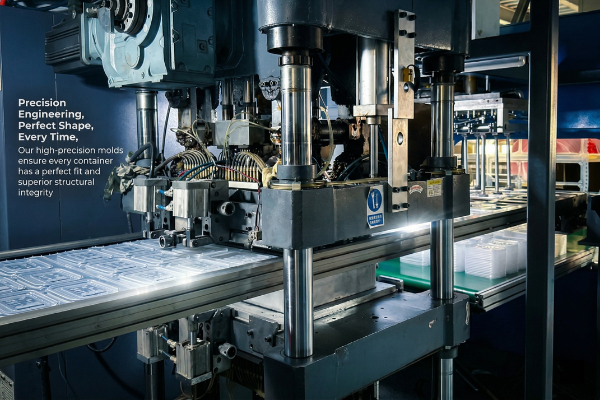
Diseño de tapa a prueba de fugas « Cómo el borde Snap-Seal evita derrames
Entre los operadores que transportan sopa para llevar, las fugas se citan con mayor frecuencia como una preocupación, y casi todas estas fugas ocurren debido a cómo interactúa la tapa con el recipiente. Las tapas que simplemente descansan sobre el borde del recipiente dependen de la fricción estática, pero la presión del vapor y el movimiento en una bolsa para llevar comprometerán la fricción y empujarán la tapa hacia arriba.
La diferencia de Wanhui está en el sello. Un canal a presión moldeado en el borde de la tapa crea un agarre en el borde enrollado del recipiente alrededor, por lo que el sello depende de un bloqueo positivo en lugar de fricción. La pared de mayor resistencia también mantiene el borde del recipiente estable y circular bajo presión, evitando que tenga forma de huevo en la pila.
Dolor → Causa → Solución → Prueba
Dolor
Problema:
la sopa caliente gotea en una bolsa de entrega, ARRUINADO.
Causa
Razón:
Las tapas a presión pierden integridad debido a la presión interna del vapor y a los empujones; la tapa simplemente no se sujeta lo suficientemente bien.
Solución
Soluție:
el sistema de cierre a presión completo y los lados ultragruesos significan un bloqueo mecánico hermético y a prueba de fugas en la llanta.
Prueba
Evidencia:
Todo lo que necesitas es una prueba física básica. Llene un recipiente de muestra hasta alcanzar el volumen operativo, encaje en la tapa, invierta y observe cuidadosamente cerca del borde. Los restauradores prefieren esto al papel endeble o al poliestireno incluso para la sopa, citando lo que “se siente como un mejor sello” y “es más robusto”, explican.
“Por una razón, hicimos más pesado con el espesor de la pared de plástico. Simplemente decir que una taza es “a prueba de fugas” es engañoso a menos que su borde sea rígido. Bajo presión, un borde débil se deforma, comprometiendo incluso el mejor sello de la tapa”
« Equipo de Ingeniería y Calidad de Wanhui
Cómo verificar el rendimiento de las fugas antes de comprometerse
-
Llene el contenedor al volumen operativo adecuado y, mientras observa atentamente la línea Rim, gírelo y manténgalo boca abajo durante 60 segundos.
-
Caliente el contenido hasta que esté a punto de hervir, luego taparlo, sellarlo y déjelo reposar; el estrés de la presión del vapor demostrará los mejores resultados.
-
Coloque tres contenedores llenos dentro de una bolsa para llevar y déles un corto recorrido por la habitación, porque la vibración de la entrega siempre sube por las tapas de los contenedores plegables.
-
Enviamos muestras gratuitas para que pueda probarlas en lugar de dar un acto de fe en una etiqueta que se jacta de ser “a prueba de fugas”. Y un contenedor que cumpla con los tres parámetros de prueba evitará que el orden detrás de él se vea afectado, y ahí es donde entra en juego la ecuación de costos.
Contenedores de sopa versus alternativas de papel y espuma « Comparación de rendimiento
El papel, la espuma y los plásticos rígidos son buenos para contener sopa caliente, pero cada uno falla de manera diferente. Sugerimos que, en lugar de pensar cuál es el “mejor” como un todo genérico, debería considerar qué modo de falla funciona dentro de su menú y radio de entrega.
| Atributo | Envase de sopa Wanhui PP | Contenedor de papel Kraft | Contenedor de espuma (EPS) |
|---|---|---|---|
| Sello de tapa | Bloqueo a presión de borde completo | Ajuste a presión, la costura puede mecha | Ajuste a presión flojo |
| Recalentamiento por microondas | Da (PP #5) | Limitado, dependiente del revestimiento | No recomendado |
| Congelador a -18 °C | Sí | Sí | Sí |
| Visibilidad del contenido | Borrar opción PP | Ninguno (opaco) | Ninguno (opaco) |
| Pared lateral bajo apilamiento | Pared rígida y mejorada | Se suaviza cuando está caliente/húmedo | Quebradizas, grietas |
| Reciclabilidad | Reciclable como PP #5 | Reciclable/compostable varía | Difícil de reciclar |
1 fuga
Un pedido de sopa en una comida entregada que salió mal equivale a un reembolso, una rehacer, una revisión pública de 1 estrella, un costo que es repetitivo cuando un paquete defectuoso tiene que lidiar con otro envío y donde el costo de los paquetes a prueba de fugas es menor que fracciones. de un centavo por contenedor, unos centavos menos.
Los recipientes de sopa Kraft (o bagazo ñonero, su primo compostable) destacan en envases de historia sostenible y un revestimiento aislante opcional puede mantener el producto caliente mientras el papel se mantiene bien. Se puede ver que los paquetes de espuma ahorran algo de dinero por adelantado. El PP rígido es sólo la solución donde todo el pedido detrás habrá sido sellado, visible e intacto, lo que significa prácticamente todos los elementos del menú de líquidos servidos por el restaurante, razón por la cual estos son los valores predeterminados en esas circunstancias.
Estos cálculos son valores de costo de falla, se derivan de registros documentados de entrega-queja, aunque en cada caso particular pueden ser mayores o menores.
Aplicaciones: Restaurantes, Entrega, Comedores y Catering
Entonces, con muchas demandas diferentes sobre los paquetes de contenedores, el canal desde el que se envía/sirve es clave. Lo que funciona bien en el comedor y una entrega de 12 minutos costará significativamente en 45 minutos de tránsito y se apilará en otros paquetes.
Donde se utilizan los recipientes de sopa Wanhui
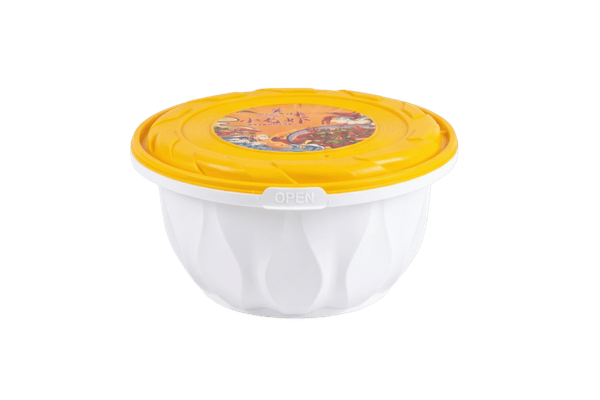
Esas grandes cadenas de restaurantes comúnmente estandarizan los tamaños de porciones de 12 y 16 oz con su logotipo impreso a medida para regresar a la mesa del comensal y permanecer ante ellos durante toda la comida.
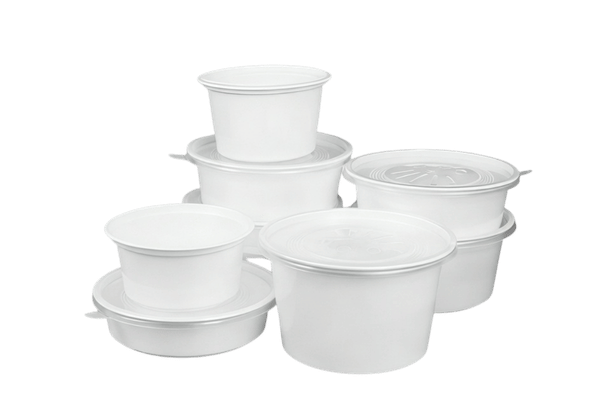
Los servicios de entrega de alimentos y las cocinas fantasma requieren altas capacidades de 16 y 24 oz en contenedores con cierres a presión seguros que pueden soportar un tránsito brusco, así como el peso apilado de un pedido completo de entrega de alimentos 1, es aquí donde los errores de empaque cuestan más.
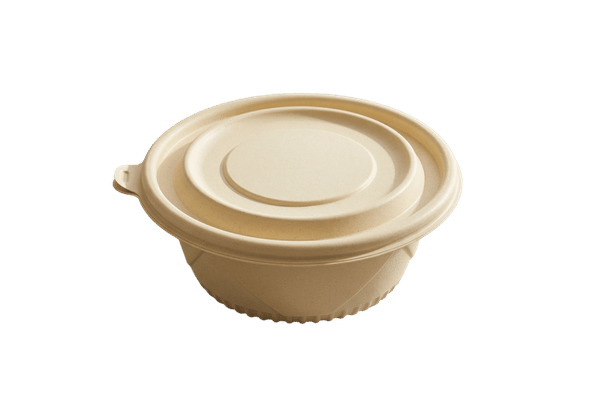
El servicio de cantina en hospitales e instituciones escolares depende de las capacidades cuidadosamente controladas de los tazones sellados de 8 y 12 onzas porque el orden contenido debe ser rastreable para las instituciones en “grado alimentario”.
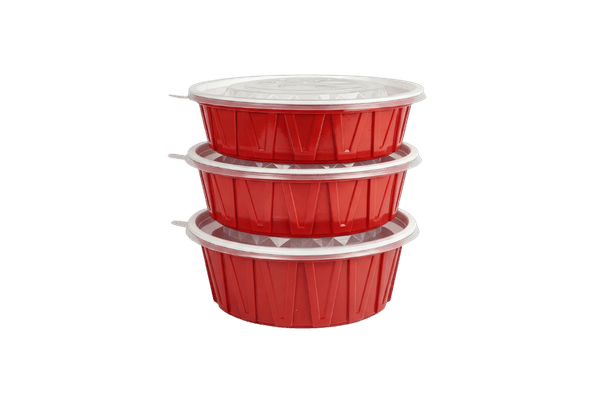
Los contenedores de 32 oz son los estándares en eventos y fiestas de catering para servir estaciones de sopa, centros de ollas calientes y platos de estilo familiar.
Certificaciones y cumplimiento de seguridad alimentaria
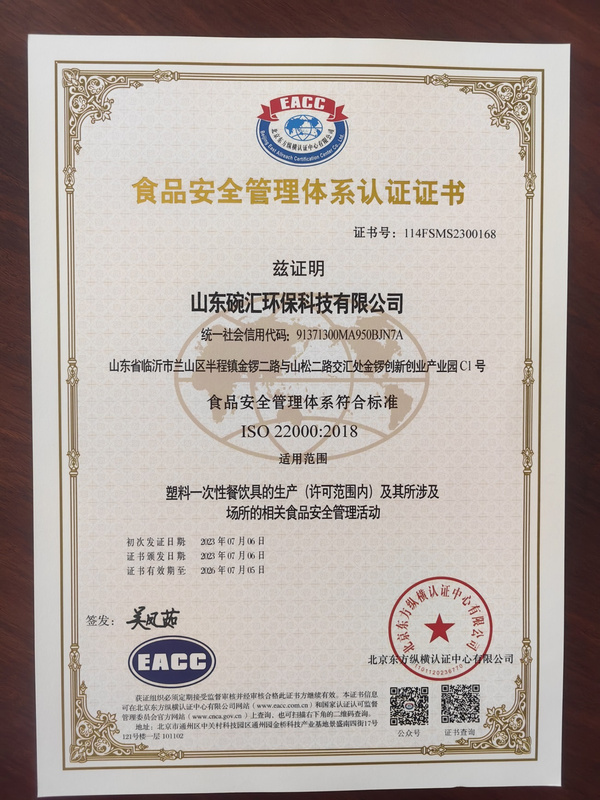
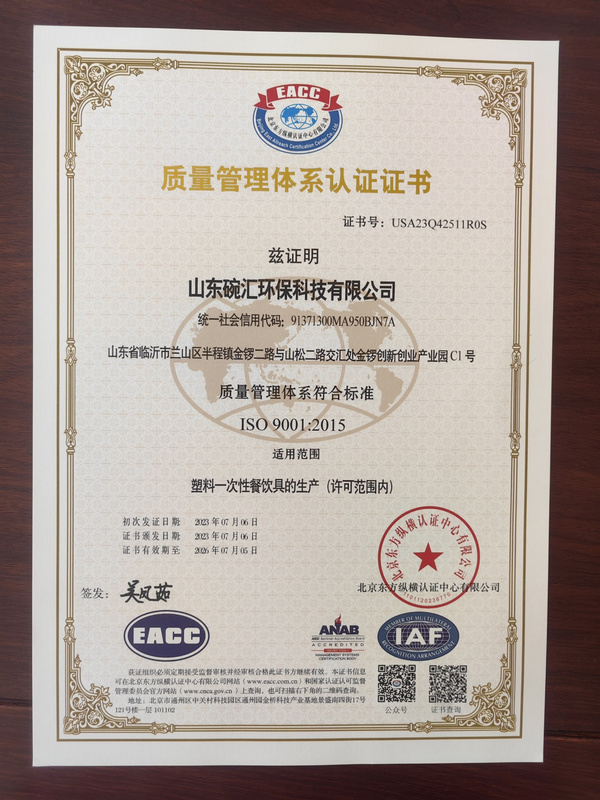
El proveedor extranjero recibe una cuenta de servicio de alimentos en papel, no promesas. Wanhui fabrica excelentes envases a partir de ingredientes crudos aprobados para su uso con alimentos y ha aprobado la gestión de calidad ISO 22000:2018 y ISO 9001:2015 «eso es exactamente lo que los compradores necesitan para los registros de sus proveedores.
ISO 22000:2018
Certificado del sistema de gestión de seguridad alimentaria
ISO 9001:2015
Sistema de gestión de calidad certificado
Licencia de producción
Con licencia para envases de plástico para envases de alimentos
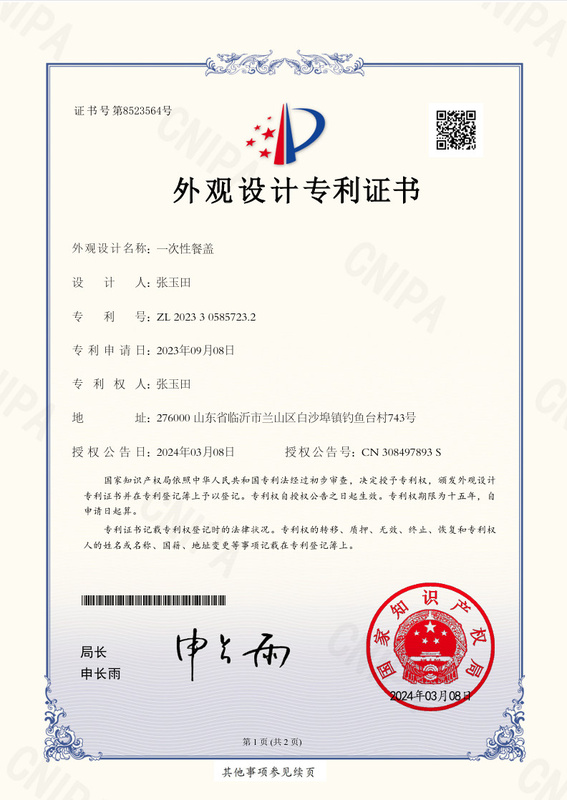
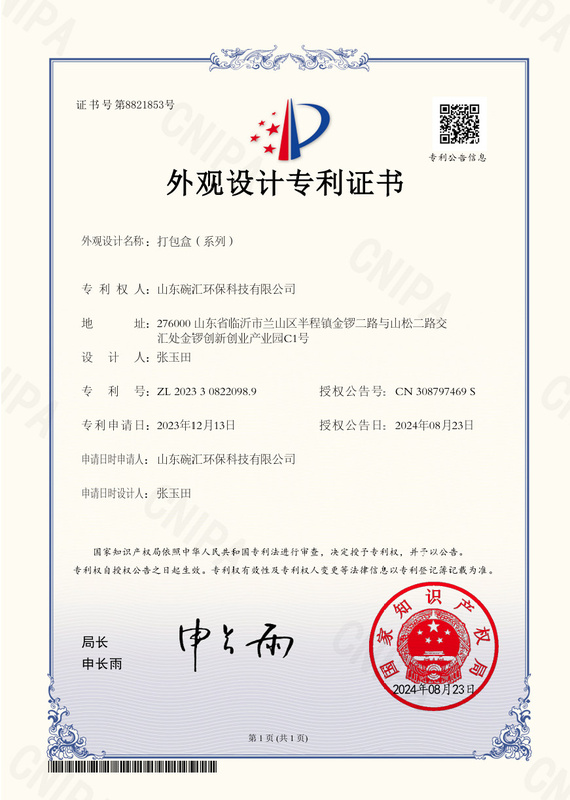
Patentes
2 patentes de modelos de utilidad « caja y tapa de comida
Pp de calidad alimentaria
Polipropileno inodoro y sin BPA
Guía de adquisiciones: MOQ, impresión personalizada, plazo de entrega y precios
Comprar envases de sopa desechables directamente por el fabricante ofrece al comprador una matriz de compra completamente diferente a la de comprar en un minorista intermediario nacional. Los costos de fábrica son más bajos, sin embargo, el costo total de aterrizaje puede variar enormemente dependiendo de los factores en los que la cotización debe estructurarse en torno a ñan, así que esto es lo que realmente afecta.
Marco de factores de precios
-
Especificación de volumen y pared:
El medio con una pared de 1 mm es siempre el más económico -ñivel en comparación con paredes más delgadas -, pero cualquier aumento de pared debe compensarse con un aumento significativo de volumen.
-
Volumen de pedido:
Un pedido con carga completa de contenedor tiene precios muy diferentes a uno que comprende una cantidad de prueba por unidad.
-
Impresión y molde personalizados:
Stock transparente o negro, el más barato: la tapa impresa requiere herramientas; El molde personalizado es un cargo de instalación. El molde se puede reutilizar posteriormente.
-
Color/material:
El PP transparente y negro son el color base, las opciones especiales alterarán el precio de cotización.
-
Logística:
Son los costos de transporte marítimo más los derechos de destino los que determinan el costo en tierra. Es por eso que la diferencia entre los precios FOB / Ex Works se discute con tanta frecuencia.
Especificaciones de contenedores de sopa y herramientas de adquisición
Selector de tallas
Diseñado para cadenas de restaurantes y distribuidores. Ingrese su capacidad objetivo y sus necesidades de empaque para igualar con precisión el tamaño perfecto de contenedor de sopa desechable para su negocio.
Comience a dimensionar ahora →Calculadora de cantidades
Una calculadora de pedidos al por mayor para su cadena de suministro. Ingrese su ciclo de uso estimado para determinar las cantidades óptimas de cartón y MOQ, optimizando los costos de almacenamiento y logística.
Calcular volumen →Comparador de especificaciones
Una herramienta de comparación de datos técnicos lado a lado. Evalúe rápidamente la resistencia al calor, las clasificaciones a prueba de fugas y los materiales ecológicos para acelerar sus decisiones de adquisición.
Comparar especificaciones →Obtenga recipientes de sopa desechables que lleguen sellados
Contenedores de sopa directos del fabricante en validación de calidad alimentaria, resistentes a fugas, aptos para microondas y congeladores, de 8 a 32 oz. Solicite muestras o envíenos su especificación para una cotización masiva.
Preguntas frecuentes “Contenedores de sopa desechables
La tapa perimetral completa a presión se bloquea en el borde del contenedor mediante un mecanismo, y el espesor de pared mejorado mantiene el borde en una forma consistente cuando se apila. ¡Las muestras gratuitas ejecutarían una prueba de inversión/relleno en caliente antes de que usted se fijara en producción y se probaron exactamente para ese propósito!
Cinco tamaños de existencias: 8 oz, 12 oz, 16 oz, 24 oz y 32 oz, cada uno disponible en familia de tapas a juego de PP de calidad alimentaria transparente o negro.
Sí. Son polipropileno (resina #5) que puede soportar el recalentamiento por secado al agua en aplicaciones de servicio de alimentos e incluso resistir el almacenamiento en congelador a -18°C (0°F). Utilice los recipientes para recalentamiento breve, no para calor sostenido del horno.
Sí. Son recipientes de polipropileno inodoros, libres de BPA y de calidad alimentaria. Como todos los plásticos alimentarios, son resina de polipropileno en contacto con alimentos, clasificada por la FDA como 21 CFR 177.1520, y Wanhui tiene los registros requeridos del sistema de gestión de calidad y seguridad alimentaria.
Buena pregunta -ñan y la mayoría de los clientes finales nos la hacen. #5 PP aprobado por contacto con alimentos de la FDA de EE. UU. es lo que los operadores de servicios de alimentos han seleccionado en primer lugar, y los contenedores de Wanhui no contienen BPA. Caliente el recalentamiento mediante breves ráfagas con la tapa ventilada puesta.
Sí. Realizamos impresión personalizada de marcas de tinta y desarrollo de moldes personalizados para todos nuestros clientes, en cada pedido. Un costo de configuración de tapas impresas puede agregar un número de redondeo a su cotización para las herramientas del molde, pero un molde personalizado simple es una tarifa fija por volúmenes altos repetidos.
La cantidad mínima de pedido y el tiempo de entrega varían según una simple regla general: el tamaño, el volumen y el tamaño de cualquier pedido en stock versus los pedidos personalizados. Envíe el tamaño, el volumen y los requisitos de material requeridos del contenedor, y nuestro equipo lo revertirá con una cotización completa.
Las tapas están disponibles en una pequeña cantidad de tamaños agrupados por unos pocos diámetros de tapa comunes. Los tamaños adyacentes y compatibles no requieren necesariamente su propia tapa. Confirme las opciones exactas de tapa cuando solicite una cotización.
¡Sí! Son polipropileno, que se puede reciclar como código de resina #5, dondequiera que la comunidad local pueda encontrar opciones sostenibles de recuperación posconsumo. Las opciones de reciclaje de PP varían de una industria a otra.
Los contenedores y las tapas a juego se envían en cajas de cartón pesadas construidas para logística y almacenamiento. Las cantidades de su caja por tamaño se confirman en su cotización.